A buyer-focused guide to evaluating a preconstruction condo in Sunny Isles Beach with discipline, from view quality and floor plans to contracts, amenities, ownership costs, and resale strength.
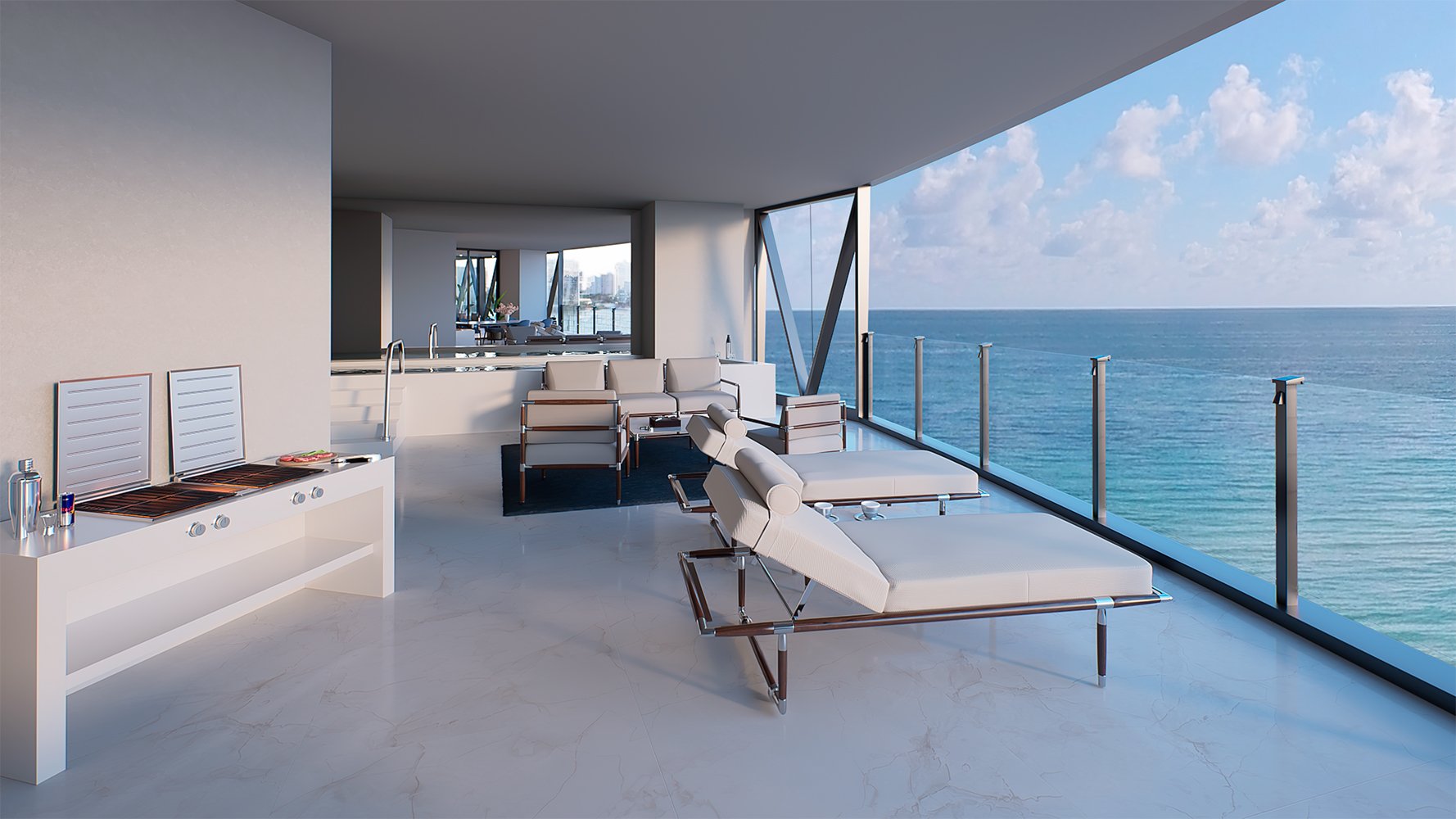
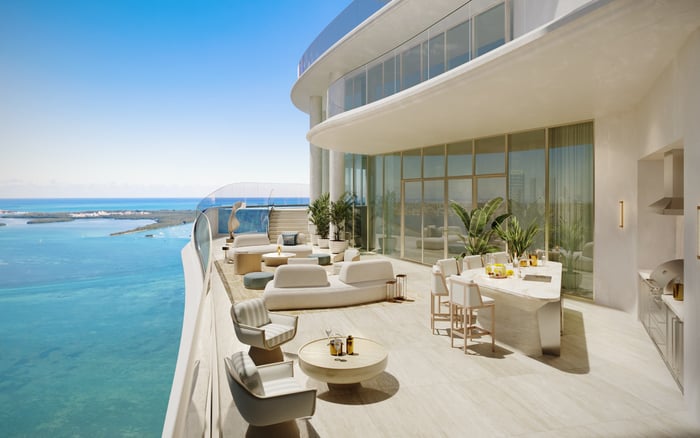
Sunny Isles Beach is one of South Florida’s most visually persuasive condo markets. A sales gallery can frame the Atlantic in perfect blue, place the model residence in flawless afternoon light, and make a future balcony feel like a private theater above the sand. That is precisely why a serious buyer should slow down before falling for the view.
A preconstruction condo is not only a view purchase. It is a contract, a floor plate, an operating budget, a construction timeline, a building culture, and a future resale story. The best buyers admire the horizon, then return to the plan set. They ask how the residence will live at 8 a.m., how it will entertain at sunset, how private the terrace will feel once neighboring towers are considered, and how durable the ownership case remains if the market mood changes.
In Sunny Isles Beach, the word oceanfront can be emotionally powerful. It should also be tested with precision: angle, elevation, exposure, distance from neighboring structures, balcony usability, and the long-term context of the surrounding corridor.
A beautiful view is not automatically a good daily view. Buyers should distinguish between a view that photographs well and one that supports the way they intend to live. A direct eastern exposure may feel cinematic in the morning, while a residence with layered water and city sightlines may offer a richer day-to-night experience. Neither is inherently superior. The right answer depends on use.
Ask whether the primary rooms share the view or whether the best sightline is confined to the terrace. Study the relationship between the living room, dining area, kitchen, and primary suite. A floor plan that gives every important room a meaningful outlook may be more valuable than one spectacular balcony moment attached to compromised interiors.
Privacy is equally important. In a vertical market, the best waterview is not always the widest one; it is often the one that feels least exposed. Look at adjacent parcels, side setbacks, and the orientation of neighboring balconies. A residence should feel serene with the shades open.
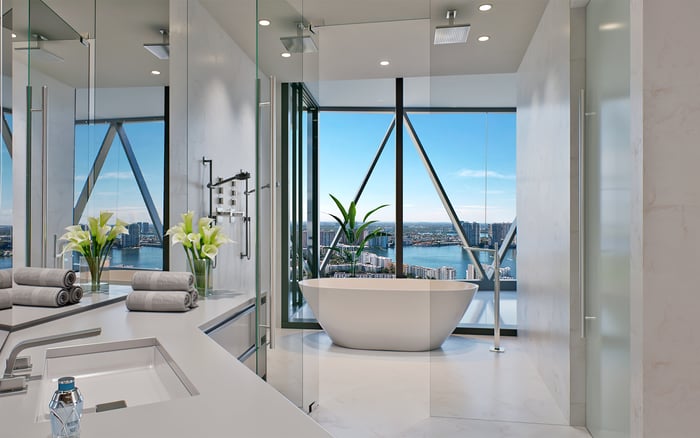
Renderings seduce. Floor plans reveal. Before discussing finishes, examine the bones of the residence: entry sequence, ceiling conditions, column placement, kitchen depth, storage, laundry location, bedroom separation, and the path from elevator to living space.
Flow-through units deserve particular attention in Sunny Isles Beach because cross-light and dual exposures can materially change the feeling of a residence. Still, the phrase alone is not enough. The buyer should ask whether the plan creates true separation between public and private areas, whether the secondary exposure is meaningful, and whether the terrace depth supports actual furnishing rather than decorative staging.
A good plan creates calm. It avoids awkward corridors, protects the primary suite, gives service spaces a sensible location, and allows art, furniture, and lighting to settle naturally. In luxury preconstruction, square footage matters, but usable square footage matters more.
A preconstruction tower should be judged not only by architecture and branding, but by how the property will operate once residents move in. Amenities can be extraordinary, yet every amenity has a maintenance profile. Pools, lounges, wellness areas, private dining rooms, arrival courts, beach service, staffed spaces, and mechanical systems must eventually be supported by an association budget.
The buyer’s question is not, “Does the building have enough?” It is, “Will I use what I am paying to maintain?” A large amenity program may be ideal for a full-time household that entertains often. A more restrained program may better suit a seasonal owner who values privacy, staff quality, and simplicity.
This is where comparison becomes useful. Looking at Sunny Isles references such as Bentley Residences Sunny Isles or St. Regis® Residences Sunny Isles can help a buyer frame the difference between lifestyle intensity, service expectations, and the kind of residential identity they actually want.
Preconstruction requires a different temperament from resale. The buyer is committing to a future asset, often before every physical detail can be experienced. That makes contract review central, not administrative.
Deposit structure, cancellation rights, development milestones, closing conditions, potential changes to plans or materials, assignment provisions, and association documents all deserve careful legal review. The point is not to be adversarial. It is to understand exactly what is being purchased and where discretion remains with the developer.
Finish packages should also be studied with restraint. A beautifully presented palette can still leave open questions about appliance specifications, stone selection, cabinetry details, lighting allowances, flooring transitions, smart-home systems, and upgrade paths. The more expensive the residence, the less tolerance there should be for ambiguity.
Sunny Isles Beach offers the rare emotional combination of resort atmosphere and residential permanence. Yet the daily experience varies by building position, arrival sequence, beach access, traffic pattern, lobby design, elevator count, and staff culture.
A buyer should visit at different times of day. Morning light, afternoon traffic, weekend beach energy, and evening arrival all tell different stories. The question is not whether the location is desirable in the abstract. It is whether the location suits the way the buyer lives.
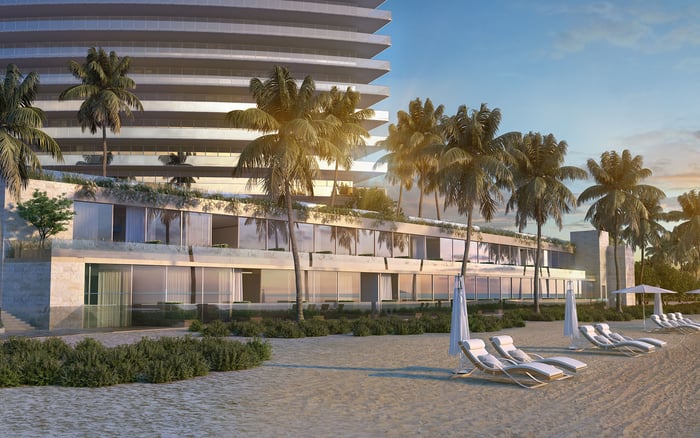
For some, the ideal residence is a polished high-floor retreat with a dramatic skyline and ocean composition. For others, the priority is a quieter low-floor connection to the beach and pool deck. Studying a completed reference such as The Ritz-Carlton Residences® Sunny Isles can sharpen the eye for arrival, scale, frontage, and the difference between architectural drama and everyday ease.
Even when purchasing for personal use, a disciplined buyer should consider the next buyer. Resale logic begins at acquisition. A view may attract attention, but long-term desirability usually depends on a broader set of qualities: plan efficiency, ceiling presence, outdoor space, building reputation, service consistency, maintenance discipline, and the rarity of the line within the tower.
Avoid paying only for the most obvious emotional feature. If the premium is tied entirely to a view, ask what else supports value. Is the line more private? Is the terrace more usable? Does the plan feel more gracious? Is the primary suite better positioned? Does the residence offer a quality that will remain legible five or ten years after delivery?
Luxury buyers often make the best decisions when they compare horizontally rather than vertically. Instead of asking only which floor is higher, ask which residence is better composed. Sometimes the superior purchase is not the most dramatic one. It is the one with the most balanced combination of view, privacy, plan, service, and future liquidity.
Should I buy the highest floor I can afford? Not automatically. A lower or mid-level residence can offer better proportions, privacy, terrace usability, or value discipline.
How important is the view in Sunny Isles Beach? It is important, but it should not overwhelm plan quality, building operations, contract terms, and long-term resale logic.
What should I review first in a preconstruction condo? Start with the floor plan, exposure, contract framework, deposit schedule, and association documents before focusing on finishes.
Are flow-through residences always better? They can be compelling, but only when both exposures are useful and the layout creates genuine privacy and circulation.
How do I judge amenities before the building is complete? Evaluate whether the program matches your lifestyle and whether you are comfortable supporting it through future ownership costs.
Can renderings be relied upon? Renderings are useful for mood and intention, but they should be balanced against plans, specifications, contracts, and professional review.
What makes a terrace valuable? Depth, privacy, orientation, furniture potential, wind comfort, and connection to interior living areas matter more than size alone.
Should seasonal buyers evaluate differently? Yes. Seasonal buyers may prioritize lock-and-leave convenience, staff quality, maintenance simplicity, and easy arrival over amenity volume.
How should I compare two similar residences? Compare usable layout, light, privacy, view permanence, carrying costs, and the likely preferences of a future resale buyer.
When should I involve advisors? Early. Legal, tax, design, and brokerage guidance is most valuable before emotional commitment narrows the decision.
When you're ready to tour or underwrite the options, connect with MILLION.
If branded residences are on your mind — as a home or as an allocation — we would be glad to share what we are seeing, privately.
Begin a quiet conversation