A practical guide for Zurich-based buyers evaluating South Florida homes through the lens of storm-day livability, from elevation and evacuation zones to backup power, cooling, insurance, and condo operations.

For a Zurich-based buyer, South Florida can feel wonderfully immediate: light, water, terraces, service, and a more outdoor rhythm of life. The adjustment, however, is not only cultural. It is operational. In Miami, Palm Beach, Fort Lauderdale, Boca Raton, and the barrier-island markets, a residence should be evaluated not just for architecture and finish, but for how it performs during disruption.
Atlantic hurricane season officially runs from June 1 through November 30. That calendar should shift the purchase conversation from rare-event fear to annual readiness. A home may be structurally impressive and still become inconvenient, uncomfortable, or impractical after a storm if power, cooling, water, communications, safe access, or common-area systems are compromised.
This is the central distinction for MILLION Buyer's Guides readers: survival is the minimum standard. Livability is the luxury standard.
Hurricane risk is not a single wind category. It includes storm surge, inland flooding, destructive winds, tornadoes, and dangerous coastal conditions. For a South Florida buyer, water is often the first screen because storm surge is an abnormal rise of water above the predicted tide. Elevation, evacuation-zone status, drainage, garage placement, and access routes matter as much as the view.
Before making an offer, confirm whether the address is in a hurricane evacuation zone and review the specific address against mapped flood hazards. Luxury pricing does not remove flood risk. Floods can occur outside the highest-risk mapped zones, so the map is a starting point, not a verdict.
Ask for an Elevation Certificate when relevant. It can help document how the building sits relative to expected flood levels and may clarify insurance questions. This is especially important for waterfront properties, where the most seductive attributes-proximity to bay, ocean, river, or canal-may also shape storm-day logistics.
In Miami Beach, for example, a buyer considering The Perigon Miami Beach should evaluate the address through the same operational lens as any coastal asset: evacuation zone, mapped flood hazard, building elevation, garage vulnerability, and post-storm access. The prestige of a location does not replace technical diligence.
Florida’s Building Code is the baseline regulatory framework for construction, but buyers should not stop at the phrase “built to code.” Ask which code cycle applies, what permits were issued, whether renovations affected the exterior envelope, and whether site-specific engineering was performed.
The building envelope deserves particular attention: windows, doors, shutters, roofing systems, balcony doors, waterproofing, and penetrations. In Miami-Dade, product approvals can help verify storm-rated components for envelope products. For single-family homes and boutique buildings, documentation is often more revealing than a visual tour.
A polished interior can conceal weak points. A spectacular pivot door, a wall of glass, or a renovated roof should be matched with approvals, permits, and installation records. If records are incomplete, treat that as a negotiation and inspection issue, not a design footnote.
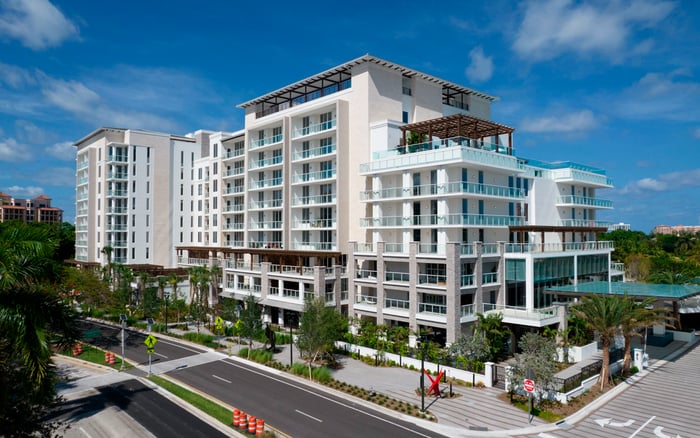
In Brickell, vertical living changes the analysis. A buyer comparing The Residences at 1428 Brickell with other towers should ask not only about glazing, but also about elevator service, water pressure, access control, garage pumps, and how shared systems are prioritized when utility service is interrupted.
After a storm, a home can be intact yet difficult to occupy. Power-outage planning should include batteries, charging options, medical-device needs, refrigeration limits, communications, food safety, and the practical duration for which the household expects to remain in place.
Backup power must also be safe. Generators should be used outdoors and away from windows to avoid carbon monoxide poisoning. For single-family estates, ask where the generator is located, what it powers, how fuel is stored or supplied, and whether maintenance records are current. For condominiums, the questions are different but equally important: what does the building generator serve, and what does it not serve?
The most valuable answer is rarely “there is a generator.” The better answer names the loads: elevators, domestic water pumps, fire-life-safety systems, garage gates, access control, lobby cooling, internet infrastructure, security, and limited in-unit circuits where applicable. In a high-rise, shared systems determine whether the residence is usable after an outage.
Heat is part of the equation. In South Florida humidity, loss of air conditioning can quickly make a structurally sound home uncomfortable or unsafe. For second-home owners, older family members, children, pets, or anyone working remotely, cooling strategy should be treated as core infrastructure.
For condominiums, storm-day livability is collective. The unit may have excellent impact glazing and a refined floor plan, but the owner’s experience depends on the association’s preparedness, reserves, vendor relationships, insurance structure, and post-storm protocols.
Request the condominium or HOA documents early. Review insurance disclosures, recent capital projects, generator specifications, pump locations, garage exposure, roof and facade maintenance, and communications plans. Ask how residents are informed before and after a storm, who has authority to reopen common areas, and how access is handled if power or cellular service is disrupted.
In Sunny Isles Beach, where many buyers prize height, views, and resort-style services, a residence such as Bentley Residences Sunny Isles should be assessed with the same discipline: envelope documentation, elevation context, backup systems, and the building’s plan for multi-day interruption. The question is not whether the tower is impressive. The question is how it operates.
In estate markets such as Coconut Grove, Coral Gables, Pinecrest, Boca Raton, and Palm Beach, buyers control more of the property but also inherit more responsibility. Landscaping, roof condition, drainage, generator placement, driveway access, pool equipment, gates, dock systems, and exterior storage all become part of storm readiness.
A buyer considering Four Seasons Residences Coconut Grove may be comparing condominium ease with nearby single-family privacy. The trade-off is operational: condo living centralizes certain systems, while a house requires a private plan for shutters or impact openings, supplies, maintenance, and post-storm services.
Permanent storm protection for windows is generally preferable to improvisation. Supplies should be prepared before a storm is approaching, not sourced during peak demand. For owners who travel internationally, a local property manager or estate manager can be essential, but the underlying documentation still belongs in the buyer’s due-diligence file.
Most standard homeowners insurance does not cover flood damage, so flood insurance should be reviewed separately from wind or homeowners coverage. This is a common misunderstanding among international buyers who assume a comprehensive policy is truly comprehensive.
Before the inspection deadline, coordinate a Florida-licensed engineer, an insurance broker, and local real estate counsel. The goal is not to eliminate every risk. It is to price, insure, and operationalize the risk before the contract becomes difficult to unwind.
A practical purchase screen is straightforward: avoid unnecessary surge exposure, verify flood elevation, confirm storm-rated envelope components, review backup power, and assess how the property functions during a multi-day disruption. In South Florida, this is not pessimism. It is the discipline that protects lifestyle.
When is hurricane season in South Florida? Atlantic hurricane season officially runs from June 1 through November 30, so buyers should treat storm readiness as an annual operating concern.
Is wind category the only issue to evaluate? No. Hurricane risk can include storm surge, inland flooding, destructive winds, tornadoes, and dangerous coastal conditions.
What should I check first for a coastal property? Start with evacuation-zone status, mapped flood hazards, elevation, and access routes before focusing on finishes or views.
Do luxury homes still need flood-risk review? Yes. Flooding can occur outside the highest-risk mapped zones, and price does not remove site-specific exposure.
What is an Elevation Certificate useful for? It helps document a building’s elevation relative to expected flood levels and can inform risk and insurance discussions.
Does standard homeowners insurance cover flood damage? Usually not. Flood coverage should be reviewed separately from homeowners and wind coverage.
Is “built to code” enough for a luxury buyer? It is only a baseline. Buyers should verify the code cycle, permits, renovations, and storm-rated components.
What should condo buyers ask about backup power? Ask which systems are supported, including elevators, pumps, access control, garages, communications, and common areas.
Why does cooling matter after a storm? Loss of air conditioning in South Florida humidity can make an otherwise intact residence uncomfortable or unsafe.
Who should advise before contract deadlines? Use a Florida-licensed engineer, insurance broker, and local real estate counsel for property-specific guidance.
For a confidential assessment and a building-by-building shortlist, connect with MILLION.
If branded residences are on your mind — as a home or as an allocation — we would be glad to share what we are seeing, privately.
Begin a quiet conversation