A buyer-oriented 2026 checklist for evaluating pump-system reliability at Ziggurat Coconut Grove, with emphasis on redundancy, corrosion resistance, emergency power, operating access, and long-term capital risk.
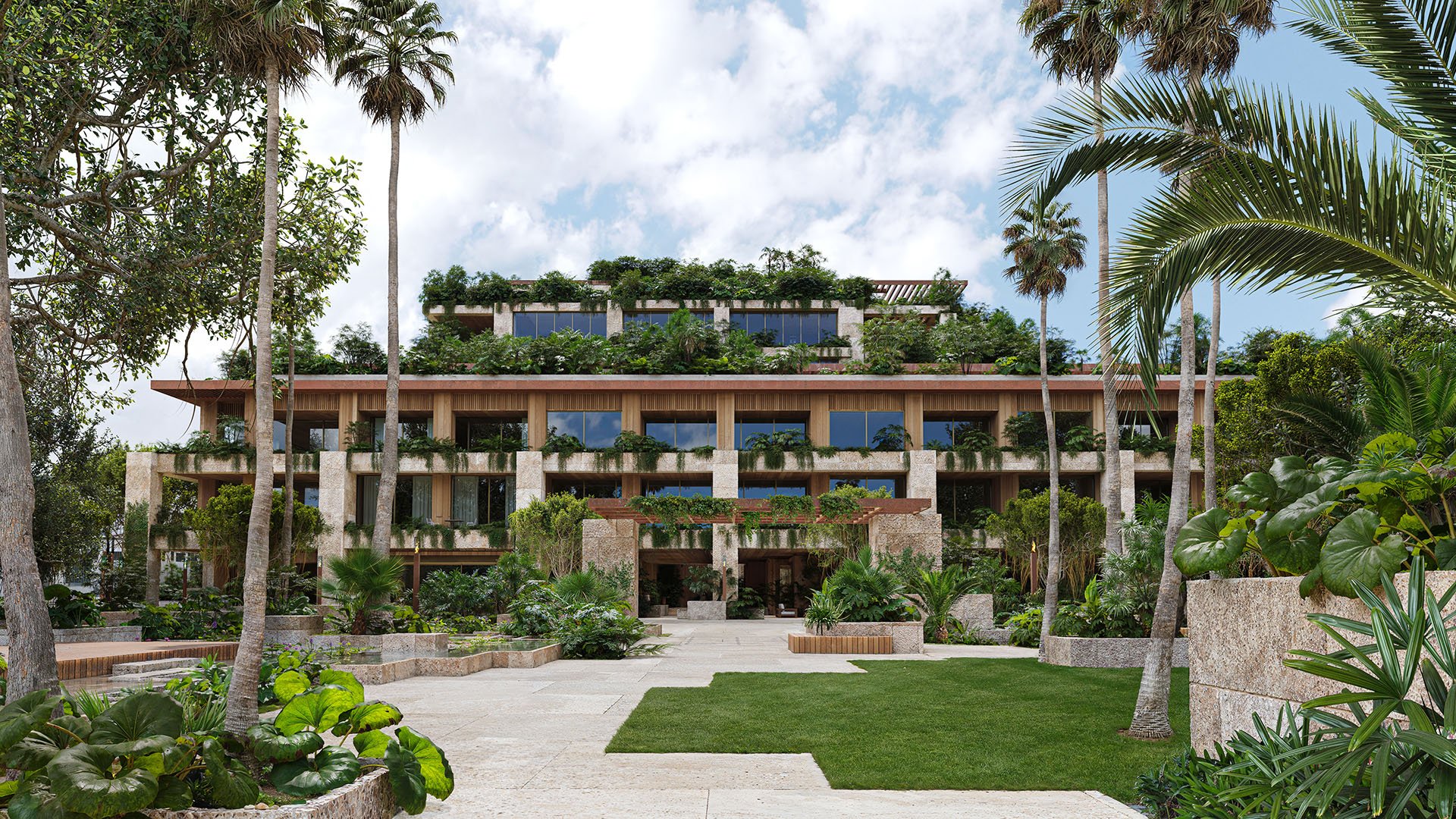
At Ziggurat Coconut Grove, pump-system reliability should not be treated as a hidden technical footnote. For a 2026 buyer, advisor, family office, or condominium board, it belongs in the same diligence conversation as structural integrity, façade performance, hurricane glazing, and long-term building governance. In a luxury residential asset, uninterrupted water pressure, mechanical comfort, quiet operation, amenity continuity, and storm-season functionality are part of what ownership is actually buying.
Sophisticated buyers understand that infrastructure quality is not always visible at the point of sale. A lobby can feel serene, a terrace can read cinematic, and a residence can be beautifully finished while the mechanical systems still require careful review. For Ziggurat Coconut Grove, the relevant question is not simply whether pumps exist. It is whether the building’s pump systems are designed, documented, accessible, protected, and operated in a way that supports premium daily life over time.
That distinction matters in Coconut Grove. The neighborhood’s coastal, high-humidity, high-salinity setting can place added stress on mechanical equipment and maintenance planning. For a new-construction or pre-construction residence with pool, waterview, and wellness amenities, pump resilience is tied directly to perceived asset quality.
A serious checklist begins with a complete inventory. Buyers should ask the project team, engineer, association manager, or building operator to identify the main pump subsystems and explain how each one supports comfort, safety, and operations.
Domestic water pressure is the most familiar category. It affects showers, kitchens, laundry, service areas, irrigation, and the everyday perception of whether a residence performs at a luxury level. A weak or inconsistent pressure profile can become more than an annoyance in a high-end tower; it can influence resident satisfaction and the building’s reputation.
Fire-protection pumping is a separate diligence category and should be reviewed with appropriate technical advisors. The buyer’s role is not to self-certify a life-safety system, but to confirm that documentation exists, responsibilities are clear, and emergency conditions have been considered in the operating plan.
Chilled-water circulation should also be evaluated where applicable. Mechanical comfort in South Florida is not a secondary amenity. It is central to livability, art preservation, quiet interiors, sleep quality, and the daily experience of returning to a cool residence after heat and humidity.
Stormwater control deserves particular attention. Coconut Grove’s tropical weather and storm-season realities make drainage and water-management systems part of resilience diligence. Pools, spas, and water-feature systems complete the checklist. These amenity pumps may not carry the same safety implications as fire systems, but their failure can quickly affect the sense of polish expected in a high-service building.
Marketing materials rarely provide the level of detail needed for pump-system diligence. A 2026 buyer should request engineering-level documentation and have it reviewed by qualified advisors. The aim is not to overcomplicate a purchase; it is to separate a well-planned asset from one whose operating risks are not yet visible.
The first document request should establish system scope: what pump systems exist, where they are located, and which residences or amenities they serve. The second should address redundancy. Buyers should understand whether a critical pump function has backup capacity and how the building is intended to operate if one component is offline.
The third area is expected failure modes. Every mechanical system has vulnerabilities. The important issue is whether those vulnerabilities have been anticipated. Ask what components are most likely to require service, how quickly replacement parts can be obtained, and whether the building has a spare-parts strategy for priority systems.
The fourth area is maintenance access. A pump that is technically sound but difficult to reach can become expensive, noisy, or disruptive to service. Access routes, clearance, ventilation, drainage, and the ability to replace equipment without disturbing key residential areas all deserve review.
Finally, buyers should request inspection protocols and maintenance history when available. For a newly delivered or still-evolving asset, the focus may be commissioning records and planned maintenance rather than a long operating history. For any ownership structure, clear accountability is essential.
The most important warning signs are not always dramatic. Insufficient redundancy is one of the clearest red flags, especially for systems tied to water pressure, comfort, safety, and storm response. A luxury tower should not rely on a fragile operating sequence for basic continuity.
Unclear maintenance responsibility is another concern. Buyers should know who maintains each system, who pays for service, who approves capital replacements, and how quickly emergency vendors can respond. Ambiguity can become costly during the first major disruption.
Poor corrosion protection is especially relevant in Coconut Grove’s coastal context. The diligence question is practical: how are pumps, piping, supports, electrical components, and nearby assemblies protected from humidity and salinity over time? The answer should be more substantial than reassurance.
A lack of spare-parts planning can also undermine resilience. High-end properties often depend on specialized systems. If a critical component fails, lead times matter. Buyers should ask whether the building has identified priority parts and service relationships.
Weak emergency-power integration is a final red flag. Pump systems should be reviewed in relation to storm-season functionality and continuity planning. The goal is to understand what will work, what may not, and how the building communicates limitations to residents.
Sophisticated buyers do not need to become mechanical engineers. They do need to ask disciplined questions. Start with: which pump systems are mission critical, and which are amenity related? Then ask: if one pump fails, what happens next?
For domestic water pressure, ask how the building maintains consistent service across floors and demand periods. For fire-protection pumping, ask which professionals review and test the system and how documentation is retained. For chilled-water circulation, ask how comfort is maintained during service events. For stormwater control, ask how the building prepares before major weather and how staff confirm functionality.
For pools, spas, and water features, ask how often pumps are inspected, what failures are most common, and whether repairs affect resident access. These questions apply directly to Ziggurat Coconut Grove and broadly to the Coconut Grove luxury context, where architecture, landscape, and amenity programming often depend on water systems functioning quietly in the background.
Pump systems are not just operating expenses. They are capital-risk items. A buyer reviewing Ziggurat Coconut Grove should understand whether future pump replacements are likely to be routine, disruptive, or financially material. That requires coordination among engineers, building management, legal advisors, and financial reviewers.
Governance matters because mechanical systems live beyond the initial sale. Condominium boards and owners’ associations should know how maintenance is budgeted, how inspection findings are escalated, and when capital planning begins. Deferred mechanical maintenance can affect comfort, safety, amenity uptime, and the subtle but powerful perception that a building is either impeccably run or merely well presented.
In the luxury market, resale confidence often rests on invisible competence. Buyers notice when water pressure feels effortless, air conditioning operates quietly, pool systems remain available, and storm preparation feels organized. They also notice when operations appear reactive. Pump reliability is one of the systems that separates architectural promise from durable ownership quality.
Why is pump reliability important at Ziggurat Coconut Grove? Pump systems support water pressure, comfort, safety, amenities, and storm-season continuity, all of which influence luxury ownership quality.
Should buyers review pumps as seriously as structural items? Yes. Pump reliability should sit beside structural integrity, façade performance, and hurricane glazing in a 2026 due-diligence review.
Which pump systems should be included in the checklist? Domestic water pressure, fire-protection pumping, chilled-water circulation, stormwater control, pools, spas, and water features should all be identified.
What documents should a buyer request? Buyers should request engineering-level documentation, system inventories, redundancy information, inspection protocols, and maintenance planning materials.
What is the main corrosion concern in Coconut Grove? High humidity and salinity can stress mechanical equipment, so corrosion protection and maintenance planning deserve careful review.
What does redundancy mean in this context? Redundancy means the building has backup capacity or an operating plan if a pump or related component is offline.
Why does maintenance access matter? A pump that is difficult to access can make repairs slower, more disruptive, and potentially more expensive over time.
What are the clearest red flags? Insufficient redundancy, unclear maintenance responsibility, poor corrosion protection, weak spare-parts planning, and limited emergency-power integration are key concerns.
Can non-engineers ask useful pump-system questions? Yes. Buyers can ask what each system serves, what happens if it fails, who maintains it, and how emergencies are handled.
How does pump reliability affect resale perception? Reliable systems help preserve comfort, continuity, and confidence, while repeated failures can weaken the perception of asset quality.
If you'd like a private walkthrough and a curated shortlist, connect with MILLION.
If branded residences are on your mind — as a home or as an allocation — we would be glad to share what we are seeing, privately.
Begin a quiet conversation