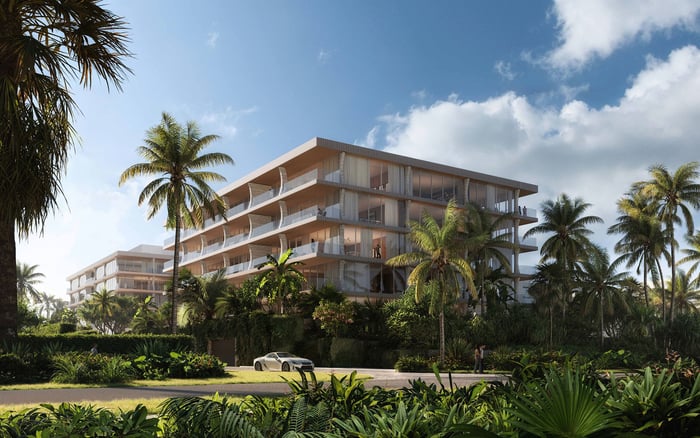
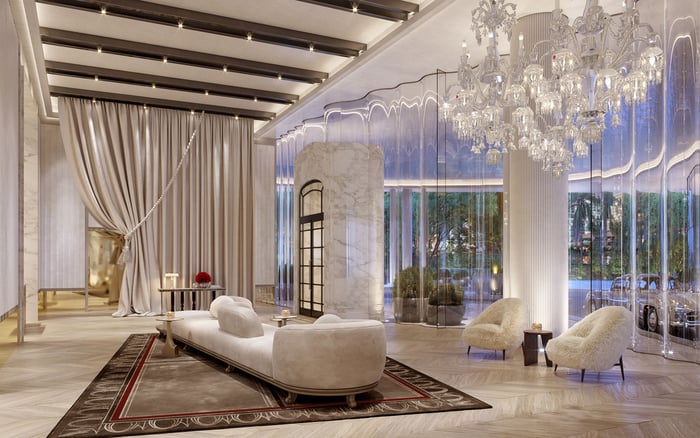
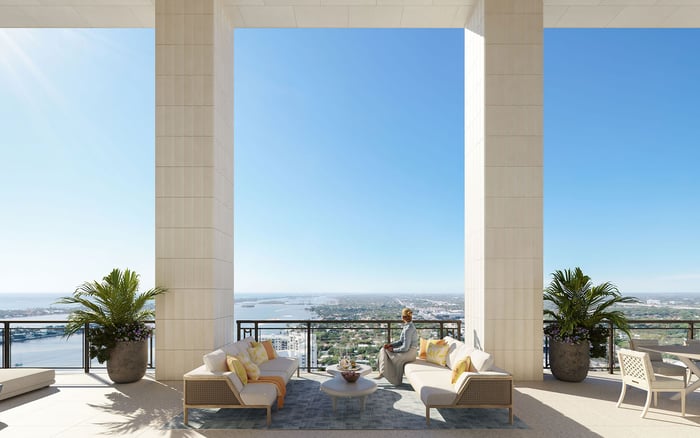
A buyer-focused guide to evaluating projected service charges, operating budgets, staffing, reserves, insurance assumptions, and long-term carrying costs at Maison D’Or South Flagler in West Palm Beach.
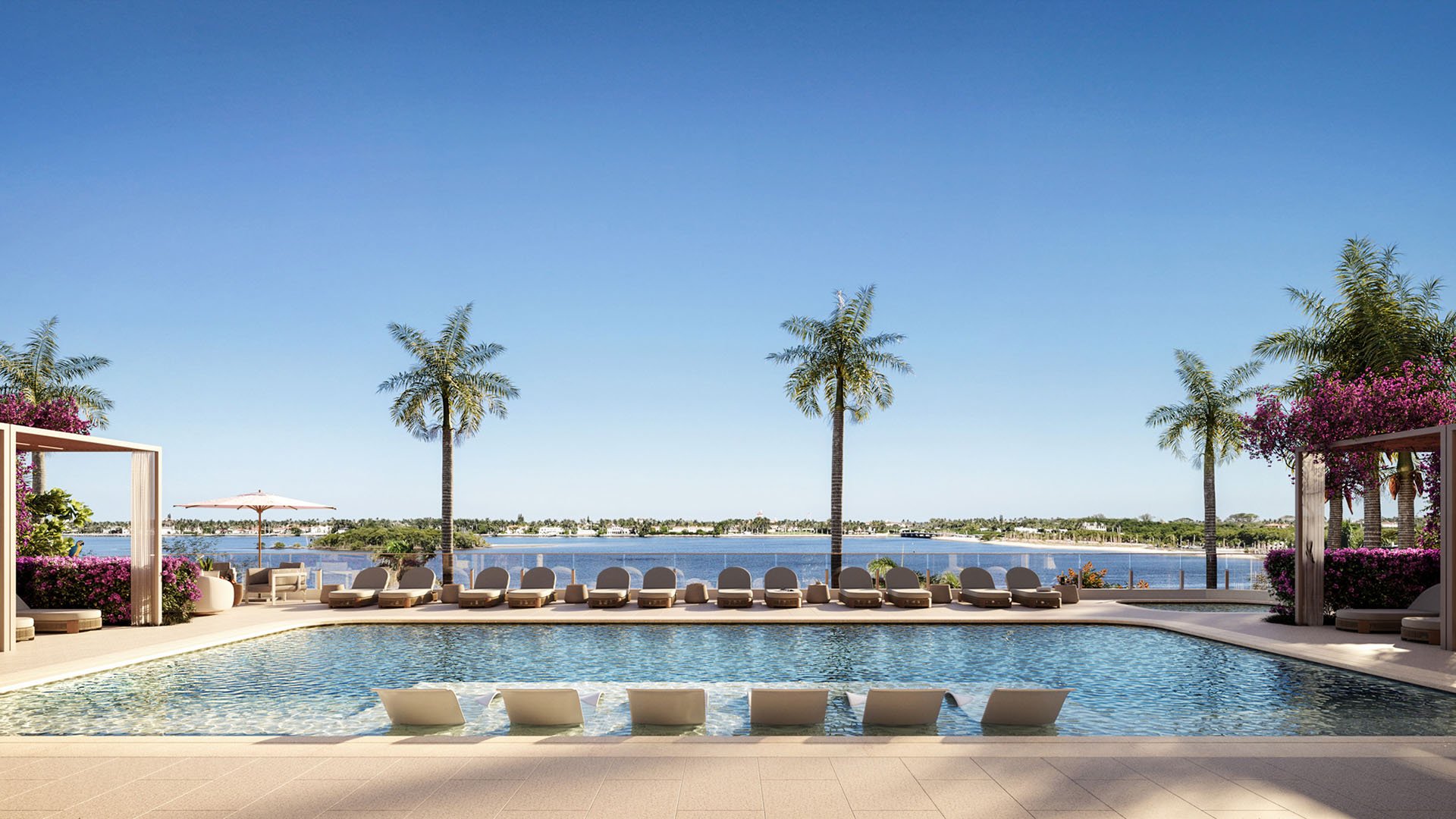
At the upper end of West Palm Beach condominium buying, the conversation often starts with architecture, water outlooks, amenity decks, and the privacy of arrival. Yet at Maison D’Or South Flagler, one of the most important buyer questions is less cinematic and more consequential: how will the building operate after closing, and what will owners pay to sustain that experience?
Service charges are not simply a monthly line item. They are the financial expression of the building’s promise. A residence can appear attractively priced on paper, but the operating model determines whether the lobby is staffed as expected, whether the valet program feels effortless, whether common areas are maintained to a high standard, and whether the association is planning prudently for the future. For a South Flagler buyer, the assessment is part of the lifestyle asset.
The first document to request is the current projected operating budget. Review it before relying on headline pricing or broad amenity language. In a market where West Palm Beach buyers are comparing private residential service models across the Flagler corridor, the budget is the practical bridge between marketing and lived ownership.
The most basic question is also one of the most revealing: how are monthly assessments calculated? Buyers should confirm whether charges are allocated by square footage, ownership percentage, unit type, or another method. The answer affects not only the first-year carrying cost, but also how future increases are shared across the building.
This is especially important for larger residences, combination units, penthouses, and homes with expansive terraces. A seemingly modest difference in allocation method can become material over a multi-year hold period. It also helps buyers compare Maison D’Or South Flagler with nearby new-construction and pre-construction offerings such as Alba West Palm Beach, where the same diligence lens should be applied even when the residential character is different.
A refined buyer should ask for the assessment formula in writing, then model it against the specific residence under consideration. Do not stop at the advertised monthly number. Ask what assumptions sit behind it, when it may be revised, and whether the figure is preliminary or tied to a more advanced budget package.
Luxury buildings increasingly blend private residential service with hospitality cues. That makes clarity essential. Buyers should ask which services are included in regular assessments and which are billed separately as à la carte charges. Valet, housekeeping coordination, in-residence services, private dining support, event assistance, pet care, and package handling may not all be treated the same way.
The sharper question is not simply, “What amenities are included?” It is, “What labor, contracts, and consumables are funded by the regular assessment, and what triggers a separate bill?” That distinction defines the owner’s true monthly experience. It also prevents the common mistake of comparing two buildings by assessment number alone, when one may include a broader service layer and another may price convenience separately.
For Palm Beach-oriented buyers who divide time between properties, an à la carte structure can be either efficient or inconvenient, depending on usage. A seasonal owner may value paying only for what is used, while a full-time resident may prefer a more comprehensive assessment that supports consistent daily service.
The operating budget should include a staffing assumption, and that assumption deserves careful reading. Buyers should request a breakdown for front desk, valet, security, housekeeping, management, engineering, and maintenance roles. The number of positions, shift coverage, and reliance on third-party vendors can all shape the building’s feel.
A hotel-caliber arrival without adequate staffing can become a disappointment during peak periods. A lean front desk can affect guest management, deliveries, and resident response time. Understaffed engineering may appear later as maintenance delays rather than immediately in the sales gallery.
The key is to ask whether Maison D’Or South Flagler is intended to operate like a private residential building, a hotel-caliber building, or a hybrid hospitality model. Each model can be excellent, but each carries different labor expectations. Buyers comparing the Flagler landscape, including Forté on Flagler West Palm Beach and Shorecrest Flagler Drive West Palm Beach, should evaluate service intensity rather than relying on brand language alone.
Amenities carry operating costs long after the renderings have done their work. Buyers should review how costs are budgeted for pools, wellness spaces, lounges, dining areas, fitness facilities, and other shared spaces. Pool care, fitness equipment maintenance, cleaning schedules, access controls, staffing, supplies, and utilities all become association obligations in one form or another.
A beautifully designed lounge that is seldom staffed may cost less to operate than one with a steady hospitality presence. A wellness area with extensive equipment, treatment rooms, or wet amenities may require more maintenance than a simpler fitness room. The goal is not to avoid cost. The goal is to ensure the assessment reflects the desired standard of care.
This is where waterview appeal and amenity ambition intersect. Buyers often focus on the private outlook from the residence, but the shared spaces help define daily value. If the building promises a polished amenity experience, the budget should show the labor and vendor support required to preserve it.
Coastal Florida insurance can materially affect condominium operating budgets, so buyers should ask whether insurance assumptions are preliminary, quoted, or bound. A preliminary placeholder carries a different risk profile than a more advanced insurance figure. The same disciplined approach should apply to utilities, maintenance contracts, security systems, landscaping, and building engineering costs in the first-year budget.
Ask how each major line item was forecast and whether the developer budget includes contingency reserves for wage inflation, insurance increases, vendor cost escalation, and early operating shortfalls. The first year of a building’s life can include adjustments as real usage patterns replace projections. A prudent budget anticipates that transition.
Lower monthly charges are not automatically better. They may indicate efficiency, but they can also suggest leaner staffing, optimistic vendor assumptions, or deferred reserve planning. Sophisticated buyers should compare projected assessments against the expected service level, especially when evaluating polished residential environments such as The Ritz-Carlton Residences® West Palm Beach alongside newer boutique options.
A buyer should ask when control of the condominium association transfers from the developer to owners and how budgets may change after turnover. Developer-controlled budgets can be carefully constructed for launch, but owner-controlled associations must live with the real cost of staffing, maintenance, insurance, and capital planning.
Reserve funding deserves its own conversation. Buyers should ask whether reserves are included in the regular assessment or handled through separate assessments. They should also request clarity on capital-replacement planning for elevators, mechanical systems, façade maintenance, pool systems, and other long-life components. These systems may feel abstract at purchase, but they define the building’s financial discipline over time.
If any amenities or services are shared with commercial, hotel, marina, club, or third-party users, ask how those shared costs are allocated. Shared use can be elegant and efficient when documented clearly. It can become contentious when cost responsibility is vague.
Finally, model total carrying costs over multiple years rather than focusing only on the first-year assessment. Include potential insurance movement, wage pressure, reserve evolution, and association turnover. In luxury real estate, the most graceful ownership experience is often the one with the most rigorous due diligence at the beginning.
What is the first budget question to ask at Maison D’Or South Flagler? Ask for the current projected operating budget and review it before relying on pricing, renderings, or amenity descriptions.
How should buyers evaluate monthly assessments? Confirm whether assessments are based on square footage, ownership percentage, unit type, or another allocation method.
Are all services usually included in the regular assessment? Not necessarily. Buyers should separate included services from à la carte charges before estimating total monthly cost.
Why is staffing so important to the budget? Staffing determines whether the building can deliver the expected level of front desk, valet, security, housekeeping, management, engineering, and maintenance service.
Should buyers ask about the service model? Yes. A private residential model, hotel-caliber model, and hybrid hospitality model can carry very different operating costs.
Which amenity costs deserve closer review? Buyers should review budgets for pools, wellness areas, lounges, dining spaces, fitness facilities, and other shared areas.
Why do insurance assumptions matter in West Palm Beach? Coastal Florida insurance costs can materially affect operating budgets, especially if initial assumptions are still preliminary.
What contingency questions should buyers ask? Ask whether the budget includes cushions for wage inflation, insurance increases, vendor escalation, and early operating shortfalls.
Why does association turnover matter? Budgets may change when control transfers from the developer to owners, so buyers should understand timing and potential adjustments.
How should reserves be reviewed? Ask whether reserves are included in regular assessments or handled separately, and review planning for long-life building systems.
For a discreet conversation and a curated building-by-building shortlist, connect with MILLION.
If branded residences are on your mind — as a home or as an allocation — we would be glad to share what we are seeing, privately.
Begin a quiet conversation