A buyer-focused look at the 2026 choice between Ziggurat Coconut Grove and a Viceroy Brickell consideration, centered on quiet luxury, privacy, culture, and service depth.
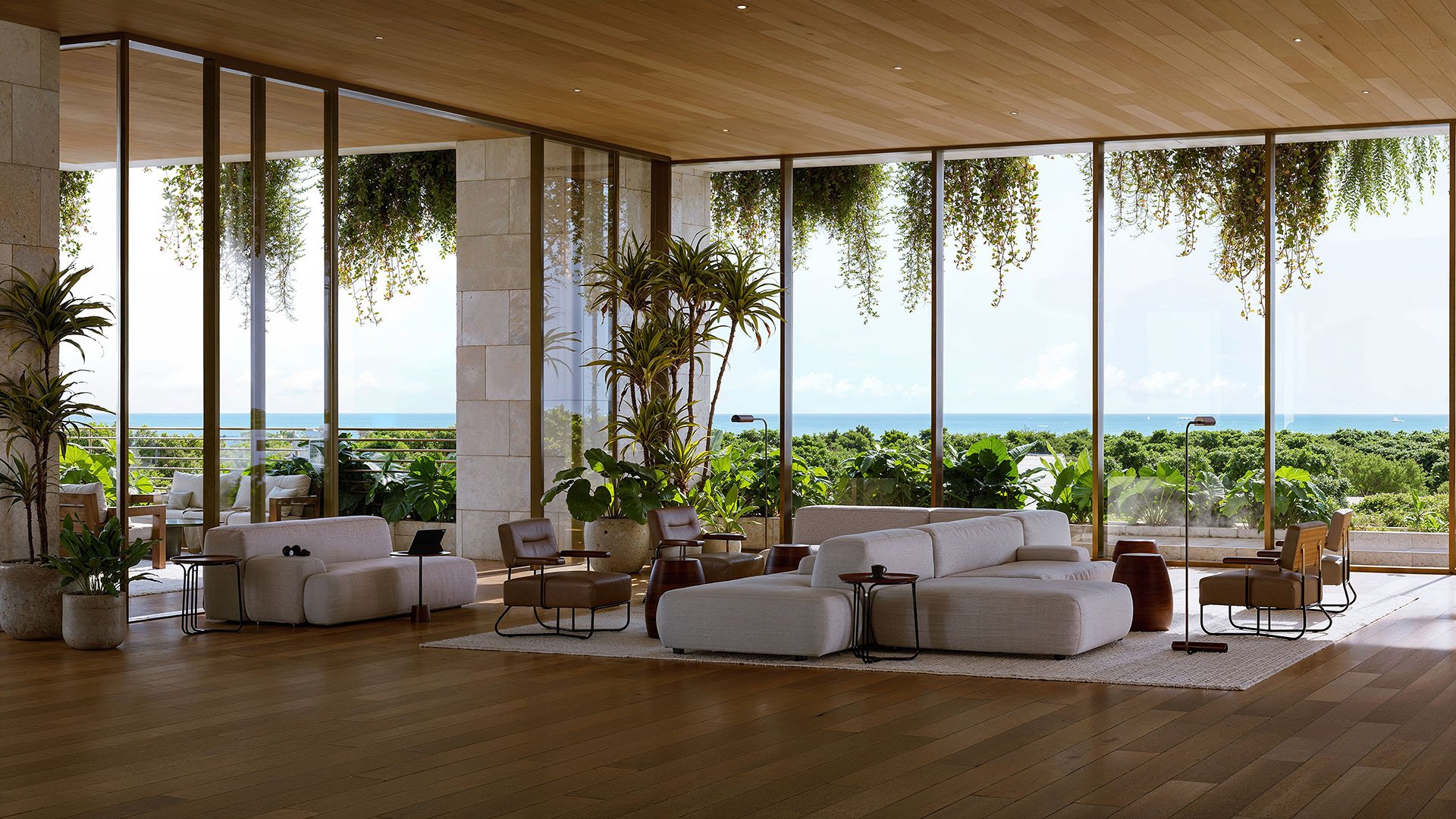
For South Florida’s upper-tier condominium buyer, the comparison between Ziggurat Coconut Grove and a Viceroy Brickell consideration should not be reduced to a familiar map exercise. Coconut Grove and Brickell offer distinct daily rhythms, but the more revealing question is structural: what kind of building culture does the buyer want to inhabit, and what type of concierge relationship will still feel valuable after the first year of ownership?
That distinction matters in 2026 because the luxury buyer has become more fluent. A polished lobby, a recognizable name, and an amenity sequence are no longer enough to define fit. The more seasoned purchaser is asking how a residence feels at 7 a.m., how staff recognize a family’s patterns, whether privacy is protected without stiffness, and whether the building’s social energy matches the owner’s appetite for visibility.
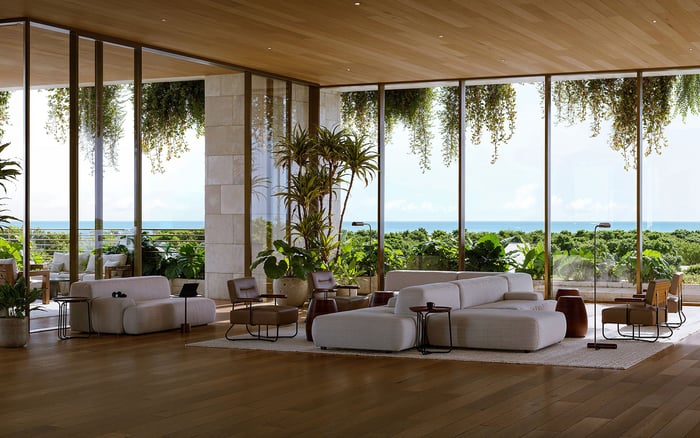
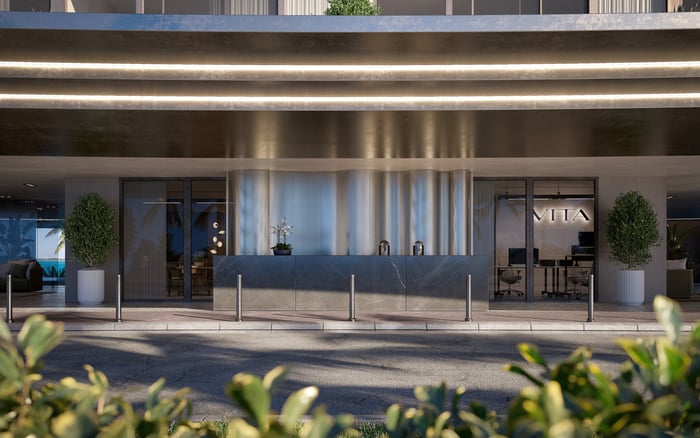
Ziggurat Coconut Grove sits on the Coconut Grove side of that test. It is framed as a Grove project rather than a Brickell urban high-rise, and its appeal belongs to a quieter vocabulary: privacy, greenery, space, bayfront sensibility, and a lower-signal expression of luxury. The Viceroy Brickell side of the decision, by contrast, should be approached as a Brickell lifestyle consideration without leaning on unsupported specifics. The prudent buyer is not comparing brochures. The prudent buyer is comparing the culture of daily life.
Quiet luxury is often used as a style phrase, but in residential real estate it is more operational than aesthetic. It appears in how residents arrive, how often they feel observed, how staff manage discretion, and whether the building’s design encourages calm rather than performance. It is not anti-service. It is service with restraint.
For Ziggurat Coconut Grove, the quiet-luxury argument is rooted in the Grove archetype. Coconut Grove has long attracted buyers who want proximity to Miami without the constant pulse of Miami’s most vertical districts. The appeal is not withdrawal. It is selectivity. A buyer drawn to Ziggurat Coconut Grove is likely testing whether home can feel more sheltered, more residential, and more connected to landscape than spectacle.
This is where labels can mislead. A buyer may begin with search terms such as Brickell, Coconut Grove, boutique, waterview, new construction, or Ziggurat Coconut Grove, but those categories are only the opening vocabulary. The deeper question is whether the building’s identity supports the owner’s preferred level of exposure. A highly social owner may want a more visible residential stage. A privacy-led owner may prefer a place where the building recognizes importance without broadcasting it.
Building culture is the atmosphere that cannot be fully captured in renderings. It is the resident mix, the privacy norms, the staff-resident familiarity, the pace of common areas, and the unwritten codes that determine whether a building feels elegant or merely expensive. For a multi-million-dollar buyer, this culture can become the defining amenity because it governs every arrival, every guest interaction, and every ordinary weekday.
In a quieter Coconut Grove context, the ideal culture often favors familiarity over constant programming. Residents may place more value on a team that understands preferences without overexplaining them, on neighbors who respect boundaries, and on a setting that permits family life, second-home use, or full-time ownership without a sense of public theater. That is the culture test Ziggurat Coconut Grove is positioned to raise.
A Brickell consideration can be compelling for a different reason: energy, centrality, and a more urban residential rhythm. But buyers should be careful not to treat energy as a universal advantage. The same intensity that gives Brickell its appeal may feel excessive to a buyer seeking restoration at home. Conversely, a buyer who wants immediate urbanity may find the Grove’s quieter cadence too restrained. The correct answer depends on the owner’s actual week, not on the market’s loudest narrative.
Concierge depth is not simply the number of services offered. It is the degree to which service becomes useful, intuitive, and personal without becoming intrusive. The most refined residential service models understand the difference between responsiveness and performance. They know when to step forward and when to disappear.
For the Ziggurat Coconut Grove side of the decision, the relevant service ideal is relationship-driven. A buyer focused on staff familiarity will want to know whether the building can support continuity: the same faces, the same understanding of household preferences, the same quiet competence with guests, deliveries, vehicles, and private requests. This is especially important for owners who split time between residences and want the building to remember them without requiring constant reintroduction.
A more programmed or branded service model may appeal to buyers who value structure, consistency, and a hospitality-inflected experience. That can be powerful when executed well. Yet the deciding factor is whether the service language matches the owner’s temperament. Some buyers want a residence that feels orchestrated. Others want one that feels known. The gap between those two desires is often where the Ziggurat Coconut Grove versus Viceroy Brickell decision becomes clear.
In South Florida, the highest form of luxury is increasingly measured by what a home removes from the day. Noise, friction, exposure, and unnecessary social performance all carry a cost. Buyers who prioritize privacy, greenery, and space are often buying relief as much as design.
Coconut Grove’s appeal in this context is not accidental. The neighborhood carries a more residential canopy, a sense of softness, and a pace that can feel rare within Miami’s broader luxury market. Ziggurat Coconut Grove’s bayfront, boutique, quiet-luxury framing fits that buyer psychology. It speaks to an owner who wants access to the city but does not want the residence to replicate the city’s intensity.
Brickell, by comparison, can represent a more vertical and urban version of Miami ownership. That does not make it lesser. It makes it different. A buyer whose life is anchored in downtown meetings, restaurants, nightlife, and immediate access may find the urban model highly efficient. But the buyer seeking a more discreet home base should ask a sharper question: after the closing, which environment will feel like a privilege every day rather than a compromise?
The strongest way to evaluate this 2026 choice is to map the residence against life patterns rather than prestige signals. Start with mornings. Does the buyer want a quieter transition into the day, a greener view, and a more residential sense of departure? Or does the buyer want urban immediacy and the momentum of Brickell outside the door?
Then study evenings. Some owners want the building to become a retreat after dinner, with a more private rhythm and fewer ambient encounters. Others want the residential experience to extend the city’s energy. Neither preference is inherently more luxurious. The more sophisticated answer is the one that matches behavior.
Finally, test the service model. Does the buyer want relationship-based concierge depth, where staff familiarity and discretion become part of the property’s value? Or does the buyer prefer a more structured, branded, and programmed model of hospitality? This is where many decisions become obvious. Architecture may attract the first visit, but service culture determines long-term satisfaction.
Ziggurat Coconut Grove should be understood as the quiet-luxury anchor in this comparison: boutique in spirit, bayfront in mood, and aligned with buyers who value privacy, greenery, staff familiarity, and a lower-signal expression of status. A Viceroy Brickell consideration belongs to a different decision frame, one that should be evaluated through lifestyle fit and service expectations rather than assumptions about brand or neighborhood alone.
For the 2026 buyer, the better residence is not the one with the louder claim. It is the one whose culture, concierge depth, and daily atmosphere protect the life the owner is actually trying to build.
Is this decision mainly Coconut Grove versus Brickell? No. The stronger framework is building culture, privacy norms, service style, and the daily rhythm each owner wants.
What does Ziggurat Coconut Grove represent in this comparison? It represents the quieter Coconut Grove side of the test, with an emphasis on privacy, greenery, space, and lower-signal luxury.
Should buyers compare amenity lists first? Amenity lists are secondary. The more important question is whether the building’s culture will still feel aligned after daily use begins.
What is concierge depth? Concierge depth is the quality of service as lived by residents, including familiarity, discretion, continuity, and usefulness.
Who is the likely Ziggurat Coconut Grove buyer? The likely buyer values privacy, a more residential atmosphere, bayfront sensibility, and service that feels personal rather than performative.
Can Brickell still be the better choice? Yes. A buyer who wants urban immediacy, energy, and a more central daily rhythm may find Brickell more appropriate.
Why does building culture matter so much? It shapes the real ownership experience, from lobby atmosphere and resident interaction to staff familiarity and privacy expectations.
Is quiet luxury the same as minimal design? Not exactly. In this context, quiet luxury is about discretion, restraint, privacy, and a sense of ease in daily living.
What should a 2026 buyer test during private tours? Buyers should observe arrival sequence, staff tone, common-area rhythm, privacy feel, and whether the building’s pace matches their own.
What is the simplest way to choose between these options? Choose the residence whose service model and atmosphere best support your ordinary week, not just your aspirational weekend.
To compare the best-fit options with clarity, connect with MILLION.
If branded residences are on your mind — as a home or as an allocation — we would be glad to share what we are seeing, privately.
Begin a quiet conversation