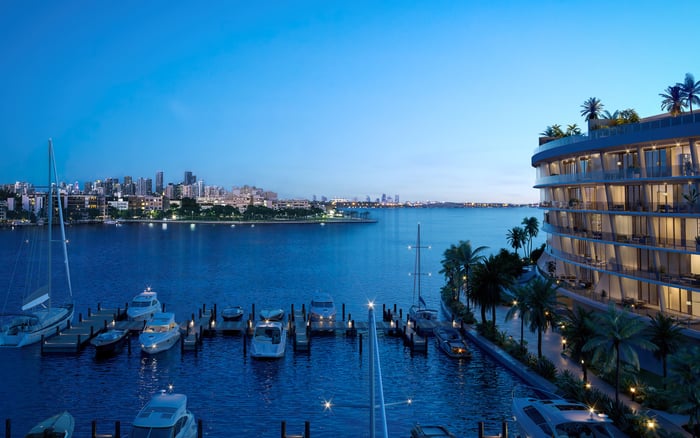
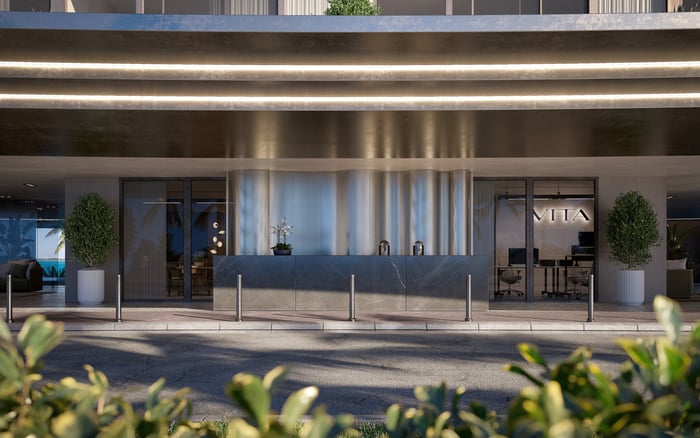
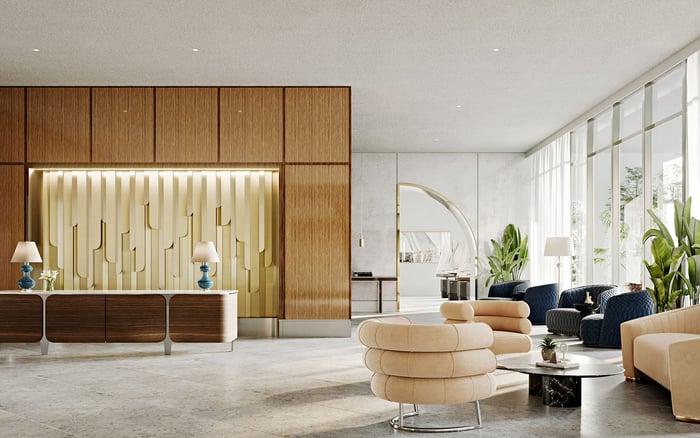
A buyer-focused look at why staff circulation, service access, delivery flow, and operational discretion matter inside Vita at Grove Isle and comparable Coconut Grove residences.
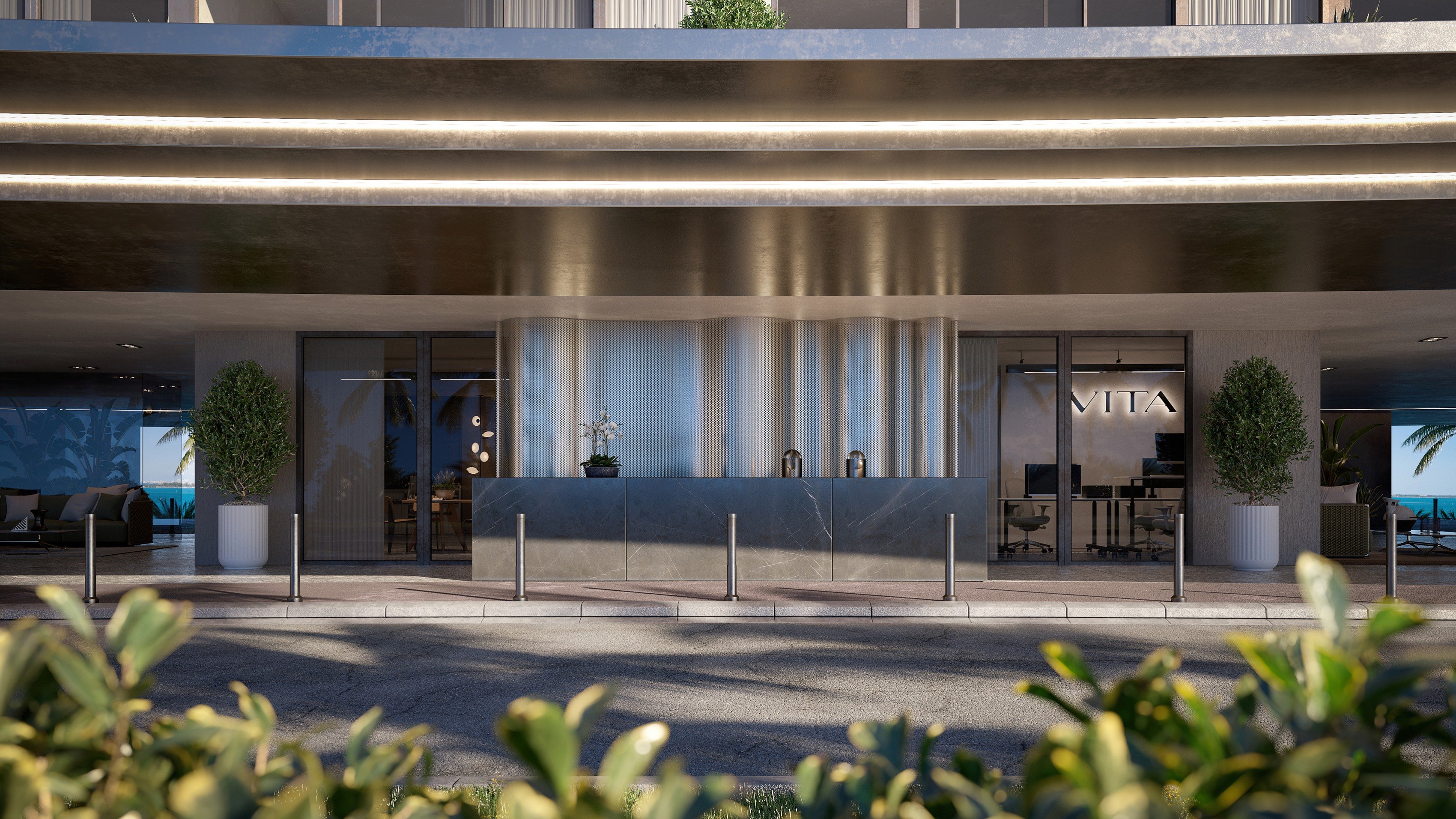
In the highest tier of South Florida residential real estate, luxury is rarely defined by finishes alone. Marble, millwork, glass, and water views set the emotional tone, but the enduring measure of a building is often found in the unseen systems that protect privacy, quiet, timing, and ease. That is why staff logistics and back-of-house design deserve close attention at Vita at Grove Isle.
For buyers accustomed to staffed homes, private travel, yacht clubs, and hotel-grade service, the question is not simply whether a residence is beautiful. The more precise question is how gracefully the building performs when life is in motion. Where do vendors arrive? How are groceries, florals, luggage, catering, repairs, and housekeeping handled? Can staff move efficiently without crossing the most private residential paths? Does the building feel calm on a busy Friday afternoon, or does operational activity intrude on the resident experience?
This is the hidden architecture of residential ease. It is not always visible in renderings, and it is not always emphasized during a first presentation. Yet for sophisticated buyers, it can be the difference between a polished condominium and a truly composed private address.
Back-of-house planning is ultimately about separation. Residents want arrival, lobby, amenity, and elevator experiences that feel intentional, not interrupted by the daily mechanics of running a building. Staff, vendors, deliveries, valet teams, maintenance personnel, and service providers need their own patterns of movement so the public-facing experience remains serene.
At a project such as Vita at Grove Isle, buyers should evaluate how the service environment supports the broader promise of privacy. That includes the way cars are received, how packages are processed, how household staff access residences, how amenity areas are reset, and how building teams move between operational zones. None of these elements need to be theatrical. In fact, the best back-of-house design is quiet, legible, and barely noticed.
The same lens applies across the Coconut Grove market. Buyers comparing Four Seasons Residences Coconut Grove or Park Grove Coconut Grove are often weighing more than architecture and amenity programming. They are also asking how daily life will feel once the building is fully occupied, fully staffed, and operating in season.
A serious walkthrough should move beyond the residence itself. The kitchen island and primary suite may create the first impression, but operational questions reveal how carefully the building has been considered. Buyers should ask to understand the arrival sequence, garage circulation, loading access, package handling, service elevators, staff entries, waste movement, and maintenance paths.
The point is not to turn a sales appointment into a facilities audit. It is to understand whether the building’s practical design supports the lifestyle being promised. If a residence is intended for frequent entertaining, catering logistics matter. If a family travels often, luggage and household staff movement matter. If the owner keeps a second-home rhythm, deliveries, maintenance access, and pre-arrival preparation become especially important.
In a boutique luxury setting, back-of-house execution can feel even more consequential because the building experience is intimate. Fewer residences may heighten the expectation that every encounter feels personal and frictionless. That intimacy makes thoughtful staff choreography essential. A small lapse in service planning can feel noticeable; a well-planned system can make the entire property feel more private.
Service circulation is one of the clearest indicators of operational maturity. The ideal arrangement allows staff and vendors to access residences and building support areas without creating unnecessary overlap with owners and guests. In practical terms, that may involve dedicated service routes, clear receiving protocols, and elevator strategies that minimize congestion during peak hours.
For luxury buyers, the key issue is not whether staff are visible. Excellent staff are part of an elevated living environment. The issue is whether the building allows them to work with discretion and speed. Housekeeping teams, private chefs, florists, personal assistants, dog walkers, drivers, and maintenance technicians all contribute to modern residential life. The building should help them perform without compromising resident privacy.
This is especially relevant for new-construction residences, where buyers often have an opportunity to ask detailed questions before closing or during design review. A polished amenity deck is meaningful, but the underlying service choreography determines whether that amenity can be maintained at a high level every day.
South Florida’s luxury buildings operate differently during peak social periods. Holiday weeks, art season, school breaks, boat days, private dinners, and visiting guests place pressure on receiving areas and staff teams. A building that feels effortless in August may be tested differently in January.
The most resilient buildings anticipate those rhythms. They make space for food deliveries, wine shipments, floral installations, wardrobe trunks, luggage, guest arrivals, service appointments, and catered events. The best systems reduce improvisation. They allow management teams to plan, stage, communicate, and execute without turning common areas into operational shortcuts.
For a waterview residence, buyers naturally focus on the outlook, terrace, and light. Yet the ease of hosting, preparing, cleaning, receiving, and resetting is what turns a beautiful view into a livable luxury routine. This is where back-of-house planning becomes not a technical footnote, but a central lifestyle feature.
Coconut Grove’s luxury market rewards privacy, landscape, neighborhood texture, and a less performative version of Miami glamour. That makes the service side of a residence especially important. Buyers are often seeking quiet sophistication, not constant spectacle. A building’s operations should reinforce that mood.
In the broader Grove conversation, The Well Coconut Grove speaks to wellness-driven residential expectations, while Mr. C Tigertail Coconut Grove represents another expression of service-oriented urban living in the neighborhood. Each comparison helps frame the larger question for Vita at Grove Isle: how does the property convert design, setting, and staff performance into a consistently graceful daily experience?
For buyers who value marina access, boating culture, or the general cadence of waterfront living, logistics become even more layered. Marine days bring bags, provisions, guests, towels, equipment, and returns. The best residential operations understand that luxury often arrives with movement.
The strongest buyers are not distracted by operational detail. They use it as a form of due diligence. Ask how deliveries are scheduled, where service providers wait, how staff credentials are handled, how elevators are prioritized, how amenity setup is coordinated, and how management communicates with owners.
Also ask about after-hours procedures, move-in rules, vendor insurance requirements, package storage, cold storage if applicable, and the path from garage or receiving to residence. These are practical questions, but they are also privacy questions. They reveal whether the building is designed for the way ultra-premium households actually live.
The goal is a residence that feels calm even when the machinery of life is active. At Vita at Grove Isle, that means evaluating the residence not only as architecture, but as an operating environment. The most refined luxury is not louder. It is better controlled.
Why is back-of-house design important at Vita at Grove Isle? It affects privacy, delivery flow, staff access, entertaining, and the overall calm of daily life.
What should buyers ask about staff logistics? Ask how household staff, vendors, maintenance teams, and service providers enter, move, and access residences.
Do service elevators matter in a luxury building? Yes. They can help separate operational movement from resident arrival paths and amenity circulation.
How do deliveries affect the resident experience? Poorly planned deliveries can create congestion, while well-managed receiving supports discretion and ease.
Is back-of-house planning relevant for seasonal owners? Very much. Seasonal owners often rely on staff, pre-arrival preparation, maintenance, and scheduled deliveries.
What does a buyer learn from operational questions? The answers reveal how the building will function after move-in, not just how it presents during a tour.
How does Coconut Grove living shape service expectations? Buyers in Coconut Grove often value privacy, quiet, and understated service as much as visible amenities.
Should entertaining needs be discussed before purchase? Yes. Catering access, guest flow, setup, cleanup, and elevator use can all affect private hosting.
Can back-of-house design influence resale appeal? It can support long-term desirability because sophisticated buyers recognize operational ease and privacy.
What is the best way to shortlist comparable options for touring? Start with location fit, delivery status, and daily lifestyle priorities, then compare stacks and elevations to validate views and privacy.
When you're ready to tour or underwrite the options, connect with MILLION.
If branded residences are on your mind — as a home or as an allocation — we would be glad to share what we are seeing, privately.
Begin a quiet conversation