A discreet buyer’s guide to evaluating guest-suite strategy before purchasing luxury real estate in Coconut Grove, with emphasis on privacy, household rhythm, flexibility, and long-term ownership value.
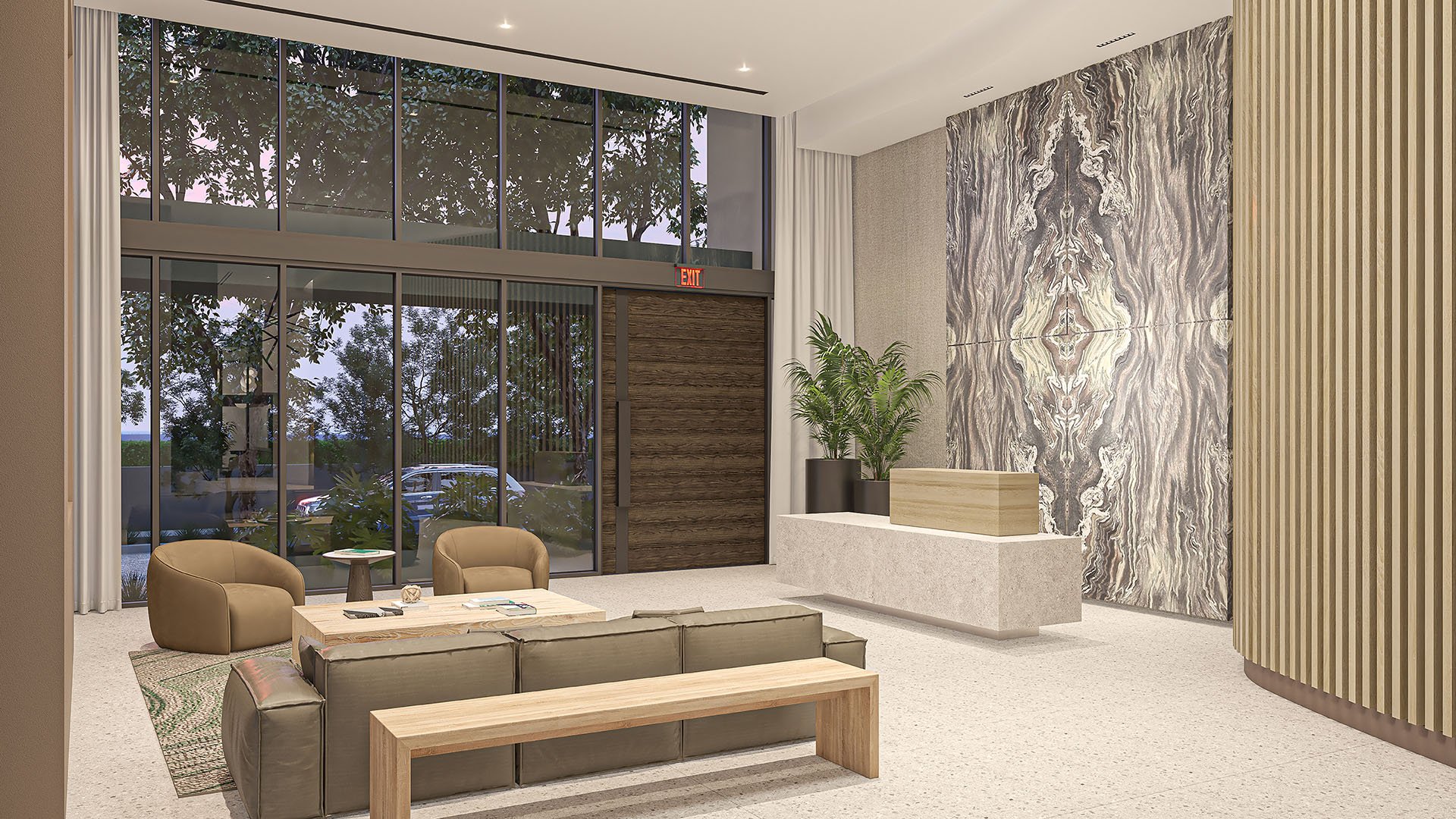
In Coconut Grove, the guest suite is not a leftover bedroom. It is a private hospitality zone, a release valve for family life, and often a decisive factor in how a luxury residence lives over time. Buyers typically focus first on views, terraces, kitchens, and primary suites. Yet the way a home receives overnight guests can determine whether the residence feels effortless or perpetually improvised.
The right question is not simply, “How many bedrooms are there?” It is, “Who will stay here, how often, for how long, and how independently?” A grandparent visiting for a season, adult children returning for holidays, household staff, a friend escaping winter, and a rotating stream of weekend guests all require different spatial logic. Coconut Grove buyers who define that logic early can read floor plans with far greater precision.
A guest suite should be evaluated against actual patterns of use. A second-home owner may prioritize a suite that functions almost like a private apartment, with enough separation to support longer stays. A full-time family may prefer guest rooms near children’s rooms, preserving a more domestic cadence. A frequent host may value easy access to powder rooms, terraces, and entertaining areas without sending visitors through the private core of the home.
When comparing residences such as Arbor Coconut Grove, ask how the plan treats guests from the moment they arrive. Is there a direct route to the suite? Does the room feel intentionally placed, or merely assigned? Can a guest wake early, make a call, or return late without disturbing the household? These questions reveal more than square footage.
A successful guest-suite strategy protects both guest and owner. Privacy should be layered: acoustic, visual, and operational. Doors should not open directly into main social spaces if the suite is intended for longer stays. Sightlines from living rooms, kitchens, and terraces matter. So does the distance between the guest suite and the primary suite.
In a vertical residence, consider elevator arrival, corridor exposure, and whether guests must pass through the family’s most private zones. In a low-rise or boutique environment, the issue may be less about height and more about proximity. At projects such as The Well Coconut Grove, the buyer’s task is to study the rhythm of the plan: where visitors sleep, where they linger, and where the household remains protected.
Luxury hospitality depends on details that rarely appear in a beauty shot. Where does luggage go? Is there a closet that can genuinely hold extended-stay wardrobes? Can housekeeping access the suite without crossing the most intimate family areas? Is the bathroom positioned for true en-suite privacy, or does it double as a shared guest bath during entertaining?
If the guest suite will support older relatives, ask about shower access, door widths, lighting, and the distance to the main living area. If it may house a nanny, chef, nurse, or other household support, clarify whether the layout and building rules align with that use. New-construction buyers should raise these questions before finishes and furniture plans harden into place.
Not every guest-suite strategy is about friends and family. Some buyers want flexibility, but flexibility must be understood within the governing documents, association rules, and the owner’s intended use. Do not assume that a spare suite can become an income tool, a rotating family office, or an informal staff residence. Ask directly about occupancy limits, guest registration, lease restrictions, and any approval process that affects longer stays.
This is especially important in a market where lifestyle and investment motives often overlap. A residence near the center of the Grove may feel ideal for hosting, but the legal and operational framework matters as much as the plan. A beautiful room with restrictive rules is still restrictive.
Coconut Grove is often chosen for its softer residential tempo, but each building, residence line, and floor plan will express that tempo differently. The buyer comparing Four Seasons Residences Coconut Grove with Mr. C Tigertail Coconut Grove should not reduce the decision to brand preference or amenity language. The more refined question is how each plan supports the way the owner hosts.
If you entertain frequently, a guest suite near social spaces may be convenient for short stays. If you expect parents or adult children to visit for weeks, greater separation may be more valuable. If the home will be used seasonally, a guest suite that can close down cleanly when vacant may simplify ownership. The best layout is the one that respects your actual household pattern.
A guest suite that can adapt is more resilient than one designed around a single scenario. Today it may serve visiting family. Later it may become a quiet office, wellness room, caregiver suite, or overflow bedroom. Buyers should examine whether the room has enough dignity to remain useful as needs evolve: proper light, storage, bathroom access, and a location that does not feel compromised.
At Ziggurat Coconut Grove and other Grove residences, the guest-suite conversation should include future buyers. Would another sophisticated household understand the room’s purpose immediately? Does the suite make the residence feel more complete, or does it create awkward circulation? Coconut Grove demand is shaped by lifestyle nuance, and guest accommodations are part of that nuance.
Before committing, ask for the floor plan and walk it mentally from a guest’s perspective. Where do they enter? Where do they set down luggage? How do they reach coffee, a terrace, the elevator, or parking? Then walk it again as the owner. Where do you retain quiet, privacy, and control?
Ask whether any furniture plan shown is essential to making the suite work. Ask what happens when the room is occupied for ten nights rather than two. Ask whether the suite competes with the home office, media room, or children’s zone. Most importantly, ask whether the residence still feels gracious when every bedroom is full. That is the test of a luxury guest-suite strategy.
How many guest suites should a Coconut Grove luxury buyer consider? The answer depends on how often you host and whether guests stay for weekends, holidays, or full seasons. Function matters more than bedroom count.
Is a guest suite different from a spare bedroom? Yes. A true guest suite offers privacy, storage, bathroom access, and a logical relationship to the rest of the residence.
Should the guest suite be near the primary suite? Usually, some separation is preferable. Proximity may work for young families, but long-stay guests often benefit from more independence.
What should second-home buyers prioritize? They should prioritize secure, low-maintenance rooms that support occasional occupancy without disrupting the owner’s private areas.
Can a guest suite also function as an office? It can, but the plan should be tested for both uses. A room that works only with one furniture layout may be less flexible.
Are building rules important for guest-suite planning? Absolutely. Guest registration, occupancy limits, lease policies, and staff-use rules can affect how the suite may be used.
What makes a guest bathroom feel properly private? Direct or near-direct access from the suite is ideal. A bathroom shared with entertaining areas may reduce comfort for longer stays.
Should buyers ask about sound transfer? Yes. Acoustic privacy is essential, especially when the suite sits near kitchens, media rooms, elevators, or children’s areas.
Does a guest suite affect resale? A well-located, flexible suite can broaden the buyer pool. An awkward room may read as compromised despite the bedroom count.
When should guest-suite questions be raised? Raise them before contract, before furniture planning, and before assuming any use that depends on association or ownership rules.
If you'd like a private walkthrough and a curated shortlist, connect with MILLION.
If branded residences are on your mind — as a home or as an allocation — we would be glad to share what we are seeing, privately.
Begin a quiet conversation