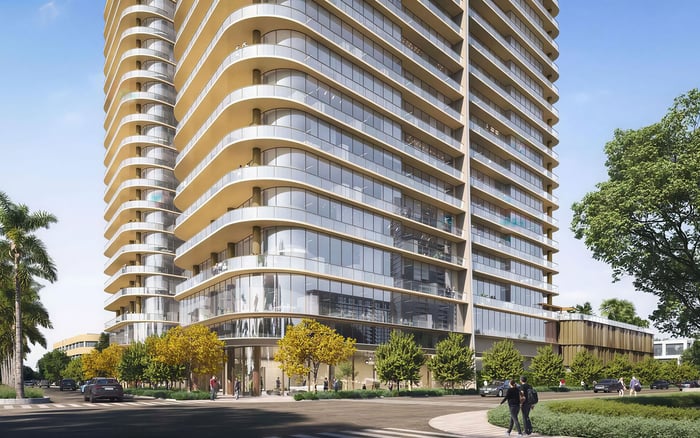
A discreet guide for wellness-minded South Florida buyers on aligning lifestyle-driven residential purchases with liquidity, portfolio financing, and long-term flexibility before signing.

South Florida’s wellness-driven residential market appeals to buyers who are acquiring more than square footage. The decision often includes light, privacy, air quality, fitness access, water views, walkability, spa culture, and the ability to live well between professional obligations and family commitments. Yet even the most refined lifestyle purchase can become unnecessarily constrained when the financial structure is treated as an afterthought.
For high-net-worth owners, the question is rarely whether they can buy. It is whether the acquisition is arranged to preserve control. Portfolio financing and liquidity planning matter because a wellness residence is often one part of a larger picture: operating businesses, marketable securities, trusts, private holdings, other homes, and future commitments that may not move on the same timetable as a closing.
This is especially relevant when the purchase is both an investment and a second home, or when new-construction timing changes the cadence of cash needs. A buyer considering The Well Bay Harbor Islands, for example, may be drawn to the wellness identity of the address. The better conversation begins before signing: how will the contract fit within the owner’s broader liquidity map?
Liquidity is not simply cash in a bank account. It is the owner’s ability to meet obligations without disrupting long-term strategy, selling assets at an inconvenient moment, or creating avoidable tax and estate-planning pressure. In luxury real estate, the most comfortable buyer is not always the one who pays all cash. It is the one who understands where every dollar comes from, what it costs, and what flexibility remains after closing.
Before signing, wellness-focused owners should look beyond the purchase price. The planning conversation should include deposits, closing costs, potential design upgrades, association obligations, insurance considerations, ongoing service costs, and the reserves required to enjoy the residence without feeling financially compressed. A beautiful home should not make an owner reactive.
Liquidity planning also helps distinguish desire from timing. A buyer may love Brickell for its energy and access, yet still benefit from structuring the acquisition so capital remains available for business opportunities, family planning, or additional real estate. When evaluating The Residences at 1428 Brickell, the financing conversation can be as important as the view, because lifestyle quality depends on ease, not strain.
Portfolio financing can be useful when a buyer’s wealth is sophisticated but not entirely liquid. Rather than viewing the property in isolation, the lender and advisory team may consider the broader asset base, income profile, pledged collateral options, and the owner’s overall relationship. The result can be a structure designed around flexibility instead of a conventional, one-dimensional mortgage conversation.
For some buyers, portfolio financing may help avoid selling appreciated assets simply to create cash. For others, it can support a smoother closing while a business transaction, liquidity event, or sale of another property remains in motion. It can also be relevant for owners whose income is complex, seasonal, or derived from sources that do not fit neatly into standard underwriting.
The point is not leverage for its own sake. The point is optionality. A wellness residence should enhance the owner’s life. If the financing structure quietly protects liquidity, reduces unnecessary disruption, and aligns with the family office or advisory strategy, the purchase begins from a stronger position.
Wellness-focused buyers often compare residences through a highly personal lens: morning routines, recovery spaces, access to water, food culture, privacy, and the ability to host without friction. These are legitimate priorities. But the premium attached to a preferred lifestyle should be tested through a practical model before emotions harden into a signed contract.
That model does not need to be theatrical. It should answer a few disciplined questions. How much liquidity remains after deposits and closing? What is the plan if markets soften during the contract period? If the residence is not occupied year-round, what are the carrying expectations? If the owner later chooses to sell, hold, or rent where permitted, what are the constraints?
In Miami Beach, where lifestyle considerations often revolve around sand, sea, privacy, and design, a property such as 57 Ocean Miami Beach may fit the wellness brief beautifully. Still, the owner’s calm depends on whether the capital plan is equally refined. The more personal the purchase, the more objective the financial analysis should be.
South Florida is not one market for the luxury buyer. Brickell, Miami Beach, Coconut Grove, Bay Harbor Islands, Palm Beach, Fort Lauderdale, and Boca Raton each attract different patterns of use. Some owners prioritize proximity to offices and private dining. Others want quiet residential streets, schools, boating, beach access, or a more restorative daily rhythm.
Those choices affect financing. A primary residence may be underwritten differently from a second home. A newly delivered condominium may create a different cash-flow profile from a resale home. A waterfront lifestyle may carry different ongoing obligations from an urban pied-à-terre. Even when the buyer is financially strong, each location and property type deserves its own liquidity review.
Coconut Grove often appeals to owners who want privacy, greenery, and a slower tempo within reach of the city. A buyer exploring The Well Coconut Grove should consider not only the wellness appeal, but also how the home will function within a multi-residence life. The best acquisition plan acknowledges both emotion and administration.
Before entering a contract, the buyer should ask the advisory team to pressure-test the purchase. What is the preferred source of funds? Is leverage useful or unnecessary? What happens if a planned asset sale takes longer than expected? Are there borrowing options secured by broader portfolio assets? How will the purchase affect short-term liquidity, investment allocations, and family governance?
The buyer should also clarify timing. Pre-closing obligations, inspection periods, financing contingencies, association review, and delivery schedules can all influence cash planning. For new construction, the date on a brochure is less important than a conservative liquidity plan that can tolerate movement. This is not pessimism. It is the financial equivalent of wellness: resilience built before stress appears.
The ideal outcome is a signed contract that feels quiet. The owner knows the capital path, the reserve position, the acceptable downside, and the reason for using or avoiding financing. That calm is its own luxury.
A refined financing plan does not diminish the romance of buying in South Florida. It protects it. When liquidity is considered early, the owner can focus on the home itself: arrival sequence, wellness rituals, family time, entertaining, privacy, service, and daily rhythm. Money becomes organized in the background, where it belongs.
For wellness-focused owners, this is the central principle. The residence should not merely look restorative. It should be acquired in a way that preserves mental space. A portfolio-aware plan can help the owner remain opportunistic, private, and unhurried, even while moving decisively in a competitive luxury environment.
In the highest tier of the market, sophistication is not loud. It is the ability to make a major lifestyle decision without sacrificing optionality. Before signing in South Florida, the most important amenity may be the one no guest ever sees: liquidity.
Why should a wellness-focused buyer think about financing early? The lifestyle benefits of a residence are easier to enjoy when liquidity, timing, and reserves are clear before signing.
Is portfolio financing only for buyers who need a mortgage? No. It can be a strategic tool for owners who could pay cash but prefer to preserve flexibility across a broader asset base.
What makes liquidity different from net worth? Net worth measures overall value, while liquidity measures how readily funds can be accessed without disrupting other plans.
Should a cash buyer still model financing options? Yes. Comparing cash and financing can reveal which path best protects optionality, privacy, and long-term strategy.
How does new construction change the planning process? It may involve staged obligations and timing considerations, so buyers should maintain reserves and avoid relying on a narrow cash schedule.
Does a second home require a different liquidity review? Often, yes. Owners should consider carrying costs, occupancy patterns, and how the home fits with other residences.
What should be included in a pre-signing financial model? Purchase funds, deposits, closing costs, reserves, ongoing costs, and alternative scenarios if timing changes should all be considered.
Can portfolio financing help avoid selling investments? It may, depending on the owner’s balance sheet, collateral, advisory structure, and lender terms.
Why is Brickell different from a quieter residential area? Use patterns, property type, service expectations, and ownership goals can vary, which may influence the financing strategy.
What is the simplest rule before signing? Do not let a wellness purchase create financial tension; the acquisition plan should feel as composed as the home itself.
For a discreet conversation and a curated building-by-building shortlist, connect with MILLION.
If branded residences are on your mind — as a home or as an allocation — we would be glad to share what we are seeing, privately.
Begin a quiet conversation