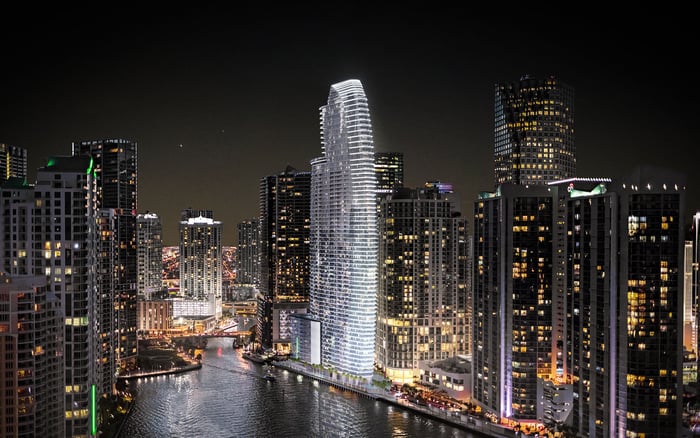
Family-office conference season can sharpen the logic for a Downtown Miami pied-à-terre by revealing how often private-capital travel, meetings, dining, and cultural access converge in the urban core.
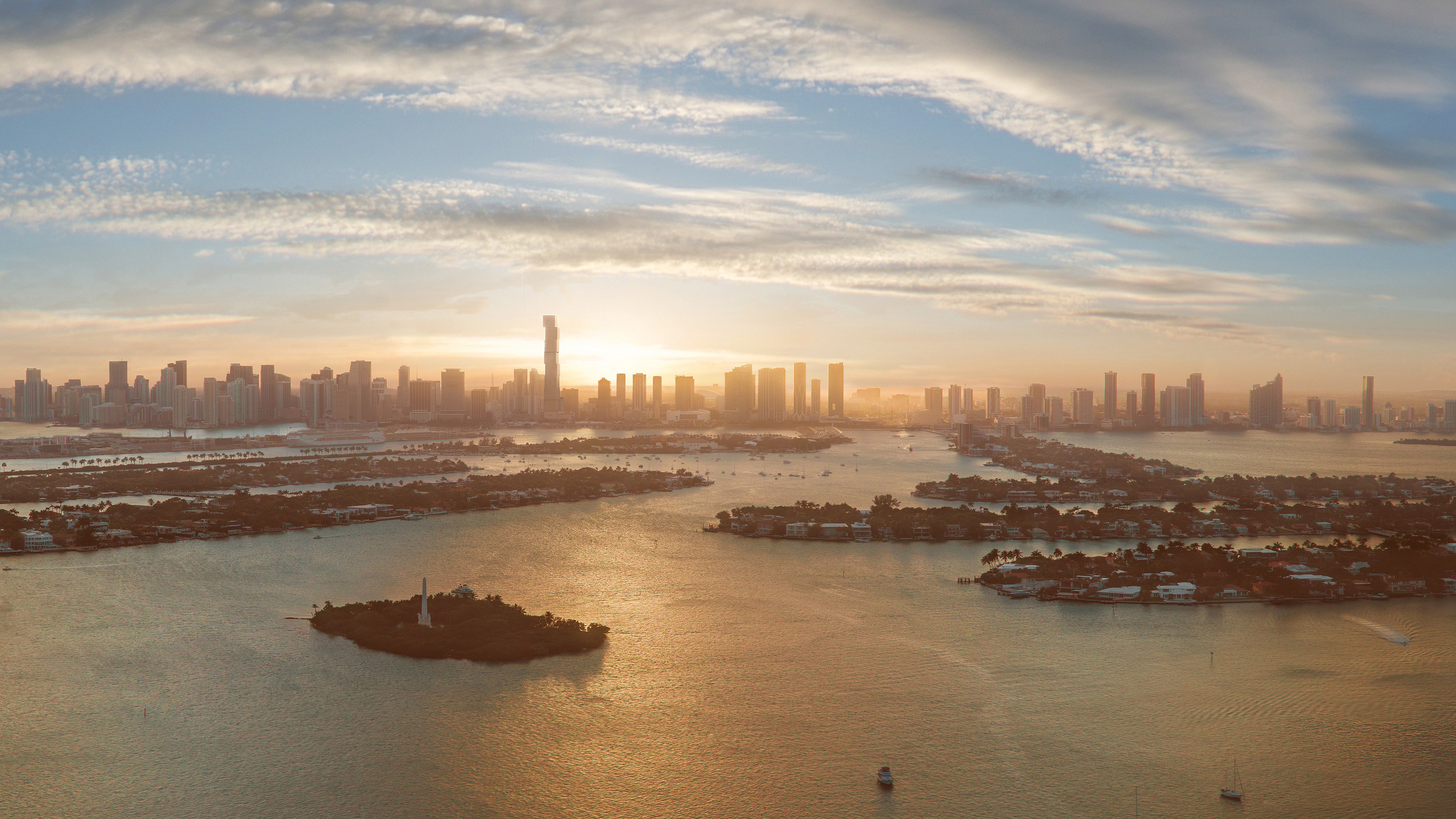
For a family-office principal, conference season is not simply a social calendar. It is a recurring test of logistics, discretion, and proximity. A well-chosen South Florida pied-à-terre should make those days feel effortless: arrive without friction, move between meetings without overexposure, host quietly when appropriate, and retreat to a residence that feels personal rather than transient.
Downtown Miami is compelling in this context because it sits near the center of many private-capital, cultural, culinary, and waterfront routines. The objective is not to chase every event. It is to own a base that remains useful when the agenda changes by the hour. For some buyers, that is the distinction between a beautiful occasional apartment and a genuinely better-positioned asset.
During conference-heavy weeks, the shortcomings of a poorly located residence become clear. A long transfer, inconvenient parking sequence, undersized private arrival, or lack of adaptable entertaining space can turn a short stay into a compromise. The best pied-à-terre decisions begin with an honest question: where does the owner need to be when the week becomes dense?
South Florida offers many forms of luxury, from oceanfront calm to gated privacy and resort-style waterfront living. Downtown Miami serves a different purpose. It is an urban base for owners whose visits combine business, philanthropy, culture, family, dining, and short-notice meetings. That makes it especially relevant for buyers who expect a pied-à-terre to function beyond weekends and holidays.
A Downtown residence can also reduce dependence on hotel suites during peak demand periods. For families and offices that return to Miami repeatedly, control matters. Personal wardrobes, secure storage, familiar staff protocols, preferred technology settings, and a private rhythm all become part of the value proposition. A pied-à-terre is not just square footage. It is continuity.
This is why new construction in the Downtown corridor deserves attention from wealth buyers who value contemporary building systems, elevated amenities, and residences conceived for modern lock-and-leave living. Projects such as Waldorf Astoria Residences Downtown Miami speak to the appeal of a central address that pairs skyline presence with a high-service residential concept.
A better-positioned pied-à-terre should be evaluated through the lens of actual use. How quickly can the owner enter the residence after landing? Is the route to Brickell direct enough for a breakfast meeting? Can guests arrive discreetly? Does the building support private dining, wellness, and a quiet place to reset between appointments? Is there enough separation between family life and hosting?
The best answers are often personal. One buyer may prioritize a high-floor residence with a dramatic view and hotel-caliber services. Another may care more about a gracious terrace, a flexible den, and swift access to a boardroom. A third may want a residence that can serve adult children, visiting relatives, or an advisor traveling ahead of the principal.
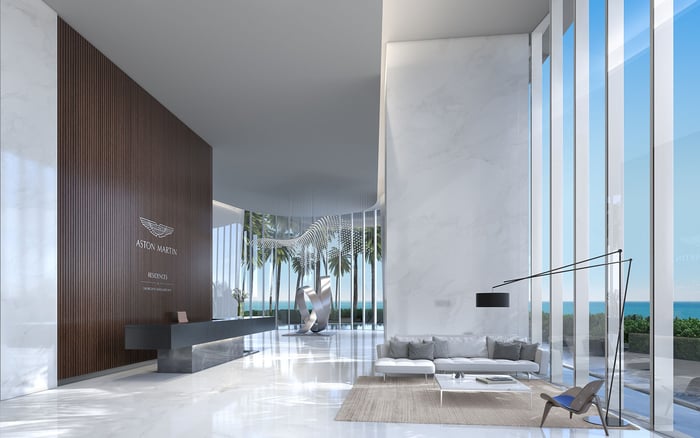
Downtown options such as Aston Martin Residences Downtown Miami demonstrate why branded and design-led towers can be part of the conversation. For the right owner, the appeal lies not only in architecture or name recognition, but in the way a building can simplify repeated arrivals and departures.
Brickell remains central to many finance, legal, dining, and private-meeting patterns in Miami. For a family office, proximity to Brickell can convert a pied-à-terre from occasional convenience into a strategic base. The residence does not need to sit directly in the busiest pocket, but it should make movement to and from Brickell feel natural.
That adjacency gives buyers a wider field of choice. A principal can consider Downtown for skyline and waterfront orientation while maintaining quick access to Brickell’s business energy. Conversely, a buyer may decide that Brickell itself is the more efficient answer, especially when the week revolves around meetings, dinners, and introductions within a compact radius.
Residences such as St. Regis® Residences Brickell and The Residences at 1428 Brickell illustrate the kind of alternatives that can appeal to buyers who want prestige, services, and a more business-adjacent daily pattern. The distinction is subtle but important: Downtown may offer broader urban reach, while Brickell can offer sharper business proximity.
A pied-à-terre tied to conference season should not be purchased as an impulse reaction to a difficult hotel week. It should be underwritten as a lifestyle and investment decision with multiple use cases. Consider who will use the residence, how frequently, and whether it must accommodate private staff, security preferences, visiting family, or business guests.
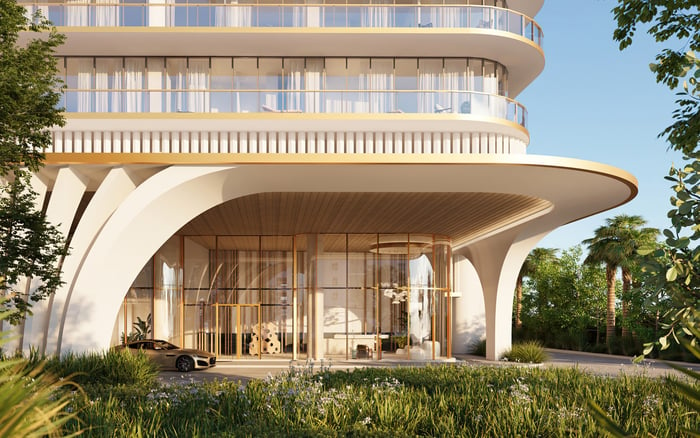
Privacy deserves particular attention. Some buyers want a building with a strong hospitality layer, while others prefer a quieter residential feel with less public energy. Amenities should be assessed for practical value, not brochure value. A wellness suite, meeting room, private dining space, or well-managed valet sequence may matter more than amenities that photograph beautifully but are rarely used.
The phrase second home can also be too modest for this category. For many ultra-high-net-worth owners, the South Florida pied-à-terre is a command post, a decompression chamber, and a place to maintain presence without the burden of a full estate. It may support business relationships, family continuity, and personal comfort in equal measure.
Conference season can create urgency, but the strongest purchase logic is durable. A Downtown Miami pied-à-terre should work during busy weeks, quiet weeks, and unexpected returns. It should make Miami easier to use, not merely easier to visit.
Buyers should be wary of selecting solely for spectacle. Views, finishes, and brand cachet matter, but they should serve the owner’s pattern of life. The residence should offer enough calm to feel restorative and enough proximity to make the city feel immediately available. That balance is where the real luxury sits.
For family offices, the most persuasive case is not that Downtown Miami is fashionable. It is that the right residence can reduce friction across recurring South Florida travel. When a principal can arrive, meet, host, rest, and depart with fewer compromises, the pied-à-terre becomes a strategic piece of personal infrastructure.
Why does conference season matter when choosing a Downtown Miami pied-à-terre? It reveals the owner’s actual movement patterns, from meetings and dinners to private downtime. A residence that performs well during a demanding week is more likely to remain useful year-round.
Is Downtown Miami better than Miami Beach for a family-office buyer? It depends on the primary use case. Downtown is often more practical for urban access, while Miami Beach may appeal more to buyers prioritizing resort atmosphere and ocean proximity.
How important is Brickell access? Brickell access can be highly important when the visit includes finance, advisory, legal, or private dining commitments. It should be evaluated as part of the daily logistics, not as a map exercise alone.
Should a pied-à-terre be treated as an investment? It can be, but the first measure should be utility for the owner. Strong positioning, quality, and ease of use can support both lifestyle value and long-term ownership confidence.
What amenities matter most for this type of residence? Practical amenities often matter most, including wellness, private dining, meeting areas, secure arrival, and attentive building management. The goal is to reduce friction during short stays.
Is new construction preferable for a lock-and-leave buyer? New construction may appeal to buyers seeking contemporary layouts, current systems, and modern service programming. The right choice still depends on location, privacy, and building culture.
How large should a South Florida pied-à-terre be? Size should follow use. A principal who hosts guests or family may need more separation, while a solo traveler may value efficiency, views, and services over expansive square footage.
Can a pied-à-terre support family-office entertaining? Yes, if the layout, building policies, and amenity spaces support discreet hosting. Buyers should assess arrival, guest flow, catering practicality, and noise separation before committing.
When should a buyer compare Downtown with Brickell? The comparison should happen early. Downtown may offer broader cultural and waterfront access, while Brickell may better serve a schedule centered on business meetings and dining.
What defines a better-positioned pied-à-terre? It is the residence that best aligns with the owner’s repeatable travel patterns. Location, privacy, services, and flexibility matter more than a single headline feature.
When you're ready to tour or underwrite the options, connect with MILLION.
If branded residences are on your mind — as a home or as an allocation — we would be glad to share what we are seeing, privately.
Begin a quiet conversation