A buyer-focused guide to evaluating lock-and-leave confidence at Kempinski Residences Miami Design District, with practical questions on security, storm readiness, insurance, governance, and long-term ownership.
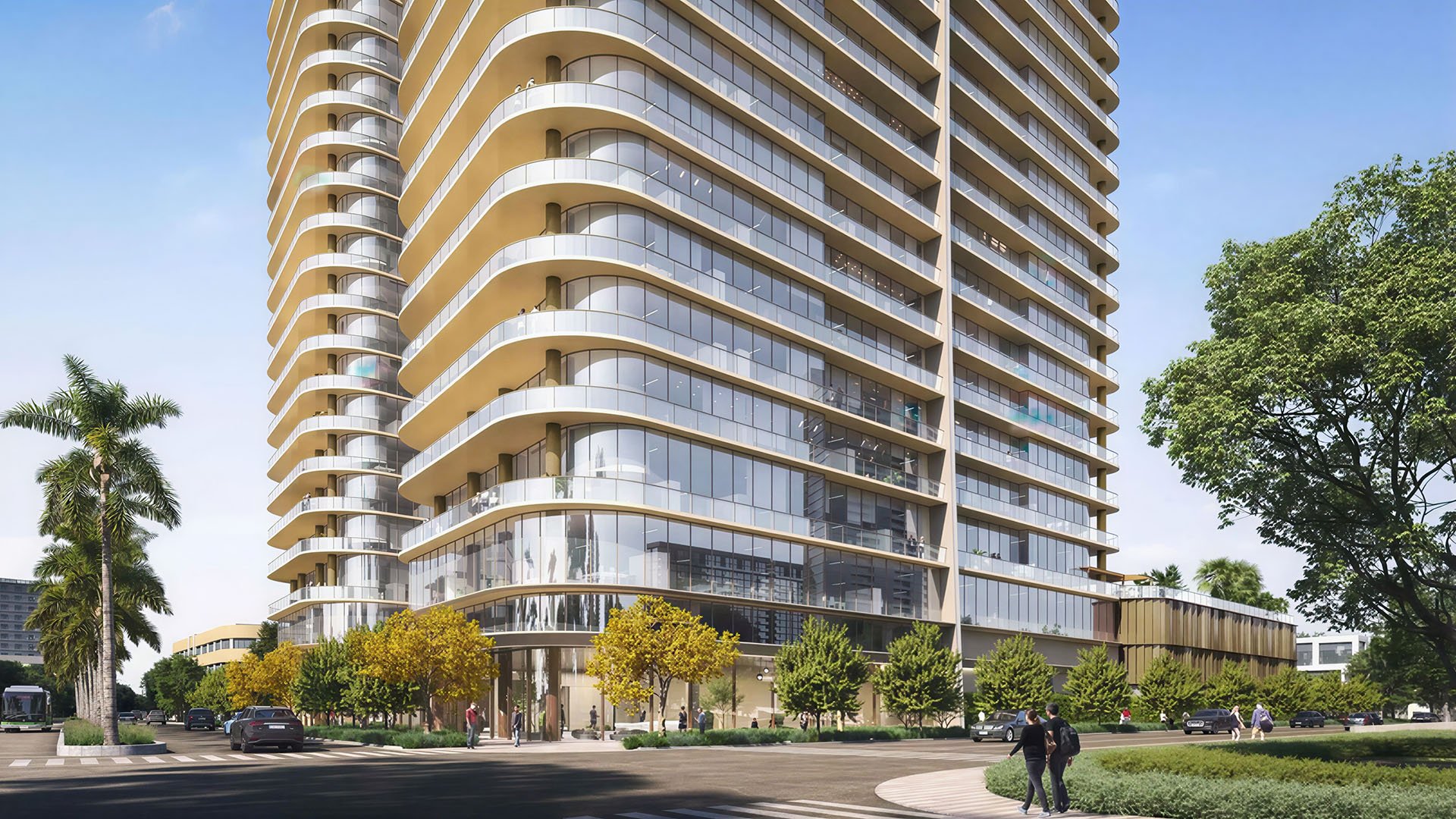
For buyers considering Kempinski Residences Miami Design District, lock-and-leave confidence should mean more than a beautiful lobby, a recognizable hospitality name, or the reassuring language of white-glove service. It is the practical assurance that a residence can remain unoccupied for days, weeks, or months while the owner stays informed, protected, and operationally supported.
In South Florida, that standard carries unusual weight. Many ultra-premium buyers live between cities, travel internationally, or maintain a second home for seasonal use. Others approach the purchase partly through an investment lens, where condition preservation, predictable association practices, and resilient building operations matter as much as finishes. A buyer comparing new-construction options in Brickell, Miami Beach, Coconut Grove, and the Design District should ask not only what the residence offers when occupied, but how it performs when no one is home.
The first question is not whether the building has security. Most luxury buyers will assume a premium residential environment includes controlled access and staffed oversight. The more valuable inquiry is how the system functions in daily practice. Who may enter the building? Who may access the unit? How are guests, contractors, housekeepers, art handlers, personal assistants, and delivery personnel verified?
For a lock-and-leave owner, access control must be precise without becoming burdensome. Ask whether entry permissions can be scheduled, limited, revoked, and documented. Ask how emergency access is handled if an owner is overseas or unreachable. Ask whether the association, management team, or designated staff can perform visual checks after a storm, leak alert, power interruption, or maintenance visit.
The strongest answer is not a broad promise. It is a written chain of responsibility. Buyers should understand where the building’s duty ends and where the owner’s private staffing, insurance, or property manager begins.
A residence can be secure and still remain vulnerable. Water intrusion, humidity, mechanical failure, electrical interruptions, and unnoticed maintenance issues are the quiet risks of absence. In Miami’s climate, the most important operational questions often begin with air conditioning, moisture, plumbing, and monitoring.
Ask how owners are expected to maintain climate settings while away. Ask whether management provides absence-check procedures, water-shutoff guidance, or recommended vendor protocols. If smart-home systems are offered or permitted, confirm whether alerts are monitored by the owner alone or can be shared with an authorized representative.
Buyers with art, wine, couture, collectible design, or sensitive materials should be especially specific. The question is not simply whether the residence is luxurious. It is whether the building’s rules, vendor policies, elevator access, loading procedures, and service corridors can support the care of valuable possessions without improvisation.
South Florida ownership always requires a storm conversation. A lock-and-leave buyer should approach hurricane readiness with calm precision, not anxiety. Ask what procedures apply when a storm watch or warning is issued. Ask how the building communicates with owners, how exterior areas are secured, and whether residents are expected to take any unit-level actions before leaving town.
Balconies and terraces deserve particular attention. Outdoor furniture, planters, decorative objects, and equipment can become liabilities if protocols are unclear. Buyers should understand whether the association sets seasonal rules, whether owners must remove or secure items, and what happens if an owner is absent when a storm approaches.
Power continuity is another key area. Ask how essential building systems are prioritized, which services continue during an outage, and how residents receive updates. Avoid assuming every branded or luxury property operates the same way. The details of backup systems, staffing plans, communications, and post-storm inspection practices are what create true confidence.
Lock-and-leave ownership is also a financial question. In a condominium environment, individual owners depend on a larger structure of governance, insurance, maintenance, budgeting, and reserve planning. A beautiful residence can become less effortless if association costs are volatile, reserves are thin, or future repairs are poorly anticipated.
Before signing, buyers should have their advisors review governing documents, budgets, reserve policies, insurance responsibilities, and the division between association coverage and unit-owner coverage. Ask which elements are maintained by the association and which remain the owner’s obligation. Ask how deductibles, special assessments, and capital projects are addressed.
This is not merely defensive. Strong governance protects lifestyle. When building systems are maintained, reserves are planned, and responsibilities are clearly allocated, a buyer can leave with fewer unknowns. In the ultra-premium tier, operational discipline is part of the architecture.
The most overlooked lock-and-leave issue may be governance. Rules on leasing, pets, deliveries, renovations, service providers, amenity access, and guest usage all shape how flexible a residence feels when the owner is away. For some buyers, the key question is privacy. For others, it is the ability to let family use the residence, receive shipped items, or coordinate repairs remotely.
Ask how communications are delivered and documented. Ask whether the board or management can act quickly during urgent maintenance issues. Ask how disputes over access, noise, vendors, or unit condition are escalated. A building may have elegant amenities, but the owner experience is ultimately defined by the clarity and consistency of its rules.
Buyers should also consider cultural fit. Some associations favor highly formal environments with strict controls. Others are more flexible but may rely on owner initiative. Neither model is inherently superior. The right answer depends on how often the owner will be absent and how much control they wish to delegate.
A serious buyer should organize questions into five categories: access, monitoring, resilience, governance, and cost. In access, confirm exactly who can enter and under what written authority. In monitoring, identify which systems can alert the owner or an authorized representative. In resilience, focus on storm procedures, power continuity, and post-event inspection. In governance, review rules that affect absence, guests, and vendors. In cost, examine insurance, reserves, assessments, and recurring ownership obligations.
The most confident purchase decisions are rarely based on a single amenity. They come from understanding how the building performs as a managed environment. Kempinski Residences Miami Design District may appeal to buyers drawn to brand, location, design, and service. The deeper question is whether the operating structure supports the reality of their life.
For South Florida’s global buyer, lock-and-leave confidence is the luxury of not needing to wonder. It is knowing who has access, what happens in an emergency, how the residence is protected, and how the building makes decisions when owners are away.
What does lock-and-leave mean for a luxury condo buyer? It means the residence can remain unoccupied with clear systems for access, security, maintenance, communication, and emergency response.
Why is lock-and-leave confidence especially important in Miami? Miami’s climate, storm exposure, humidity, and seasonal ownership patterns make operational planning essential for absent owners.
What should buyers ask about security? Ask who may enter the building and residence, how permissions are recorded, and how emergency access is handled.
Should owners rely only on building management while away? Not necessarily. Many buyers also use private property managers, assistants, or household staff, depending on the residence and ownership style.
What unit-level systems matter most during absence? Air conditioning, water shutoff, leak detection, electrical continuity, humidity control, and remote alerts are among the key considerations.
How should buyers evaluate hurricane readiness? Ask for specific procedures on owner communication, terrace preparation, building staffing, power continuity, and post-storm inspections.
Why do reserves matter to lock-and-leave owners? Reserves help support long-term maintenance and can reduce uncertainty around future capital needs or unexpected building costs.
Can association rules affect remote ownership? Yes. Rules on vendors, guests, deliveries, leasing, renovations, and amenity use can significantly shape the owner experience.
Is a branded residence automatically easier to leave unattended? Not automatically. Buyers should review the actual operating protocols, documents, staffing practices, and owner responsibilities.
What is the best way to shortlist comparable options for touring? Start with location fit, delivery status, and daily lifestyle priorities, then compare stacks and elevations to validate views and privacy.
When you're ready to tour or underwrite the options, connect with MILLION.
If branded residences are on your mind — as a home or as an allocation — we would be glad to share what we are seeing, privately.
Begin a quiet conversation