A family-focused due diligence guide for evaluating South Flagler luxury residences through the lens of school-age children, daily logistics, privacy, amenities, governance, and long-term flexibility.
South Flagler can seduce quickly. The water, the approach, the architecture, and the proximity to Palm Beach create a polished first impression. For buyers with school-age children, however, the right first question is not which view is best. It is whether the address can sustain the rhythm of a real family day without eroding the calm that made it compelling in the first place.
A luxury residence on or near South Flagler should be pressure-tested like a private operating system. School runs, tutors, coaches, visiting grandparents, drivers, household staff, sports equipment, and quiet study time all have to move through the home and building with grace. A residence may be architecturally exceptional and still be wrong for a family if the morning exit, afternoon return, elevator experience, parking choreography, or building culture creates friction five days a week.
This is especially important for buyers considering West Palm Beach as a primary base rather than a seasonal pied-a-terre. The most successful purchase is rarely the most dramatic one on paper. It is the one where a child can get to school predictably, return comfortably, and grow into the residence over several academic years.
For families, school proximity is not measured in miles. It is measured in predictability. Before committing to a South Flagler residence, test the drive at the exact times your household will use it: early morning drop-off, afternoon pickup, after-school activity windows, and rainy-day conditions. If a child has multiple campuses, sibling schedules, or specialized programming, test every route separately.
The most revealing exercise is a full rehearsal. Leave from the building lobby or garage, not from a nearby café. Use the parking access you would actually use. Note whether valet protocols, service entrances, guest parking, and garage ramps add hidden minutes. Then repeat the exercise after school, when fatigue, sports gear, and homework can change the tone of the day.
Private-school admissions should also be treated as a parallel track, not an afterthought. A desired address does not guarantee enrollment, timing, or transportation ease. Families should understand application calendars, interview logistics, sibling considerations, and contingency schools before the real estate contract becomes emotionally irreversible.
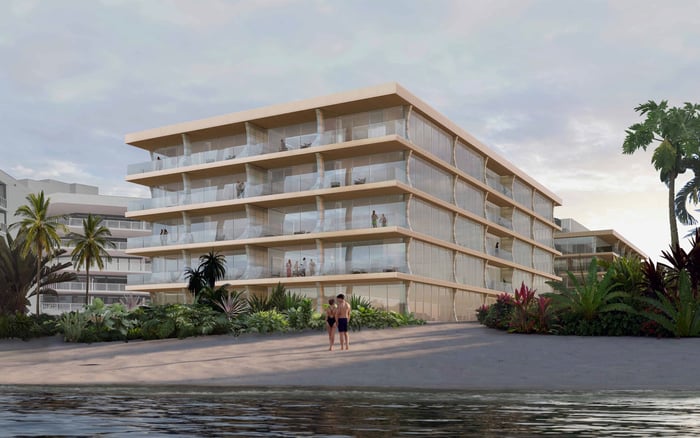
South Flagler residences vary in scale, tone, and daily experience. A boutique building may offer discretion and calm, while a larger amenity-rich property may provide more staff depth and flexibility. Neither is universally better. The question is which one fits the family’s actual pattern.
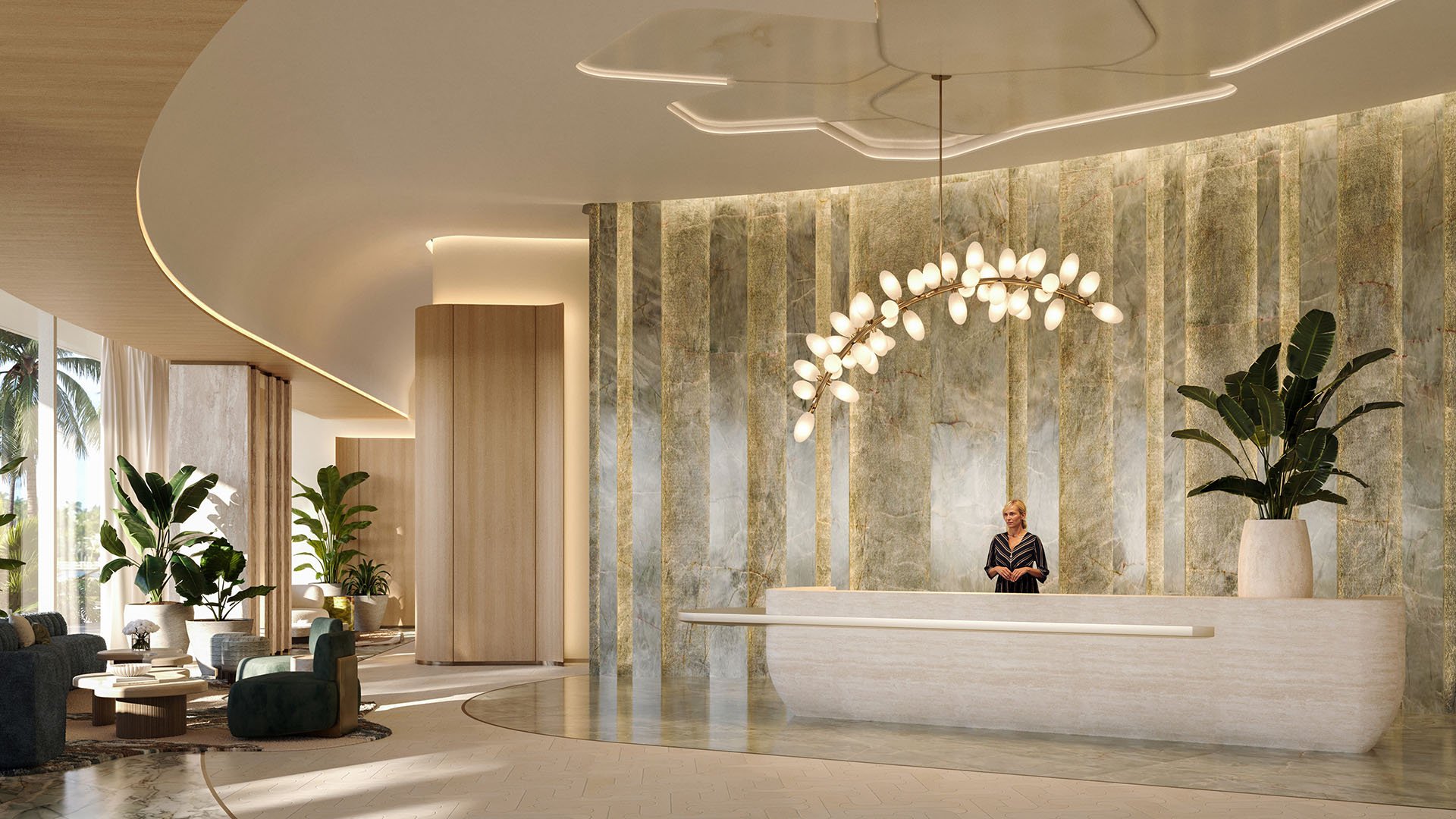
At South Flagler House West Palm Beach, a buyer should look beyond the prestige of the address and examine the sequence from arrival to residence. Where does a child enter after practice? Where does a driver wait? How are tutors, therapists, and coaches cleared? Can a teen return independently without the experience feeling exposed?
Families touring Forté on Flagler West Palm Beach should pay particular attention to daily circulation. The best residences for children often have a quiet logic: a place for backpacks that is not the formal entry, enough bedroom separation for study and sleep, and service access that does not disturb family routines.
For buyers considering Shorecrest Flagler Drive West Palm Beach, the family test should include noise patterns, elevator wait times, parking convenience, and how the building handles guests during peak social hours. A home that feels serene during a scheduled midday tour may perform differently during school pickup, dinner departures, or holiday weekends.
A beautiful floor plan is not necessarily a family floor plan. Parents of younger children may want bedrooms close enough for comfort, while families with teenagers may prefer separation, acoustic privacy, and flexible dens. The right plan should allow the household to mature without forcing a renovation too soon.
Look for a study zone that is neither isolated nor in the path of every conversation. Evaluate where a tutor would sit, where a child would practice music, and whether a family room can absorb daily life without turning the formal living space into a staging area. If the home has expansive terraces, consider supervision, furniture placement, wind exposure, and how those areas will be used on school nights, not only when entertaining.
Storage is often the quiet differentiator. Sports equipment, uniforms, instruments, seasonal clothing, beach gear, and school projects can overwhelm even a large residence if the plan relies too heavily on display space. Ask about private storage, bicycle protocols, package handling, and the practical distance between the garage, elevator, residence, and any storage rooms.
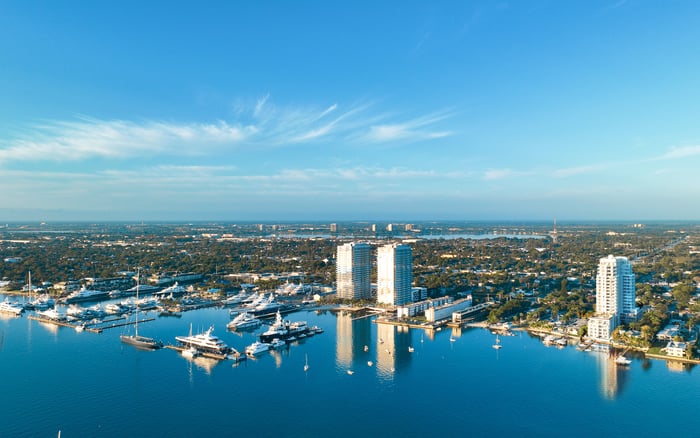
South Flagler is not only about waterfront living. It is also about access to cultural, dining, medical, airport, and Palm Beach amenities while maintaining a residential cadence. For school-age families, that wider ecosystem matters. Pediatric appointments, orthodontists, enrichment programs, sports clubs, weekend friends, and family dinners all shape the quality of the address.
A building such as Alba West Palm Beach may enter the conversation for buyers comparing the South Flagler lifestyle with other West Palm Beach residential options. The right comparison is not merely view versus view. It is whether the neighborhood pattern supports the child’s full week.
Some families build a simple internal scorecard with labels such as West Palm Beach, private school, new construction, commute, storage, privacy, and resale flexibility. The language is plain, but the exercise is sophisticated. It forces the buyer to separate glamour from function and to rank the features that will matter on an ordinary Tuesday.
Condominium rules can be as important as finishes. Families should review policies for domestic staff, drivers, tutors, recurring guests, minors using amenities, guest suites, deliveries, pets, bicycles, scooters, and service providers. A rule that seems minor during contract review can become a weekly inconvenience once school begins.
Ask how the building handles after-hours arrivals, school friends, group study sessions, and visiting relatives. If a child will have a nanny, driver, or caregiver, confirm credentialing procedures and access protocols early. If the household travels often, understand how the building manages an occupied-looking residence, package accumulation, maintenance visits, and emergency contacts.
Amenities should be judged by usability, not brochure language. A pool may be beautiful but not suited to family afternoons. A fitness room may be elegant but unavailable to younger teens. A lounge may be impressive but not appropriate for homework or supervised social time. The goal is to know where children belong within the building, and where they do not.
A family purchase should be evaluated across academic years. A child in lower school may eventually need more independence, a different commute, or a quieter study environment. A middle school student may soon have evening practices, social plans, and more frequent rides. A high school student may require room for test preparation, college visits, and a different level of autonomy.
Resale also deserves a family-focused lens. Future buyers may ask many of the same questions: school access, bedroom count, parking, storage, privacy, and daily ease. A residence that answers those questions elegantly can hold broader appeal than one that relies only on spectacle.
The most disciplined buyers do not reject emotion. They simply make emotion prove itself against daily life. On South Flagler, that means standing in the garage at school-run hour, watching the lobby at pickup time, measuring the calm of the bedroom wing, and asking whether the home can support both childhood and adult refinement.
Should schools be the first factor when buying on South Flagler? Schools should be a primary factor, but not the only one. The stronger test is how school choice, commute, building access, and home layout work together.
Is a waterfront residence practical for children? It can be, if the building and floor plan support supervision, storage, privacy, and predictable daily movement. The view should not distract from those fundamentals.
How many times should a family test the school commute? At least during morning drop-off and afternoon pickup windows. Families with sports, tutoring, or multiple children should test additional routes.
What should buyers ask a condo association before purchasing? Ask about minors using amenities, recurring guests, staff access, package handling, guest parking, pets, and service provider protocols. These rules shape daily family life.
Is new construction better for families? Not automatically. Newer buildings may offer modern systems and amenities, but the floor plan, governance, storage, and access matter more than age alone.
Should children attend showings? Older children can offer useful observations about bedrooms, study areas, and comfort. Younger children may be better included on a second visit after adults narrow the options.
How important is parking for school-age families? Very important. Drivers, carpools, sports gear, guests, and rainy-day pickups can turn parking convenience into a daily quality-of-life issue.
What floor plan features matter most? Bedroom separation, a flexible den, strong storage, acoustic privacy, and an informal family area are especially valuable. Formal rooms alone rarely solve school-year needs.
Should buyers prioritize proximity to Palm Beach or schools? The answer depends on the household’s weekly pattern. A balanced address should make both adult routines and children’s schedules feel manageable.
When should school planning begin in the purchase process? It should begin before the contract stage. Admissions timing, transportation, and backup options should be understood before emotional attachment sets in.
When you're ready to tour or underwrite the options, connect with MILLION.
If branded residences are on your mind — as a home or as an allocation — we would be glad to share what we are seeing, privately.
Begin a quiet conversation