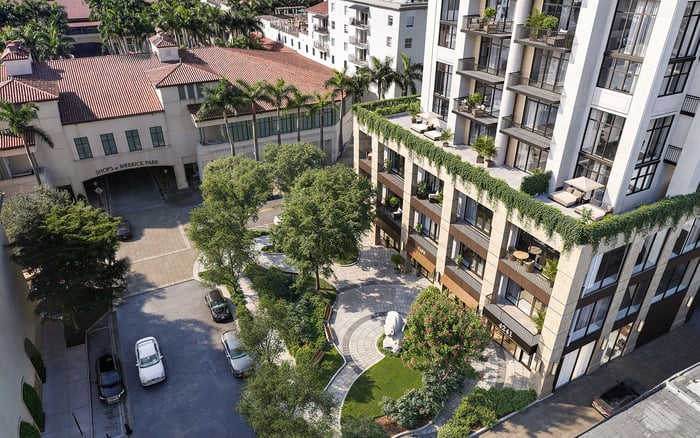
The Village at Coral Gables makes a nuanced liquidity case for luxury buyers who want architectural character without treating resale as an afterthought. Its appeal rests on Coral Gables demand, boutique scarcity, and the ability of a specialized concept to feel timeless rather than narrow.
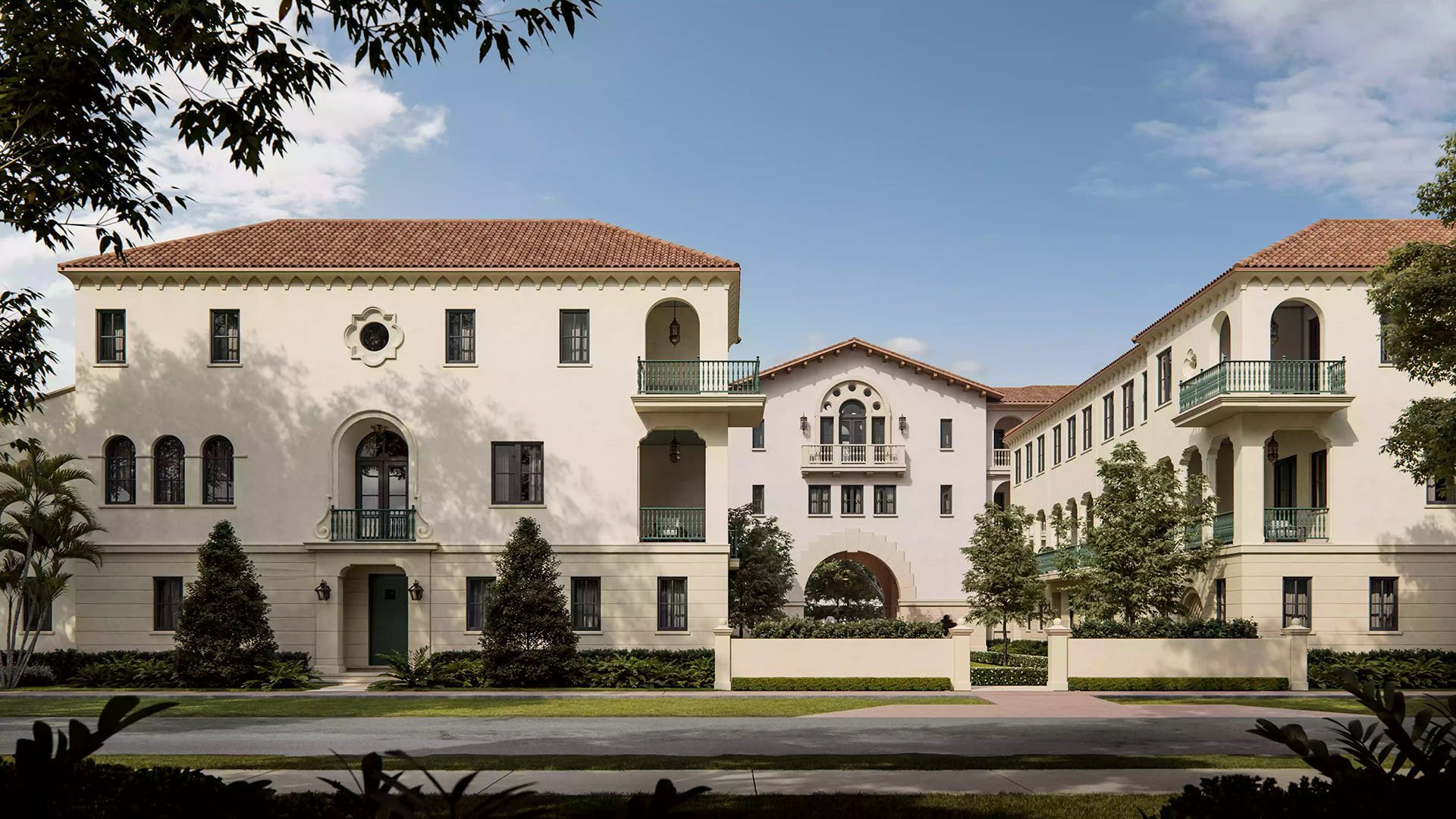
For luxury buyers, resale liquidity is often framed as the province of the most standardized, easily comparable residences. That view overlooks an important segment of the South Florida market: buyers who want distinction, but still expect a rational path to an eventual exit. The Village at Coral Gables belongs in that conversation because its core proposition is not mass appeal for its own sake. It is a specialized, character-rich residential concept in Coral Gables, positioned as an alternative to more generic luxury condominium inventory.
The important word is not guaranteed. Liquidity in a specialized building is never automatic. The more disciplined thesis is this: if a project is distinctive enough to create scarcity and emotional attachment, yet familiar enough to attract a broad future buyer pool, it may offer a compelling balance between personal enjoyment and exit flexibility. That is the lens through which The Village at Coral Gables deserves to be evaluated.
The Coral Gables setting matters because liquidity is rarely only about the residence itself. It is also about the durability of the address and the depth of end-user demand. Coral Gables has enduring appeal among luxury buyers who value architectural identity, neighborhood continuity, and a more established residential rhythm than many high-rise corridors across greater Miami.
That local context helps explain why buyers comparing Cora Merrick Park and Ponce Park Coral Gables may look beyond simple square-foot metrics. In a market where lifestyle fit matters, a property that feels aligned with the character of its surroundings can be easier for future buyers to understand. The Village at Coral Gables is not being positioned as another anonymous tower option. Its Coral Gables identity is central to why it may remain memorable when resale buyers begin comparing alternatives.
One challenge in generic tower inventory is that resale competition can become very literal. Similar plans, similar views, and similar amenity packages can compete directly, leaving pricing more exposed to near-identical alternatives. The Village at Coral Gables takes a different route. Its lower-scale, boutique positioning offers a more specialized experience than the large luxury condo towers common across greater Miami.
That specialization can be valuable when future buyers specifically want the architectural or lifestyle experience the building provides. In that scenario, fewer direct substitutes may support attention at resale. The point is not that every niche building is liquid. The point is that a well-conceived niche can become a form of scarcity, particularly when tied to a location with real end-user depth.
For buyers who follow design and architecture closely, this is the central attraction. The property is intended to feel differentiated without becoming difficult to place in the market. That balance is subtle, and it is exactly why the project belongs on a shortlist rather than being treated as a universal answer.
Specialized buildings carry their own underwriting questions. Smaller transaction volume can mean fewer resale data points, which makes pricing signals less frequent and sometimes less obvious. In a large tower, an owner may be able to point to a recent sale of a nearly comparable residence. In a boutique-style development, the right comparison may require more judgment.
There is also a qualitative risk. A specialized concept helps liquidity only if it broadens demand through uniqueness rather than narrowing demand through overly niche appeal. If a building feels too polarizing, too trend-dependent, or operationally burdensome, the buyer pool can thin. The best resale case for The Village at Coral Gables depends on the opposite: a product concept that remains timeless, adaptable, and emotionally resonant.
This is why resale-minded buyers should evaluate the building through both aesthetic and practical filters. Beauty matters, but so does usability. Scarcity matters, but so does market legibility. A future buyer should be able to understand the value quickly, even if the offering is not conventional.
A disciplined buyer should ask one central question: does The Village’s specialization broaden the future audience or narrow it? If the answer is broadening, the project’s character becomes a strategic asset. If the answer is narrowing, the buyer should be more cautious about exit assumptions.
The most relevant diligence starts with buyer-pool logic. Who is the next owner likely to be? A Coral Gables end-user seeking architectural differentiation? A downsizer who wants a more intimate residential environment? A buyer who prefers lower-scale living over the verticality of a tower? The stronger the number of plausible buyer profiles, the better the liquidity argument becomes.
Comparable context is also useful. Buyers looking across The Lincoln Coconut Grove or 2200 Brickell are often weighing more than location alone. They are deciding how much they value design identity, neighborhood fit, scale, and future market clarity. The Village at Coral Gables should be assessed the same way: not as a purely emotional purchase, and not as a purely financial instrument.
For new-construction buyers, the most prudent posture is probability-based. The Village at Coral Gables may be less commoditized than broad tower inventory, and constrained architecturally aligned local supply could help preserve resale interest. But the exit case still depends on pricing, execution, maintenance, and whether the concept continues to feel relevant when the next buyer arrives.
The Village at Coral Gables belongs on the shortlist because it addresses a real luxury-buyer tension: the desire for something distinctive without giving up resale discipline. Its Coral Gables location, boutique-style positioning, and differentiated residential concept give it a credible liquidity narrative. The correct conclusion is not that resale is assured. It is that the project is worth serious consideration for buyers who understand that the most durable luxury assets often combine scarcity with broad emotional appeal.
For the right buyer, the opportunity is not simply to own something different. It is to own something different enough to stand apart, but coherent enough to remain legible to the next sophisticated buyer.
Why should resale-focused buyers consider The Village at Coral Gables? It pairs a distinctive Coral Gables residential concept with a location that has enduring appeal for luxury end-users.
Is The Village at Coral Gables a standard high-rise tower? No. It is positioned as a niche, boutique-style development rather than a conventional large luxury tower.
Does specialization help or hurt liquidity? It can help when it creates scarcity and emotional appeal, but it can hurt if the concept becomes too narrow or polarizing.
Is resale liquidity guaranteed here? No. The liquidity case is probability-based and depends on location, differentiation, pricing, execution, and future buyer depth.
Why does Coral Gables matter for exit flexibility? Coral Gables supports the thesis because it has established appeal among luxury end-users who value character and neighborhood identity.
What is the main risk with a boutique project? Smaller transaction volume can create fewer resale data points, making pricing signals less frequent than in larger buildings.
How should buyers evaluate the design concept? They should ask whether the architecture feels timeless and adaptable rather than trend-dependent or overly personal.
What makes The Village less commoditized? Its specialized, lower-scale character may reduce direct competition from near-identical tower residences at resale.
Who is the likely future buyer pool? The future pool may include end-users seeking Coral Gables character, architectural differentiation, and a more boutique residential experience.
What is the key diligence question before purchasing? Determine whether the project’s uniqueness broadens future demand or narrows it into a very specific niche.
To compare the best-fit options with clarity, connect with MILLION.
If branded residences are on your mind — as a home or as an allocation — we would be glad to share what we are seeing, privately.
Begin a quiet conversation