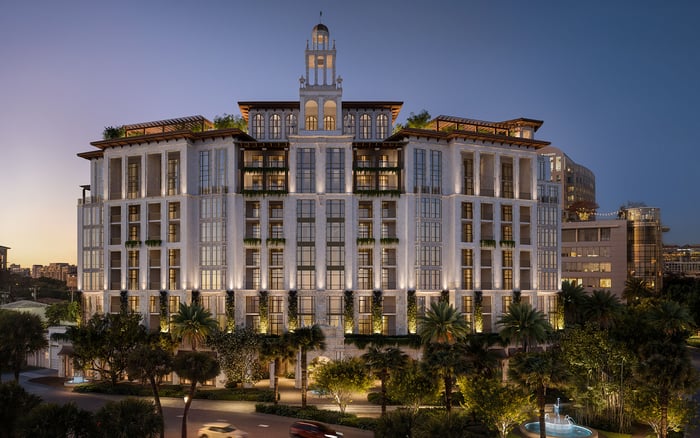
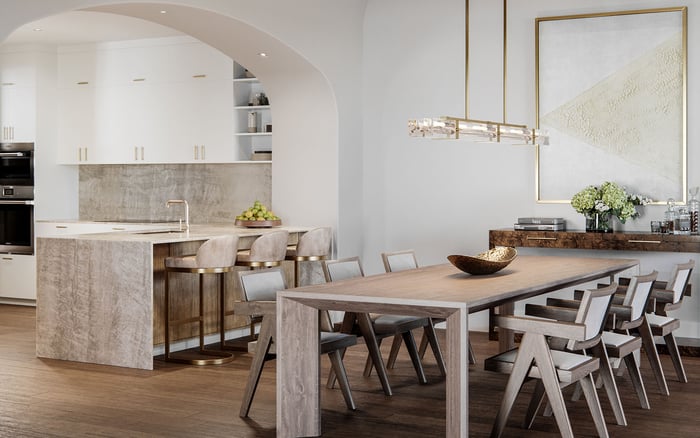
For families planning to hold South Florida real estate for decades, Coral Gables and Coconut Grove offer two distinct versions of permanence. One is defined by civic order, architectural continuity, and a polished village core. The other is shaped by tree canopy, bay proximity, and a more organic daily rhythm. The natural choice, in the literal sensory sense, is Coconut Grove. The steadier choice, in the governance and predictability sense, is Coral Gables.
For buyers thinking in decades rather than market cycles, Coral Gables and Coconut Grove often stand apart from the rest of Miami-Dade. Both are premium residential environments with established prestige, but they express that prestige in markedly different ways. One reads as a planned village with visible civic order. The other feels immersed in tropical landscape, with a softer threshold between home, street, and shoreline.
That distinction matters for long-term family ownership. Over time, buyers are not simply purchasing square footage or a desirable address. They are choosing the setting that will shape school mornings, weekend routines, walks to coffee, the feel of the streets after rain, and the level of confidence they have in future neighborhood character.
In simple terms, Coconut Grove feels more natural. Coral Gables feels more stable. The more important question is which version of stability a family actually wants.
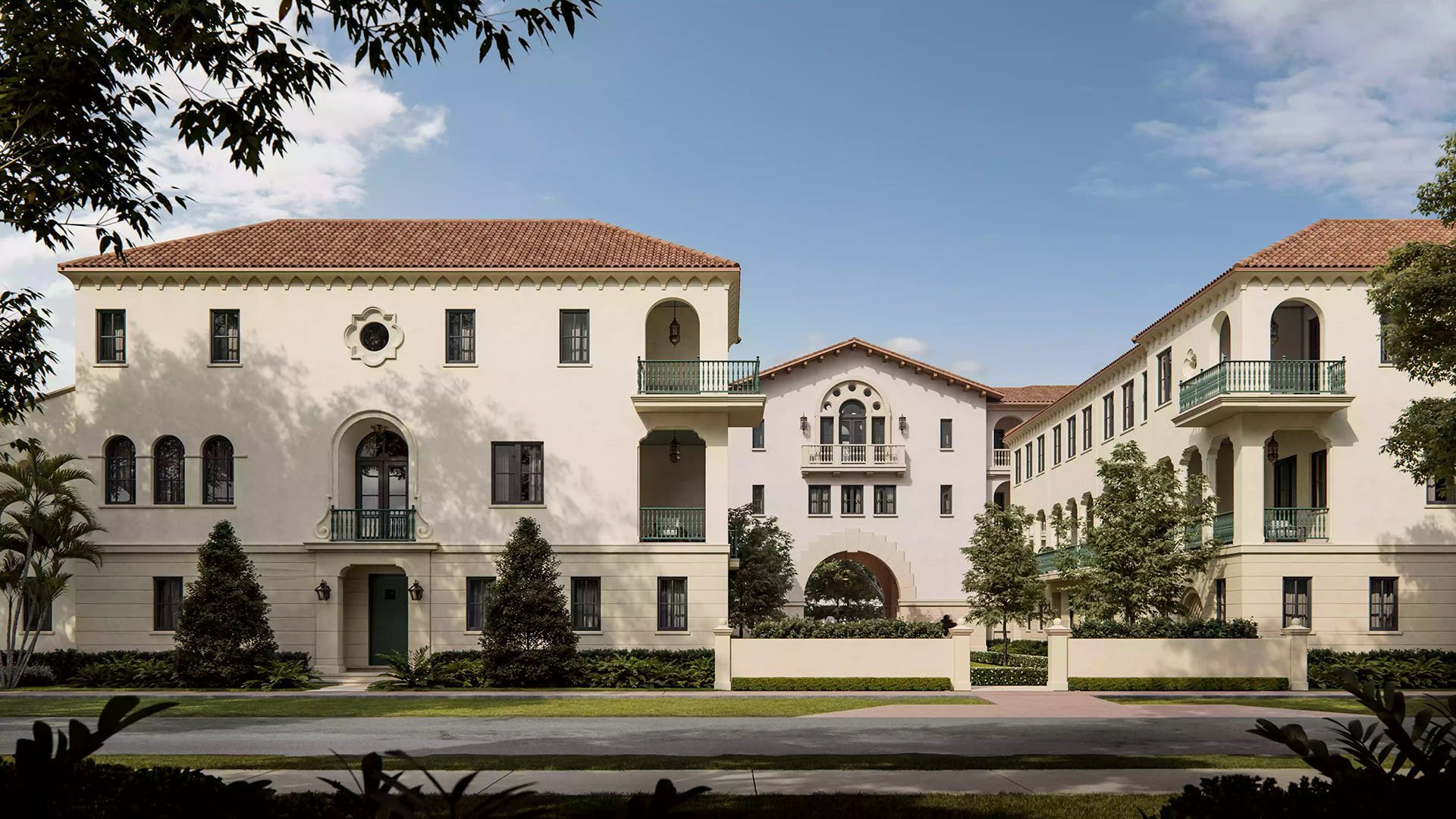
Coral Gables was conceived as a planned community, and that origin remains evident. Its Mediterranean-inspired architecture, formal planning logic, and highly legible neighborhood character give the city a composed, curated quality that many families find reassuring. There is a sense that the public realm has been deliberately shaped, and that the private realm benefits from that discipline.
This is not merely aesthetic. Coral Gables functions as its own incorporated city, with municipal government and its own layers of enforcement and oversight. For long-term owners, that degree of self-contained governance can translate into greater confidence around zoning, appearance, and neighborhood continuity. Buyers who care about orderly streetscapes and a more consistent visual language often respond to that immediately.
The downtown core reinforces that feeling. Shops, dining, and civic destinations are arranged within a walkable center that genuinely reads as village life rather than a loosely assembled commercial strip. The presence of cultural institutions deepens that identity, making the district feel less like a transactional center and more like a small city with memory.
For buyers comparing product, this is the atmosphere surrounding residences such as Ponce Park Coral Gables and The Village at Coral Gables. Each sits within a broader local narrative of preservation, architectural continuity, and long-hold ownership appeal.
Coconut Grove makes its case less through civic structure and more through physical sensation. It is one of Miami’s oldest neighborhoods, and its identity is inseparable from mature trees, tropical landscaping, and proximity to Biscayne Bay. In family terms, that can mean a daily life that feels shadier, breezier, and less formal.
The neighborhood’s parks, marinas, and waterfront amenities contribute to a lived experience that feels connected to the outdoors. Streets often feel defined by canopy first and architecture second. That is the key distinction. In Coral Gables, the built environment tends to lead. In Coconut Grove, the landscape often does.
Even the village atmosphere is slightly different. CocoWalk serves as a central lifestyle hub, but the Grove does not feel governed by a planned civic core in the same way Coral Gables does. Its center is more social and organic, less municipal in tone. That makes the area feel more relaxed, but also more eclectic.
That quality is visible in residential choices like Arbor Coconut Grove and The Well Coconut Grove, where the broader appeal of the Grove is often tied to greenery, wellness, and a softer relationship to the bay.
If the question is strictly which place feels more natural, Coconut Grove has the stronger case. Its appeal is rooted in canopy cover, shoreline access, and an atmosphere that feels less designed and more discovered. Families who want children to grow up with a stronger sense of outdoor texture, informal movement, and tropical identity will usually find the Grove more instinctive.
But natural does not always mean preferable for every long-term owner. Coral Gables offers a different form of comfort. Its planned-community foundation and more consistent neighborhood presentation may feel less wild, yet they often support the sense that a family asset is being held within a carefully managed frame. For some households, that is the more important luxury.
This is where preference becomes precise. A buyer may love greenery, but still value municipal order more. Another may accept a less uniform streetscape in exchange for the emotional ease of bay-adjacent, tree-lined living. Both are rational choices. They simply begin with different definitions of what home should feel like over 15 or 20 years.
The first thing many families notice in Coral Gables is rhythm. The city feels organized. Routes are clear, commercial zones are legible, and the village character is reinforced by civic coherence. There is often comfort in that predictability, especially for owners balancing school schedules, social life, and long-range property planning.
In Coconut Grove, the first impression is usually environmental. Shade, foliage, and bay influence soften the neighborhood experience. The area can feel more intimate and less ceremonious, even when the real estate is exceptionally refined. That texture often matters as much as the home itself.
School planning remains part of the equation in both locations because families are served by established district options in the county. Yet for many luxury buyers, the deciding factor is not a single institution but the overall pattern of daily life around the residence: whether one prefers a more composed urban village or a greener, more free-form neighborhood fabric.
Over the long arc of family ownership, Coral Gables tends to suit buyers who prioritize governance, architectural order, and resale consistency. The market’s reputation for enduring value aligns with that sensibility. It is a place where the neighborhood itself forms part of the risk management.
Coconut Grove also sits firmly in the premium tier, but its housing stock and visual identity are more varied. That variation is part of its charm. It can also make the area feel less uniform, which some buyers read as authenticity and others as less predictability.
Neither interpretation is wrong. In fact, this is exactly why the comparison remains so compelling for affluent families. Coral Gables offers a polished framework for ownership. Coconut Grove offers a more landscape-driven idea of permanence, where family memories may feel tied less to civic order and more to trees, marinas, and the presence of water.
For the narrow question of what feels more natural, Coconut Grove wins. Its streets, bay orientation, and mature greenery create an environment that feels more organic than formally arranged. It has the stronger sensory connection to landscape, and that matters deeply for families who want home life to feel softer and more immersed in nature.
For the broader question of long-term family ownership, however, Coral Gables remains exceptionally persuasive. Its incorporated governance, village-style core, and longstanding architectural discipline create a more controlled ownership setting. Families who want confidence in consistency may find that discipline more valuable than a more overtly natural atmosphere.
The most sophisticated buyers rarely treat this as a simple either-or. They ask a more revealing question: do we want our legacy home to feel curated, or grown into? Coral Gables answers the first beautifully. Coconut Grove answers the second.
Which neighborhood feels more natural for family living? Coconut Grove feels more natural because its identity is shaped by mature trees, bay access, and a more tropical streetscape.
Which area feels more stable for long-term ownership? Coral Gables generally feels more stable because of its planned-community roots and more self-contained local governance.
Is Coral Gables more village-like than Coconut Grove? Yes. Coral Gables has a more formal walkable core with civic and cultural anchors that reinforce a classic village feel.
Does Coconut Grove still have a village atmosphere? Yes, but it is more informal and lifestyle-driven, with a social center rather than a tightly planned town structure.
Which neighborhood has more architectural consistency? Coral Gables does. Its streetscape is more uniform and preservation-minded than the Grove’s eclectic mix.
Which is better for buyers who value greenery most? Coconut Grove is typically the stronger fit for buyers who place landscape, canopy, and bay proximity at the top of the list.
Which is better for buyers who value governance and order? Coral Gables is usually better aligned with buyers who want stronger control over neighborhood character and presentation.
Are both considered premium residential markets? Yes. Both are established luxury markets, though Coconut Grove tends to feel more varied in housing character.
Does Coral Gables feel less natural? Not less desirable, but more curated. Its appeal comes from planning and polish rather than a predominantly organic landscape identity.
What is the clearest way to choose between them? Choose Coral Gables if you want controlled continuity, and choose Coconut Grove if you want a more organic family setting.
For a discreet conversation and a curated building-by-building shortlist, connect with MILLION.
If branded residences are on your mind — as a home or as an allocation — we would be glad to share what we are seeing, privately.
Begin a quiet conversation