A discreet buyer’s framework for judging South Florida causeway living, from privacy value and service access to daily comfort, resale posture, and hidden ownership friction.
In South Florida luxury real estate, water is not merely a view. It is a filter. The bridges, causeways, guardhouses, island roads, and narrow points of access that lead to waterfront addresses shape how a residence feels long after closing. For some buyers, a causeway bottleneck provides a meaningful layer of privacy. For others, it becomes a daily tax on time, spontaneity, staffing, school runs, dining, boating, and airport rhythm.
The most sophisticated evaluation is not whether an address is easy or difficult to reach. It is whether the access pattern supports the life you intend to live there. A residence may feel serene during a Saturday showing, then perform differently during weekday departures, evening returns, holiday weekends, storms, major events, construction activity, or service-heavy periods. The best buyers study the route as carefully as the residence.
At the ultra-premium level, privacy frequently depends on limited approach. A single primary route, a guarded entrance, a bridge with natural separation, or an island setting can reduce casual circulation. That can be an advantage for owners who value discretion, security, and a composed sense of arrival. Fewer ways in often means fewer reasons for outsiders to pass through.
The tradeoff is that the same exclusivity can compress movement. Guests may need clearer instructions. Private drivers may need sharper timing. Vendors may require access coordination. Household staff may need predictable shifts to avoid delays. If the home is intended for frequent entertaining, the access point becomes part of the hospitality plan. If the property is a retreat, the friction may be welcome.
A simple test is to ask whether the bottleneck protects the life you want or interrupts it. Privacy has value when it removes noise. It has a cost when it adds managerial weight.
A prestigious address does not automatically deliver a graceful access experience. Some enclaves are highly desirable because they feel removed, while others succeed because they pair waterfront presence with multiple paths to city life. A buyer should separate the emotional appeal of the destination from the practical pattern of reaching it.
Study the last mile. Is the approach calm, intuitive, and dignified, or does it depend on a narrow sequence of signals, merges, turns, security pauses, and local traffic? Does the route work for a household with children, grandparents, assistants, visiting friends, fitness routines, club use, and evening reservations? Does the property feel close on a map but less effortless in practice?
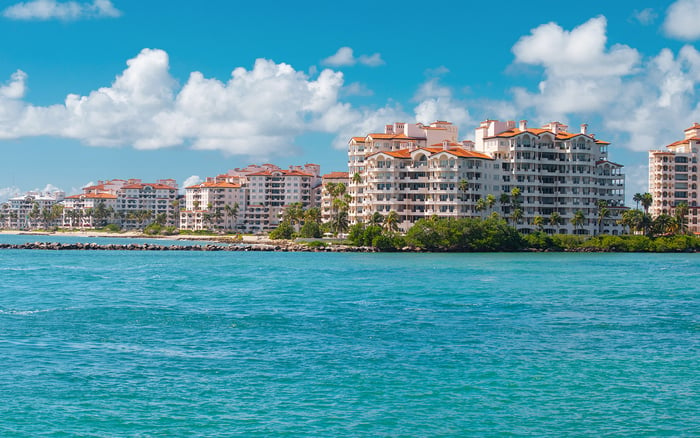
This is especially important when comparing waterfront, island, and beach-oriented neighborhoods with mainland pockets. Buyers often compare Miami Beach, Key Biscayne, Fisher Island, Bal Harbour, Surfside, and Coconut Grove through this access lens. Each can appeal to a different version of privacy, convenience, and daily ritual.
Traditional carrying costs are visible. Taxes, insurance, association fees, utilities, maintenance, landscaping, security, and reserves can be reviewed before purchase. Causeway friction is less obvious because it shows up in time and operating complexity.
For a primary residence, that may mean longer planning windows for school, office, club, aviation, medical, and dining commitments. For a second home, it may mean added coordination for arrivals, stocking the property, vendor access, car service, housekeeping, and guest turnover. For a staffed estate, commute reliability can influence retention, scheduling, and compensation expectations. For a condominium, delivery policies, valet performance, loading access, and service elevator efficiency can matter as much as the road itself.
There is also an opportunity cost. If a residence is so secluded that owners avoid spontaneous mainland outings, the home must provide enough internal amenity, wellness, dining, outdoor living, and entertainment value to justify that retreat posture. Conversely, if owners expect a fluid urban lifestyle, the route must support frequent movement without eroding the pleasure of ownership.
The most revealing due diligence is lived, not theoretical. Visit at the times you will actually use the residence. Drive the approach in the morning, late afternoon, after dinner, during rain, and on a busy weekend. If you travel often, test the airport route from the driveway or lobby. If you boat, consider how marina access and road access interact. If you employ staff, ask how the schedule would work in practice.
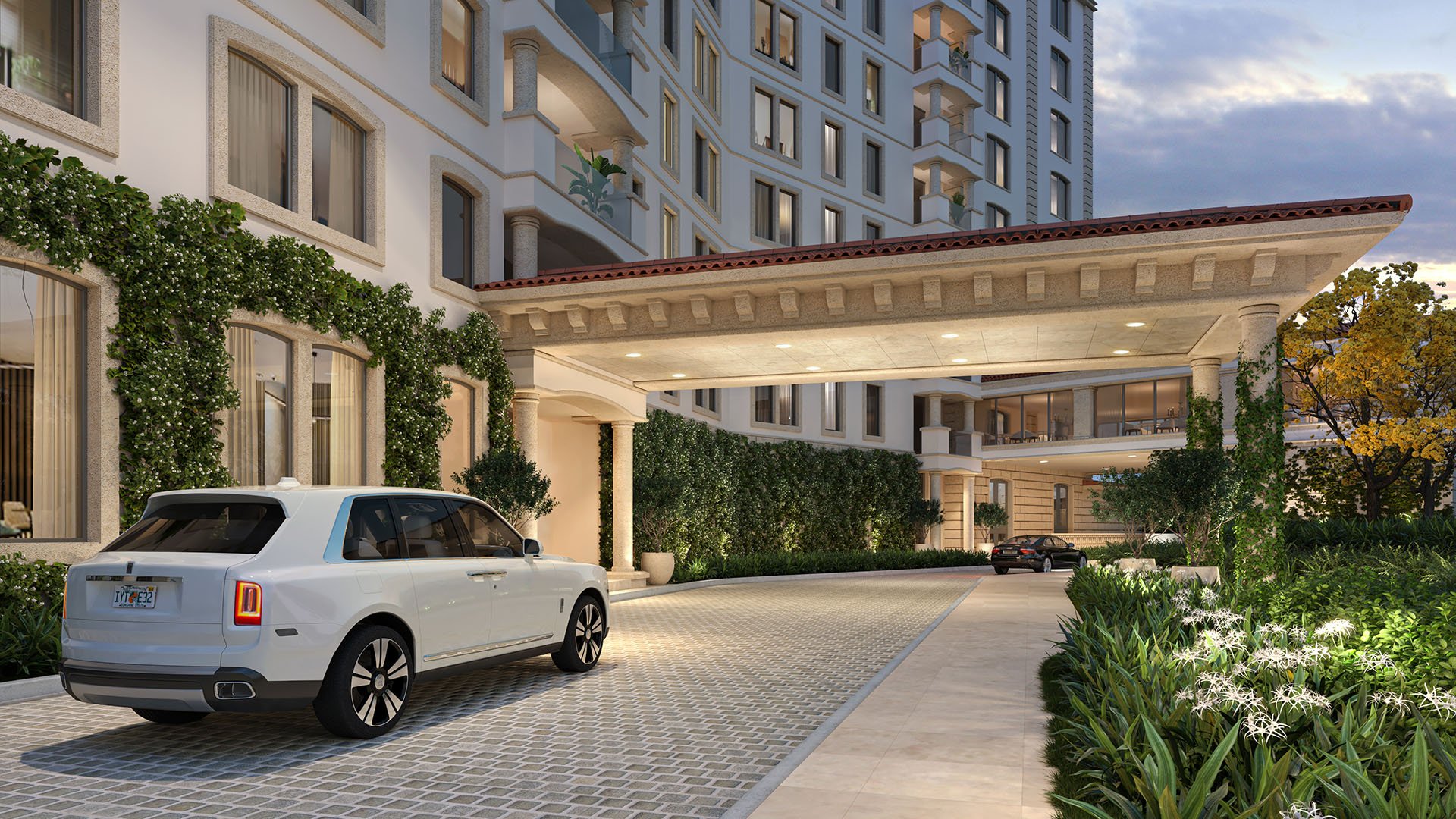
It is also useful to experience the route as different people would. Sit in the back seat as a passenger. Arrive as a guest. Time a delivery. Walk or bike the immediate area if that is part of the lifestyle. Consider whether the transition from public road to private residence feels composed. In the luxury segment, comfort is not confined to the interiors. It begins with the sequence of arrival.
Do not rely solely on average impressions. A residence should be judged by its worst recurring inconvenience, not its best showing-day performance. If the slowest points are predictable and manageable, they may be acceptable. If they are random and stressful, they can diminish daily comfort.
A couple using a waterfront condominium seasonally may tolerate a bottleneck that a family with multiple daily departures would find impractical. A buyer who entertains mostly at home may value the privacy of an island route. A collector with frequent logistics, staff, drivers, chefs, trainers, stylists, and maintenance teams may need easier circulation. The same address can be ideal for one household and inefficient for another.
Ask how many trips the household makes on a normal day. Then ask how many of those trips are discretionary. If most movement is optional, privacy may outweigh friction. If the schedule is fixed and time-sensitive, access reliability becomes a luxury feature. Daily comfort is rarely about distance alone. It is about predictability, control, and the absence of irritation.
The best properties make the owner feel removed without making life feel remote. They allow a private world to exist near the city, beach, marina, school, club, or cultural life that drew the buyer to South Florida in the first place.
Causeway bottlenecks can influence future buyer perception. Some prospects will pay a premium for separation. Others will discount a property if the route feels inconvenient for their household. Because preferences vary, the access story should be understood before negotiations begin.
If the bottleneck is part of the appeal, frame it as privacy, security, and controlled arrival. If it is a compromise, evaluate whether the property compensates with architecture, views, land, amenities, services, dockage, beach access, or rare scarcity. In negotiations, the question is not whether access is good or bad. The question is whether the price reflects the full ownership experience.
A careful buyer should leave the process knowing three things: what the route protects, what it costs, and whether those costs are worth paying every day.
What is a causeway bottleneck? It is a point where access to an island, beach, or waterfront enclave narrows and movement becomes more dependent on one route or sequence.
Is a bottleneck always negative for luxury buyers? No. It can enhance privacy and reduce casual traffic, provided the household accepts the tradeoff in convenience.
How should I test access before buying? Drive the route at the times you expect to use it, including weekday mornings, evenings, rain conditions, and weekends.
Does causeway access affect carrying costs? It can. The cost may appear through staffing, scheduling, service coordination, transportation planning, and time lost.
What matters more, distance or predictability? Predictability often matters more. A slightly longer reliable route can feel more comfortable than a shorter uncertain one.
Should second-home buyers care as much? Yes, especially if the residence requires frequent stocking, housekeeping, guest access, maintenance, or airport transfers.
Can privacy justify a less convenient route? It can when the residence functions as a retreat and the owner values discretion more than constant mobility.
How does this apply to condominiums? Buyers should examine valet flow, loading access, delivery rules, guest arrival, staff movement, and service elevator performance.
What should families evaluate first? Families should test school routes, activity schedules, medical access, household staffing, and the number of daily departures.
What is the best way to shortlist comparable options for touring? Start with location fit, delivery status, and daily lifestyle priorities, then compare stacks and elevations to validate views and privacy.
If you'd like a private walkthrough and a curated shortlist, connect with MILLION.
If branded residences are on your mind — as a home or as an allocation — we would be glad to share what we are seeing, privately.
Begin a quiet conversation