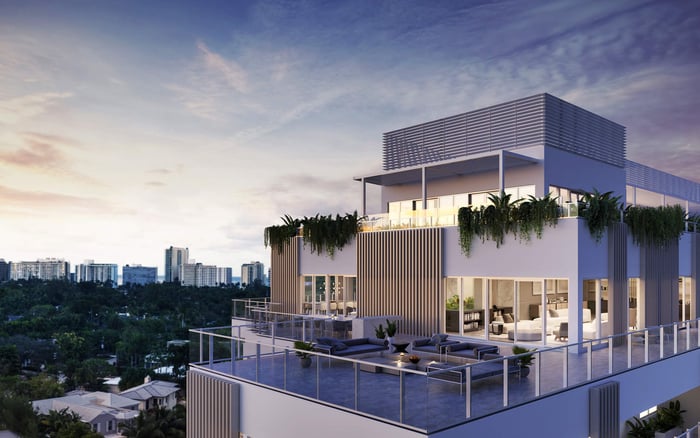
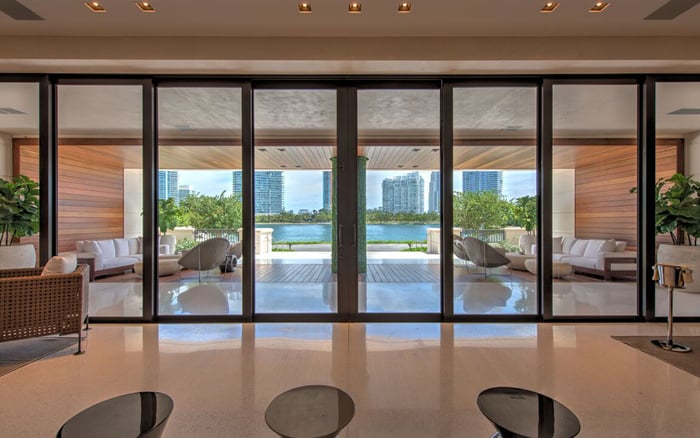
A discreet buyer’s guide to evaluating Tula Residences North Bay Village through the lens of boating, waterfront livability, view quality, access, ownership costs, and long-term resale discipline.
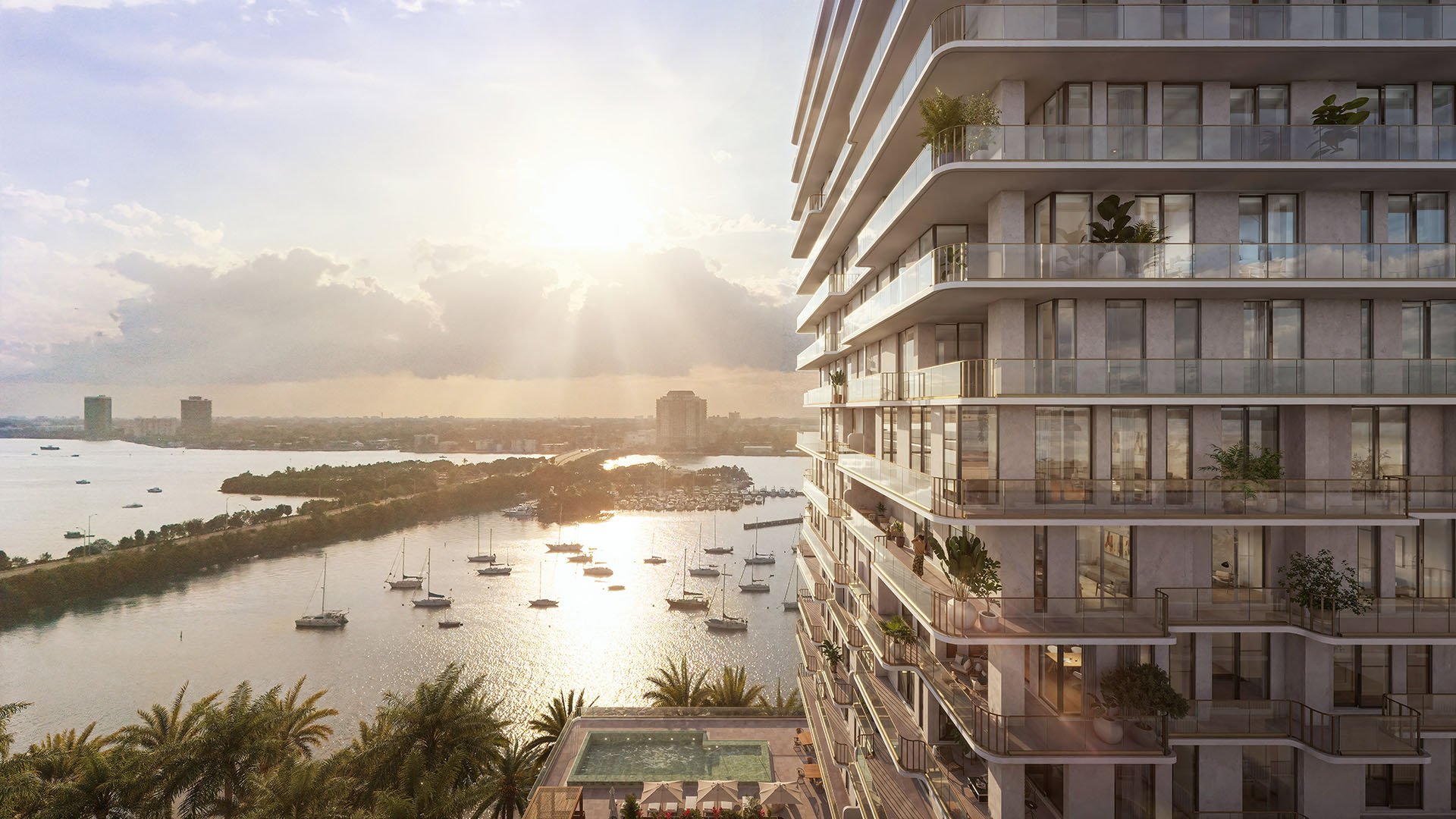
For a boating buyer, the first question at Tula Residences North Bay Village should not be about stone, appliances, or ceiling heights. It should be about the water. A waterfront condominium can feel effortless in a rendering, but the daily experience rests on a practical chain of details: how quickly you can reach the boat, how the property manages arrivals, whether water access is direct or indirect, and how the building’s rules align with the way you actually live.
North Bay Village has a distinct appeal because it sits between Miami Beach and mainland Miami, giving many buyers a sense of separation without feeling remote. For boaters, that geography can be especially compelling, but only when the residence, building operations, and boating infrastructure work together. The vocabulary matters: waterfront, waterview, marina, boat slip, and North Bay Village are not interchangeable search terms in serious buyer guidance.
A residence may look oriented to the bay, but that does not automatically make it a boating address. Before choosing Tula Residences, buyers should ask what boating use is actually supported, what is controlled by the condominium, what is controlled by third parties, and what is simply nearby. The distinction can affect convenience, cost, privacy, and resale.
If a slip, dockage, or marina arrangement is part of the decision, confirm how it is assigned, whether it is deeded, licensed, leased, or subject to availability, and what vessel limitations apply. Beam, length, draft, lift rules, utilities, insurance requirements, and guest access can matter as much as the residence itself. A beautiful unit can still disappoint a boater if the vessel cannot be accommodated cleanly.
It is also worth comparing the experience with other bay-oriented addresses. Continuum Club & Residences North Bay Village offers a useful point of reference for buyers weighing the broader North Bay Village lifestyle, while Shoma Bay North Bay Village helps frame how different buildings within the same area may serve different priorities.
Boating buyers often focus on the channel, the bay, and the view corridor, but the land-side arrival is equally important. A waterfront home is only as elegant as its least graceful transition. Ask how residents, guests, drivers, service providers, and marine vendors enter and move through the property. If you plan to use the boat frequently, the rhythm of loading bags, provisions, gear, children, pets, or guests should be tested in real life, not imagined from a floor plan.
Parking, valet flow, storage, package handling, bicycle access, and waterside security all affect daily ease. So does the distance between the residence, the lobby, parking, and any water access point. For seasonal owners, these details become even more important because every arrival is compressed into high-value time.
Not every water view functions the same way. A wide, open bay exposure has a different emotional quality than a framed corridor view, and both differ from a lower-floor perspective closer to the activity of the shoreline. At Tula Residences, the right choice depends on whether the buyer values horizon, boat movement, sunrise or sunset orientation, privacy, or a stronger connection to the marina environment.
Ask to understand the view at different times of day. Morning glare, afternoon heat, neighboring lights, bridge traffic, and reflections on the water can change the character of a residence. A waterview can be meditative, theatrical, or highly active. The strongest buyers define the desired mood before choosing the line.
This is where nearby waterfront markets can sharpen judgment. In Bay Harbor Islands, projects such as Onda Bay Harbor and La Baia North Bay Harbor Islands encourage similar questions about privacy, water orientation, and the balance between boutique scale and boating convenience.
For the ultra-premium buyer, governance is not a footnote. It is part of the asset. Review condominium documents, budgets, use restrictions, leasing policies, pet rules, renovation protocols, insurance structure, reserve posture, and any provisions connected to marine facilities. If the boating component is central to your decision, the rules around it deserve counsel-level attention.
The most elegant outcome is alignment: a residence that supports your lifestyle without requiring constant exceptions. If you entertain on board, host visiting family, travel with crew, or maintain a vessel through a captain or service team, the building’s policies should be tested against those habits. A building can be luxurious and still not be right for a particular owner.
Waterfront ownership carries responsibilities that inland ownership may not. Buyers should ask how the building addresses coastal exposure, storm protocols, building systems, access control, and recovery planning. The goal is not to be fearful, but to be precise. A well-run waterfront building should make the owner feel informed rather than surprised.
Insurance should also be discussed early. Residence coverage, association coverage, vessel coverage, liability, wind considerations, and flood-related questions can overlap in ways that affect the full cost of ownership. For boating buyers, the marine asset and the residential asset should be reviewed together, not in separate conversations.
The best boating purchase is not only personally satisfying; it is legible to the next qualified buyer. A future purchaser will ask many of the same questions: Is the water access credible? Is the view protected enough to feel special? Are the rules clear? Does the building operate smoothly? Is the address convenient to both Miami Beach and the mainland?
At Tula Residences, the strongest case will likely be made by the combination of residence quality, water orientation, and a boating story that can be explained without overstatement. In luxury real estate, the most resilient assets are often those with fewer caveats. If the water experience is easy to understand, it is easier to defend.
Before selecting a residence, ask for a walkthrough that follows your actual day. Arrive as you would arrive. Park where you would park. Move toward the water as you would with guests or gear. Stand in the residence during the time of day you expect to use it most. Ask what is included, what is optional, what is limited, and what remains subject to final rules or availability.
A buyer should also ask how the building distinguishes between residents who simply enjoy the view and residents who actively live with the water. That distinction is central. For some owners, a terrace and a bay outlook are enough. For others, the boat is not an accessory; it is the reason to buy.
Is Tula Residences North Bay Village a good fit for boating buyers? It may be, depending on the specific residence, water access, building rules, and any boating arrangements available to the buyer.
What should I ask first when evaluating Tula Residences? Start with how you will use the water, then test whether the building and residence support that use without friction.
Is a water view the same as a boating lifestyle? No. A water view is visual, while a boating lifestyle depends on access, rules, storage, service logistics, and vessel compatibility.
Should I prioritize a higher floor or closer water connection? It depends on whether you value broad views, privacy, and light, or a more immediate relationship with the shoreline and boating activity.
What does boat slip due diligence involve? Buyers should confirm availability, legal structure, vessel limits, costs, insurance requirements, and transferability before relying on it.
How important are condominium rules for boat owners? They are essential because guest access, vendors, deliveries, leasing, pets, and marine use can all affect daily ownership.
Should I compare Tula with other North Bay Village projects? Yes. Comparing nearby projects helps clarify differences in setting, services, views, and the overall waterfront ownership experience.
What ownership costs should boating buyers review? Review association fees, insurance, maintenance, marine-related expenses, reserves, and any separate costs tied to water access.
Can a non-boater still value Tula Residences? Yes. A buyer may be drawn to the views, location, design, privacy, and waterfront atmosphere even without owning a vessel.
What makes a waterfront condo easier to resell? Clear water orientation, strong building operations, understandable rules, and a lifestyle story that future buyers can quickly recognize.
When you're ready to tour or underwrite the options, connect with MILLION.
If branded residences are on your mind — as a home or as an allocation — we would be glad to share what we are seeing, privately.
Begin a quiet conversation