A discreet buyer guide for New York founders evaluating how hotel traffic, valet operations, service access, and guest movement can shape privacy and daily life in South Florida residences.
For a New York founder, traffic is familiar terrain. Congested curbs, security desks, black cars, food deliveries, investor dinners, assistants, family logistics, and late-night returns are part of the operating system. South Florida can appear easier at first glance, with wider skies, private entries, waterfront setbacks, and resort-style service. Yet sophisticated buyers quickly learn that convenience here is not defined by location alone. It is defined by how a building manages movement.
Hotel traffic management is the quiet discipline behind the arrival experience. It includes valet sequencing, rideshare staging, guest access, loading dock protocol, service elevators, staff circulation, event traffic, food and beverage operations, and the separation of public hospitality from private residential life. In a branded or hospitality-adjacent residence, these details can determine whether a home feels calm, protected, and effortless, or constantly in negotiation with the building around it.
For founders who live by compressed calendars, the issue is practical, not theoretical. Ten minutes lost at a porte cochere before a flight, a delivery path that crosses resident arrivals, or a weekend event that changes the garage rhythm can erode daily control. Before signing in South Florida, the most useful question is not simply how impressive the lobby looks. It is who uses it, when they use it, and how the building keeps competing streams of traffic from colliding.
In New York, buyers often understand density as a vertical condition. The building is the world, the sidewalk is the buffer, and a doorman filters much of the friction. In South Florida, especially along waterfront, beach, and resort corridors, density is more lateral. Cars, valets, service vehicles, golf carts, hotel guests, restaurant patrons, spa visitors, yacht service, and residents may all arrive through a limited number of curb cuts or drive aisles.
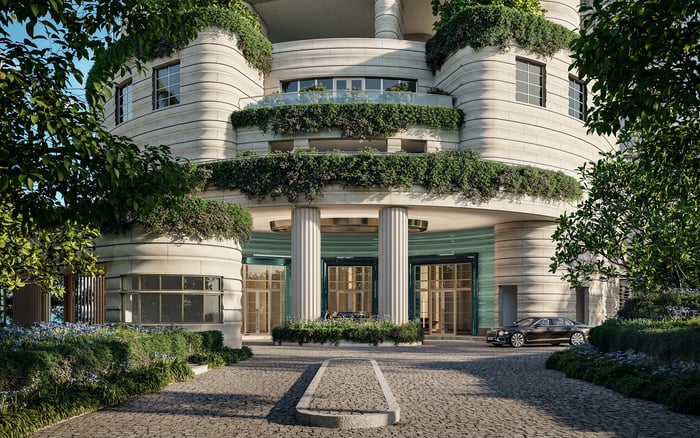
That distinction matters. A founder accustomed to a private elevator in Manhattan may still be surprised by how much of the lived experience is decided before reaching the elevator. The arrival court, garage entry, valet desk, guest approval process, and service corridor become extensions of the residence itself.
This is why urban towers in Brickell should be evaluated differently from beach properties in Miami Beach or resort-oriented projects in Fort Lauderdale. The question is not which setting is more prestigious. It is which setting best matches the founder’s rhythm. A buyer who hosts investors weekly may prioritize guest choreography. A buyer with children may care more about school-hour consistency and safe drop-offs. A buyer who travels constantly may want a garage and valet protocol that remains predictable even during peak hospitality periods.
The first stream is resident movement. This includes owner arrivals, private drivers, family vehicles, daily staff, dog walkers, trainers, and recurring guests. The most refined buildings make these movements feel nearly invisible. They allow residents to move from curb to home without unnecessary exposure, delay, or explanation.
The second stream is hospitality movement. In any building with hotel-like amenities, restaurants, spa programming, private dining, or branded service, nonresident traffic can be part of the experience. That is not automatically negative. In the right building, it adds energy, staffing depth, and a level of polish that pure residential towers may not replicate. The diligence question is whether hospitality traffic is architecturally and operationally separated from the private residential sequence.
The third stream is service movement, and it is often the most overlooked. Deliveries, catering, maintenance, housekeeping, florists, art handlers, wine storage, moving crews, and technology installers all need controlled access. A founder’s residence may function as a private office, family retreat, and event venue in the same week. Service circulation should be robust enough to support that reality without turning the private arrival into a loading zone.
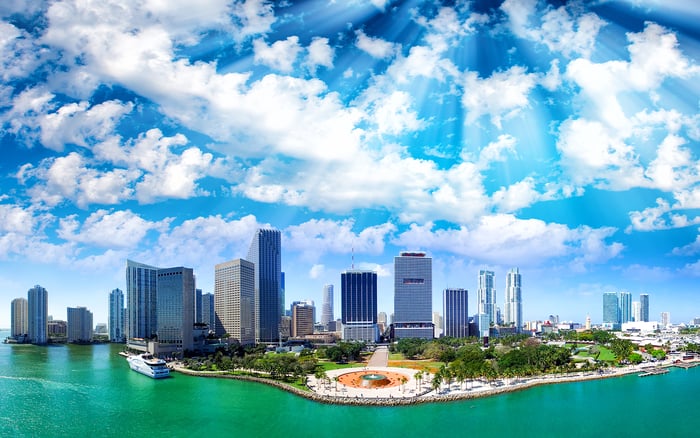
In Brickell, the calculus is urban. The advantage is proximity, energy, and a high concentration of services. The challenge is that arrival precision matters more because the surrounding district is active throughout the day and evening. Buyers considering The Residences at 1428 Brickell or St. Regis® Residences Brickell should study how residential access, valet movement, guest intake, and service loading are intended to operate as separate routines rather than one shared front door.
In Miami Beach, the question becomes more seasonal and lifestyle-driven. Beach access, dining, wellness, events, and visiting family can create a highly desirable but layered pattern of movement. At Shore Club Private Collections Miami Beach, a founder should consider the desired balance between resort energy and residential privacy with care. The ideal outcome is not silence. It is controlled discretion, where the building’s public glamour does not dilute the owner’s private experience.
In Fort Lauderdale, particularly near waterfront and hospitality corridors, the buyer should consider marina-adjacent movement, guest arrivals, service coordination, and weekend cadence. A project such as Four Seasons Hotel & Private Residences Fort Lauderdale invites a different diligence lens than a purely residential boutique address. The question is how the hotel component, amenity users, and private residents maintain a clear sense of hierarchy.
In Sunny Isles, where towers often emphasize vertical privacy and dramatic arrivals, the garage, valet, and elevator interface deserve close review. At Bentley Residences Sunny Isles, the founder mindset should focus on the full sequence from vehicle to residence, not only the view from the residence once inside.
Start with the arrival diagram. Ask where residents enter, where guests enter, where rideshare waits, where hotel or amenity visitors arrive, and where service vehicles go. If those answers are vague, keep asking. A luxury building should be able to explain movement with confidence.
Next, ask about peak conditions. A residence can feel flawless during a private tour and entirely different during a holiday weekend, dinner hour, rainstorm, or major event. Founders are trained to pressure-test systems. Apply the same discipline here. What happens when multiple owners arrive at once? How are restaurant guests or spa visitors managed? Are deliveries staged away from the residential entry? Is there a protocol for private security teams or executive assistants?
Then ask about governance. Traffic management is not only architecture. It is rules, staffing, enforcement, and culture. The building’s documents, management structure, and operating standards should support the level of privacy being marketed. A beautiful porte cochere without disciplined policy is only a backdrop.
Finally, match the building to your actual life, not your imagined vacation life. If you fly weekly, prioritize garage reliability. If you host often, focus on guest registration and valet depth. If you have young children, study safe circulation. If you work from home, evaluate noise, service paths, and amenity adjacency. South Florida rewards buyers who choose with precision.
Why should New York founders care about hotel traffic management? It affects privacy, timing, guest control, service access, and the daily rhythm of a residence.
Is hotel traffic always a negative for a luxury residence? No. Hospitality can add service depth and energy when resident and guest circulation are clearly separated.
What is the first operational question to ask? Ask how residents, hotel guests, deliveries, rideshare vehicles, and service teams move through the property.
Does Brickell require different diligence than Miami Beach? Yes. Brickell is more urban in its movement patterns, while Miami Beach often involves resort, beach, and seasonal flows.
Should founders visit a building more than once before signing? Yes. A second visit during a busier period can reveal how valet, elevators, and guest access actually perform.
What matters most in a branded residence? The key issue is whether brand-level service supports the private owner experience rather than overwhelming it.
How does service access affect daily life? Poor service routing can bring deliveries, vendors, and maintenance into spaces that should remain calm and private.
Should buyers ask about event policies? Yes. Event rules can influence valet demand, guest movement, noise, elevator use, and overall residential discretion.
Is a private elevator enough to solve traffic concerns? Not by itself. The arrival path, garage, valet operation, and lobby sequence matter before the elevator is ever reached.
When should this diligence happen? It should happen before signing, while the buyer still has leverage to ask detailed operational questions.
When you're ready to tour or underwrite the options, connect with MILLION.
If branded residences are on your mind — as a home or as an allocation — we would be glad to share what we are seeing, privately.
Begin a quiet conversation