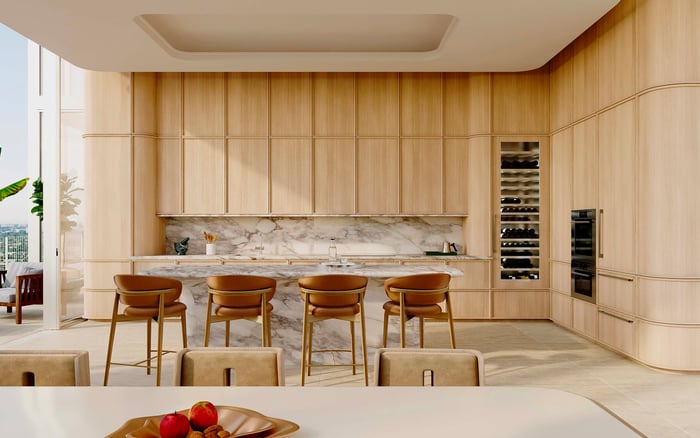
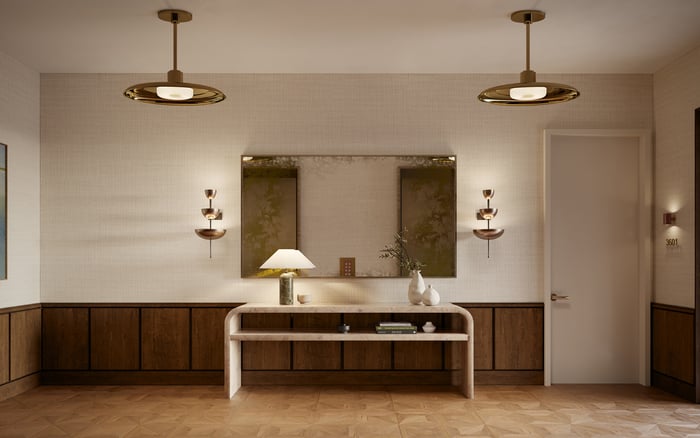
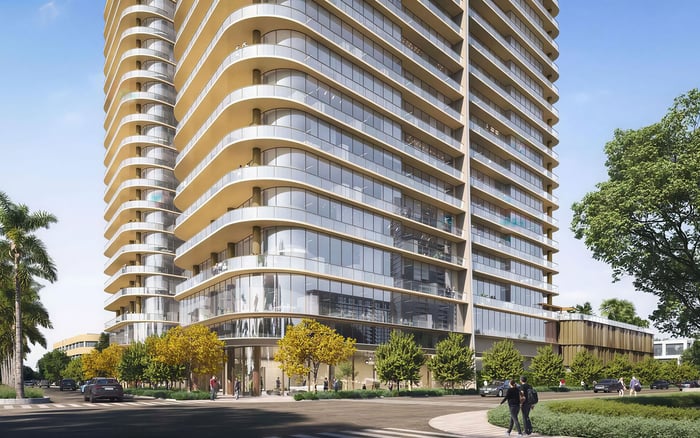
For seasonal buyers in Miami’s Design District, disciplined residence selection begins with the potential exit. Resale depth, exact line, floor position, and view scarcity can help distinguish homes that share the same building services and amenities.
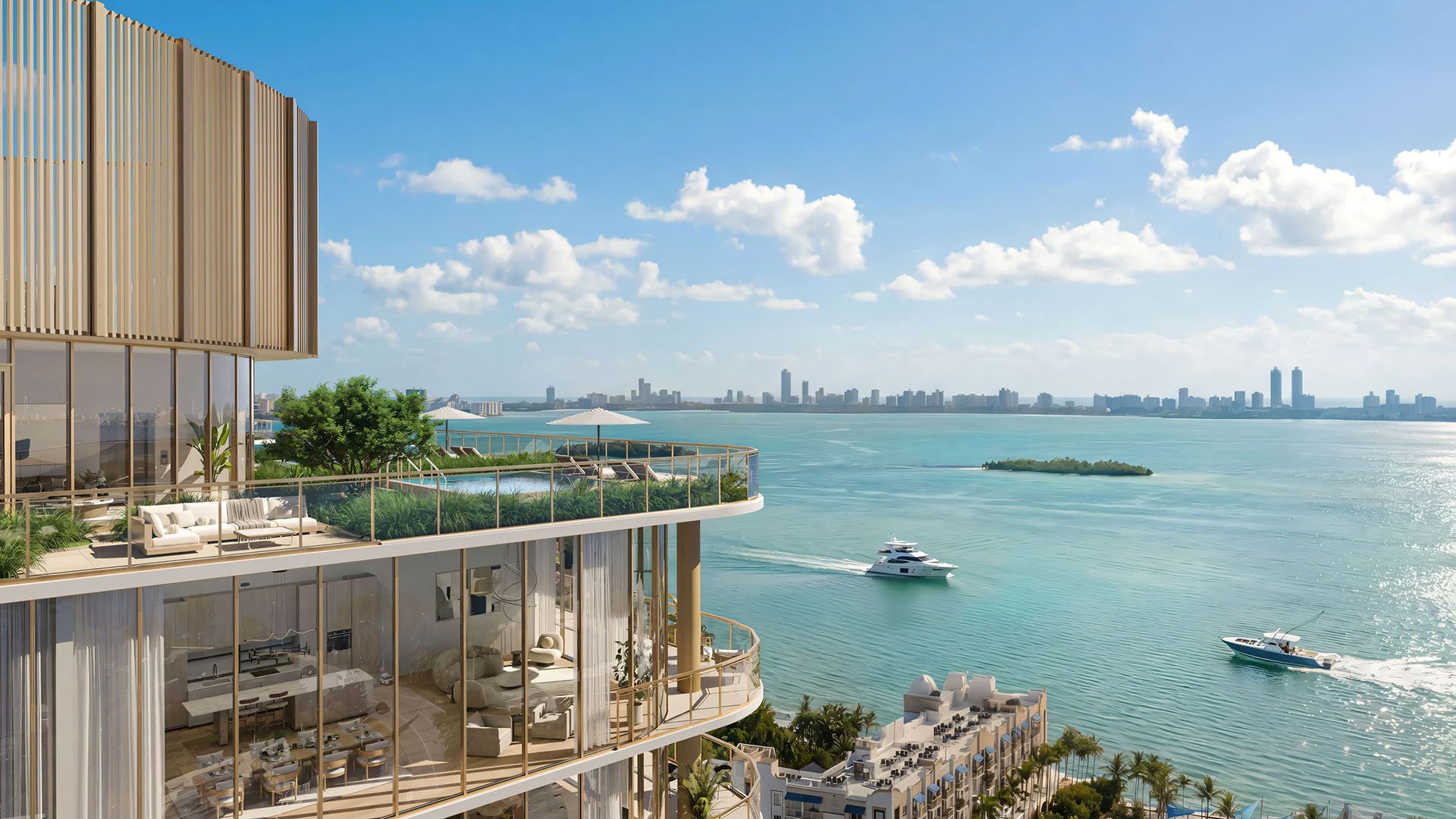
A seasonal residence is often selected for personal enjoyment, convenient service, and proximity to the Design District’s galleries and dining. A disciplined review should also consider who may want the home next, which comparable residences could be available at that time, and why the selected line may stand apart.
Shared amenities can influence the ownership experience, but they do not make every residence equally desirable. Floor position, orientation, internal plan, terrace utility, privacy, and sightlines are specific to the home. Those private attributes may give a future buyer a clearer reason to prefer one residence over another.
Resale depth concerns more than the number of active listings. It includes the relevance of available comparables, the breadth of the likely buyer pool, competition within and beyond the building, and the practical path to a future sale.
A seasonal owner should distinguish direct substitutes from properties that only appear comparable. A residence with a different exposure, floor plan, terrace, or view may appeal to a different buyer even when it shares the same address and amenities.
The review should therefore begin at the residence level. Ask which homes could compete with the selected unit, what differentiates its line, and whether that distinction is likely to remain legible to buyers during a future resale.
Two residences can share a concierge, pool, wellness program, and architectural identity while offering materially different ownership experiences. A preferred line may provide more useful room proportions, stronger separation between private and entertaining spaces, a more functional terrace, or cleaner sightlines from primary rooms.
Floor position deserves equally careful scrutiny. Higher is not automatically better, and lower is not automatically compromised. The relevant questions are specific: What occupies the foreground? How does the exposure perform during the owner’s typical season and hours of use? Does the plan preserve the principal outlook from both the living area and primary bedroom? Is the terrace configured for practical use?
When evaluating Kempinski Residences Miami Design District alongside Miami Tropic Residences, buyers should compare exact plans and positions rather than treating branding or district location as a substitute for line-level analysis.
A compelling view at the time of purchase is not necessarily a scarce view over the full ownership period. A buyer should examine the width and angle of the view corridor, neighboring parcels, potential obstruction points, and the visual experience from the rooms used most often.
The analysis should also consider whether the outlook depends on conditions beyond the property. A view that is difficult to reproduce may support differentiation, but its durability should be tested rather than assumed.
Comparing the Design District with EDITION Edgewater and Villa Miami can help buyers define the relevant competitive geography. The objective is not to treat every nearby residence as interchangeable, but to understand which alternatives may attract a similar South Florida buyer.
Useful diligence includes reviewing the plan, orientation, floor position, surrounding parcels, and sightlines from seated and standing positions. These details can reveal whether the apparent view premium is attached to a genuinely differentiated residence.
Pricing should be considered together with line availability, floor position, exposure, plan quality, incentives, and the number of credible substitutes. A headline price change alone does not establish demand or future resale performance.
For a residence offered before completion, buyers can request the release history, current availability by line, applicable incentives, and changes affecting preferred stacks. The purpose is to understand whether the selected home’s pricing is supported by attributes that a future buyer can recognize.
Branding may strengthen positioning, but it does not replace residence-level quality. The more durable proposition combines a functional plan, a defensible exposure, practical ownership considerations, and pricing that acknowledges competing homes in the Design District and nearby Miami neighborhoods.
A focused purchase review should answer five questions:
Which residences could become genuine substitutes when the owner decides to sell?
What makes the selected line preferable within its building?
Which elements of the view are difficult to replicate?
How does the asking price reflect floor, plan, exposure, and available alternatives?
Which Design District, Edgewater, or Wynwood residences could compete for the same buyer?
Broad market measures may provide context, but they cannot replace a direct comparison of plans, exposures, condition, privacy, and view quality. In a building where amenities are shared, the residence’s private qualities often provide the clearest basis for differentiation.
What does resale depth mean for a seasonal owner? It refers to the likely buyer pool, relevant comparable homes, competing listings, and the practical conditions surrounding a future sale.
Why can line selection matter more than amenities? Amenities are shared, while orientation, layout, terrace utility, privacy, and sightlines are specific to the residence.
Is the highest floor always the best choice? No. The preferred floor depends on exposure, outlook, privacy, plan quality, obstruction risk, and price.
How should a buyer evaluate a view premium? Review the view corridor from primary rooms and consider neighboring parcels or structures that could affect the outlook.
What makes a terrace useful for a seasonal owner? Its configuration, relationship to the interior, privacy, exposure, and suitability for the owner’s intended use all matter.
Why compare Design District residences with Edgewater options? A future buyer may consider residences across nearby Miami neighborhoods when comparing design, views, services, and value.
What should be reviewed when considering pricing? Compare the exact line, floor, plan, exposure, incentives, available alternatives, and any meaningful differences among residences.
Do branded residences guarantee stronger resale performance? No. Branding may support positioning, but the individual home still needs a compelling plan, exposure, and price.
How can a buyer identify genuine comparable residences? Focus on homes with similar locations, plans, floor positions, views, privacy, condition, and ownership profiles.
What is the central purchase principle? Select the residence whose plan, position, view, and pricing give a future buyer a clear reason to prefer it.
For a discreet conversation and a curated building-by-building shortlist, connect with MILLION.
If branded residences are on your mind — as a home or as an allocation — we would be glad to share what we are seeing, privately.
Begin a quiet conversation