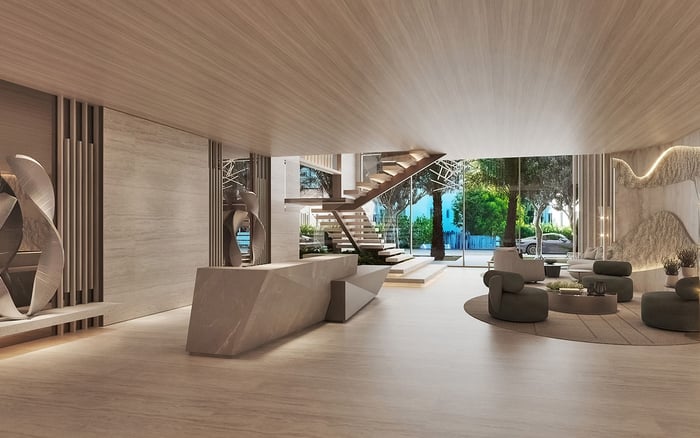
A discreet buyer’s guide to the diligence questions that matter across boutique waterfront and urban condominium opportunities in Bay Harbor Islands, Fort Lauderdale, and North Bay Village.
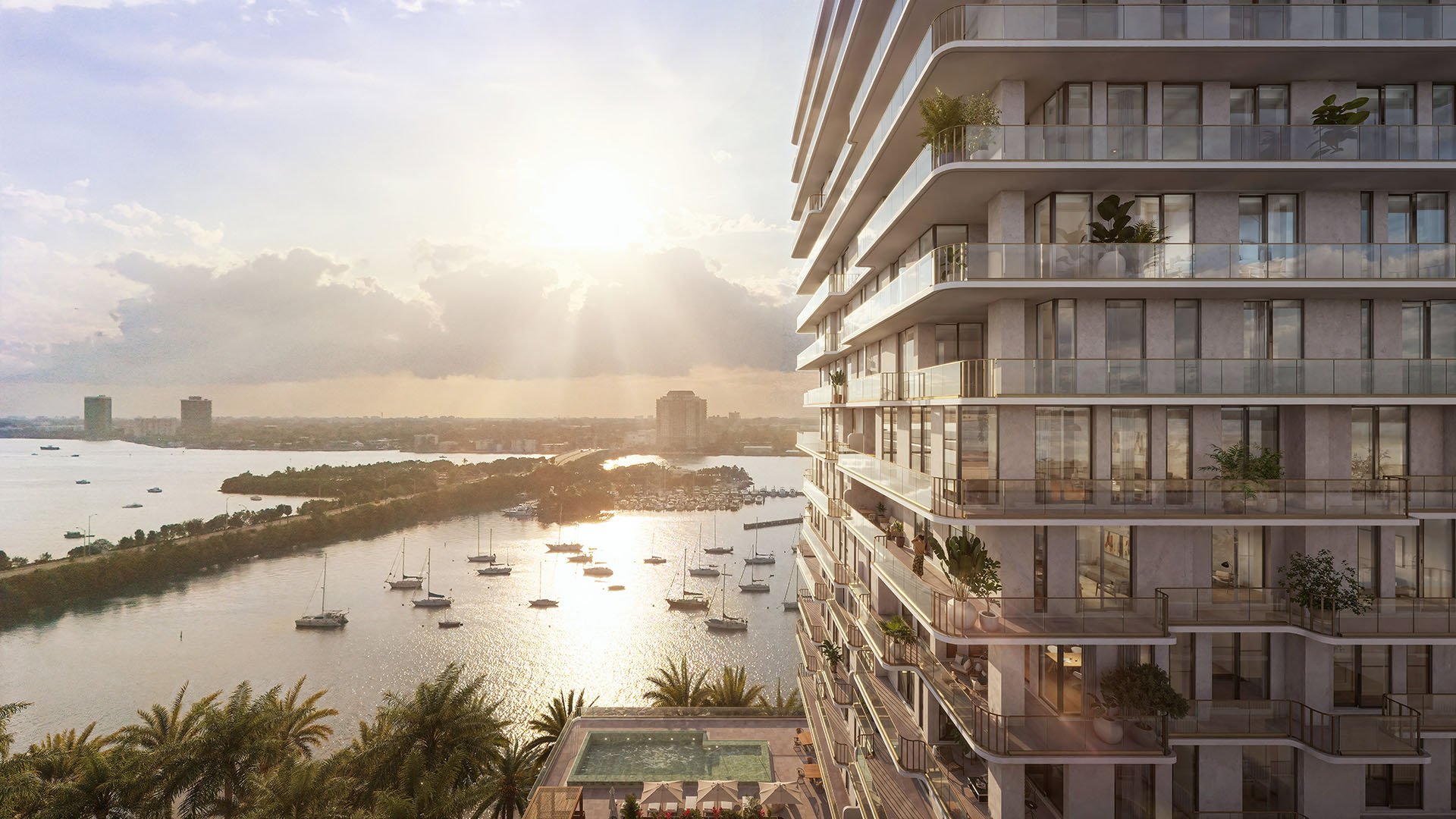
In South Florida’s upper tier, due diligence has become as important as architecture, amenity programming, and view orientation. The most sophisticated buyers are no longer satisfied with a polished sales gallery and a compelling floor plan. They want to understand how a building will age, how its association will be funded, how insurance assumptions are being modeled, and how surrounding infrastructure may affect long-term ownership.
That lens is especially relevant for buyers comparing La Maré Bay Harbor Islands, Sixth & Rio Fort Lauderdale, and Tula Residences North Bay Village. These are not interchangeable purchases. They sit in different submarkets, serve different lifestyle priorities, and require different forms of verification. Yet they share one central buyer question: is the experience being promised supported by a resilient legal, financial, and physical framework?
Bay Harbor Islands asks buyers to think carefully about waterfront exposure, privacy, and proximity. La Maré is positioned as a boutique waterfront condominium development in a setting near Bal Harbour and northern Miami Beach, making the location analysis unusually nuanced. Access matters, but so does quiet. Prestige matters, but so does the way limited land availability may influence future resale psychology.
Fort Lauderdale presents a different matrix. Sixth & Rio Fort Lauderdale is identified as a boutique condominium project positioned for buyers who want proximity to downtown Fort Lauderdale and the New River without choosing a larger-scale tower environment. In that context, the comparison is not simply one address against another. It is boutique scale against high-rise depth, more intimate ownership against broader market liquidity, and immediate lifestyle access against the practicalities of association costs and project timing.
North Bay Village should be approached with document-first discipline. For Tula Residences North Bay Village, buyers should avoid assuming that every waterfront or bay-area project carries the same risk profile, cost structure, or future resale narrative. The point is not to be skeptical. It is to be precise.
La Maré Bay Harbor Islands fits the profile many buyers now seek: lower-density, boutique-style living in a coastal enclave where land availability is limited. That scarcity can be attractive, but it should not distract from the deeper diligence waterfront ownership requires.
The first review should focus on flood risk, drainage, and municipal infrastructure. Buyers should ask how water exposure is being addressed at both the site and building levels. Elevation, water management, access points, garage design, mechanical systems, and emergency protocols are not cosmetic matters. They shape the owner’s lived experience and the association’s financial exposure.
The second review is the building envelope. Saltwater exposure is unforgiving, particularly over long holding periods. Buyers should examine the proposed design logic for exterior materials, glazing, waterproofing, balcony details, and maintenance cycles. A beautiful waterfront residence can become an expensive ownership proposition if reserve planning does not match the realities of the environment.
The third review is governance. Developer track record, contractor ecosystem, association budget assumptions, insurance coverage, reserve philosophy, and long-term maintenance exposure should all be discussed before a contract is treated as a lifestyle decision. In boutique buildings, fewer owners may share costs, which makes budget realism especially important.
Sixth & Rio occupies a different buyer imagination. Its appeal is tied to downtown Fort Lauderdale and the New River, but its boutique positioning asks buyers to look beyond the romance of access. The core question is whether the project’s scale, operating plan, and timeline align with the buyer’s intended use.
For a primary resident, daily convenience may carry significant value. For a second-home buyer, the management plan, security posture, and ease of arrival may weigh more heavily. For an investor-minded buyer, resale liquidity and exit timing become central. Boutique scale can be a virtue, but it can also narrow the future buyer pool if pricing, association costs, or building operations are not well calibrated.
The diligence package should include deposit structure, completion timing, association operating budget, insurance assumptions, and management plan. Buyers should also compare the lifestyle value of downtown and New River proximity against the cost of ownership. The strongest purchase is not always the most dramatic. It is the one whose documents support the buyer’s horizon.
Boutique is one of the most seductive words in luxury real estate. It suggests privacy, intimacy, fewer neighbors, and a more curated daily rhythm. But boutique ownership can be complex because smaller associations often have less room for error.
Buyers should test the budget line by line. Is staffing appropriate for the promised service level? Are insurance expectations conservative? Are reserves modeled for the building’s actual exposure? How will common areas be maintained over time? What happens if costs rise more quickly than expected?
The market now rewards clarity. A residence with exceptional finishes but vague long-term cost assumptions deserves careful review. A building with less theatrical marketing but stronger operational discipline may prove more durable.
For Tula Residences North Bay Village, the prudent buyer stance is straightforward: do not extrapolate from neighboring projects or general bayfront enthusiasm. North Bay Village has its own ownership logic, and every project should be reviewed through its specific contract materials, condominium documents, construction disclosures, budget assumptions, insurance framework, and completion expectations.
The buyer’s advisory team should pressure-test how the residence will be used. A full-time resident may prioritize building operations and daily access. A seasonal owner may care more about lock-and-leave confidence and service predictability. A buyer thinking about resale should focus on how the project will be understood once the first ownership cycle matures.
The value of diligence here is not merely defensive. It helps a buyer decide whether the residence fits their life with enough precision to justify the commitment.
Across these three projects, the strongest diligence themes are climate resilience, association-budget realism, insurance, reserve planning, construction timeline, management quality, and long-run resale liquidity. Finishes may define the first impression, but documents define the ownership experience.
A disciplined buyer should ask for clarity on flood exposure, drainage assumptions, building-envelope strategy, saltwater maintenance, structural standards, deposit timing, delivery expectations, insurance coverage, association operations, and resale positioning. The aim is not to eliminate all uncertainty. In pre-construction and new development, that is impossible. The aim is to know which uncertainties are acceptable, priced correctly, and aligned with the buyer’s time horizon.
The best luxury purchase is the one that remains elegant after the closing, after the first assessment cycle, and after the market shifts.
What is the first diligence priority for La Maré buyers? Waterfront exposure should be reviewed first, including flood risk, drainage, building-envelope design, saltwater exposure, insurance, and reserves.
Why does boutique scale matter in this comparison? Boutique buildings can offer privacy and intimacy, but fewer owners may share long-term operating and maintenance costs.
What should Sixth & Rio buyers focus on? Buyers should review deposit structure, completion timing, management plan, insurance assumptions, association budget, and resale liquidity.
Is downtown and New River proximity enough to justify a purchase? It can be meaningful, but it should be weighed against ownership costs, timing, management quality, and future exit strategy.
How should buyers approach Tula Residences North Bay Village? Buyers should keep the review project-specific and document-led, rather than relying on assumptions about the broader submarket.
Why are reserves so important in South Florida condominiums? Reserves help prepare an association for long-term repairs, maintenance cycles, and building systems that may face coastal wear.
Should insurance assumptions be reviewed before contract signing? Yes. Insurance can influence association budgets, monthly ownership costs, and the overall risk profile of the purchase.
How should buyers think about structural standards? Structural standards, inspections, reserve planning, and association governance should be reviewed with qualified professionals before commitments are finalized.
What makes resale liquidity different for boutique buildings? Boutique buildings may appeal to a more specific buyer pool, so pricing discipline and operating quality become especially important.
What is the simplest way to compare these three opportunities? Compare lifestyle fit, document strength, cost realism, climate resilience, and the likely buyer audience at resale.
For a tailored shortlist and next-step guidance, connect with MILLION.
If branded residences are on your mind — as a home or as an allocation — we would be glad to share what we are seeing, privately.
Begin a quiet conversation