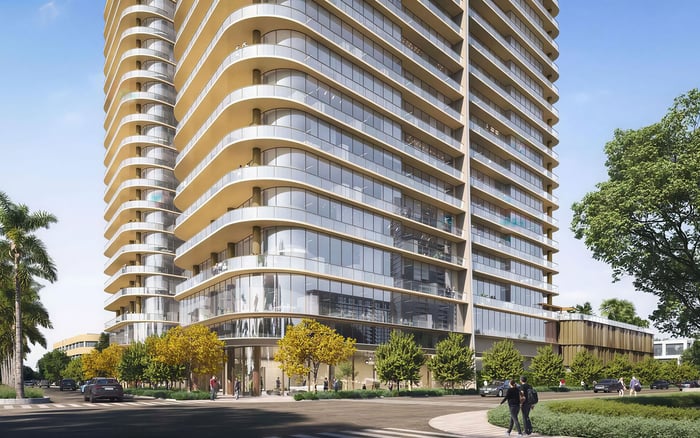
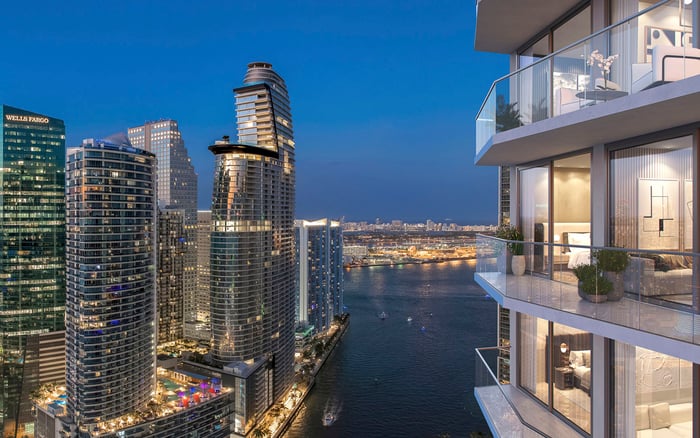
Midtown Miami offers remote executives a discreet, flexible base with urban energy, residential privacy, and access to a broader South Florida lifestyle.
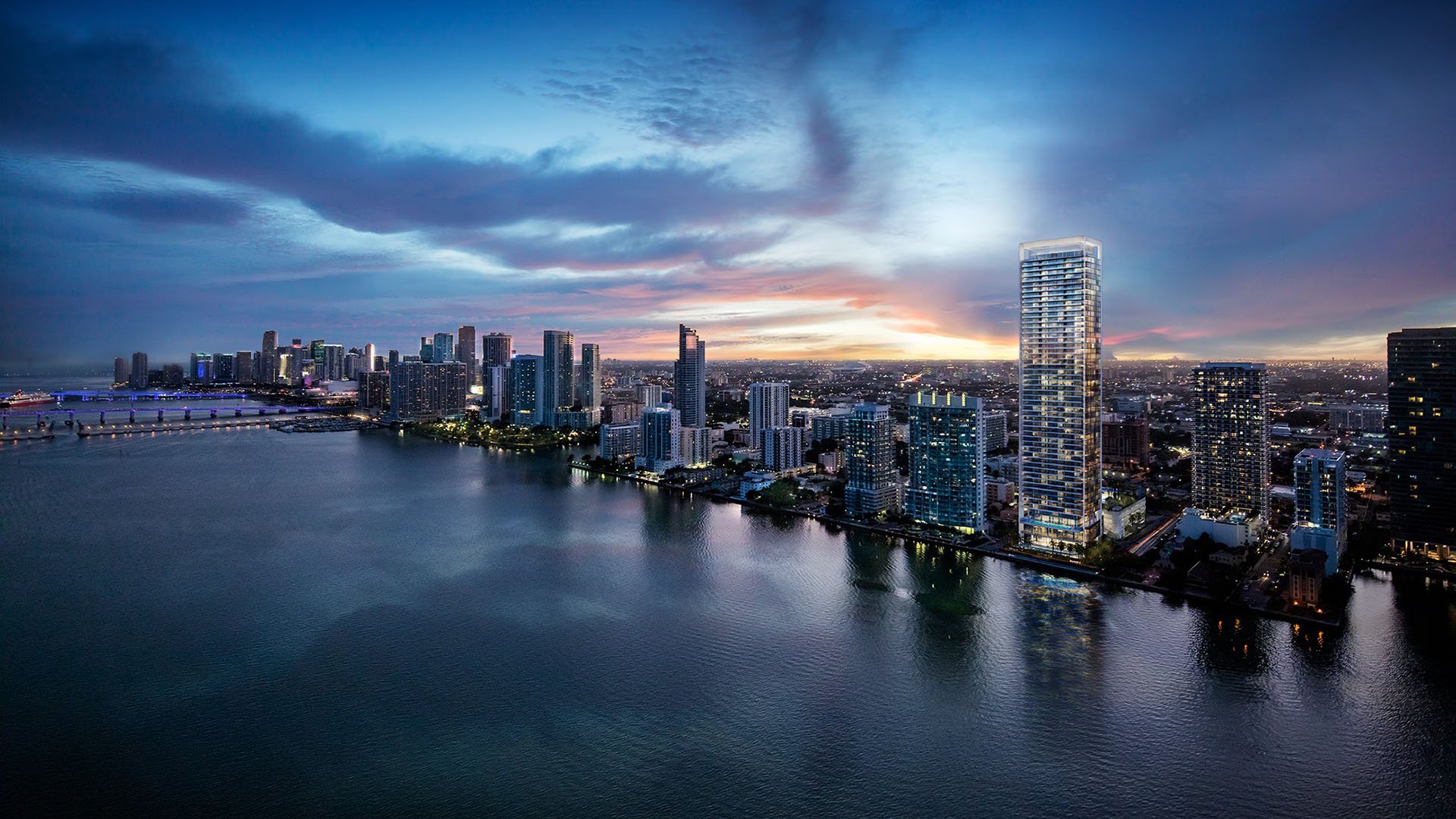
For remote executives, the ideal South Florida base is no longer defined only by proximity to a traditional office. It is defined by the ability to move cleanly between focus, wellness, dining, meetings, and private life without feeling stranded in a resort bubble or overexposed in a business district. Midtown Miami can serve that brief with unusual poise: urban enough to feel connected, residential enough to feel personal, and flexible enough to support an owner whose calendar may shift between video calls, investor dinners, airport departures, and quiet weekends.
The appeal is less about spectacle than rhythm. A refined remote base should make the workday feel lighter. It should offer a calm morning, a credible backdrop for calls, a place to host selectively, and the option to step into Miami’s cultural and dining life without turning every errand into a production. For many buyers, Midtown’s promise is this middle register: not the financial intensity of Brickell, not the beachfront formality of Miami Beach, and not the secluded pace of a purely residential enclave.
Executives relocating or expanding their South Florida footprint often arrive with a specific question: where can I live well without overcommitting to a single version of Miami? Midtown answers through optionality. It can function as a primary residence, a lock-and-leave second home, or an investment position where the owner still wants personal use and design integrity.
That flexibility matters. A founder may want weeknight access to restaurants and galleries, but still need a residence where confidential calls remain private. A finance principal may compare Midtown with Brickell, then decide that a slightly less corporate daily atmosphere better suits a hybrid schedule. A family office executive may want a Miami base that keeps future choices open, including a later move to waterfront living or a more traditional estate environment.
This is also where new-construction thinking becomes important. In a remote-work world, buyers are not simply counting bedrooms. They are studying ceiling heights, acoustic separation, package handling, arrival sequence, elevator experience, valet performance, natural light, and whether a den can operate as a true office rather than a decorative alcove. The best purchase is the one that makes professional intensity feel invisible at home.
The strongest Midtown fit is usually a residence that can separate public and private modes. Open entertaining space is attractive, but remote executives also need a room or corner that reads as calm, composed, and technically practical. A glassy living room may be beautiful at sunset, yet the real test is whether the home performs at 9:00 a.m. on a demanding call.
Within the Midtown conversation, Miami Design Residences Midtown Miami is a natural reference point for buyers who want the neighborhood itself to be part of the residential thesis. The project belongs in the early search because it anchors the idea of Midtown as more than a transitional address. It suggests a buyer who wants design, urbanity, and convenience to work together rather than compete.
Still, an executive should compare beyond one neighborhood. Edgewater, for example, can appeal to owners who want a more bay-oriented frame while remaining within the broader Miami urban conversation. EDITION Edgewater speaks to a hospitality-minded buyer who values service, finish, and a polished arrival experience. Nearby, Villa Miami may interest those who want a culinary and lifestyle identity woven into the residential experience.
The comparison is not about declaring one district superior. It is about identifying which daily pattern feels most natural. Midtown can suit the buyer who wants urban efficiency without living inside the full downtown tempo. Edgewater may suit the buyer who wants a softer water-facing sensibility. Brickell can be compelling for the executive who wants the corporate ecosystem at the center of daily life.
A disciplined buyer should place Midtown in a three-part frame: work adjacency, lifestyle adjacency, and privacy. Brickell remains the reference point for a dense executive environment. If the buyer expects frequent in-person meetings, formal dining, and a more vertical business culture, 2200 Brickell can be part of the comparison. The question is whether that intensity is energizing or unnecessary.
Wynwood introduces a different lens. It is useful for buyers who want creative energy in their Miami routine, especially those whose professional life intersects with design, hospitality, art, media, or brand-building. Midtown can feel like a composed counterpoint to that energy: close enough in spirit to participate, yet capable of feeling more residential when the day requires quiet.
For the executive buyer, this triangulation is practical. Brickell offers the corporate reference. Wynwood offers the creative reference. Edgewater offers the water-facing lifestyle reference. Midtown can sit between these impulses as a base that does not over-identify with any one of them. That restraint is precisely the luxury.
The most elegant residence can fail if it does not respect an executive’s operating needs. Before committing, buyers should test the home as if they already live there. Stand where the desk would be. Listen for mechanical sound. Study the light at the hours when calls usually happen. Understand how guests arrive, how deliveries are handled, and whether the building experience feels discreet rather than performative.
Parking and circulation deserve close attention. Remote executives may not commute daily, but they often move irregularly and with urgency. The best building experience removes friction from those movements. The lobby should feel secure without feeling theatrical. Elevators should support privacy. Amenity spaces should add value without becoming an obligation to socialize.
Storage is another quiet luxury. A refined South Florida base often needs room for formalwear, resort clothing, sports equipment, luggage, tech, and entertaining pieces. If the residence is intended as a second home, the lock-and-leave logic becomes even more important. The owner should be able to arrive, work, host, and depart with minimal operational drag.
Midtown Miami is compelling because it does not ask the executive buyer to choose between ambition and ease. It can be cosmopolitan without being overly formal, central without feeling consumed by office culture, and polished without requiring beachfront pageantry. In a market where many luxury buyers are assembling multi-city lives, that balance has value.
The best Midtown purchase is not necessarily the most dramatic residence. It is the one that supports the owner’s private operating system. It should make work feel controlled, leisure feel spontaneous, and Miami feel accessible on the owner’s terms. For the remote executive, that may be the most refined definition of a South Florida base.
Is Midtown Miami a good fit for remote executives? Yes, for buyers who want an urban Miami base with flexibility, discretion, and access to multiple lifestyle districts.
How should an executive compare Midtown with Brickell? Brickell may feel more corporate, while Midtown can offer a less formal daily rhythm. The right choice depends on meeting patterns and lifestyle priorities.
Does Midtown work as a second-home location? It can, especially for owners who want a lock-and-leave Miami base that supports work trips, dining, and cultural access.
What floor plan features matter most for remote work? Look for acoustic separation, natural light, a credible office zone, strong storage, and a layout that separates calls from entertaining space.
Should buyers prioritize amenities or in-unit workspace? In-unit workspace usually matters more for daily performance. Amenities add value when they support wellness, privacy, and convenience.
Is Midtown more lifestyle-oriented than investment-oriented? It can be both, but the strongest decisions begin with personal use and then consider long-term flexibility.
How does Wynwood factor into a Midtown decision? Wynwood can add creative and cultural energy to the broader search. Midtown may appeal to buyers who want that energy nearby without living directly inside it.
Is Edgewater a natural comparison for Midtown buyers? Yes, Edgewater is relevant for buyers who want a more water-facing residential mood while staying in the Miami urban conversation.
What should international buyers focus on first? They should focus on building operations, arrival privacy, storage, remote management, and how easily the residence functions between visits.
What is the best way to shortlist comparable options for touring? Start with location fit, delivery status, and daily lifestyle priorities, then compare stacks and elevations to validate views and privacy.
When you're ready to tour or underwrite the options, connect with MILLION.
If branded residences are on your mind — as a home or as an allocation — we would be glad to share what we are seeing, privately.
Begin a quiet conversation