A discreet buyer’s guide to insurance binder timing in Key Biscayne, with practical questions for luxury purchasers before deposit, financing, and closing deadlines converge.
In Key Biscayne, the elegance of a purchase can obscure a practical truth: insurance timing may determine whether a closing proceeds with quiet precision or becomes a late-stage scramble. For ultra-prime buyers, the issue is rarely whether they value the residence. The sharper question is whether the insurance binder can be issued, accepted, and coordinated with the lender, condominium association, escrow deadlines, and closing team on the actual calendar of the transaction.
An insurance binder is not a decorative document. It is the practical bridge between an accepted offer and formal policy issuance. It gives the closing parties evidence that coverage is in place, or expected to be in place, under defined terms. In a coastal luxury market, that evidence can affect financing, association compliance, flood and wind considerations, and the buyer’s ability to take possession without ambiguity.
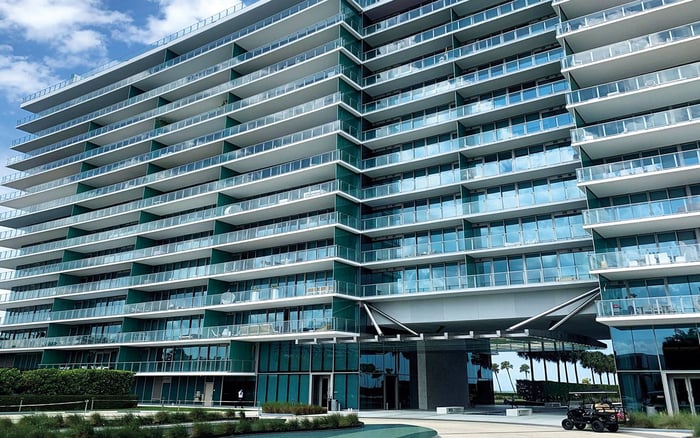
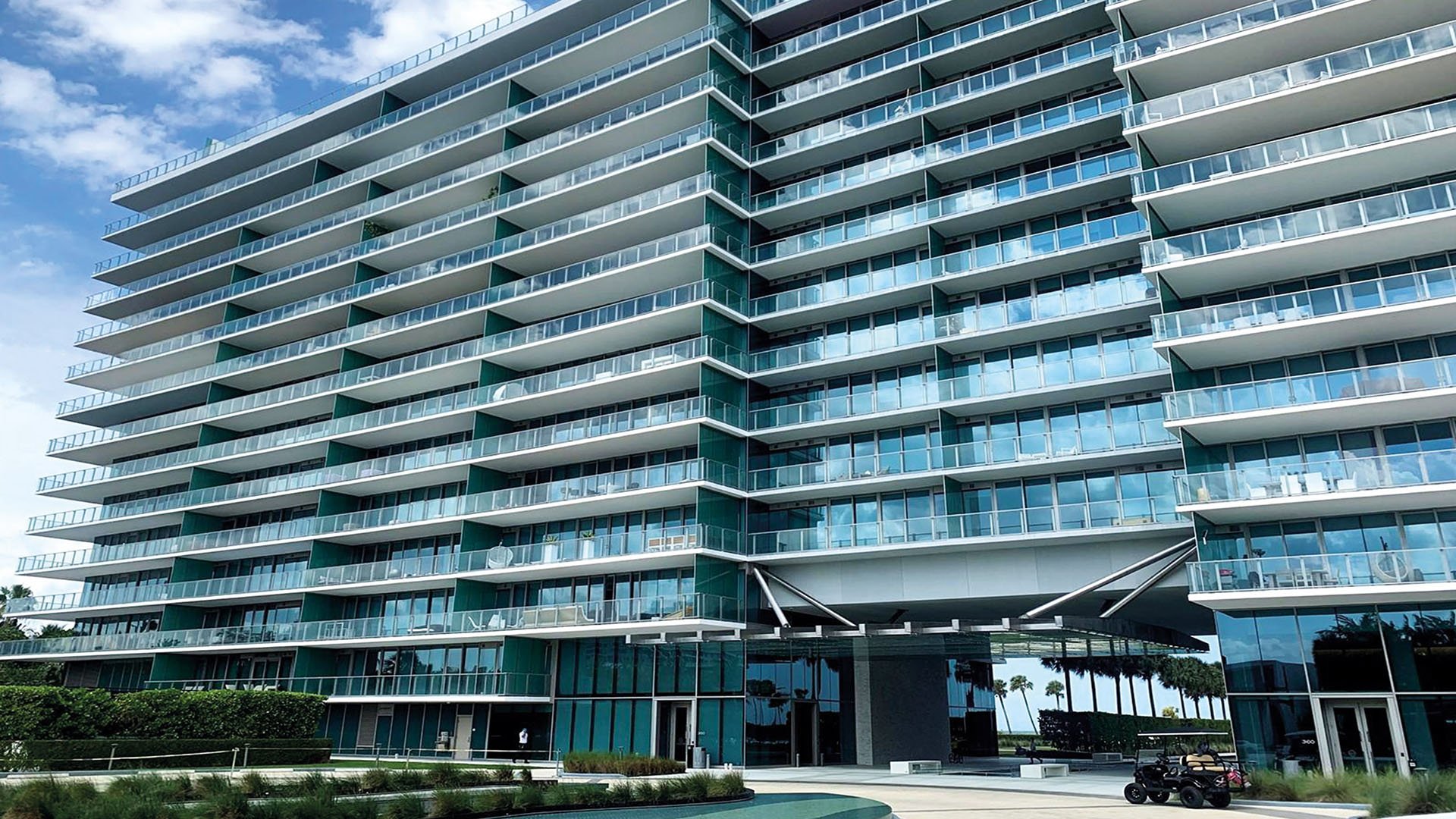
For a buyer considering a waterfront condominium such as Oceana Key Biscayne, binder timing should be discussed before the contract feels emotionally inevitable. The same is true for a trophy single-family residence, a penthouse, or a second residence held through a trust or family office. The moment to ask is not the week before closing. It is before the inspection period, financing contingency, and deposit milestones begin to compress.
For Key Biscayne buyers, the most sophisticated posture is not alarm. It is sequencing.
The first question is deceptively simple: when can the binder be issued after contract execution? A vague assurance that coverage appears available is not the same as a dated expectation for binder delivery. Ask the insurance adviser what documents are needed, who must provide them, and which items most commonly delay issuance.
For a condominium, the buyer’s personal coverage is only one part of the conversation. The association’s insurance evidence may matter, especially when a lender is involved. Ask whether the insurer or lender will need the association master policy, flood information, wind details, building documents, closing statement details, mortgagee clause language, or confirmation of how the unit will be used.
The answer should produce a timeline. If binder issuance depends on receiving association documents, ask who is requesting them, when they will be requested, and whether the seller, listing agent, management office, or closing attorney must authorize their release. In luxury transactions, everyone may be responsive, yet the calendar still matters.
Buyers comparing island living with other coastal addresses, from Oceana Bal Harbour to Eighty Seven Park Surfside, should keep the same discipline: insurance evidence should move in parallel with legal and financial review, not behind it.
A premium purchase price does not make insurance review generic. Oceanfront exposure, waterview orientation, floor level, use pattern, ownership structure, renovation plans, and financing can all shape the documentation conversation. The buyer should ask whether the binder will reflect the actual buyer name, entity name, lender information, property address, coverage type, effective date, and any required endorsements.
Resale acquisitions deserve particular attention because closing timelines can be shorter, and the property may already have a rhythm of association documents, prior claims questions, renovations, or lender expectations. Newer developments may have their own document flow, while established buildings may require coordination with management offices and association representatives.
Second-home buyers should be especially clear about occupancy. If a residence will be used seasonally, occupied by family, held vacant for periods, or supported by staff, ask whether those details need to be disclosed for binder issuance. If the property is part of a broader investment strategy, clarify whether any rental use is contemplated, because the intended use can affect the insurance conversation.
The same care applies across the luxury spectrum. A buyer evaluating a bayfront residence at Una Residences Brickell may face a different building context than a buyer pursuing island privacy at The Residences at Six Fisher Island, but the binder questions remain grounded in the same principle: the policy evidence must match the real transaction, not an idealized version of it.
Insurance should be mapped against the contract from the beginning. Ask your adviser, attorney, and lender to identify the date by which binder evidence should be in hand for a comfortable closing. Then compare that date with the end of the inspection period, the financing deadline, the condominium approval timeline, the deposit schedule, and the final walkthrough.
A careful buyer should ask: if the binder cannot be issued by a certain date, what choices remain? Can the issue be cured by providing missing documents? Is the delay administrative, underwriting related, or dependent on third parties? Would the lender accept preliminary evidence, or does it require a specific binder format? These questions should be asked before leverage fades.
The goal is not to turn a beautiful acquisition into a bureaucratic exercise. It is to protect the elegance of the purchase. In the luxury market, delays are rarely dramatic at first. They appear as one missing document, one wording change, one unanswered question from a lender, or one association certificate that has not yet arrived. Binder timing gives those small issues a place on the closing calendar.
Before the buyer’s deposit becomes meaningfully at risk, the insurance adviser should be able to discuss the likely path to binder issuance. Ask which carriers or markets are being approached, what information they require, and whether the property’s characteristics create any special review. Avoid asking only for the premium estimate. Premium matters, but timing and conditions matter equally.
Ask whether inspections, photographs, elevation information, building documents, or lender clauses are needed. Ask if the binder can be revised quickly if the buyer name changes from an individual to an entity. Ask whether the closing date and effective date are aligned. Ask whether the adviser has reviewed the lender’s insurance requirements, not merely the buyer’s coverage preferences.
If the purchase involves a trust, limited liability company, family office, or cross-border buyer, raise that structure early. The insurance binder should be built for the actual owner of record and the actual closing documents. A late ownership change can create avoidable friction if it is not anticipated.
The lender should be asked exactly when it needs insurance evidence and in what form. A buyer should not assume the lender’s requirements are identical to the insurer’s binder format. Request the mortgagee clause, required coverage language, and any special flood or wind documentation expectations early.
The attorney should be asked how insurance timing interacts with contract contingencies. This is not a substitute for legal advice, but it is a prompt for a more complete closing strategy. If the binder is delayed, the buyer should understand which deadlines matter and who has authority to request an extension.
For a condominium or managed community, ask the association or management office how quickly insurance certificates and building documents are typically provided to authorized parties. Confirm whether fees, forms, owner consent, or lender-specific language are required. In a polished transaction, this request is not left to the last minute.
Luxury buyers often focus on view corridors, privacy, service, architecture, and lifestyle. Those are the reasons to buy in Key Biscayne. Yet the closing itself is won in the details that never appear in a glossy presentation. Insurance binder timing is one of those details.
A well-prepared buyer asks early, documents the answers, and makes timing visible to the entire advisory circle. That is not pessimism. It is the discipline that allows a major acquisition to feel effortless.
What is an insurance binder? It is temporary evidence of insurance coverage that can support the closing while the formal policy process is completed.
When should I ask about binder timing? Ask before signing or immediately after contract execution, especially before deposit and contingency deadlines become difficult to adjust.
Is a premium quote the same as a binder? No. A quote may indicate pricing, while a binder is evidence tied to coverage terms, parties, property details, and effective dates.
Why does binder timing matter in Key Biscayne? Coastal luxury purchases often require coordination among insurers, lenders, associations, attorneys, and closing teams.
Should cash buyers still care about binder timing? Yes. Even without lender requirements, the buyer needs clarity on coverage, effective dates, ownership name, and closing readiness.
What should condominium buyers request early? Ask for association insurance evidence, building documents, and any information your insurer or lender needs to review the unit.
Can ownership structure affect the binder? It can. If the buyer will use a trust, entity, or family office structure, raise that before the binder is prepared.
What if the binder is delayed? Determine whether the delay is caused by missing documents, underwriting review, lender language, or third-party approval.
Should the binder effective date match the closing date? Ask your insurance adviser and closing team to confirm the effective date aligns with the transaction and possession plan.
Who should coordinate binder timing? The buyer’s adviser, insurance professional, lender, attorney, and closing team should all share the same calendar.
To compare the best-fit options with clarity, connect with MILLION.
If branded residences are on your mind — as a home or as an allocation — we would be glad to share what we are seeing, privately.
Begin a quiet conversation