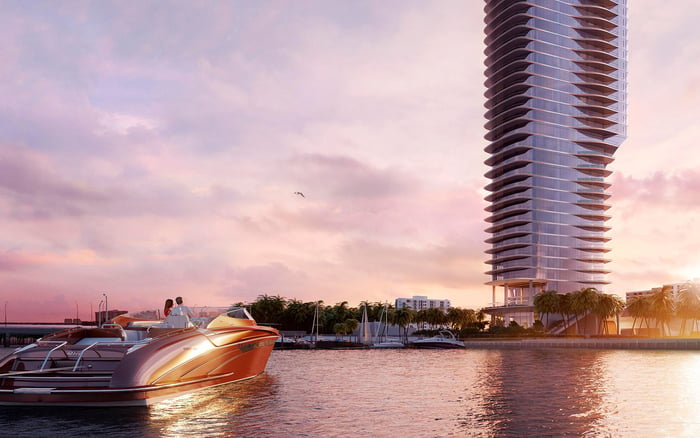
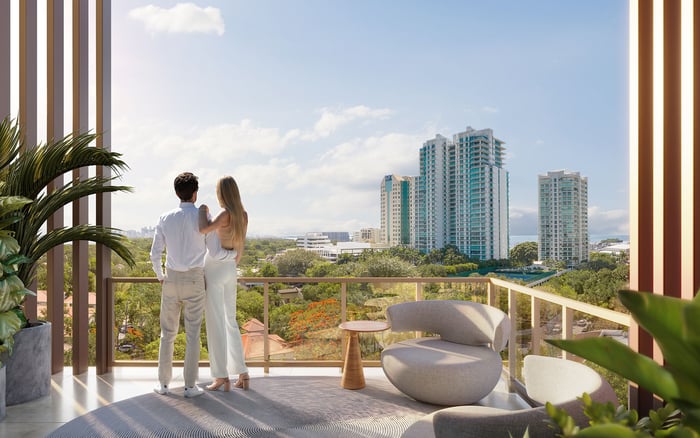
A buyer-focused look at why Kempinski Residences Miami Design District can merit attention from purchasers who want a Miami home to live in, not simply to hold.
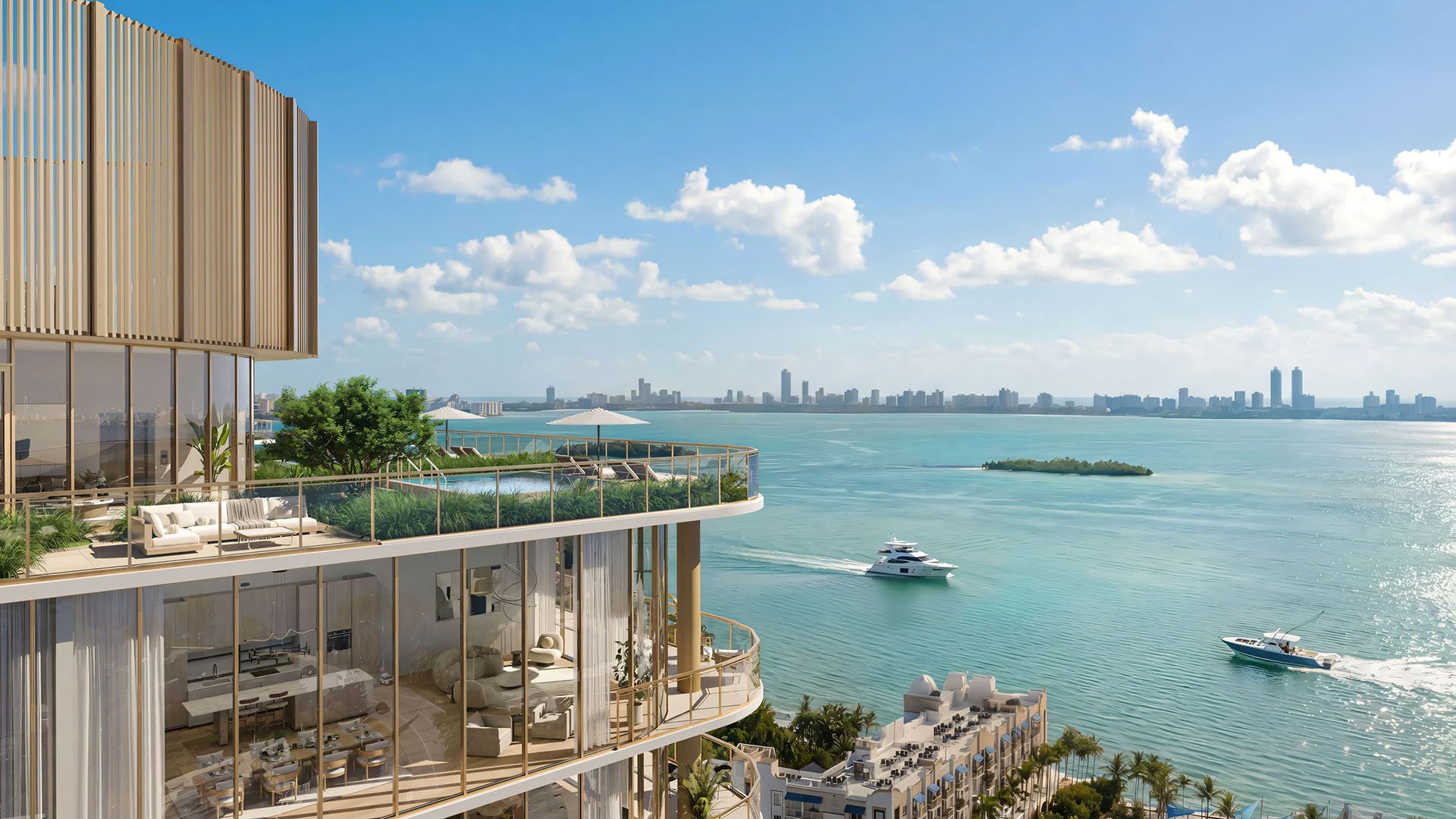
A primary-residence purchase in Miami is not evaluated like a trophy pied-à-terre. It has to work on ordinary mornings, quiet evenings, family visits, remote workdays, errands, entertaining, privacy needs and the simple desire to feel settled. That is why Kempinski Residences Miami Design District belongs in the conversation for buyers who are not simply collecting an address, but building daily life around one.
The question is not whether a residence feels impressive in a presentation. The better question is whether it supports a repeatable rhythm. Can the home feel calm after a long flight? Can it receive guests gracefully without becoming performative? Can the building experience feel polished without making daily living feel hotel-like in the wrong way? For buyers focused on a primary-residence strategy, the shortlist should favor projects that balance identity, service and livability.
This is where the Design District context matters. A buyer drawn to this part of Miami is usually not seeking a conventional resort lifestyle or a purely financial holding pattern. The appeal is more urban, more design-conscious and more integrated with the city’s cultural energy. Within that frame, Kempinski Residences Miami Design District offers a clear thesis: branded hospitality, placed in a design-forward setting, evaluated through the lens of long-term personal use.
Branded Residences can be compelling for primary users when service feels intuitive rather than theatrical. The best version is not constant attention. It is the removal of daily friction: arrival, maintenance, reception, guest coordination, wellness routines and the small operational details that make a residence easier to inhabit over time.
For a full-time Miami buyer, that distinction is essential. A second-home owner may prioritize dramatic arrival and occasional-use amenities. A primary resident tends to care about how the building functions on a Tuesday afternoon. The lobby should be discreet. The vertical circulation should feel composed. The private residence should be practical enough to live in, not simply photogenic enough to market.
Kempinski Residences Miami Design District belongs on the shortlist because its value proposition can be assessed through that more disciplined lens. Rather than asking whether it is the loudest new address, a buyer can ask whether its brand association, residential positioning and Design District identity align with a daily living strategy. That is the more mature question, and it is the question serious buyers are increasingly asking.
Miami’s luxury map offers very different versions of daily life. Brickell tends to suit buyers who want density, skyline energy and immediate access to a business-oriented urban rhythm. A project such as The Residences at 1428 Brickell speaks to that vertical, city-core buyer who wants a polished residential base in the financial district.
Coconut Grove offers a different cadence, often appealing to those who want a more residential, gardened and village-like sense of permanence. Buyers weighing that softer lifestyle may look at Four Seasons Residences Coconut Grove as part of a broader comparison set.
Miami Beach, by contrast, emphasizes proximity to the water and a more resort-inflected identity. The Perigon Miami Beach can enter the discussion for buyers who want the beach to define the daily experience.
The Design District proposition is different. It is not trying to be Brickell, Coconut Grove or Miami Beach. It is about design proximity, urban sophistication and a home base connected to Miami’s evolving creative center. For the right buyer, that distinction is not a compromise. It is the reason to shortlist it.
For a primary-residence buyer, due diligence should be personal before it is financial. Floor plan logic comes first. A residence can have an elegant brand narrative and still fail if the entry sequence, storage, kitchen function, bedroom separation or terrace usability do not support the buyer’s actual life. The most beautiful plan on paper must still be tested against morning routines, family structure and entertaining habits.
Privacy should be evaluated with equal care. Primary residents generally want discretion in a deeper way than occasional users. That includes how guests arrive, how service interfaces with private living areas, how elevators are organized and whether the residence feels insulated from unnecessary exposure. The building should feel social when desired and quiet when required.
Operational culture is another major consideration. A buyer should understand how the residence is intended to function, what services are central to the experience and how the brand presence may influence daily life. The goal is not maximum amenity count. The goal is consistency, hospitality intelligence and a sense that the property will age with dignity.
A primary-residence strategy often favors long-hold thinking. The buyer is not simply trying to time a launch cycle or capture short-term attention. The buyer is asking whether the address can remain personally relevant through changing family needs, work patterns and lifestyle preferences.
That is why lifestyle matters as much as finish level. A residence used every day must support routine and ritual. It should allow for quiet mornings, spontaneous dinners, visiting family, wellness habits and moments of retreat. The strongest new-construction candidates are not merely new. They are adaptable, composed and convincing as actual homes.
Kempinski Residences Miami Design District can be evaluated within that framework. It gives the buyer a chance to consider whether a branded, design-oriented Miami address can serve as a true home base rather than a seasonal indulgence. For the right resident, that is a meaningful distinction.
It also belongs in buyer’s guides because it forces a better comparison. Instead of ranking projects only by spectacle, buyers can compare use cases. Is the goal to wake up in Brickell, by the beach, in Coconut Grove or in the Design District? Is the preferred atmosphere corporate, coastal, village-like or design-led? The answer can clarify the shortlist quickly.
For buyers who want to remain near Miami’s creative axis while still comparing neighboring residential options, Miami Design Residences Midtown Miami may also be part of the broader conversation. The point is not to chase every new address, but to understand which environment best matches the way the buyer intends to live.
A disciplined shortlist should answer five questions. First, does the location improve everyday life, not just resale language? Second, does the floor plan support actual routines? Third, does the building culture feel private, polished and manageable? Fourth, does the brand enhance the residential experience without overwhelming it? Fifth, can the buyer imagine living there through ordinary weeks, not only during peak Miami moments?
Kempinski Residences Miami Design District deserves attention because it can be tested against those questions. It is not only a brand conversation. It is a primary-residence conversation, which is more demanding and ultimately more revealing.
For South Florida’s most selective buyers, the winning home is rarely the one with the loudest claim. It is the one that feels inevitable after the noise has been removed. If Kempinski Residences Miami Design District supports the buyer’s private rhythm, household needs and preferred Miami identity, it belongs firmly on the shortlist.
Is Kempinski Residences Miami Design District better suited to primary residents or second-home buyers? It can be considered by either profile, but primary-residence buyers should focus on daily comfort, privacy and operational consistency.
Why does the Design District matter for a full-time Miami buyer? The Design District offers a design-led urban identity, which may appeal to buyers who want a city-connected home base rather than a beach or financial-district lifestyle.
How should buyers compare it with Brickell residences? Brickell may suit buyers seeking a denser business-district rhythm, while Kempinski Residences Miami Design District should be judged on a more design-oriented daily lifestyle.
What should come first in due diligence? Floor plan usability should come first, followed by privacy, service model, building operations and the surrounding lifestyle fit.
Are Branded Residences always better for primary living? Not always. The brand must translate into quieter, easier daily living rather than simply adding ceremony.
Should amenity count drive the decision? No. Primary residents should prioritize relevant amenities, consistent service and spaces they will genuinely use.
What makes a residence feel suitable for long-term use? A strong long-term residence usually offers practical planning, adaptable rooms, privacy, quality materials and a location that supports routine.
Is new-construction the main advantage? New-construction can be attractive, but the more important test is whether the home will remain functional and desirable after the initial launch excitement fades.
How many projects should a serious buyer compare? A focused shortlist of three to five projects is often more useful than a broad search that mixes incompatible lifestyles.
What is the best way to shortlist comparable options for touring? Start with location fit, delivery status, and daily lifestyle priorities, then compare stacks and elevations to validate views and privacy.
If you'd like a private walkthrough and a curated shortlist, connect with MILLION.
If branded residences are on your mind — as a home or as an allocation — we would be glad to share what we are seeing, privately.
Begin a quiet conversation