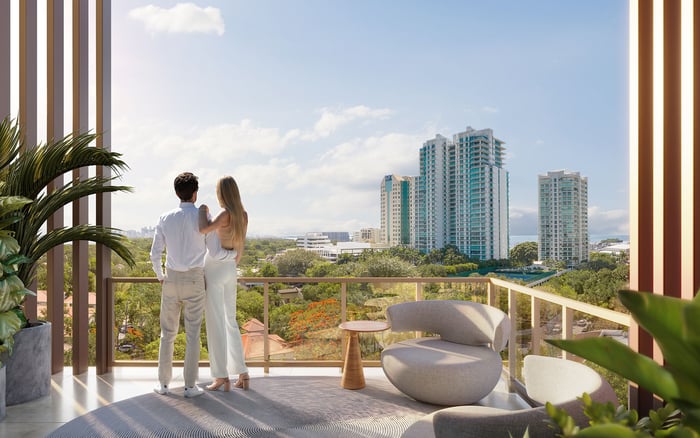
A buyer-oriented guide to when fractional ownership can make sense for South Florida luxury residence seekers, and when whole ownership remains the cleaner path.
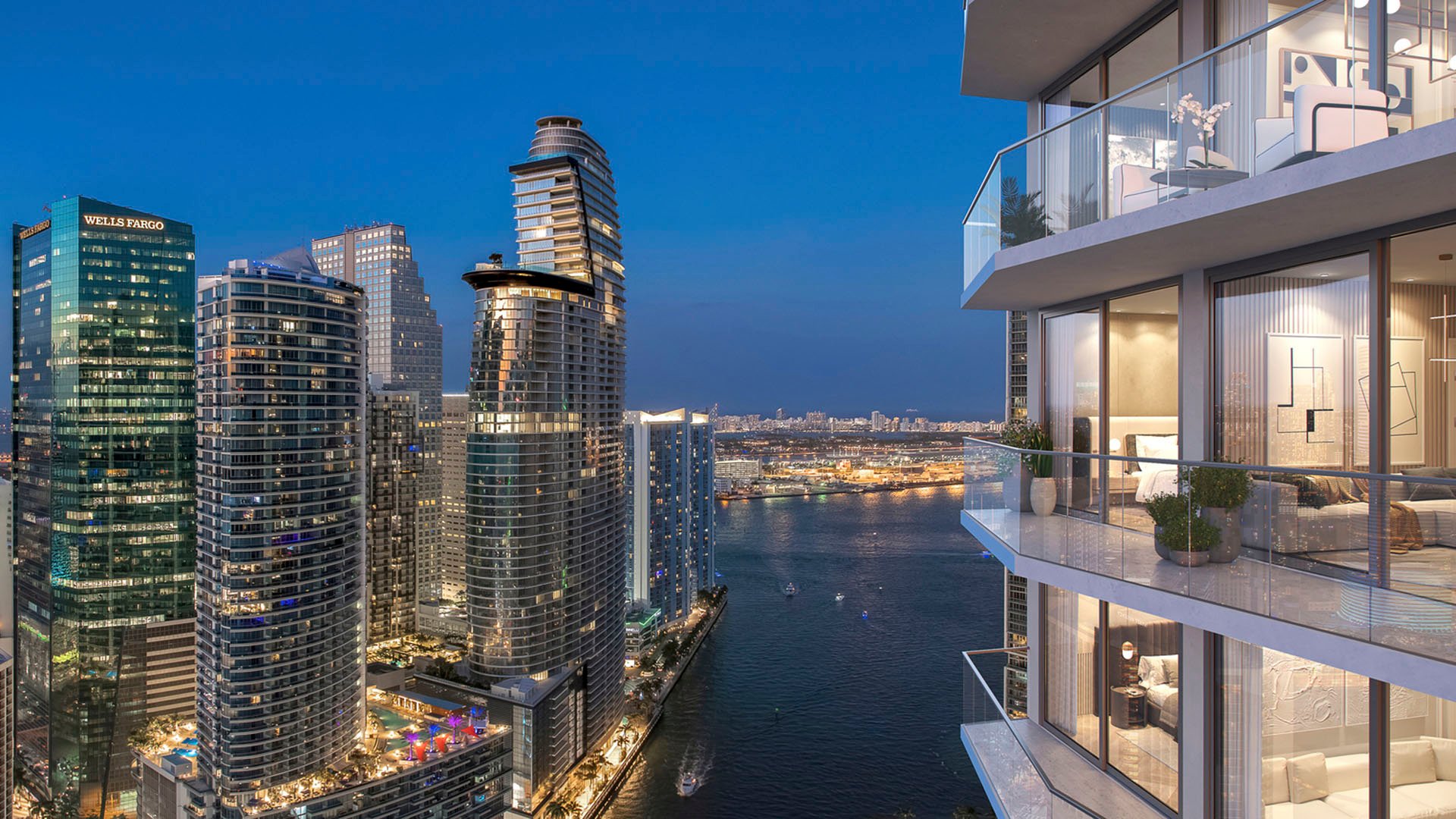
For the South Florida second-home buyer, the appeal is immediate: winter light, waterfront mornings, long weekends that feel longer than they are, and a residence that performs without constant attention. The harder question is whether full ownership is necessary when actual use may be measured in weeks rather than seasons.
Fractional ownership enters that conversation as a middle path. It is not simply a way to buy less. At the luxury level, it is a way to align access, privacy, service, and capital with the way a household truly lives. For some buyers, shared use can feel refined, rational, and liberating. For others, it can feel too scheduled, too collective, or too dependent on rules that do not suit their cadence.
The right answer begins with honesty. How often will the residence be used? Who will use it? Is the property intended for school breaks, art weeks, marina weekends, family gatherings, or quiet recovery from a demanding professional life? These choices often begin as a Miami Beach fantasy, a Brickell work base, a Fort Lauderdale marina routine, or a Coconut Grove family rhythm. The structure should follow the lifestyle, not the other way around.
At its best, fractional ownership addresses three frictions: underuse, management burden, and capital concentration. A whole residence may offer maximum control, but it also brings year-round carrying costs, maintenance oversight, and decisions about staffing, security, insurance, and access. A shared-use model can concentrate the experience into the weeks that matter most while distributing responsibility among owners or through a professionally managed structure.
The luxury buyer should not evaluate fractional ownership as a bargain substitute. The more relevant question is whether it preserves the emotional benefits of a private residence: arrival without friction, a familiar address, reliable housekeeping standards, predictable storage, discreet service, and the ability to host without feeling like a transient guest. If the model compromises those essentials, it is not a luxury solution. It is simply a scheduling product.
Investment discipline matters, but it should not eclipse lifestyle discipline. Shared ownership may reduce exposure, yet it can also reduce flexibility. A buyer who values spontaneous travel, last-minute entertaining, or complete control over interiors may find the trade-off frustrating. A buyer who returns to South Florida on a recurring rhythm may find it elegant.
Fractional ownership tends to fit best when use is predictable. A household that knows it wants several winter visits, a spring holiday, and occasional long weekends can evaluate a usage calendar with clarity. If the family travels internationally for much of the year, or already maintains primary residences in multiple cities, a proportional interest may feel better aligned than owning a vacant apartment for months at a time.
It can also suit buyers who want a South Florida foothold before committing to a permanent purchase. Someone considering a future full-ownership residence in Brickell might study the service culture and vertical living experience of addresses such as St. Regis® Residences Brickell while deciding whether the urban waterfront lifestyle feels lasting. The fractional decision, in that sense, becomes part of a broader residence strategy.
A shared model may also appeal to families who want ease over personalization. If the kitchen does not need to be redesigned, the art wall does not need to be curated, and every closet does not need to be built around one owner’s wardrobe, the value of turnkey access grows. The buyer is paying for time well spent, not endless customization.
Whole ownership remains the cleaner path for buyers who require permanent access, design control, long-term family continuity, or estate planning simplicity. It also suits collectors, boaters, and frequent hosts who want the residence to function as an extension of identity. If the home must always be available, shared use is likely the wrong format.
In Miami Beach, a buyer drawn to oceanfront permanence may prefer the clarity of full ownership at properties such as The Perigon Miami Beach or The Ritz-Carlton Residences® Miami Beach, where the attraction is not only access to the coast but also the ability to make a residence feel entirely one’s own. The same is true for buyers who view a residence as a generational asset rather than a seasonal instrument.
The emotional dimension should not be minimized. Some owners simply want to open the door and know every object is theirs, every week is available, and every decision is private. Luxury is often measured in options, and whole ownership provides the most options.
The success of fractional ownership is largely determined before the first visit. Buyers should study reservation rules, priority periods, holiday access, cancellation procedures, guest policies, pet policies, storage rights, maintenance obligations, resale terms, and the process for resolving disputes. The finer the residence, the more important these details become.
A beautiful address cannot compensate for vague governance. If owners compete for the same winter weeks without a clear allocation system, tension follows. If standards for housekeeping, repairs, and replacement furnishings are not explicit, the experience can drift. If transfer rights are limited or approval procedures are opaque, future liquidity may be constrained.
Buyers should also consider whether the residence is part of a branded environment, a private club setting, a condominium, or a standalone shared-ownership structure. Each has a different personality. Service can be seamless, but only when authority is clearly assigned and expectations are documented.
South Florida is not one market experience. Brickell favors convenience, dining, finance, and a lock-and-leave rhythm. Miami Beach emphasizes sand, architecture, wellness, and social proximity. Fort Lauderdale brings boating culture and a different waterfront tempo, while Coconut Grove appeals to buyers who want shade, village texture, and access to Biscayne Bay.
For a boating-oriented buyer, full ownership near the water may feel indispensable, particularly when routines revolve around vessels, gear, guests, and spontaneity. A residence such as Four Seasons Hotel & Private Residences Fort Lauderdale illustrates the appeal of a serviced coastal base where hospitality and private living converge.
For buyers who prize a quieter residential atmosphere, Vita at Grove Isle offers a useful contrast: the decision is less about occasional access to a destination and more about the daily mood of a place. Fractional ownership can work in any setting only if the use pattern matches the neighborhood’s rhythm.
Before choosing shared use, map the next three years. Identify likely arrival dates, family members, guests, school calendars, work obligations, and the months when South Florida matters most. Then compare that pattern with the access being offered. If the overlap is strong, the model deserves attention. If the calendar requires compromise from the start, the property may disappoint.
Next, price the invisible elements: flexibility, privacy, control, and peace of mind. A lower capital commitment is meaningful only if the buyer does not sacrifice the moments that justified the purchase. In the luxury segment, disappointment is rarely about square footage alone. It is about arriving during the wrong week, sharing decisions with the wrong group, or discovering that the residence feels less personal than expected.
The best fractional purchases are made by buyers who know themselves. They understand that a South Florida residence is not just an asset. It is a ritual, a refuge, and sometimes a stage. Shared use fits when that ritual is consistent, governance is strong, and the buyer values access more than absolute possession.
Is fractional ownership the same as a timeshare? Not always. Fractional ownership is generally discussed as an ownership interest, while a timeshare is generally discussed as a use-right structure.
Who is the ideal South Florida fractional buyer? The best fit is usually a buyer with predictable seasonal use who values service, ease, and reduced management responsibility.
When should a buyer avoid fractional ownership? Avoid it if permanent access, total design control, or spontaneous use is central to the lifestyle.
Can fractional ownership work for families? Yes, if school calendars, holiday rules, guest access, and bedroom needs align with the ownership documents.
What documents deserve the closest review? Reservation rules, resale provisions, expense obligations, governance rights, maintenance standards, and dispute procedures are essential.
Is fractional ownership mainly an investment decision? It should be treated first as a lifestyle decision, with financial exposure and exit terms evaluated carefully afterward.
Does location matter as much in a shared-use model? Yes. The neighborhood still determines how the residence feels during the limited weeks it is used.
Can a fractional interest lead to whole ownership later? It can serve as a useful trial period for buyers still deciding which South Florida lifestyle fits best.
Should buyers prioritize brand or governance? Brand can enhance service, but governance determines how smoothly owners share access and responsibility.
What is the simplest rule of thumb? If the calendar feels natural and the rules feel clear, fractional ownership may fit; if either feels forced, keep looking.
For a tailored shortlist and next-step guidance, connect with MILLION.
If branded residences are on your mind — as a home or as an allocation — we would be glad to share what we are seeing, privately.
Begin a quiet conversation