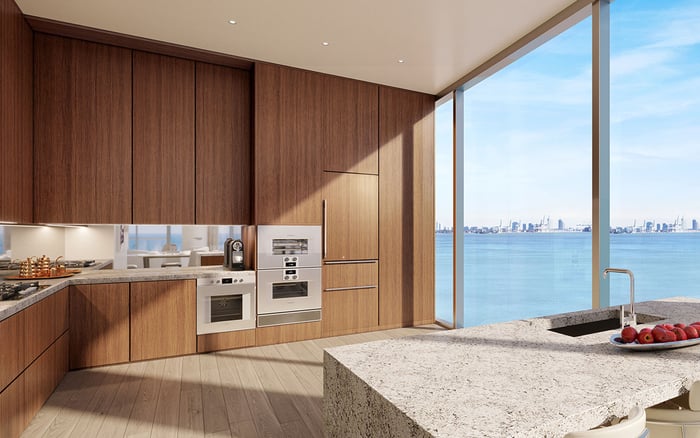
For South Florida’s full-time luxury homeowners, kitchen ventilation is not a minor appliance detail. It is a daily comfort, humidity, odor, and finish-preservation issue that seasonal guests experience only briefly.
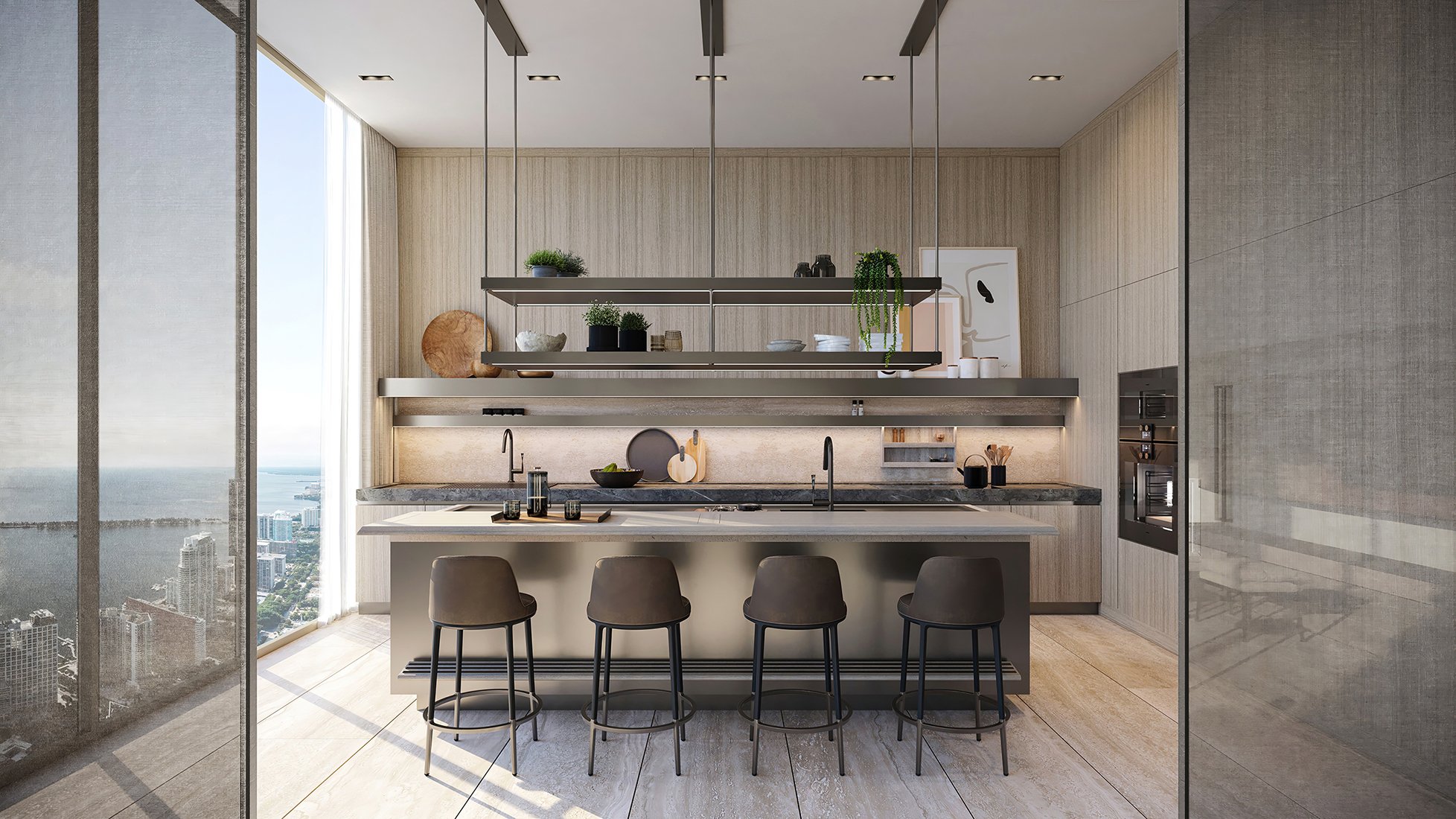
For a seasonal guest, a South Florida kitchen may mean brief visits, catered evenings, and the occasional breakfast before the beach. For a full-time owner, it plays a different role. The kitchen becomes a daily use zone, a source of heat, moisture, and odor, and a central part of the home’s comfort strategy.
That distinction matters in a hot, humid region where air-conditioning, enclosure, and moisture control shape year-round livability. Luxury homes are often designed for quiet interiors, controlled light, and precise climate management. When kitchen air is not handled well, the result may be subtle: lingering cooking smells, a warmer open-plan living area after dinner, or a kitchen that feels harder to reset after frequent use.
For full-time residents, the concern is cumulative. A system that feels acceptable during a short stay may not support daily routines with the same ease. That is why kitchen ventilation belongs in the same conversation as filtration, dehumidification, window systems, and whole-home comfort.
Kitchen air is not just warm air. Cooking can add moisture, grease, odor, and airborne residue to the surrounding space. When cooking is frequent, those effects can reach beyond the island and into dining rooms, lounges, corridors, and nearby suites.
A seasonal guest may cook lightly for several days and leave. A full-time owner may prepare daily meals, host family dinners, entertain through rainy weeks, and use the kitchen through every humid season. The difference is not only how a kitchen looks, but how consistently it performs.
This is especially important in open residences where the kitchen is part of the main living experience. A dramatic range, sculptural hood, and stone-clad island may photograph beautifully, but the stronger long-term question is whether the ventilation works quietly and reliably during real use.
In South Florida, ventilation is also a moisture and odor-management issue. Cooking adds water vapor and heat to interiors already shaped by coastal humidity. If that added load is not managed, the home may feel less stable after meals, especially in open-plan residences with large entertaining areas.
Moisture control also affects how finishes age. Cabinetry, stone, decorative lighting, fabrics, wallcoverings, and millwork all benefit from a home that feels dry, fresh, and balanced. For an owner in residence most of the year, the objective is not simply to remove a dinner smell. It is to maintain a consistent indoor environment after repeated daily use.
A thoughtful kitchen strategy starts at the source. A hood that exhausts cooking air outdoors is typically a stronger approach than relying only on a recirculating unit. Air cleaning and filtration can support the broader environment, but source capture remains central to a kitchen that is used often.
A strong kitchen review begins with a simple question: does the hood exhaust outdoors, or does it recirculate? Recirculating units may be suitable in some layouts, but full-time owners should understand what they are accepting before treating the hood as a purely aesthetic choice.
Capacity matters, but sizing should be coordinated with the cooking equipment, duct path, hood geometry, and the residence’s broader mechanical design. More power is not automatically better if the system is noisy, poorly balanced, or unpleasant to use. A ventilation system succeeds when residents actually turn it on because it is effective, quiet, and intuitive.
Air balance is equally important. A strong exhaust system removes air from the home, and the residence needs a coordinated way to remain comfortable while that happens. Buyers should ask how the system was designed, not only what appliance brand is installed.
Noise deserves special attention in luxury homes. If a fan disrupts conversation, music, or an open living room, owners may avoid using it. A quieter system with thoughtful controls, accessible filters, and integrated lighting is often more valuable than a dramatic hood that performs poorly in daily life.
South Florida luxury living often favors open kitchens connected to dining, lounge, and terrace areas. This spatial generosity is beautiful, but it leaves less room for ventilation mistakes. Once cooking moisture and odors leave the capture zone, they can move into soft furnishings, bedrooms, closets, and media rooms.
In Brickell, Miami Beach, Coconut Grove, Sunny Isles, Fort Lauderdale, and Palm Beach residences, buyers often focus on views, finishes, ceiling heights, privacy, and outdoor space. Those features remain essential, but a full-time owner should also study duct routing, hood depth, exhaust placement, and whether the system is matched to the way the kitchen will actually be used.
The kitchen is one of the few rooms where lifestyle and building performance meet every day. A quiet breakfast, a chef-led dinner, a family meal, and a rainy-season evening all test the same ventilation strategy.
Healthy kitchen ventilation supports the sensory quality of the home. Lingering odors can subtly change how a residence feels, particularly in enclosed corridors, media rooms, closets, and primary suites. Airborne residue can settle on cabinetry, decorative lighting, ceiling surfaces, and fabrics over time.
In an ultra-premium residence, perceived quality is cumulative. A home that smells clean, feels dry, and recovers quickly after cooking communicates care. A home that holds odors or feels humid after meals communicates the opposite, even if its finishes are expensive.
For full-time owners, the best question is not whether the hood looks dramatic in a photograph. It is whether the ventilation strategy supports daily living quietly, efficiently, and repeatedly. The most elegant system is the one residents use because it is effective, balanced, and integrated into the home’s broader design.
Why does kitchen ventilation matter more for full-time owners? Full-time owners use the kitchen more consistently, so comfort, odor, and moisture performance matter every day rather than only during short visits.
Is this only a concern for gas cooking? No. Any frequent cooking can add heat, moisture, odor, and residue to the surrounding space.
Is a recirculating hood enough for a luxury home? It depends on the residence and cooking habits, but full-time owners should understand that recirculation is different from exhausting air outdoors.
What should buyers ask about a kitchen hood? Ask whether it exhausts outdoors, how it is ducted, how loud it is, how easy it is to clean, and whether it suits the cooking equipment.
Can a hood be too powerful? A powerful hood can be uncomfortable if it is noisy or not coordinated with the home’s overall air balance.
Why is air balance important? Exhaust removes air from the residence, so the home should be designed to remain comfortable while the hood is operating.
How does ventilation relate to humidity? Cooking adds moisture to interior air, and good source capture helps the home recover more quickly after meals.
Can poor kitchen ventilation affect finishes? Yes. Odors, moisture, and airborne residue can settle into cabinetry, fabrics, lighting, and surfaces over time.
Should seasonal owners care about this too? Yes, but the issue is more urgent for full-time residents because they rely on the kitchen and mechanical systems more consistently.
What is the main takeaway for South Florida buyers? Treat kitchen ventilation as part of daily livability, not merely as an appliance or design detail.
For a tailored shortlist and next-step guidance, connect with MILLION.
If branded residences are on your mind — as a home or as an allocation — we would be glad to share what we are seeing, privately.
Begin a quiet conversation