A discreet buyer’s guide to evaluating balconies and terraces before committing to a South Florida residence, with emphasis on lifestyle fit, inspection questions, association discipline, and long-term ownership comfort for golf-oriented buyers.
For many South Florida buyers, golf is not simply a weekend activity. It shapes the rhythm of the residence: early tee times, lunch after a round, visiting friends, seasonal travel, and quiet evenings outside. That is why balcony and terrace maintenance deserves attention before signing, not after closing.
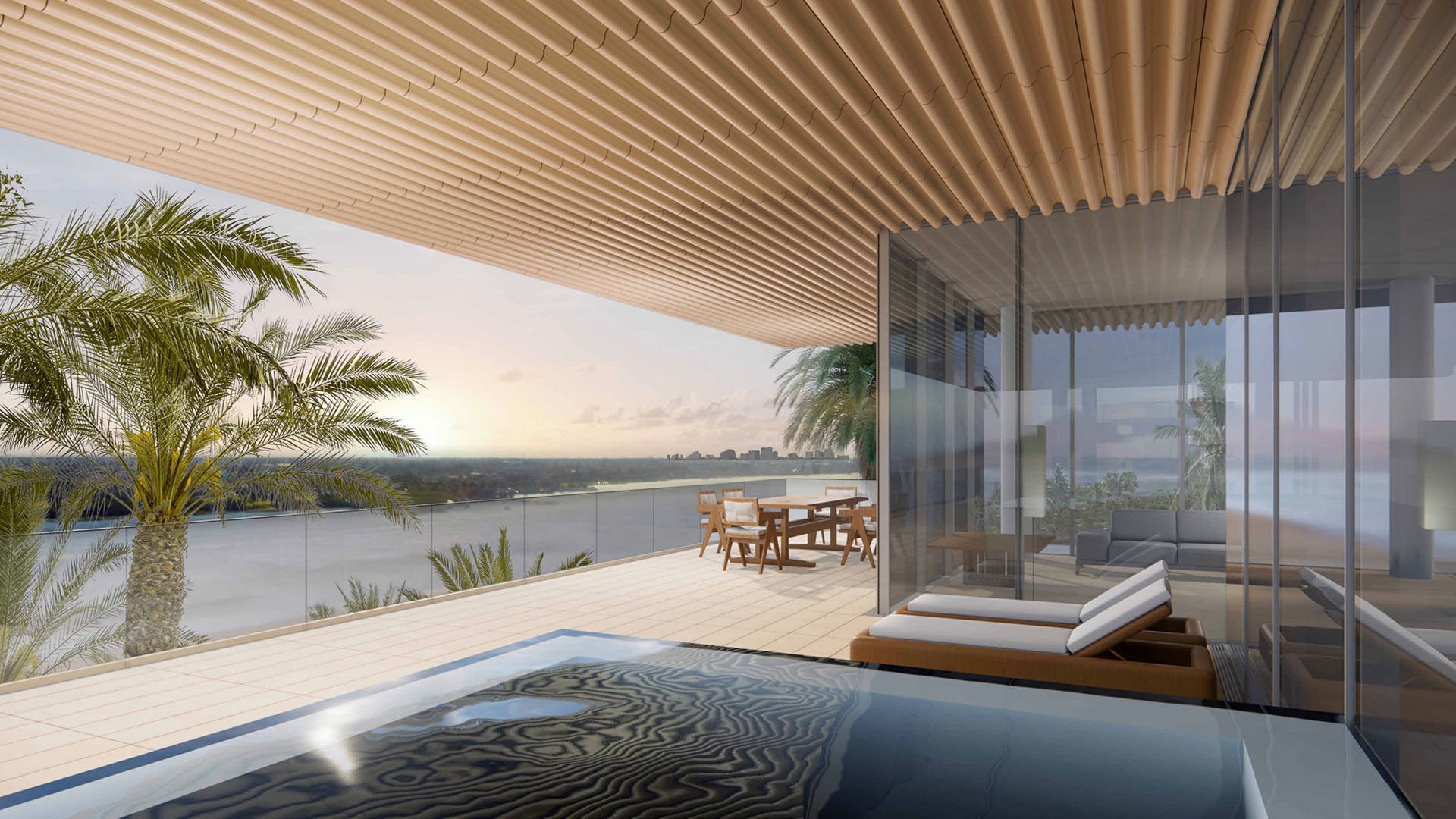
A terrace can feel like a natural extension of a club-oriented life. It is where coffee precedes a morning round, shoes dry after a wet fairway, and sunset becomes part of the daily ritual. Yet the same outdoor space can introduce responsibilities that are easy to underestimate when a buyer is focused on views, floor plan, club access, or proximity to favorite courses.
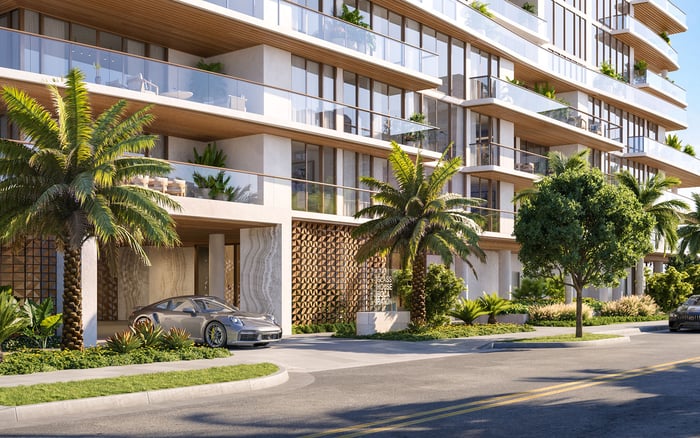
In South Florida, outdoor living is a premium feature, but it is also an ownership obligation. A polished residence may still require careful review of railings, drainage, waterproofing, surface materials, furniture rules, exterior access, and association procedures. Golf buyers, especially those who travel often or divide time between homes, should understand who maintains what, when access is required, and how disruptions are handled.
The strongest balcony review begins before emotion takes over. Buyers should ask whether the balcony or terrace is classified as a limited common element, common element, or part of the private unit under the governing documents. That distinction can affect maintenance responsibility, repair approvals, insurance discussions, and how quickly work can proceed.
Ask to review the condominium documents, current rules and regulations, maintenance protocols, and any available history of exterior work. The goal is not to become an engineer during a showing. It is to understand whether the building has a disciplined approach to outdoor areas and whether that approach matches your expectations as an owner.
A buyer comparing Alina Residences Boca Raton with other Boca Raton residences, for example, may be weighing wellness, dining, club proximity, and privacy. The outdoor space should be evaluated with the same seriousness as the kitchen, primary suite, or parking arrangement. If the terrace is part of the lifestyle promise, its upkeep belongs in the same tier of diligence.
Golf buyers often have a distinct relationship with outdoor areas. They may leave early, return midday, entertain casually, and spend more time outside during the season. That makes practical details important.
Drainage is one of the first questions. Does water move cleanly away from the residence? Are there signs of ponding, staining, failed sealant, or surface deterioration? Are planters, outdoor kitchens, or heavy furniture permitted, and if so, under what conditions? If furniture must be brought inside during severe weather, is there enough interior storage, or will the terrace become a recurring logistical exercise?
The railing system also deserves close attention. Buyers should ask whether any visible corrosion, movement, cracking, or glass panel issues have been reviewed by qualified professionals. Surface finishes matter as well. Stone, tile, pavers, and coated concrete each bring different expectations for cleaning, sealing, replacement, and association approval.
The point is not to search for perfection. Luxury real estate is still real property, exposed to sun, rain, wind, and daily use. The point is to understand whether the outdoor area has been cared for consistently and whether the association or owner has a clear process for continued care.
In a full-service building, the quality of terrace ownership is often tied to the quality of governance. A beautiful balcony can become frustrating if approvals are slow, maintenance boundaries are unclear, or residents receive little notice before exterior access is needed.
Ask how the building communicates maintenance schedules. Ask whether contractors access terraces through individual residences or from the exterior. Ask how furniture, planters, grills, umbrellas, rugs, and decorative lighting are regulated. Golf buyers who travel for tournaments, summers, or extended holidays should also ask how notice is handled when an owner is away.
In Hallandale Beach, a buyer considering Shell Bay by Auberge Hallandale may naturally focus on the broader resort-style lifestyle implied by the address and brand environment. Even then, the quiet details matter. Outdoor maintenance rules can determine how freely a buyer uses the space and how easily the residence can be left for extended periods.
A large terrace can be one of the most compelling features in South Florida luxury living. It can also be where ownership expectations become most visible. Buyers should think carefully about how often they will use the space, who will maintain furniture and finishes, and whether the layout supports their daily routine.
For a golfer, the ideal terrace may not be the largest one. It may be the one that is easiest to clean, shaded at the right time of day, protected enough for comfortable seating, and simple to secure before travel. A terrace that looks dramatic in photography may be less appealing if it requires constant furniture movement, frequent cleaning, or complex approval for modest improvements.
At The Ritz-Carlton Residences® Palm Beach Gardens, the Palm Beach Gardens context may appeal to buyers who value refined residential living near a golf-centered social calendar. The terrace conversation should remain practical: How will the space be used after a morning round, during guest weekends, and when the owner is away?
The balcony discussion changes with the type of property. In an established building, buyers may have more history to review. Past maintenance, completed exterior work, current rules, and resident practices can offer useful context. In newer or pre-construction residences, the conversation shifts toward specifications, warranties, association structure, and how future maintenance responsibilities will be allocated.
Boutique buildings can feel intimate and controlled, but smaller ownership groups may handle costs and decisions differently than larger towers. Larger towers may have more formal procedures, but buyers should still understand timelines, access rules, and how exterior projects are communicated.
For a buyer considering Glass House Boca Raton, the appeal may be tied to a more contemporary residential experience in Boca Raton. That makes it even more important to ask how exterior private spaces are protected, maintained, and governed over time. The more prominent the terrace is to the residence, the more central it becomes to long-term satisfaction.
A sophisticated offer process should leave room for balcony and terrace review. Buyers can ask their advisor to coordinate document review, inspection access, and questions for the association or developer representatives. The inspection should be appropriate to the property type and should not stop at interior finishes.
The buyer’s team should confirm what can be evaluated visually, what requires specialist input, and what is controlled by the association. If outdoor improvements are planned after closing, such as flooring changes, planters, shading, or furniture installation, buyers should understand approval procedures before assuming those changes are simple.
This is especially important for second-home buyers. If the residence will be used heavily in season and lightly in summer, the maintenance plan should reflect that rhythm. Who will check the terrace after storms? Who will clean surfaces before arrival? Who will move or secure furniture when needed? A luxury purchase feels effortless only when these details are arranged in advance.
The most successful golf-oriented purchases often come down to alignment. The right residence supports the buyer’s club life, travel patterns, privacy needs, entertaining style, and tolerance for maintenance. Outdoor space can enrich that equation, but only when its responsibilities are understood.
Balcony and terrace review is not a negative exercise. It is a way to protect the pleasure of ownership. When the terrace performs well, it becomes the most natural room in the home. When expectations are unclear, it can become an avoidable source of friction.
For golf buyers in South Florida, the lesson is simple: treat outdoor space as architecture, amenity, and obligation at the same time. The view may sell the moment, but maintenance determines the experience after the keys are in hand.
Why should golf-oriented buyers focus on balcony maintenance before signing? Golf buyers often use outdoor areas as part of their daily routine, so maintenance, access, and rules can affect comfort and convenience.
Is a terrace always the owner’s responsibility? Not always. Responsibility depends on the governing documents, association rules, and how the outdoor area is legally classified.
What should buyers ask about first? Ask who maintains the surface, railings, drainage, waterproofing, and any built-in outdoor features.
Should an inspector review the balcony? Yes, when appropriate. Buyers should include visible outdoor areas in the inspection conversation and seek specialist input if concerns appear.
Can terrace furniture be restricted by an association? Yes. Associations may regulate furniture, planters, umbrellas, lighting, grills, and storm preparation procedures.
Why does travel matter for golf buyers? Many golf-oriented owners travel seasonally, so they need a plan for cleaning, securing furniture, and responding to maintenance notices.
Are larger terraces always better? Not necessarily. A smaller, better-protected terrace may suit a buyer more than a dramatic space with greater upkeep.
What documents should buyers review? Review condominium documents, rules and regulations, maintenance procedures, and any available exterior work history.
Can planned terrace upgrades be assumed after closing? No. Buyers should confirm approval procedures before planning flooring, shading, planters, or other outdoor changes.
What is the main takeaway for South Florida buyers? Outdoor space should be evaluated as both a lifestyle asset and an ongoing ownership responsibility.
For a discreet conversation and a curated building-by-building shortlist, connect with MILLION.
If branded residences are on your mind — as a home or as an allocation — we would be glad to share what we are seeing, privately.
Begin a quiet conversation