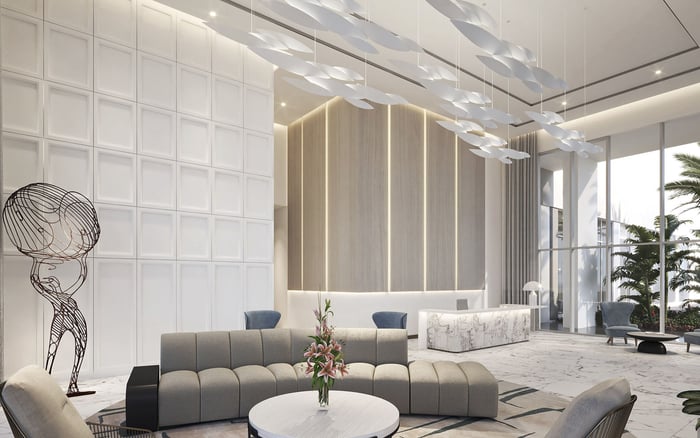
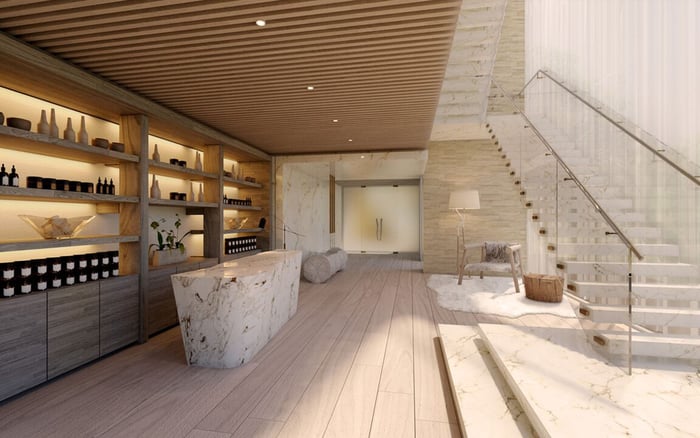
Fort Lauderdale can be compelling for art collectors when a residence offers disciplined climate control, discreet service, secure receiving, and management protocols that support valuable works without turning daily life into a logistics exercise.
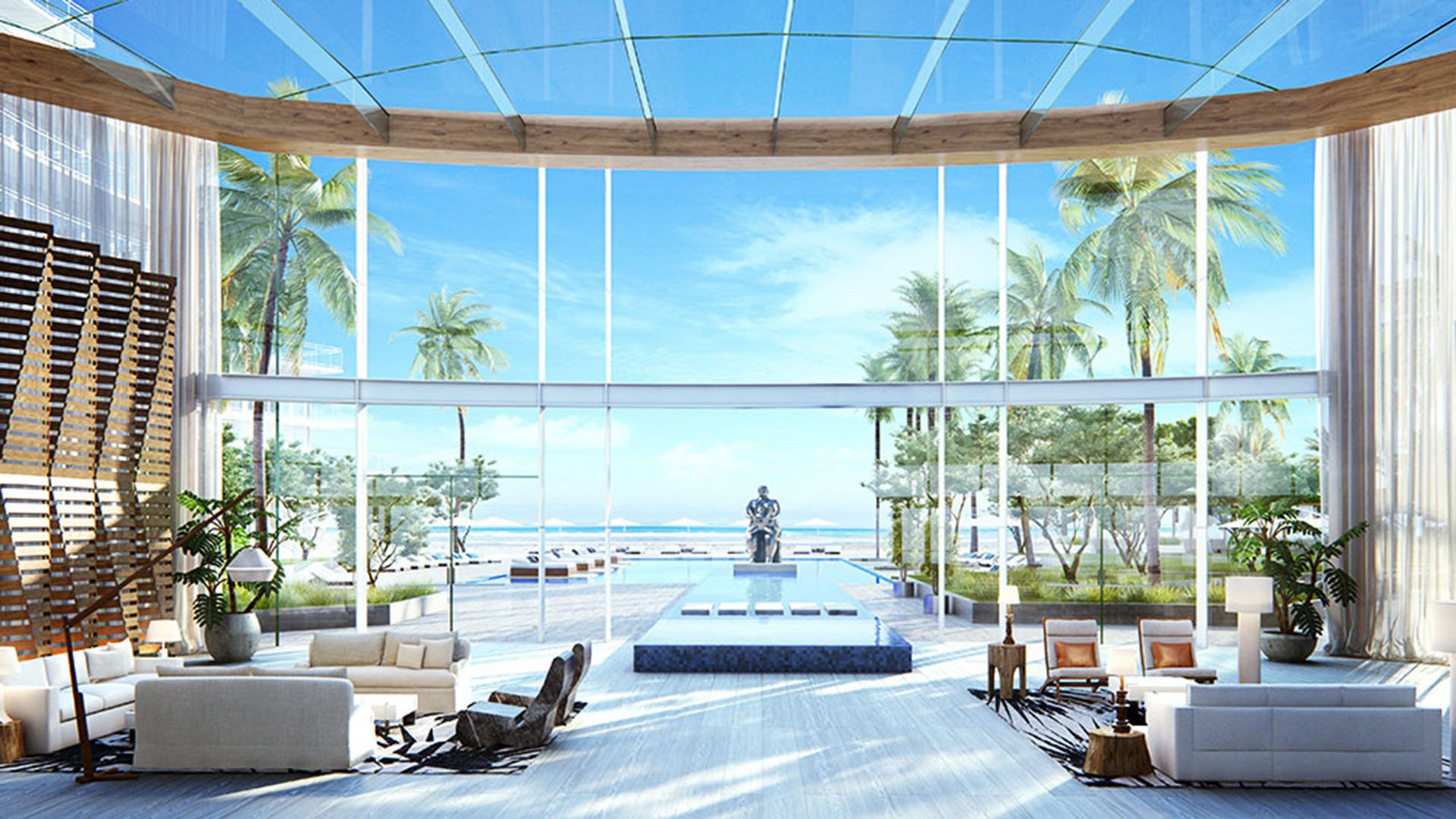
For art collectors, Fort Lauderdale is not simply a lifestyle choice. It is a test of whether a building can operate with the discipline of a private collection environment while still offering the ease, privacy, and waterfront sensibility that draw many buyers to Broward.
A beautiful residence can fail a collection when daily operations are too casual. The issue is not whether a living room has a long wall or an elevator lobby feels cinematic. The more important question is how the building receives, protects, moves, and stabilizes delicate objects. A collector needs a residence where staff understand discretion, service routes are practical, access is controlled, and climate performance is treated as part of ownership rather than an afterthought.
This is why Fort Lauderdale can work especially well for the right buyer. The city can offer a quieter residential rhythm than denser urban cores while still placing owners within South Florida’s luxury corridor. For collectors who prefer privacy over spectacle, that balance can be appealing, provided the building’s operating culture is mature.
The first layer is climate discipline. Serious buyers should ask how temperature, humidity, air circulation, and backup systems are monitored, not merely whether the residence feels cool during a showing. Art is often sensitive to fluctuation. A home does not need to become a museum, but it should avoid sharp swings, harsh direct light, and poorly conditioned storage zones.
The second layer is movement. Works may arrive crated, insured, and handled by specialists. The building should offer a credible route from loading area to residence, with service elevators that can accommodate large pieces, corners that do not create unnecessary risk, and staffing able to coordinate arrivals without turning the lobby into a stage. The best buildings make complicated deliveries feel uneventful.
Security is equally important, but the right version is quiet. Collectors should look for controlled access, attentive front-of-house procedures, secure package and receiving practices, and a culture that does not broadcast who owns what. Visible drama is not the goal. Calm consistency is.
Finally, buyers should consider water, storm, and power resilience as part of collection stewardship. In coastal South Florida, the quality of building operations, maintenance planning, and contingency procedures can matter as much as the quality of finishes.
A collector comparing Fort Lauderdale residences should not begin with a brochure checklist. The more useful exercise is to walk the property as if a major work were arriving tomorrow. Where would the truck stop? Who would know in advance? Which elevator would be used? How would the piece be protected from weather during transfer? Who controls access to the residence floor?
Hospitality-oriented properties can be attractive when service culture is consistent. At Four Seasons Hotel & Private Residences Fort Lauderdale, a buyer should evaluate not only the brand environment, but also the practical choreography of private arrivals, staff communication, and in-residence service boundaries. For collectors, polish matters most when it reduces friction.
Oceanfront living introduces another layer of scrutiny. At Auberge Beach Residences & Spa Fort Lauderdale, the art-minded buyer should think carefully about sun exposure, glazing, interior wall placement, and how a residence can frame views without overexposing sensitive works. A room can celebrate the ocean while still requiring UV-conscious design, controlled lighting, and professional hanging advice.
For buyers drawn to a marina-oriented setting, St. Regis® Residences Bahia Mar Fort Lauderdale invites a different operational conversation. The question becomes how private circulation, guest access, and service coordination will function during active ownership. A collection should not compete with the social energy of a destination. The building should create separation where it matters.
Boutique scale may also appeal to collectors who value familiarity and lower daily intensity. Riva Residenze Fort Lauderdale and Sixth & Rio Fort Lauderdale are the kinds of names a buyer might examine with questions about staff continuity, elevator use, receiving protocols, and the ability to coordinate private installation days. The right answer is less about grandeur and more about predictability.
Inside the home, collectors should study architecture with unusual patience. A view-heavy plan may be spectacular, but glass reduces the number of protected display walls. Long uninterrupted surfaces, sensible ceiling heights, and controlled lighting can be more valuable than theatrical rooms. Art often benefits from restraint.
Lighting should be layered and adaptable. Natural light may be part of the South Florida experience, but works on paper, photographs, textiles, and certain mixed-media pieces can require more caution than sculpture or some paintings. Window treatments, directional fixtures, and dimming systems should be discussed before closing, not after installation.
Storage is another overlooked issue. Many collectors rotate works seasonally or keep pieces off view. A residence with a conditioned interior room may be more practical than one relying on closets exposed to heat, humidity, or mechanical irregularity. If off-site storage remains part of the plan, the building still needs a reliable process for pickup and return.
Discretion extends to social use. Art can enrich entertaining, but collectors should consider traffic patterns, food and beverage zones, and guest proximity to fragile objects. The best interiors allow hospitality and stewardship to coexist.
Before committing, a collector should request a direct conversation with building management. Ask how art deliveries are scheduled, whether service elevators can be reserved, what insurance documentation is typically required from third-party handlers, and how staff handle confidential owner requests.
Ask about power continuity, emergency communication, water intrusion procedures, and vendor access during storm preparation. The answer does not need to be theatrical. It needs to be specific, calm, and practiced.
Also ask how alterations are reviewed. Art lighting, reinforced hanging points, specialty shades, and environmental monitoring can touch building rules or contractor access policies. A residence that welcomes thoughtful customization may be more suitable than one that treats every adjustment as an exception.
The larger point is simple. Fort Lauderdale can be a strong residential base for collectors when the building is operated with precision. The right address is not merely the one with the most impressive arrival. It is the one where the collection can live quietly, safely, and beautifully over time.
Is Fort Lauderdale a good choice for serious art collectors? It can be, if the building offers disciplined climate control, secure access, and practical delivery logistics. The residence should support the collection as part of daily living.
What should collectors ask before buying a condo? Ask about service elevators, receiving areas, staff protocols, vendor access, backup systems, and rules for lighting or installation work. The answers should be specific.
Does oceanfront living create challenges for art? It can require extra care around sunlight, humidity, and interior placement. Proper shades, lighting design, and professional installation can help manage those concerns.
Are branded residences better for collectors? Not automatically. A brand may suggest service orientation, but collectors should still verify operational details, privacy standards, and staff coordination.
Should art be stored inside the residence? Some works can be stored at home if the space is conditioned and secure. Other pieces may be better suited to professional off-site storage.
Why does Broward appeal to some collectors? Broward can offer a quieter South Florida residential rhythm while remaining connected to the region’s luxury markets. For some owners, that privacy is valuable.
How important is elevator access? Very important for large works, crates, and specialist handlers. A beautiful residence becomes difficult if the path from loading to living room is compromised.
Can a collector renovate for better display conditions? Often, but building rules and approval processes matter. Buyers should review policies for lighting, shades, wall reinforcement, and contractor access early.
What is the biggest mistake collectors make? They sometimes focus on views and finishes before studying operations. The best art residence is supported by quiet systems behind the scenes.
When should an art advisor or installer be involved? Ideally before purchase, especially for major collections or unusual works. Early guidance can reveal whether a floor plan truly supports the collection.
To compare the best-fit options with clarity, connect with MILLION.
If branded residences are on your mind — as a home or as an allocation — we would be glad to share what we are seeing, privately.
Begin a quiet conversation