A discreet buyer’s guide to verifying wine storage, climate systems, access controls, insurance responsibility and association rules before purchasing at Auberge Beach Residences & Spa Fort Lauderdale.
At the upper end of Fort Lauderdale’s residential market, wine storage is no longer a casual lifestyle flourish. For some buyers, it is part of how a residence performs. A serious collection may include bottles intended for decades of aging, auction acquisitions, sentimental vintages, or allocations that are difficult to replace. That makes the infrastructure behind storage as important as the visual appeal of a tasting room or display wall.
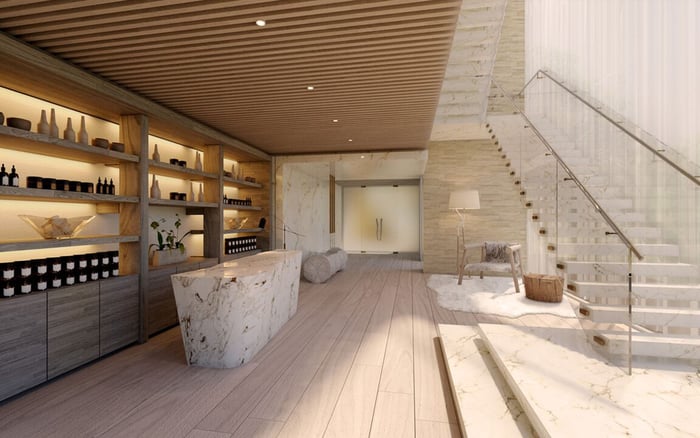
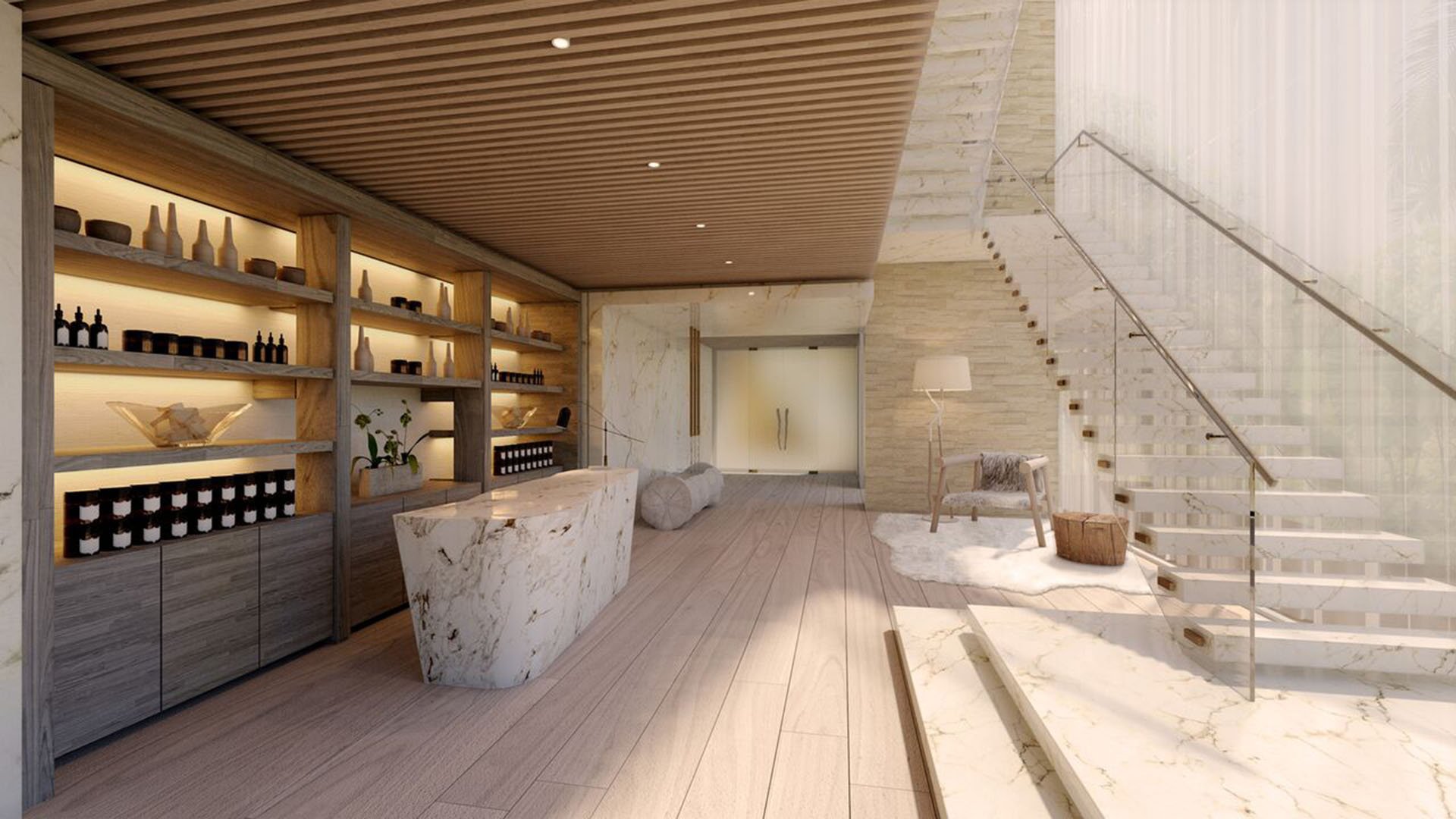
At Auberge Beach Residences & Spa Fort Lauderdale, the prudent approach is to verify current offerings directly before purchase. Buyers should not assume that a photographed wine feature means there is private storage, individual lockers, long-term climate control, or a building-managed wine program. The key question is not simply whether the building has wine storage. It is what kind of storage exists, how it is governed, and whether it is appropriate for the value and sensitivity of your collection.
That diligence is especially relevant in a Broward coastal setting. Oceanfront living delivers the views and resort atmosphere buyers want, but it also brings power continuity, humidity control, service response, and storm planning into the conversation.
Begin by asking the sales team to distinguish among four different concepts: a decorative wine amenity, a true temperature-controlled wine room, private resident lockers, and in-unit wine refrigeration. These can sound similar in marketing language, but they operate very differently in practice.
A decorative amenity may be designed for presentation or entertaining. A true storage room should have defined target temperature and humidity ranges, active monitoring, and a clear maintenance plan. Private lockers introduce questions of capacity, access, ownership rights, and insurance responsibility. In-unit storage raises its own issues, including ventilation, electrical load, heat rejection, noise, drainage, and association approval.
When comparing Auberge with other luxury hospitality-oriented addresses such as Four Seasons Hotel & Private Residences Fort Lauderdale, buyers should focus less on brand aura and more on written detail. The strongest amenity is the one with clear operating rules.
A key question is whether wine storage is included with ownership, assigned to specific residences, available by waitlist, or sold or leased separately. If lockers exist, ask whether they transfer automatically with the residence, remain under association control, or require a separate agreement. If storage is scarce relative to the number of residences, priority rules matter.
Capacity should also be quantified. Ask for the designed bottle capacity of any wine room, the number of private resident lockers, and how that capacity relates to the number of homes in the building. A room that feels generous during a tour may be limited once fully allocated. For collectors, the practical test is whether the space supports expected use, not whether it photographs well.
Also ask whether there are restrictions on commercial deliveries, third-party wine shipments, staff receiving procedures, locker transfers, and use of any shared tasting areas. These rules may appear in condominium documents, association policies, house rules, or separate amenity guidelines.
Wine is unforgiving. Elegant millwork cannot compensate for unstable temperature, excess humidity, dry corks, vibration, or prolonged power interruptions. Ask what temperature and humidity ranges are targeted and whether those conditions are continuously monitored. Then ask how residents are notified if temperature, humidity, or power conditions move outside acceptable ranges.
The mechanical question is equally important. Does the storage area have dedicated HVAC and dehumidification equipment, or does it rely on the building’s general air-conditioning system? Dedicated equipment may be better suited to the narrow conditions wine requires, but buyers still need to know who maintains it, who calibrates it, and how quickly emergency repairs are handled.
Ask whether the system is connected to backup power. In Fort Lauderdale, storm planning and outage resilience are not theoretical issues. If a collection is meaningful, request clarity on whether backup systems serve the wine area, how long support is intended to last, and what procedures apply if conditions drift.
Wine storage combines hospitality with personal property. That makes access control essential. Ask whether entry is governed by key fob, biometric system, staff escort, coded locker, cameras, sign-in procedures, or a combination of controls. Clarify who may enter the room, whether building staff can access private lockers, and how deliveries are received.
Insurance responsibility should be addressed before closing. The association may not insure the contents of a resident’s collection, even if the bottles are stored in a common-area amenity. Ask whether owners need separate coverage, whether the building carries any property coverage for stored bottles, and how claims would be handled after mechanical failure, unauthorized access, or a prolonged outage.
The same discipline applies when studying nearby luxury alternatives, from Riva Residenze Fort Lauderdale to St. Regis® Residences Bahia Mar Fort Lauderdale. Even the most polished residence can require granular questions about how private property is protected within shared amenity space.
Some buyers prefer to keep bottles inside the residence. Before planning a custom wine wall, under-counter refrigerators, or a built-in cellar, ask whether the association permits these installations and what approvals are required. Wine systems may affect electrical capacity, ventilation, drainage, cabinetry, noise transmission, and heat exhaust.
A small appliance may be simple. A built-in system can be more complex. Confirm whether architectural review, engineering review, licensed contractor documentation, or board approval is required. If the residence is already complete, ask whether prior owners installed anything and whether permits, warranties, or service records are available.
For high-value collections, in-unit storage and building storage may serve different purposes. The residence can support daily enjoyment and short-term entertaining, while a professionally managed off-site cellar may remain the better choice for long-term aging. The point is to understand what the condominium can responsibly support.
Before contract or closing, request written answers rather than informal assurances. Ask for current amenity descriptions, relevant condominium provisions, association rules, any wine room operating policies, maintenance responsibilities, service contracts, and emergency procedures. If the building is operating, ask whether historical information is available, including service logs, outage history, humidity excursions, and resident complaints related to wine storage.
Also ask whether the wine program, if any, connects to hospitality services, restaurant access, concierge support, tastings, or resident events. A building may offer self-managed storage only, or it may integrate wine into a broader lifestyle program. Both can be desirable, but they are not the same.
For the right buyer, wine storage can enhance daily life at Auberge. For the serious collector, it should be evaluated with the same care as views, floor plan, service culture, reserves, and building systems.
Does Auberge Beach Residences & Spa Fort Lauderdale currently offer wine storage? Buyers should confirm current wine storage, locker, tasting-room, and in-unit options directly before relying on any assumption.
What is the first question a collector should ask? Ask whether the feature is decorative, temperature-controlled, privately assigned, shared, or simply an in-unit option.
Should wine lockers be expected with every residence? No. Ask whether lockers are included, assigned, waitlisted, sold separately, leased, or governed by another arrangement.
Why does bottle capacity matter? Capacity determines whether the amenity can serve actual residents, not just appear generous during a presentation.
What climate details should be verified? Ask for target temperature and humidity ranges, monitoring procedures, alert protocols, and service responsibility.
Is backup power important for wine storage in Fort Lauderdale? Yes. Coastal storm planning and outage continuity are important considerations for valuable or age-worthy bottles.
Who maintains the wine room systems? Ask who handles maintenance, calibration, service contracts, emergency repairs, and communication with residents.
Can owners install custom wine storage inside the residence? Possibly, but approvals may be needed for electrical, ventilation, drainage, noise, and architectural considerations.
Who insures bottles stored in a shared wine area? Do not assume the building covers contents. Ask whether owners need separate insurance for stored wine.
Is a wine amenity suitable for long-term aging? It depends on climate control, monitoring, power continuity, access rules, and documented operating standards.
When you're ready to tour or underwrite the options, connect with MILLION.
If branded residences are on your mind — as a home or as an allocation — we would be glad to share what we are seeing, privately.
Begin a quiet conversation