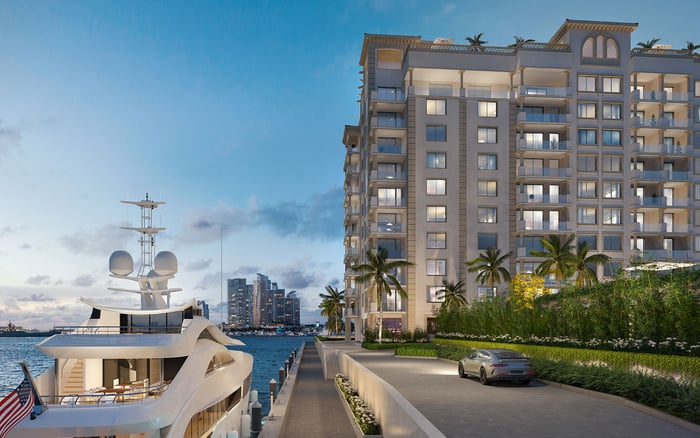
Fisher Island can be compelling for families when daily logistics, staffing, access control, school routines, guest protocols, and residence operations are evaluated with the same rigor as views and finishes.
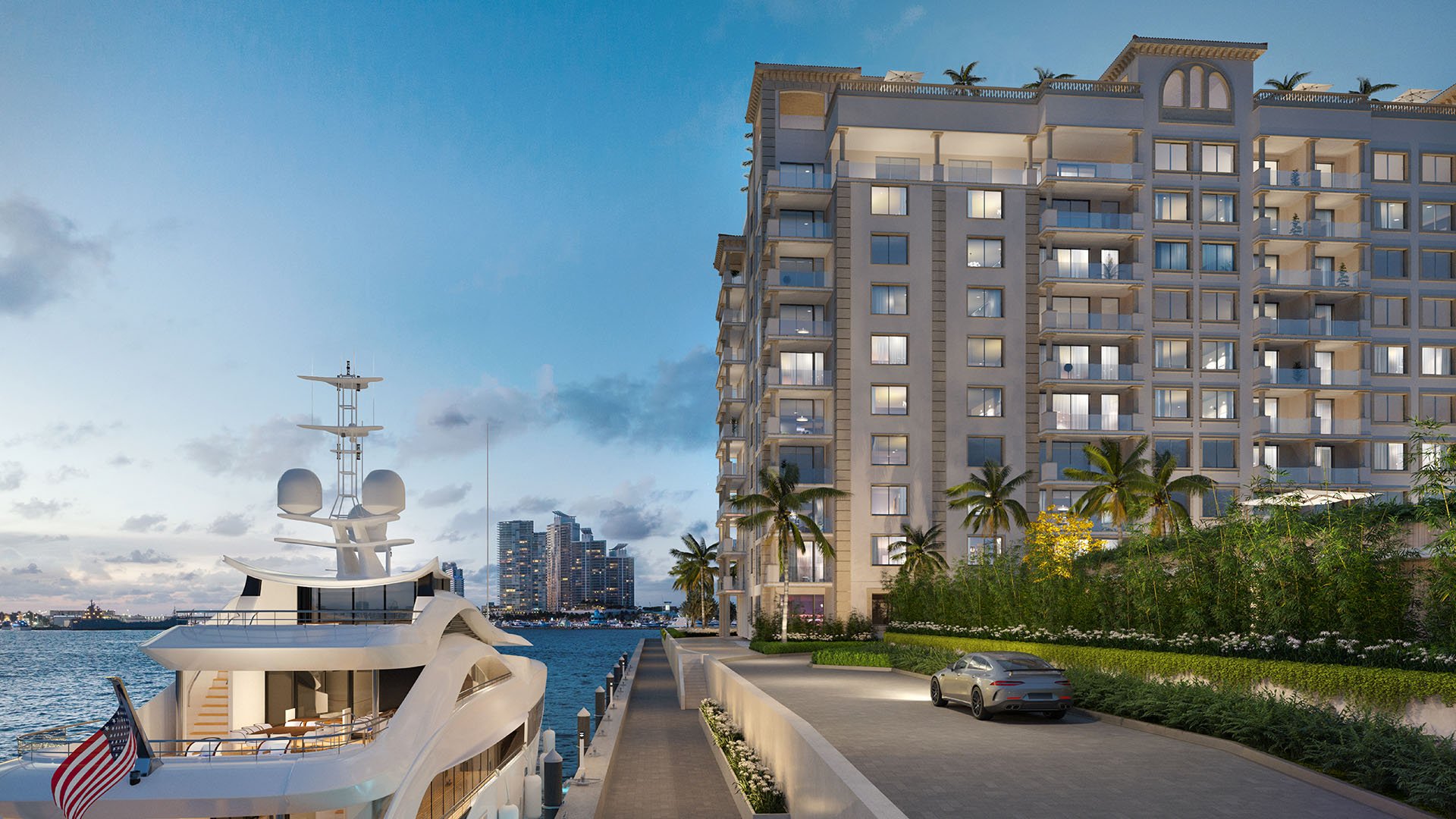
For buyers with school-age children, the Fisher Island conversation is rarely about whether the setting is beautiful enough. It is about whether daily life can be made predictable enough. Privacy, security, water views, and resort-level calm may draw the initial attention, but the decision ultimately turns on school mornings, after-school activities, visiting friends, tutors, medical appointments, sports gear, grandparents, drivers, household staff, and the thousand small movements that define family life.
That is why building operations matter so much. A residence may be magnificent on paper, yet feel impractical if the daily choreography is not handled with discipline. Conversely, Fisher Island can work exceptionally well for the right family when a building has clear protocols, capable staff, thoughtful arrival sequences, reliable communication, and an operational culture that understands children are not an exception to luxury living. They are part of the household rhythm.
For the MILLION buyer, the question is not simply, “Can we live here with children?” The more useful question is, “Can this building support the way our family actually moves?”
In ultra-prime residential real estate, operations are often less visible than architecture. They do not photograph like a lobby, a terrace, or a cinematic water view. Yet for families, operations may be the most important amenity in the building.
A well-run property reduces friction. Staff understand who is permitted to pick up a child, how recurring guests are cleared, where deliveries should land, how a nanny or tutor enters, how quickly maintenance requests are handled, and how discreetly issues are resolved. The best buildings make these details feel almost invisible. The family does not experience the system as bureaucracy. It experiences it as calm.
This is especially relevant in a gated-community environment, where security and access control are part of the value proposition. Families should not treat protocols as an afterthought. They should ask how the building distinguishes among household staff, family guests, recurring service providers, school-related visitors, and temporary vendors. A luxury building that is gracious but imprecise can become stressful. A building that is secure but inflexible can feel burdensome. The balance is everything.
The most revealing due diligence exercise is the school-day test. Buyers should mentally walk through a normal weekday from wake-up to bedtime. Who leaves first? Who accompanies younger children? Where does the driver wait? How are backpacks, sports bags, instruments, and projects handled? What happens if one child is ill and another still needs to leave on time? How does the building communicate with the household when a guest, delivery, or staff member arrives during the morning rush?
The private-school question is not only which campus a child attends. It is how consistently the residence can support that routine. Families should evaluate departure timing, transportation staging, covered arrival points, elevator reliability, service access, package management, and the ease of recurring clearances. None of this is glamorous, but all of it is luxury when it works.
This is why buyers considering Palazzo del Sol should look beyond the residence itself and study how the property’s day-to-day experience aligns with family habits. Palazzo del Sol Fisher Island may enter the conversation because of its island context, but the decisive factor for a parent is often the operational feel during ordinary hours.
Fisher Island appeals to many families because it suggests a quieter residential rhythm. Yet privacy alone is not enough. Children need access to friends, lessons, activities, extended family, and the broader life of Miami. A building must therefore be protective without becoming isolating.
The strongest family fit occurs when parents can maintain discretion while children still enjoy a socially functional life. That requires staff who communicate clearly, guest systems that are consistent, and common areas that feel polished without being fragile. A family residence should not feel like a museum. It should feel elevated, durable, and prepared.
At Palazzo della Luna, a buyer focused on family use should examine how the building handles recurring household movement rather than only how it presents for a private showing. Palazzo della Luna Fisher Island is part of a market where expectations are high, and family buyers should match that expectation with equally high operational scrutiny.
The best family purchase is not necessarily the largest home or the newest finish package. It is the residence whose plan supports real life. Parents should consider bedroom separation, staff accommodation, study areas, storage, secondary entries, kitchen practicality, laundry capacity, and the relationship between entertaining spaces and children’s spaces. A spectacular formal room has value, but a quiet homework zone may matter more from Monday through Thursday.
Outdoor space also deserves practical evaluation. Terraces, views, and fresh air can be meaningful for families, but the questions should be specific. Is the space comfortable for breakfast before school? Is it shaded at the times the family would actually use it? Can adults entertain while children occupy a nearby area safely and comfortably? Luxury is not only scale. It is usability.
For buyers looking at The Residences at Six Fisher Island, the phrase “family fit” should include both the private residence and the larger operational ecosystem. The Residences at Six Fisher Island belongs in a conversation about how contemporary households expect service, discretion, and flexibility to work together.
Families with school-age children often operate with a broader household team. That may include nannies, tutors, drivers, chefs, personal assistants, trainers, housekeepers, and visiting relatives. In a conventional residence, this movement is largely self-managed. In a highly controlled luxury building, it must be integrated into the property’s procedures.
Buyers should ask how the building registers recurring staff, how changes are communicated, how last-minute arrivals are handled, and whether the service culture is warm as well as secure. Tone matters. Children are highly sensitive to atmosphere. A building that treats family logistics with impatience will not feel restful, even if the finishes are impeccable.
The marina lifestyle can add another layer of scheduling for some households, from weekend movement to guests and supplies. Even when boating is not central to the family, the presence of a waterfront routine can influence how residents think about timing, access, and service coordination.
The market often frames Fisher Island as a trophy address. For families, that framing is incomplete. A trophy asset may impress, but a family home must function. The more nuanced view is that Fisher Island can be a strong family choice when the building turns privacy into ease rather than complication.
That means testing the property like an operator, not only admiring it like a collector. Ask the building team scenario-based questions. Arrive at different times of day. Watch how staff greet residents. Understand how visitors are cleared. Study how service elevators, parking, deliveries, and common areas actually work. Consider how the home will feel in September, during holidays, after a late flight, before an early exam, and on a rainy weekday when everyone is running five minutes behind.
At The Links Estates at Fisher Island, as with any rare island residence, the smartest buyer will look for the point where privacy, space, and daily manageability meet. The Links Estates at Fisher Island may appeal to those seeking a more residential expression of island life, but the same principle applies: operations determine whether the address supports the household.
Family buyers should ask practical questions with precision. How does the building handle recurring guest lists? Who has authority to approve child pickups? Are staff protocols digital, verbal, or both? What is the escalation path for urgent maintenance? How are large school projects, sports equipment, bicycles, luggage, and deliveries managed? Does the building have a culture of anticipating needs, or does every request require explanation?
These questions are not minor. They are the difference between a residence that feels effortless and one that requires constant parental management. The highest form of luxury for a family is not excess. It is the removal of avoidable stress.
Can Fisher Island work for a family with school-age children? Yes, when the building’s operations support school routines, guest access, staff coordination, and daily household movement with consistency.
What should parents evaluate first? Start with the morning routine, including departures, drivers, elevators, service access, and how quickly the building responds when plans change.
Are building staff important to the decision? They are central, because staff set the tone for security, discretion, communication, and the ease with which children and caregivers move through the property.
Should buyers focus more on amenities or operations? Amenities matter, but operations often determine whether a family can use the residence comfortably on ordinary school days.
How should recurring visitors be handled? Families should look for clear systems for nannies, tutors, relatives, drivers, coaches, and household vendors, with approval processes that are secure but practical.
Is privacy enough to justify the move? Privacy is valuable, but it must be paired with livability, access, and a service culture that understands the tempo of family life.
What residence features matter most for children? Look for sensible bedroom layouts, study space, storage, durable finishes, staff support areas, and outdoor space that can be used comfortably.
How can buyers test the fit before purchasing? Visit at different times, ask scenario-based questions, and observe how the building handles arrivals, deliveries, service requests, and resident interaction.
Can a highly private building still feel social for children? Yes, if guest protocols are clear and the building’s culture allows family life to unfold naturally without unnecessary friction.
What is the ultimate decision point? The right choice is the residence where privacy, operations, layout, and family rhythm all work together without requiring daily compromise.
If you'd like a private walkthrough and a curated shortlist, connect with MILLION.
If branded residences are on your mind — as a home or as an allocation — we would be glad to share what we are seeing, privately.
Begin a quiet conversation