A discreet buyer due-diligence guide to security protocols at Riva Residenze Fort Lauderdale, from waterfront access and staffing to privacy, deliveries, garages, emergency planning, and governance.

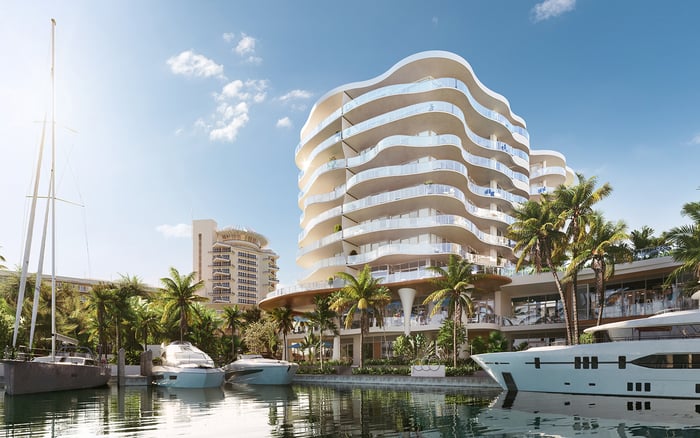
For a waterfront condominium, security due diligence begins before the lobby. Buyers evaluating Riva Residenze Fort Lauderdale should ask how the building’s plan accounts for both street-side and waterfront exposure. A residence on the water may be approached by guests, vendors, staff, delivery personnel, vehicles, docks, vessels, and public waterways. The question is not whether the building feels private during a tour. The question is how access is controlled when daily life becomes active, seasonal, and service-intensive.
A refined security program is typically layered. Ask whether the plan treats lobby entry, elevators, garage and valet areas, amenity levels, service corridors, receiving areas, terraces, pool decks, docks, and waterfront edges as connected zones rather than isolated checkpoints. In a luxury setting, the strongest systems tend to feel calm and unobtrusive, but they should still be clear enough for a serious buyer to understand at a governance level.
That same mindset is useful across Fort Lauderdale’s premium market. Buyers comparing Four Seasons Hotel & Private Residences Fort Lauderdale, Auberge Beach Residences & Spa Fort Lauderdale, or St. Regis® Residences Bahia Mar Fort Lauderdale should ask similar questions, while remembering that each building’s actual procedures must be verified individually.
Security is not only a design matter. It is an operating matter. Before closing, ask who controls and updates the protocols once owners move in. Responsibility may involve the developer, condominium association, property manager, board, third-party security firm, building operations team, or a combination of these parties.
This matters because a polished sales presentation may not fully describe long-term governance. Ask who approves staffing changes, camera upgrades, access-control revisions, visitor policies, and emergency procedures. Ask whether protocols are embedded in condominium documents, house rules, management policies, or separate operational manuals. A buyer does not need access to every sensitive detail, but the structure of accountability should be intelligible.
There is also a legitimate boundary between transparency and vulnerability. Ask what information can be shared with buyers and what details are intentionally withheld to protect residents. A thoughtful answer should respect both due diligence and operational discretion.
Luxury buildings often blend welcome, service, and protection. That can be elegant, but buyers should distinguish concierge hospitality from trained security responsibility. Ask whether the property expects front-desk, concierge, or security staffing, and clarify which personnel are trained to respond to suspicious activity, emergency events, unauthorized access, or after-hours incidents.
Staff training deserves specific attention. Ask whether employees and contracted personnel receive background checks, privacy training, emergency-response instruction, and procedures for escalating concerns. The essential question is not simply, “Is someone at the desk?” It is, “What is that person trained, authorized, and expected to do?”
For high-profile residents, international owners, and households with valuable collections, privacy is inseparable from security. Ask how resident names, guest patterns, vehicle information, delivery records, and camera footage are protected. A building can be attentive without being intrusive, but that balance should be intentional.
A building’s access discipline is often revealed through ordinary routines. Ask how visitors are screened, logged, authorized, and, where appropriate, escorted. The question should apply to dinner guests, contractors, domestic staff, real estate showings, design teams, maintenance vendors, and delivery personnel.
Packages and food deliveries require their own line of inquiry. Ask whether deliveries remain in designated receiving areas, how large items are handled, and what prevents delivery personnel from moving beyond approved zones. In waterfront luxury buildings, vendor volume can rise during season, renovations, events, and owner arrivals. Procedures should account for that intensity without making residents feel as though service has become burdensome.
Buyers looking at nearby urban alternatives such as Sixth & Rio Fort Lauderdale will recognize the same principle in a different setting: the elegance of access is defined by how well routine movements are controlled.
Private vehicles are central to security planning in high-value residential buildings. Ask how garage access is controlled, including resident-only entry, guest parking, valet supervision, license-plate tracking, and protections for high-value vehicles. If valet service is part of the operating model, clarify chain of custody, key handling, overnight procedures, and supervision.
Elevators are equally important. Ask whether access is restricted by key fob, credential, floor permission, or destination control, especially for residential floors and private amenity levels. The best answer is not necessarily the most technical one. It is the answer that demonstrates a coherent relationship among lobby, garage, amenity, and residence access.
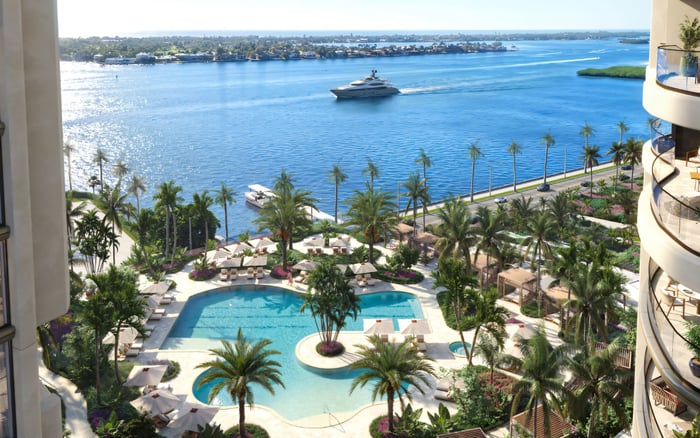
Amenity spaces deserve after-hours scrutiny. Ask how pool decks, fitness areas, lounges, docks, terraces, and waterfront areas are monitored when staffing patterns change. Ask generally where cameras cover, how long footage is retained, and who can access recordings. The goal is not to map every camera, which would be inappropriate. The goal is to understand coverage philosophy, retention policy, and oversight.
For buyers sorting Fort Lauderdale waterfront, marina, resale, or new-construction options, these questions help translate lifestyle vocabulary into real operating expectations.
Security protocols should anticipate South Florida conditions. Ask whether written procedures address hurricanes, tidal flooding, power outages, evacuation, shelter-in-place events, and post-storm access control. Post-storm security is especially important because normal staffing, power, gates, elevators, communications, and vendor access may all be under pressure at once.
Ask whether access-control systems, cameras, gates, elevators, and communication systems have backup power or contingency procedures during outages. Also ask whether seasonal traffic, public events, marine activity, vendor turnover, and higher service intensity have been considered in the building’s operating assumptions.
Finally, ask how future upgrades are funded. Cameras, credentialing systems, gates, communication infrastructure, and staffing models evolve over time. A buyer should understand whether reserves, operating budgets, or special assessments may be used for security enhancements. Ask whether insurance requirements, risk assessments, or prior incident reviews influence current protocols. Before closing, identify the correct person for deeper diligence, whether that is a property manager, association representative, developer liaison, or operations team member.
Should I expect full details of Riva Residenze Fort Lauderdale security systems before buying? No. Buyers should expect a meaningful governance-level discussion, while some operational details may be withheld to avoid exposing vulnerabilities.
What is the first security question to ask at a waterfront residence? Ask how the plan addresses both street-side and waterfront access, including docks, vessels, service areas, and public waterways.
Is a concierge the same as security personnel? Not necessarily. Clarify whether staff are hospitality-focused, security-trained, or supported by a dedicated third-party security team.
How should visitor access be reviewed? Ask how guests, contractors, domestic staff, showings, vendors, and delivery personnel are screened, logged, authorized, and escorted.
What should I ask about garage security? Ask about resident-only access, guest parking, valet supervision, license-plate tracking, key handling, and protections for high-value vehicles.
Are elevator controls important in a luxury condominium? Yes. Buyers should ask whether elevators use credentials, floor permissions, destination controls, or other restrictions for residential and amenity levels.
How much should I ask about cameras? Ask generally about coverage areas, retention periods, and who may access recordings, without requesting sensitive camera maps.
What privacy issues matter most for high-profile owners? Ask how resident identities, guest activity, vehicle information, delivery patterns, and footage access are protected.
Should storm protocols be part of security due diligence? Yes. Hurricanes, tidal flooding, outages, evacuation, shelter-in-place events, and post-storm access control should all be discussed.
What is the best way to shortlist comparable options for touring? Start with location fit, delivery status, and daily lifestyle priorities, then compare stacks and elevations to validate views and privacy.
For a tailored shortlist and next-step guidance, connect with MILLION.
If branded residences are on your mind — as a home or as an allocation — we would be glad to share what we are seeing, privately.
Begin a quiet conversation