A discreet, practical guide to buying on Fisher Island with less day-to-day complexity, from access and service expectations to residence format and ownership rhythm.
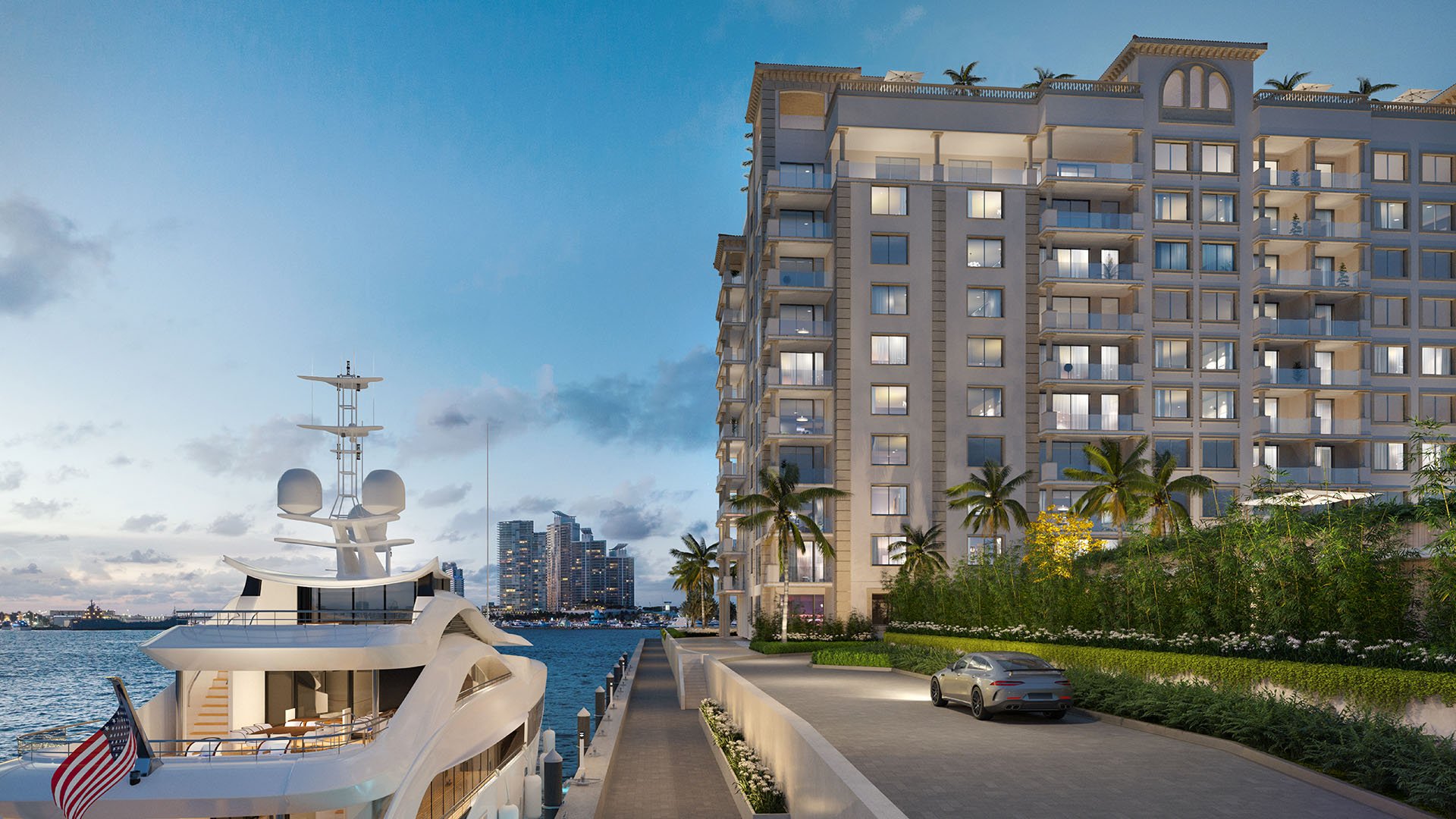
For a certain buyer, Fisher Island is less a location than a private operating system. The question is not only whether the residence is beautiful. It is whether ownership can remain quiet, predictable, and intelligently managed while the owner is in residence, traveling, hosting, or lending the home to family.
That distinction matters. A high-value home can still create needless complexity when the building rhythm, arrival sequence, approvals, service culture, and maintenance obligations do not align with the way a buyer actually lives. The most successful Fisher Island purchase is therefore not necessarily the most dramatic one on paper. It is the one that removes decisions, compresses effort, and protects privacy without requiring the owner to manage every detail personally.
The first question is practical: how will the residence be used? A primary residence, seasonal base, multigenerational retreat, and occasional pied-a-terre each create different operational demands. A buyer who arrives with staff, vehicles, pets, guests, and boating needs should underwrite daily flow differently than a buyer who wants a lock-and-leave apartment with minimal personal oversight.
Before comparing finishes, compare routines. How many arrivals happen in a typical month? Who coordinates vendors? Where do guests wait? What happens when the owner is abroad? Which approvals are required for improvements? A residence that answers these questions cleanly will usually feel more luxurious than one with more square footage but more friction.
Fisher Island buyers often evaluate several forms of luxury at once: established condominium living, newer branded or service-oriented residences, and estate-style privacy. Each format carries a different maintenance profile and a different relationship with building management.
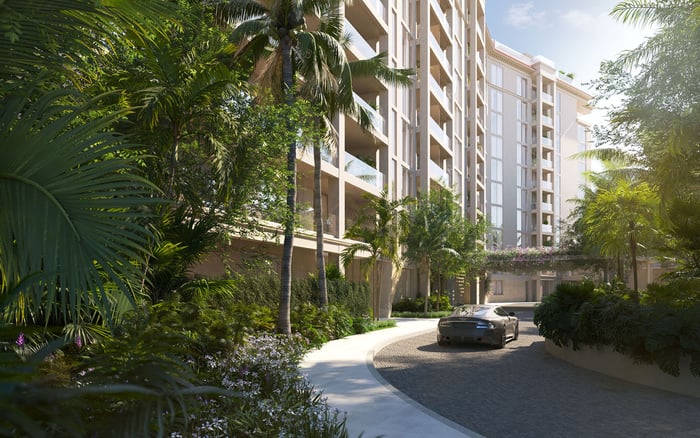
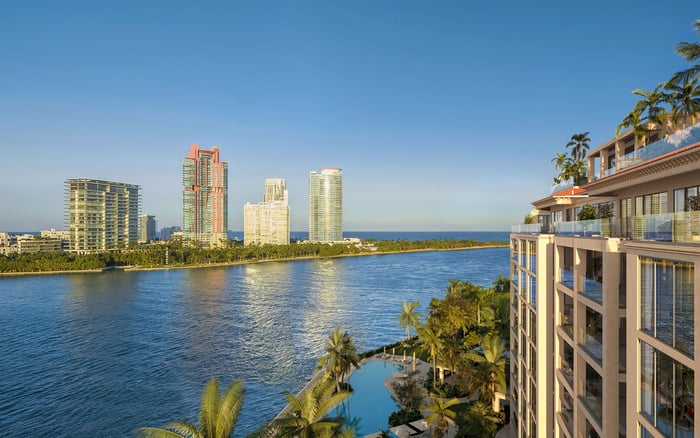
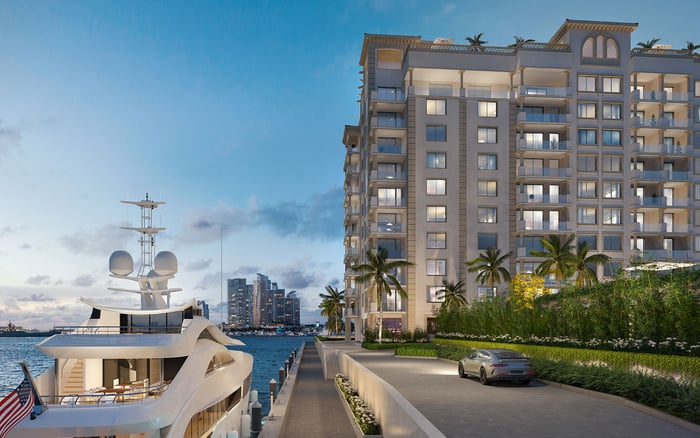
A buyer considering The Residences at Six Fisher Island may be weighing a newer-generation residential concept against the certainty of established island addresses. Someone studying The Links Estates at Fisher Island is likely prioritizing a more house-like experience, with its own questions around exterior care, staffing, and privacy choreography.
The decision should not be framed simply as condo versus estate. It should be framed as managed convenience versus personal control. Buyers who want less operational friction generally benefit from formats where responsibilities, service points, and building standards are already well defined.
On an island purchase, arrival is part of the residence. The most elegant floor plan can lose its appeal if the owner dislikes the cadence of access, guest coordination, deliveries, or staff movement. Low-friction ownership requires a clear understanding of how daily logistics will work before a contract is signed.
Ask how residents typically coordinate visitors, vendors, household employees, vehicles, and service appointments. Clarify the protocols for frequent guests and family members. If privacy is the reason for buying, the arrival experience should feel controlled without feeling burdensome. The best fit is where security, discretion, and convenience are balanced rather than forced into competition.
Operational ease is often hidden in culture. Two residences can offer similar views and finishes yet feel entirely different because of how the building handles requests, renovations, staffing, pets, deliveries, and common-area etiquette. The buyer should understand the lived environment, not only the sales environment.
Buildings such as Palazzo del Sol and Palazzo della Luna are often discussed by buyers who want a more refined condominium framework on the island. When evaluating Palazzo del Sol Fisher Island or Palazzo della Luna Fisher Island, the essential diligence is less about generic prestige and more about whether the operating style matches the owner’s expectations for privacy, responsiveness, and quiet.
The friction-averse buyer should treat maintenance as a lifestyle issue. Who oversees repairs while the owner is away? How are contractors approved? What level of notice is typical for access to the residence? How are seasonal preparations handled? These questions are not minor. They determine whether ownership feels effortless or managerial.
A careful buyer will also review reserves, insurance posture, renovation rules, building staffing, and the cadence of planned improvements. The goal is not to avoid all cost. It is to avoid unmanaged cost, surprise decisions, and last-minute coordination. In the ultra-premium tier, predictability is part of the luxury.
Amenity lists can be seductive, but low-friction buyers should focus on the amenities they will actually use. Golf, wellness, dining, beach routines, fitness, guest hosting, and marina planning all affect how convenient the residence feels. The right amenity ecosystem shortens the day. The wrong one simply adds line items.
This is especially true for families and frequent hosts. If guests visit often, circulation and arrival planning matter. If boating is central, storage, access, and service coordination become part of the purchase decision. If the home is mainly for restorative privacy, the buyer may value quiet building culture over a more social setting.
A polished showing should lead to disciplined questions. Review ownership rules, pet policies, leasing restrictions if relevant, guest procedures, renovation limitations, assessment history, parking arrangements, storage, staff access, and service coordination. None of these items is glamorous, but each one affects the lived experience.
The best Fisher Island buyer’s agent is not merely presenting inventory. They are translating lifestyle into operating requirements, then filtering properties accordingly. For a buyer who wants less operational friction, the shortlist should be smaller, sharper, and more honest.
Fisher Island’s appeal is inseparable from privacy, but privacy alone is not enough. The enduring premium belongs to residences that make life simpler without making it feel managed by committee. That is the rare balance: protected, serviced, personal, and calm.
The right purchase should feel intuitive from the first arrival through the final walk-through. If a property requires repeated explanations to justify its daily logistics, it may not be the right low-friction fit. If the residence, building, and island rhythm all support the buyer’s natural routine, the result is a form of luxury that is felt more than announced.
What does less operational friction mean for a Fisher Island buyer? It means fewer daily complications around access, maintenance, staffing, approvals, guests, and service coordination.
Should I prioritize a newer residence or an established building? Prioritize the operating fit. Newer and established residences can both work if their service model matches your lifestyle.
Is an estate-style property easier than a condominium? Not always. Estate-style ownership can offer more control, but it may also require more personal oversight.
Why is access diligence so important? Arrival, guest handling, deliveries, and staff movement shape the daily experience of island ownership.
How should I compare Palazzo del Sol and Palazzo della Luna? Compare building culture, service expectations, privacy rhythm, and the way each residence supports your use case.
Does a larger residence automatically reduce friction? No. Size can add comfort, but poor logistics or unclear responsibilities can make a larger home harder to own.
What should seasonal buyers verify first? They should verify maintenance oversight, vendor access, storm preparation, storage, and communication while away.
Are amenities a deciding factor? Amenities matter most when they match real habits. Unused amenities do not reduce friction.
How early should I discuss renovation rules? Very early. Renovation approvals, work hours, contractor access, and building standards can materially affect plans.
What is the ideal buying strategy for this audience? Define your operating requirements first, then tour only the residences that can support them with discretion.
For a discreet conversation and a curated building-by-building shortlist, connect with MILLION.
If branded residences are on your mind — as a home or as an allocation — we would be glad to share what we are seeing, privately.
Begin a quiet conversation