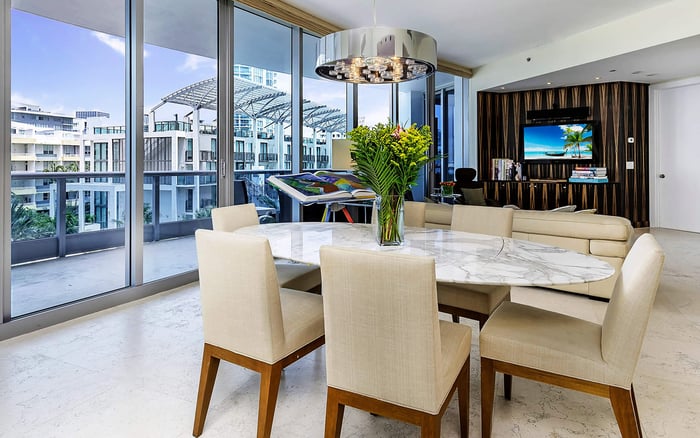
Faena House Miami Beach should be evaluated as a collector-minded residence candidate rather than a dedicated art vault, with buyers focusing on display planning, environmental control, access procedures, insurance, and specialist due diligence.
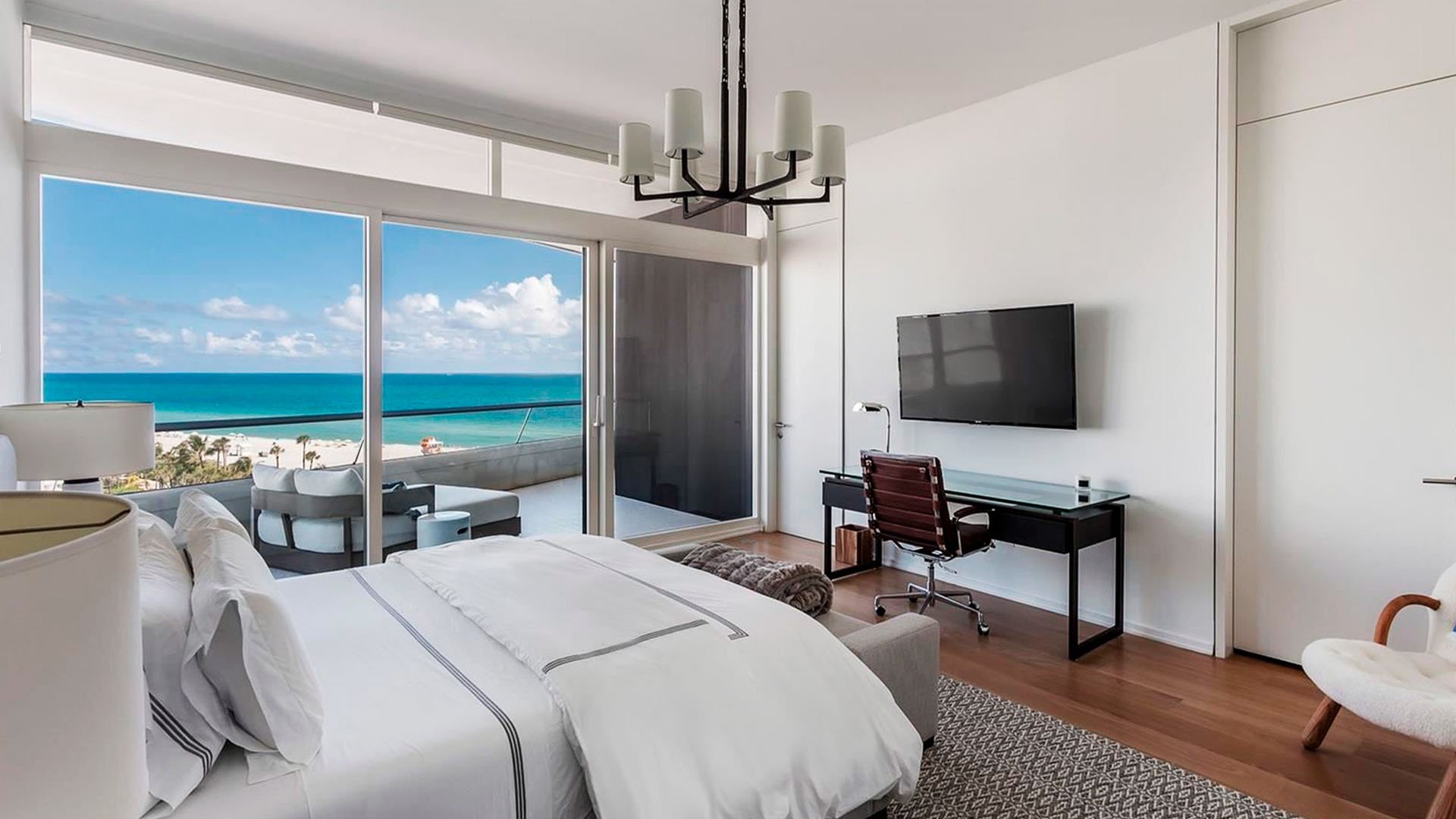
For serious collectors, the question is rarely whether a residence is beautiful enough. The sharper question is whether the home can be programmed as a disciplined environment for living with valuable works. That means planning for display walls, guest circulation, service access, environmental stability, documentation, insurance, and the practical realities of coastal South Florida ownership.
That is why Faena House Miami Beach belongs in the conversation for buyers prioritizing collector-grade art storage. The phrase should be understood carefully. A private residence should not be treated as a certified art-storage facility unless that capability has been specifically verified by the buyer’s advisors, building team, insurer, and art specialists.
For the right buyer, the opportunity is to evaluate whether a residence can support an integrated art program. The goal is not simply to hang important works in attractive rooms. It is to create a home that can balance daily living, private viewing, stewardship, security, and long-term care.
Collector-grade residential planning begins with discipline. It asks where works should be displayed, which rooms can support controlled lighting, how guests will move through the home, where sensitive pieces should not be placed, and what conditions are required for safe installation.
The most successful residences for collectors are not necessarily the largest. They are the ones where space, privacy, staffing, and building procedures can be aligned with the collection. A buyer should evaluate the specific residence, not merely the building name, because art stewardship depends on the details of layout, systems, finish quality, service access, and daily operations.
This is where display and storage should be separated. Display is about how art is seen and lived with. Storage is about protection, environmental control, inventory, access, and risk management. A residence can be excellent for selected display while still requiring specialized off-site storage for works that should not remain in a coastal home environment.
A collector-minded residence should allow art to feel intentional rather than crowded. That may require reinforced walls, measured sightlines, calibrated lighting, shade strategies, and rooms with enough visual quiet for significant works to breathe. These are not assumptions a buyer should make from marketing language alone; they are items to test during due diligence.
The private viewing experience also matters. Some collectors want a home that functions as a social salon for advisors, friends, and invited guests. Others prefer a quieter environment where only a small rotation of works is shown. Faena House Miami Beach belongs on the shortlist when a buyer wants to test whether the residence can support that kind of tailored plan.
Specialist input should come early. Art handlers, conservators, insurance advisors, security consultants, and interior designers can identify constraints before a buyer commits to a residence or begins an expensive fit-out. Their role is to translate the collection’s needs into operational requirements.
Miami Beach is a natural focus for buyers who want a residence connected to South Florida’s broader design, hospitality, and cultural life. For collectors, that context can matter because advisors, installers, framers, insurers, conservators, and trusted guests may all become part of the ownership rhythm.
Buyers often compare Miami Beach options against other South Florida residences to clarify priorities. A collector evaluating Faena House may also study The Perigon Miami Beach, Shore Club Private Collections Miami Beach, and The Ritz-Carlton Residences® Miami Beach as part of a broader conversation about privacy, service, design language, and long-term usability.
The comparison should remain practical. The right residence is not only the one with the strongest emotional pull. It is the one that can be operated with the level of discretion and care the collection deserves.
The most important diligence questions are operational. How would art arrive at the building? Which paths would handlers use? What approvals are required for installation? How would deliveries be scheduled? Who has access to the residence when the owner is away? What documentation does the insurer require?
Buyers should also evaluate whether the residence can support appropriate environmental controls. That includes HVAC performance, humidity management, shade systems, lighting temperature, monitoring devices, emergency power considerations, and the ability to respond quickly if a building event or storm threat requires action.
A collector should never assume that luxury finishes automatically equal conservation readiness. Beautiful interiors can still need technical upgrades before they are appropriate for valuable works. The strongest plan combines design intent with specialist oversight.
South Florida’s coastal environment is part of the appeal, but it also requires planning. Sunlight, humidity, salt air, temperature fluctuation, severe weather preparation, and building access protocols should all be addressed before significant works are installed.
For some buyers, the best answer will be a rotating collection at home with more sensitive works held in specialized storage elsewhere. For others, the residence may serve as a private viewing environment for a carefully selected group of pieces. Either approach can be valid if the plan is documented, insured, and professionally managed.
The key is not to confuse prestige with protection. A trophy residence can be an exceptional setting for art, but collector-grade stewardship still depends on procedures, systems, advisors, and disciplined execution.
Faena House Miami Beach belongs on the shortlist because it gives collector-minded buyers a specific residence to test against the right questions. The decision should not rest on reputation alone. It should rest on whether the residence can be adapted for display, privacy, environmental management, handling logistics, and long-term care.
That makes the opportunity both lifestyle-driven and operational. A buyer is not simply choosing a place to live. The buyer is choosing a platform for living with art responsibly in South Florida.
When evaluated this way, Faena House becomes more than a beautiful address. It becomes a candidate for a carefully planned residential art program, provided the buyer verifies every technical, insurance, security, and building-protocol requirement before purchase.
Is Faena House Miami Beach a dedicated art-storage facility? No. It should be evaluated as a private residence that may support selected art display and stewardship if the buyer’s specialists confirm the conditions are appropriate.
What does collector-grade art storage mean in a home? In a residence, it usually means disciplined planning for environment, access, security, documentation, and handling rather than simply having extra space.
Should a buyer keep every artwork inside the residence? Not necessarily. Many collectors may prefer to keep a curated rotation at home while placing more sensitive or less frequently displayed works in specialized storage.
What should be checked before installing valuable art? Buyers should review lighting, wall structure, humidity control, HVAC performance, shade systems, security procedures, access routes, and insurance requirements.
Why does circulation matter for collectors? Circulation affects how handlers, staff, guests, and advisors move through the property. Better planning can reduce friction and protect privacy.
How does Miami Beach context affect a collector’s decision? Miami Beach can support a lifestyle connected to South Florida’s design and cultural scene, but the residence still needs a practical plan for care, access, and risk management.
Are terraces or views enough to make a residence suitable for art? No. Outdoor drama and views may enhance the living experience, but sensitive works require controlled interior conditions and specialist guidance.
Who should advise a collector before purchase? A buyer should involve art handlers, conservators, insurance advisors, security consultants, legal counsel, and an experienced design team early in the process.
How should Faena House be compared with other residences? It should be compared on privacy, service access, design flexibility, environmental readiness, building procedures, and the owner’s intended use of the collection.
What is the main takeaway for collector-minded buyers? Faena House Miami Beach may belong on the shortlist, but the purchase should be guided by verified operational readiness rather than assumptions.
For a confidential assessment and a building-by-building shortlist, connect with MILLION.
If branded residences are on your mind — as a home or as an allocation — we would be glad to share what we are seeing, privately.
Begin a quiet conversation