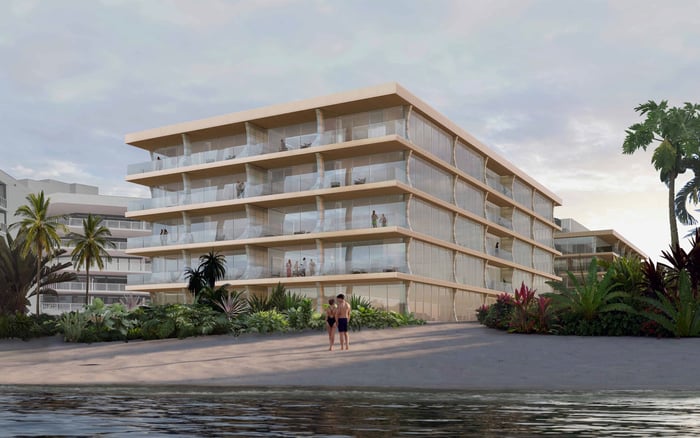
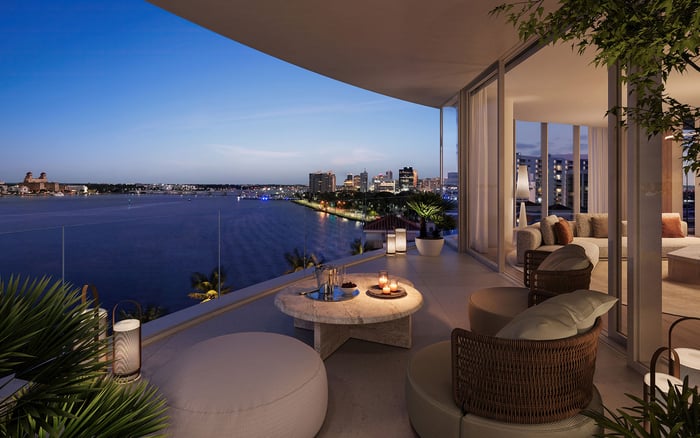
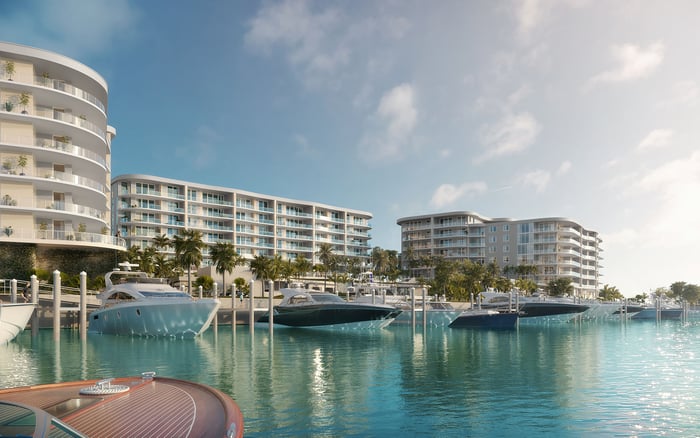
A private-club residence in Palm Beach works as a long-term purchase when its privacy, governance, service culture, and ownership structure are strong enough to support daily life, not just weekend prestige.
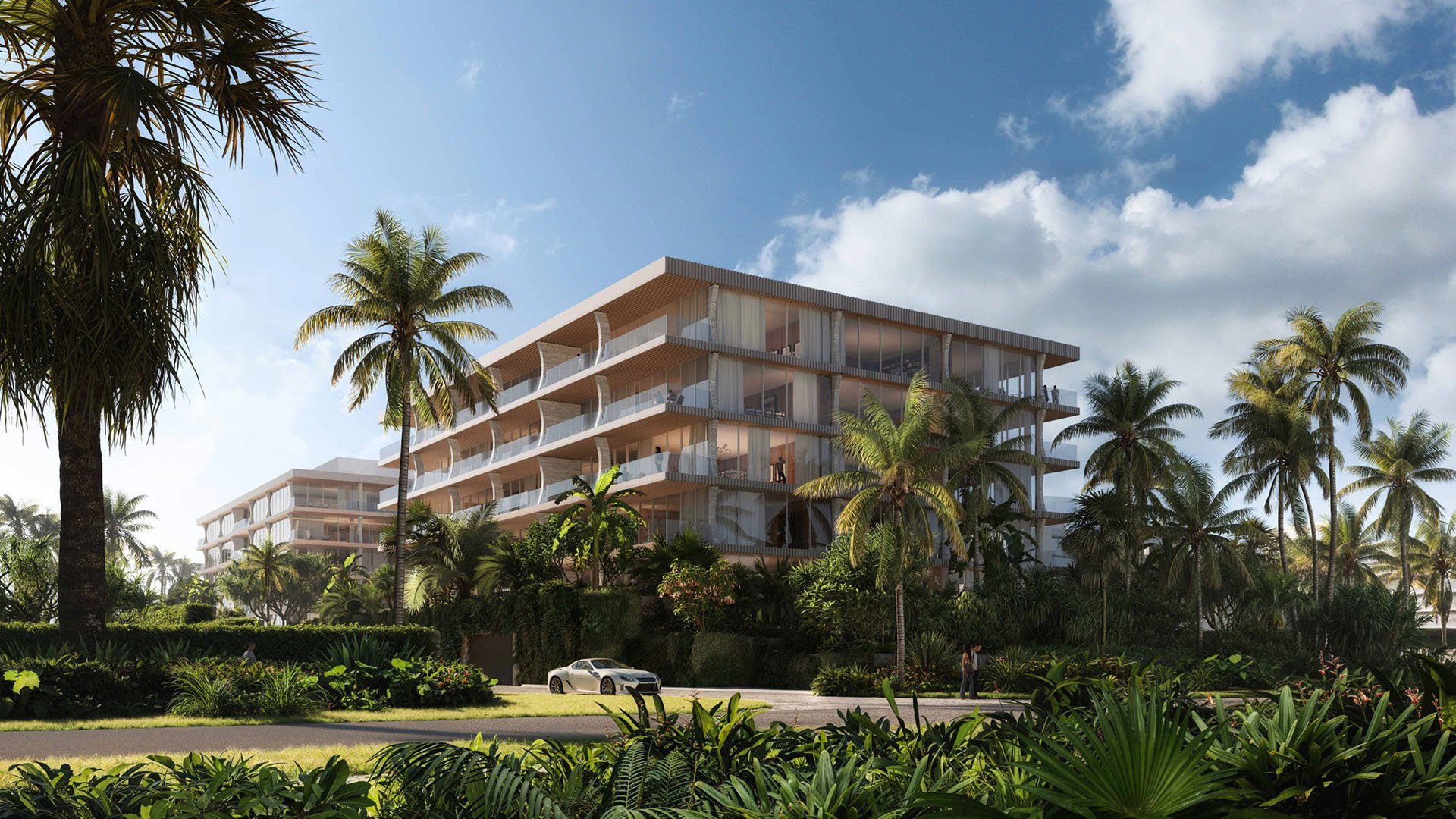
A private-club residence in Palm Beach is seductive for obvious reasons: discretion, service, social proximity, and the sense that daily life can be handled with elegance before a request is made. Yet as a serious long-term purchase, the category demands a colder, more disciplined reading. The question is not whether the club photographs beautifully. The question is whether it will remain useful, well governed, and desirable after the first season of novelty has passed.
In South Florida’s upper tier, the strongest residences are no longer judged by square footage alone. They are judged by how they perform over time. Does the building protect privacy without making life inconvenient? Does the club create community without forcing performance? Does ownership feel calm during peak season, quieter months, family visits, and eventual resale? For Palm Beach buyers, those questions matter because the market is driven by people who tend to have options. They are not simply buying a view or a membership concept. They are buying continuity.
That is why buyers comparing Palm Beach Residences with broader regional alternatives should focus on the operating philosophy behind the address. The right private-club residence should feel complete without feeling overprogrammed. It should offer access while preserving the solitude that made Palm Beach valuable in the first place.
Privacy is often discussed as a lifestyle preference, but in this segment it is also a form of capital preservation. A residence with a calm arrival sequence, controlled circulation, thoughtful guest protocols, and respectful staffing tends to age better than one built around spectacle. The best private-club environments understand that residents do not want to be processed through a hospitality machine. They want recognition without exposure.
This is particularly important in Palm Beach, where the line between social access and social fatigue can be thin. A club should make entertaining easier, but it should not turn the home into a stage. Buyers should ask how residents, club members, guests, vendors, and staff move through the property. If those paths are poorly separated, privacy becomes dependent on goodwill rather than design.
The same discipline applies to amenities. A dining room, lounge, pool, wellness space, or salon is only as valuable as its ability to remain civilized when demand is high. The long-term buyer should care less about the number of spaces and more about whether those spaces can be used without friction.
A private-club residence is part real estate, part service platform, and part social institution. Governance is where those interests either align or begin to strain. Before treating the club component as a premium, a buyer should understand who controls standards, how rules can change, what rights are tied to ownership, and which costs may evolve over time.
This is not merely administrative. Governance affects daily use. It shapes guest access, pet policies, food and beverage standards, event frequency, renovation approvals, rental limitations, and the future character of the property. A beautifully delivered building can lose its composure if the operating structure is vague or resident expectations are misaligned.
For buyers reviewing branded residences, the brand name may signal a service ethos, but it should not replace document review. A strong brand can elevate training, design consistency, and hospitality tone. Still, durable value comes from enforceable structures, reserves, leadership quality, and a culture that can survive changes in management.
Luxury service is often mistaken for abundance. In a long-term residence, the better measure is precision. Staff should know when to appear, when to recede, and how to resolve ordinary requests without turning them into productions. The most successful private-club residences feel effortless because the operating model is clear and the resident experience is quiet.
A serious buyer should think through daily patterns. Where does the car arrive? How are packages handled? Can family members use the property comfortably without constant coordination? Are houseguests welcomed in a way that feels polished but not intrusive? Is the club useful for a weekday breakfast, a private dinner, a wellness routine, and a quiet afternoon, or is it primarily designed for occasional theater?
This is where lifestyle becomes a practical due-diligence category. A residence that improves daily habits can justify a premium over time. A residence that requires constant scheduling, tipping, explanation, or compromise may feel less valuable as the years pass.
Even the best club concept cannot rescue a location that does not fit the owner’s real life. Palm Beach buyers should define their radius with unusual honesty. Proximity to the ocean, town, dining, clubs, family, medical care, airports, and trusted staff may matter more than a marginal difference in finishes. A private-club residence should reduce logistics, not add another layer of planning.
Waterfront settings can be especially compelling when they combine outlook, light, and a sense of permanence. Yet waterfront value is not simply about being near water. It is about orientation, privacy, exposure, access, and the emotional quality of the view throughout the day. The right setting can make the residence feel restorative in a way that holds value beyond fashion.
Buyers who want a broader Palm Beach corridor view often compare island options with West Palm Beach addresses such as South Flagler House West Palm Beach or established trophy references like The Bristol Palm Beach. The point is not that one format is universally superior. It is that each location solves a different version of convenience, privacy, and daily rhythm.
The investment case for a private-club residence depends on more than scarcity. Scarcity is useful only when the next buyer also wants the lifestyle. If the club is too idiosyncratic, too costly for its benefits, or too dependent on a small social circle, the resale audience may narrow. If it is discreet, practical, well governed, and aligned with the way affluent households actually live, it can broaden the property’s appeal.
Liquidity also depends on clarity. Future buyers should be able to understand what they are purchasing, what it costs to maintain, which rights are included, and which limitations exist. Confusing structures create hesitation, even among qualified buyers. The strongest long-term purchases tend to be legible: the residence is excellent, the club is useful, the costs are understandable, and the rules support the value proposition.
This is why buyers should be careful with novelty. New concepts can be attractive, but longevity usually favors restraint. In the Palm Beach context, the most durable luxury is rarely the loudest amenity. It is the steady combination of service, beauty, privacy, and operational discipline.
Not every private-club residence is built around the same idea. Some lean toward resort-style hospitality. Others emphasize wellness, dining, marina access, golf culture, social programming, or residential quiet. The right choice depends on whether the club answers a real need in the owner’s life.
For buyers considering a wider South Florida search, The Ritz-Carlton Residences® Palm Beach Gardens may enter the conversation when service identity and a refined residential environment are priorities. Others may remain focused on Palm Beach itself, where the island’s established rhythm and sense of privacy are the central appeal. The comparison should always return to one question: will this format still feel natural five, ten, or twenty years from now?
A good test is to imagine the residence in three conditions: peak season, quiet summer, and resale. In peak season, it must operate smoothly under demand. In quiet months, it must remain satisfying without social energy. At resale, it must be easy for another sophisticated buyer to understand why it is special.
A private-club residence works as a serious long-term purchase when it removes friction without creating dependency. It offers hospitality without spectacle, community without pressure, and access without sacrificing privacy. The club should be an extension of the home, not a substitute for it.
For Palm Beach buyers, the ideal decision is rarely emotional alone. It is emotional, legal, operational, and financial at once. The residence must be beautiful enough to desire, structured enough to trust, and subtle enough to age. When those elements align, the club becomes more than a feature. It becomes part of the property’s enduring utility.
What is a private-club residence? It is a residential property connected to a club-style operating model, often involving shared services, amenities, access rules, and a managed social environment.
Why does governance matter so much? Governance controls how the club is operated, how costs may evolve, and how resident rights are protected over time.
Is a private club always good for resale? Not automatically. It helps resale when the club is useful, well run, clearly structured, and attractive to a broad enough future buyer pool.
Should buyers prioritize amenities or privacy? Privacy should come first. Amenities add value only if they can be enjoyed without crowding, confusion, or unwanted exposure.
How should dues and ongoing costs be evaluated? Buyers should look at the full cost of ownership, including association charges, club dues, assessments, reserves, and any required memberships.
Are branded residences safer long-term purchases? A brand can support service consistency and design identity, but documents, governance, location, and execution still determine long-term quality.
What makes Palm Beach different from other luxury markets? Palm Beach places unusual value on discretion, social continuity, architectural restraint, and a lifestyle that feels polished rather than performative.
Can a private-club residence work as a second home? Yes, if access, staffing, maintenance, guest use, and seasonal operations are simple enough to make ownership feel effortless from a distance.
What is the biggest mistake buyers make? They focus on launch glamour instead of asking how the property will function during ordinary days, peak demand, and eventual resale.
What is the best way to shortlist comparable options for touring? Start with location fit, delivery status, and daily lifestyle priorities, then compare stacks and elevations to validate views and privacy.
If you'd like a private walkthrough and a curated shortlist, connect with MILLION.
If branded residences are on your mind — as a home or as an allocation — we would be glad to share what we are seeing, privately.
Begin a quiet conversation