A discreet buyer’s guide for Canadian snowbirds evaluating outdoor kitchen durability, maintenance, specifications, and terrace living before committing to a South Florida residence.
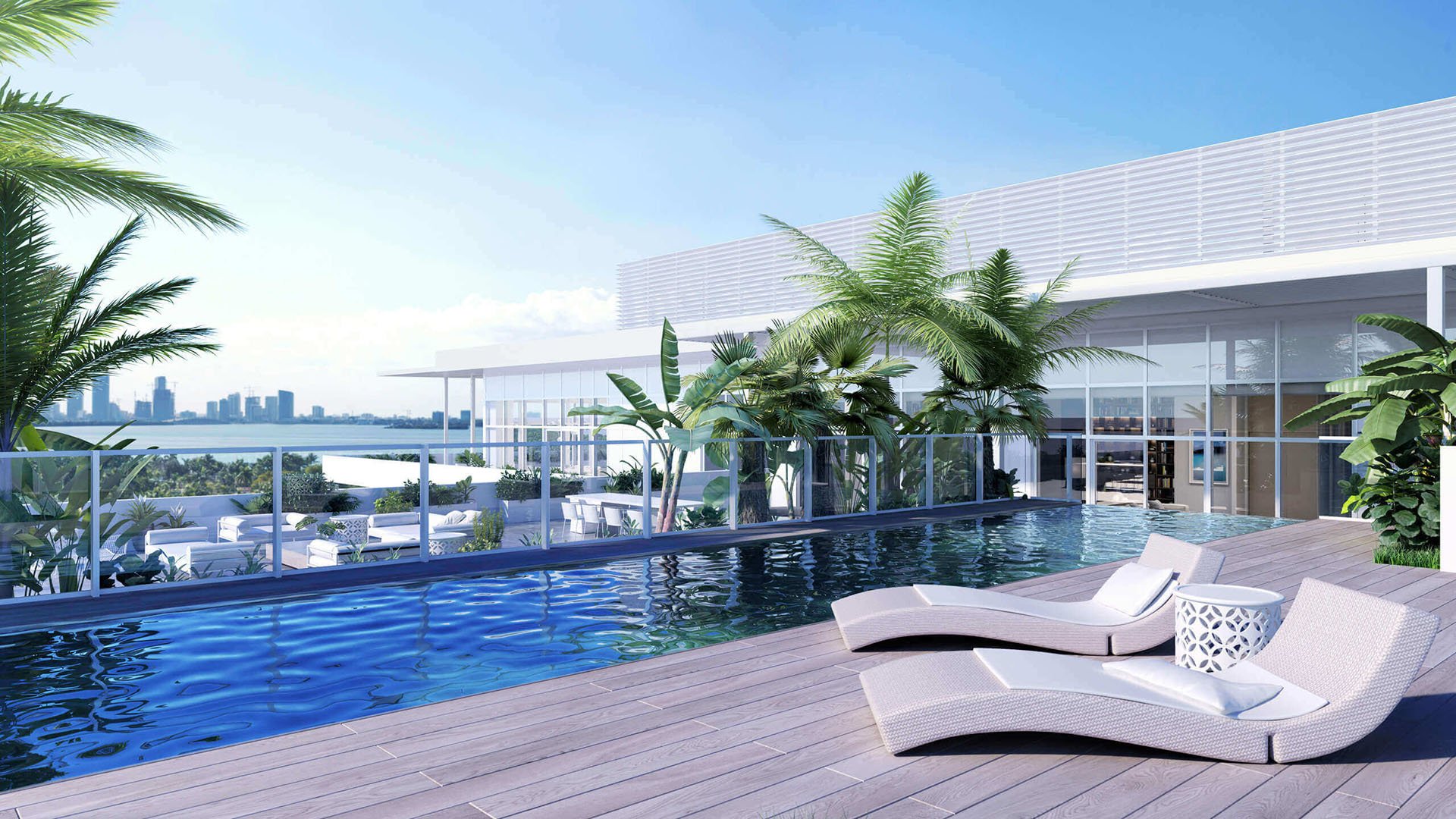
For many Canadian snowbirds, the South Florida residence is imagined through light, water, and effortless entertaining. The outdoor kitchen often becomes part of that vision: a grill station on a terrace, a shaded bar beside the pool, or a summer kitchen aligned with a sunset view. Yet before signing, it deserves the same disciplined review as the primary suite, elevator access, parking, storage, and building financials.
Outdoor kitchens sit at the intersection of design, climate exposure, maintenance, and daily habit. They may look simple during a showing, but their real value depends on how well the installation handles repeated use, periods of vacancy, and the expectations of a second-home owner who may be away for months at a time. For a buyer accustomed to seasonal care in Canada, South Florida requires a different checklist. The question is not merely whether the outdoor kitchen is beautiful. The question is whether it will remain beautiful, functional, and easy to manage after closing.
This is especially important in premium coastal settings, where lifestyle spaces are central to the purchase decision. A buyer considering The Perigon Miami Beach, for example, may be as focused on terrace living and hosting rhythm as on interior finishes. In Miami Beach, the outdoor experience is part of the residence’s identity, making durability a practical luxury issue rather than a minor design detail.
The first question is scope. Is the outdoor kitchen included as delivered, available as an upgrade, or shown only as a design concept? Sales environments can blur the difference between what is built, what is optional, and what is purely inspirational. A careful buyer should request written clarity on appliances, cabinetry, countertops, sink fixtures, ventilation, electrical provisions, lighting, gas or utility connections, and any enclosure or cover.
The second question is responsibility. Who maintains the components, and where does the unit owner’s obligation begin? In a condominium or branded residence, the answer may vary depending on whether the kitchen is within a private terrace, a common amenity deck, or a limited common element. Canadian buyers should ask counsel and the sales team to align the purchase agreement, condominium documents, and maintenance expectations before deposit money becomes hard.
The third question is access. If service is required while the owner is in Toronto, Montreal, Vancouver, or elsewhere, can approved vendors access the area? Is there a building protocol for entry? Can management coordinate minor repairs, or must every service visit be handled directly by the owner? A luxury second home should reduce friction, not create a series of small remote-management tasks.
Outdoor kitchen durability is often decided by materials that are easy to overlook. Cabinet doors, hinges, drawer glides, counter edges, appliance covers, fasteners, caulking, drains, and lighting housings all shape the ownership experience. A dramatic stone counter may photograph beautifully, but the buyer should still ask how it is sealed, how it is cleaned, and what the developer or seller recommends for ongoing care.
The same discipline applies to appliances. Brand prestige matters less than suitability, serviceability, and clear documentation. Buyers should request model information, warranty terms, maintenance instructions, and any restrictions on use. If the residence is pre-construction, the buyer should understand whether substitutions are permitted and how equivalent quality will be defined. If the residence is resale, a pre-closing inspection should treat the outdoor kitchen as a working system, not as patio furniture.
For waterfront buyers, that discipline becomes even more important. Outdoor components may be more exposed than interior finishes, and lifestyle spaces are often expected to perform during frequent entertaining. A buyer evaluating Bentley Residences Sunny Isles in Sunny Isles Beach, or another tower where private outdoor living is central to the appeal, should review terrace specifications with the same attention given to view corridors and floor plan flow.
A full-time resident notices small issues quickly. A snowbird may not. That difference changes the durability equation. A burner that needs service, a cabinet door that does not close cleanly, a countertop that requires attention, or a drain that should be cleared can become more frustrating when discovered at the start of a winter stay.
Before signing, buyers should ask how the outdoor kitchen should be left during an absence. Should appliances be covered? Should water be turned off? Are there recommended cleaning procedures before departure? Are there building rules about items left on terraces during storms or extended vacancy? The answers should be practical, written, and consistent with how the owner will actually use the residence.
This is where full-service buildings and well-managed boutique properties may hold appeal. The outdoor kitchen itself is only one part of the equation. The larger question is whether the building’s culture supports seasonal ownership with grace. In Fort Lauderdale, for instance, a buyer touring St. Regis® Residences Bahia Mar Fort Lauderdale should think beyond the initial presentation and ask how private outdoor spaces are managed after move-in.
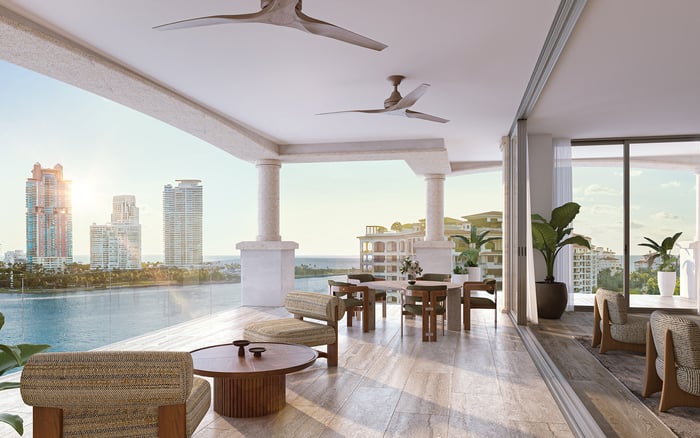
The outdoor kitchen should not be reviewed in isolation. It belongs to a broader choreography: seating, shade, service from the interior kitchen, storage, wind comfort, privacy, lighting, and the path guests take from arrival to terrace. If the grill is positioned awkwardly, if the dining area is too far away, or if there is no comfortable place to stage drinks and platters, the installation may be underused no matter how expensive it appears.
Buyers should stand in the space and imagine an actual evening. Where will guests gather? Will the cook face the view or a wall? Is there room to pass safely? Is the area visible from neighboring residences? Does the layout support quiet breakfasts as well as larger gatherings? These questions are not cosmetic. They reveal whether the outdoor kitchen belongs to the architecture or was added as a sales-friendly accessory.
In Palm Beach and nearby markets, private outdoor living often carries a different mood than in the denser urban core. A buyer comparing residences such as The Ritz-Carlton Residences® Palm Beach Gardens may place greater emphasis on gracious entertaining, storage, and service flow. The right outdoor kitchen should support that rhythm without demanding constant attention.
Before signing, Canadian snowbirds should confirm that the outdoor kitchen is permitted exactly as represented. Building rules may address cooking equipment, fuel sources, terrace modifications, hours of use, smoke, odors, noise, and approved contractors. These rules are not obstacles when understood early. They are part of the ownership framework.
Insurance and warranty questions should also be raised before closing. Buyers should ask what is covered by the developer, what is covered by manufacturers, and what becomes the owner’s responsibility. If an owner plans to rent the residence, host frequently, or use a property manager, the outdoor kitchen may receive heavier use than a purely private seasonal home. The buyer should align expectations with the intended lifestyle.
For a second-home purchaser, the most expensive mistake is often assuming that a beautiful feature is automatically easy to own. The better approach is quieter and more rigorous: ask, document, inspect, and understand. Luxury is not only the presence of an outdoor kitchen. Luxury is confidence that it will perform when the owner arrives, opens the doors, and begins the season.
Before committing, request a complete specification sheet for the outdoor kitchen. Confirm whether the installation is standard, optional, customized, or seller-owned. Ask who services each appliance, how warranty claims are handled, and whether replacement parts or vendor access are straightforward.
Walk the space at the time of day you expect to use it. Consider shade, seating, privacy, and proximity to the interior kitchen. Review maintenance obligations with counsel if the outdoor kitchen sits on a private terrace within a condominium structure. If buying resale, test every component during inspection. If buying pre-construction, ensure the contract language reflects what matters to you.
Most of all, resist treating the outdoor kitchen as a decorative finish. In South Florida, it is part of how a residence lives. For Canadian snowbirds, that makes durability not a technical sidebar, but a central piece of buying well.
Why should Canadian snowbirds evaluate outdoor kitchens before signing? Because seasonal ownership can make maintenance, service access, and durability more important than they appear during a short tour.
Should I ask whether the outdoor kitchen is included in the purchase? Yes. Confirm in writing whether it is included, optional, upgraded, customized, or shown only for presentation purposes.
What documents should I review? Review the purchase agreement, condominium documents, maintenance rules, warranty materials, and any specifications for appliances and finishes.
Is an outdoor kitchen on a terrace always private property? Not necessarily. Ask counsel to confirm whether the area is private, common, or a limited common element with shared rules.
What should resale buyers inspect? Test appliances, cabinetry, plumbing, lighting, drains, counters, covers, and any utility connections before the inspection period ends.
What should pre-construction buyers clarify? Clarify specifications, substitution rights, upgrade pricing, delivery condition, and who is responsible for installation and warranty follow-up.
Does a waterfront setting change the review? It can make careful material, maintenance, and service questions more important, especially for buyers who expect frequent outdoor entertaining.
How does seasonal vacancy affect ownership? Absence can delay small repairs, so buyers should understand closing procedures, vendor access, and property-management support before committing.
Are building rules important for outdoor kitchens? Yes. Rules may address equipment, contractors, cooking use, noise, odors, terrace storage, and modifications after closing.
What is the simplest buyer takeaway? Treat the outdoor kitchen as a working system, not a decorative amenity, and verify how it will perform over time.
To compare the best-fit options with clarity, connect with MILLION.
If branded residences are on your mind — as a home or as an allocation — we would be glad to share what we are seeing, privately.
Begin a quiet conversation