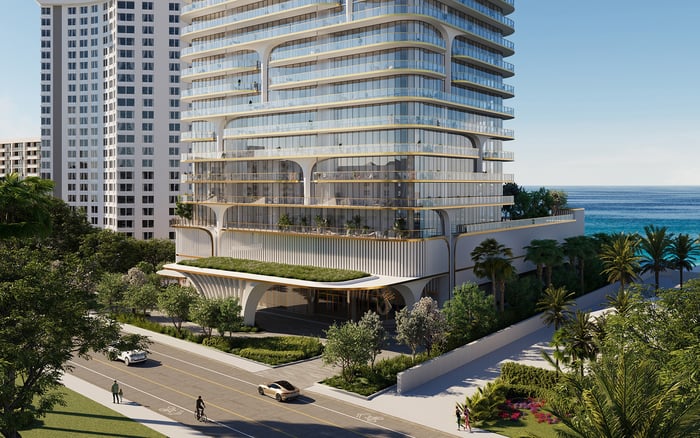
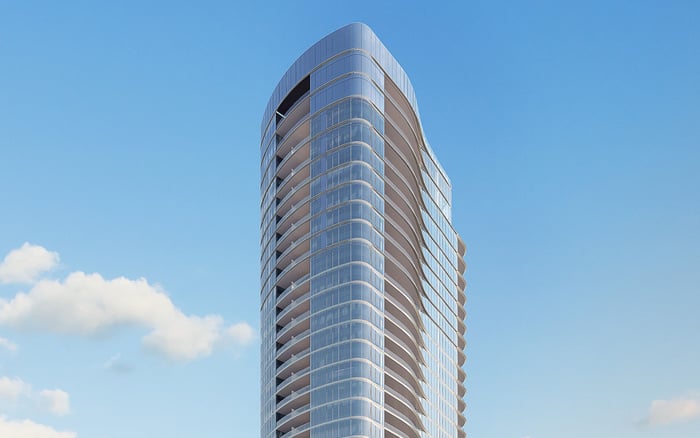
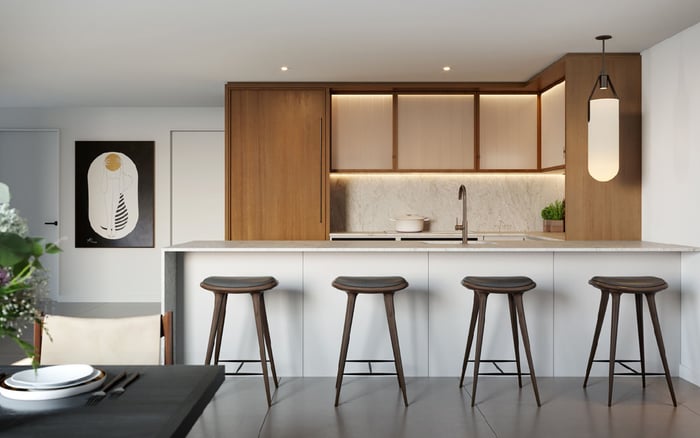
A practical, buyer-oriented look at how extended families can think about privacy, services, amenities, access, and Brickell Key logistics when evaluating a branded Miami residence for repeat long-stay use.
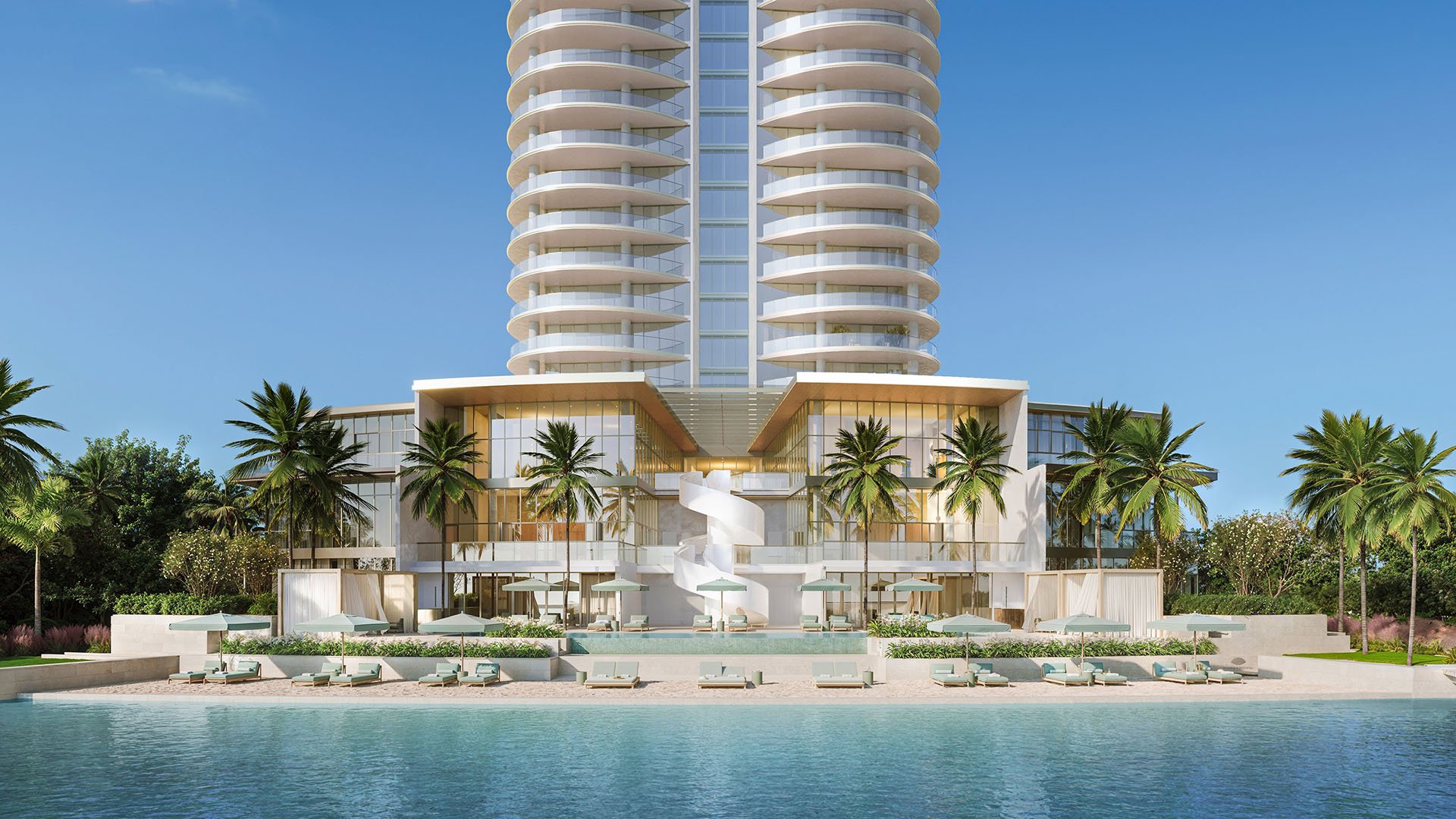
For families considering The Residences at Mandarin Oriental, Miami, the essential planning question is not simply how many people can sleep under one roof. It is how elegantly the residence can support several households at once. Grandparents, adult children, grandchildren, visiting relatives, business guests, and domestic staff may each arrive with different rhythms, privacy expectations, and service needs.
For an extended stay, the value of a branded residential setting is best understood as an operating question. Buyers should look beyond the arrival experience and ask how private living, service coordination, amenity access, and household routines will work during a longer visit. The residence becomes a setting for daily life, not just a beautiful backdrop for a holiday.
Brickell Key gives the conversation a distinct Miami context. For established local families and global buyers alike, the opportunity is to treat the home as a recurring family base rather than a one-time vacation setting.
Branded residences are often discussed in terms of cachet, design language, and service. For multi-generational use, the more useful question is operational: what burdens can be removed from the owner before the family arrives?
Owners should review which services are available, how they are requested, and which permissions apply before relying on them for a large family stay. Arrival planning, housekeeping coordination, dining support, and amenity timing can all become important when several households share one residence for more than a few nights.
This does not replace family intimacy. It protects it. The strongest guest strategy keeps the owner from becoming the full-time host, scheduler, driver, and problem solver. Buyers comparing the broader service-led market in Brickell often look at projects such as St. Regis® Residences Brickell and Cipriani Residences Brickell for context, while Mandarin Oriental, Miami invites a focused discussion about repeat family use on Brickell Key.
Brickell Key supports an island-style setting near Miami’s Brickell business and lifestyle district. That balance matters for extended family stays because the visit rarely follows one agenda. One guest may have meetings. Another may want pool time with children. A third may prefer a quieter morning before joining the group for dinner.
The location can support a rhythm that combines family leisure, business needs, dining, and access across Greater Miami. It can also help families avoid the all-or-nothing feel of a resort stay. Brickell is nearby for work and dining, while the island setting provides a measure of separation when the family wants to retreat.
For owners who split time between Miami and another primary residence, the property can be approached as a second home that is not merely occasional. With the right protocol, it can become the family’s recurring Miami base for holidays, school breaks, milestone birthdays, and longer winter stays.
A successful extended-stay plan treats the home as more than a bedroom count. It assigns functions. There should be a privacy zone for each household, a shared meal zone, a children’s activity zone, a quiet work zone, and a staff logistics zone. The exact layout will vary by residence, but the principle is constant: do not make every space serve every purpose.
Flexible indoor-outdoor living is particularly valuable in Miami’s climate. A terrace can relieve pressure on interior rooms, create a secondary gathering area, and allow different age groups to coexist without crowding one another. Morning coffee, children’s snacks, informal lunches, and late-evening conversations can all happen without turning the main living area into a 24-hour family room.
Remote work deserves equal attention. During longer stays, at least one guest is likely to need privacy for calls or concentrated work. Buyers studying urban residences such as The Residences at 1428 Brickell already understand how important work-ready space has become. At The Residences at Mandarin Oriental, Miami, that same discipline should be applied before the first suitcase arrives.
Amenity planning should account for simultaneous needs. Adults may want wellness time. Children may want pool time. A larger group may need dining coordination. Someone else may need quiet space for a call or a nap. The point is not only which amenities are offered; buyers should confirm how access, reservations, guest permissions, and timing work during a longer family stay.
This is where a thoughtful owner can create repeatable rituals. Breakfast might remain informal in the residence. Afternoons might divide between children’s activities and adult wellness. Dinners can alternate between private meals and reservations when available. The goal is not to script every hour. It is to prevent the largest personality in the group from controlling the entire day.
Waterfront living can also change the emotional pace of a stay. Views, open air, and proximity to the bay may make downtime feel intentional rather than like a pause between activities. That is a subtle but important distinction when multiple generations are sharing one address.
The most elegant family stay can become strained if access and permissions are improvised. Guest registration, access control, service permissions, and house rules should be addressed before arrival. Who may authorize housekeeping? Who can request dining support? Which relatives may bring outside guests? How should domestic staff coordinate with building or hospitality teams?
These are not cold administrative questions. They are the architecture of discretion. Clear rules protect privacy, staff boundaries, and family relationships. For holidays and reunions, the property’s service model may help coordinate dining, housekeeping, arrivals, departures, and amenity reservations, but only if the owner has defined the family’s preferred protocol and confirmed what is available.
For semi-permanent multi-generational use, the strategic issue is balance. Shared family time must be easy, but withdrawal must be equally acceptable. That is why the strongest guest strategy begins before move-in, before the season starts, and before the first major gathering. In that sense, The Residences at Mandarin Oriental, Miami is best understood not only as a lifestyle address, but as a platform for calm, repeatable family hospitality in Brickell.
Why is The Residences at Mandarin Oriental, Miami relevant for extended family stays? It gives buyers a framework for thinking about private residence use, service coordination, amenity timing, and family logistics in a Brickell Key setting.
Why does Brickell Key matter for visiting relatives? Brickell Key offers an island-style context near Brickell, allowing a stay to mix family leisure, business needs, dining, and access across Greater Miami.
Should owners plan around bedrooms first? Bedrooms matter, but the better starting point is zoning for privacy, meals, children’s activities, work, and staff logistics.
How can hospitality-style services reduce family friction? When available and properly authorized, service support can help coordinate arrivals, cleaning, dining requests, and amenity reservations during longer visits.
What family groups should be considered in advance? Planning should include grandparents, adult children, grandchildren, visiting relatives, business guests, and domestic staff.
How should amenities be used during a long stay? Owners should plan for simultaneous needs, including wellness time, pool use, larger meals, and quiet areas for work or rest.
Why is indoor-outdoor living important in Miami? Flexible indoor-outdoor space can create extra gathering areas and reduce pressure on interior rooms during multi-generational stays.
What access issues should be settled before guests arrive? Guest registration, access control, service permissions, and household rules should be clarified before an extended family visit begins.
Can the residence work for holidays and reunions? It can, provided the owner confirms available services and sets clear protocols for dining, housekeeping, arrivals, departures, and amenity planning.
What is the biggest challenge for semi-permanent multi-generational use? The key challenge is balancing shared family time with enough privacy for each household to maintain its own rhythm.
If you'd like a private walkthrough and a curated shortlist, connect with MILLION.
If branded residences are on your mind — as a home or as an allocation — we would be glad to share what we are seeing, privately.
Begin a quiet conversation