A discreet buyer’s guide to choosing between Miami Beach and Bal Harbour for a primary residence, with emphasis on daily rhythm, privacy, building culture, and long-term ownership fit.
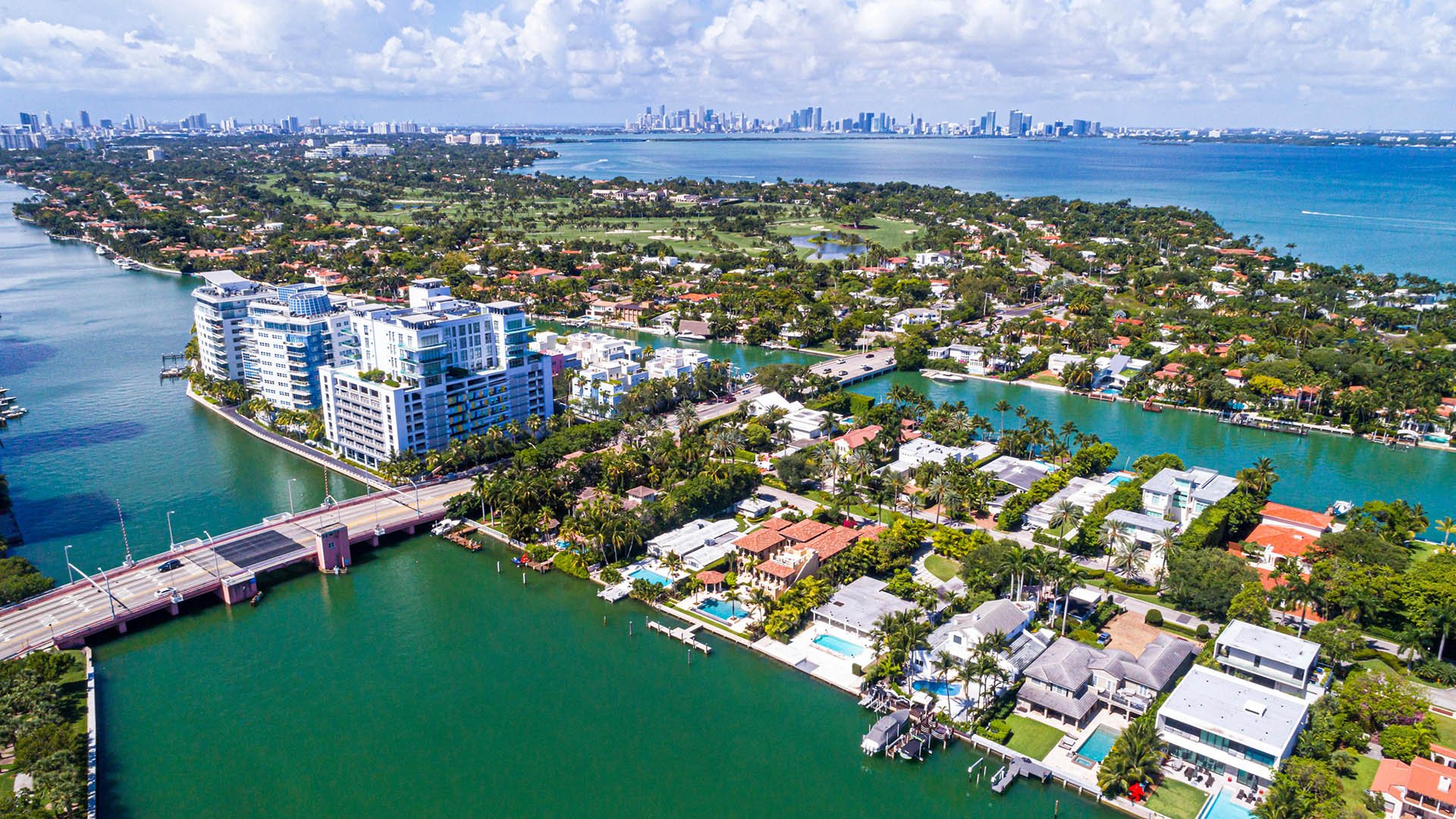
Choosing between Miami Beach and Bal Harbour is less a contest between two prestigious addresses than a refinement of personal operating system. Both can deliver oceanfront living, polished service, architectural ambition, and proximity to the water. Yet as a primary residence, each asks a different question. Do you want a broader, more kinetic coastal city with multiple neighborhood moods, or a more contained village environment where daily life feels quieter, more edited, and intentionally private?
For second-home buyers, the decision is often governed by view, brand, and seasonal ease. For primary residents, the calculus is more exacting. Morning routines, school routes, fitness habits, dinner patterns, guest flow, pet logistics, household staff access, and board culture all matter. A residence that seduces during a weekend showing may feel very different when it becomes the base for every weekday, every delivery, every appointment, and every family rhythm.
Miami Beach offers range. Bal Harbour offers concentration. The right answer depends on whether your daily life benefits more from choice or from calm.
Miami Beach is compelling for buyers who want a primary residence with dimensionality. Its appeal is not only the beach, but the ability to choose among distinct residential temperaments within one larger address. Some buyers lean toward a quieter, design-forward oceanfront setting. Others want proximity to restaurants, wellness clubs, cultural venues, marinas, parks, or a more social evening cadence.
That breadth is the point. A primary home in Miami Beach can support a resident who moves between work, family, fitness, dining, and entertaining without wanting the day to feel too still. For clients who spend meaningful time in the city, host often, or want a residence that can flex between privacy and access, Miami Beach tends to feel more versatile.
The building decision becomes especially important. A buyer considering The Perigon Miami Beach, for example, is often responding to the idea of a composed beachfront life with strong architectural presence. A buyer drawn to Shore Club Private Collections Miami Beach may be prioritizing heritage, service, and a more storied sense of place. Another buyer may prefer the residential familiarity of The Ritz-Carlton Residences® Miami Beach, where the branded-residence framework can clarify expectations around service and consistency.
Miami Beach is not a single lifestyle. It is a menu. That is its advantage for primary residents who want options, but it also requires discipline. The best choice is rarely the most photographed address. It is the building and micro-location that align with how you actually live Monday through Friday.
Bal Harbour tends to resonate with buyers who want the opposite of excess friction. The appeal is a more measured form of luxury, where the environment feels quieter, the footprint more legible, and the day less interrupted by the wider city’s momentum. It can be especially attractive to primary residents who value privacy, ease, security, and a village-like rhythm close to the water.
For many families and long-term residents, Bal Harbour’s strength is its restraint. The environment supports a highly curated lifestyle without requiring constant movement. The beach, building amenities, dining, retail, and residential routines can feel close at hand. For buyers who do not need Miami Beach’s broader menu every day, Bal Harbour’s compactness can feel like a privilege.
A residence such as Rivage Bal Harbour fits into this conversation because it speaks to buyers who want new-development polish in a more discreet setting. Bal Harbour can also appeal to those who prefer a smaller competitive set of ultra-luxury buildings, where ownership is defined less by variety and more by exclusivity, finish, and long-term comfort.
The tradeoff is equally clear. Bal Harbour is not designed for buyers who want constant neighborhood variety at their doorstep. It rewards those who find value in consistency. If your ideal primary residence feels like a private retreat within reach of the larger Miami ecosystem, Bal Harbour deserves serious consideration.
Before comparing floor plans, a primary-residence buyer should audit the week. Where do you need to be before 9 a.m.? How often do you cross the causeways? Who visits, and how frequently? Do you entertain formally, casually, or rarely? Are you buying for children, adult guests, aging parents, remote work, or a couple’s low-maintenance routine?
Miami Beach often wins when the owner wants an active residential base. It may suit those who value spontaneity, multiple dining options, cultural proximity, and an address that can support different moods across the week. Bal Harbour often wins when the owner wants the home environment to be deliberately serene, with fewer variables and a more protected sense of arrival.
Waterfront and oceanfront criteria should also be separated. A waterfront residence can be visually calming and practical without necessarily being a beach-life purchase. Oceanfront ownership, by contrast, carries a specific emotional and daily-use logic. If the sand is central to your routine, prioritize buildings that make beach access feel natural, not ceremonial. If the view matters more than the swim, the search can be wider and more strategic.
In ultra-luxury primary residences, the building culture can matter as much as the residence itself. Some buildings are quiet and owner-focused. Others are more social, seasonal, or hospitality-driven. Some residents want a staff that knows their preferences without over-performing. Others want a richer amenity calendar and a more visible service environment.
This is where Miami Beach and Bal Harbour can diverge. Miami Beach offers more variation in building personality. That creates more opportunities to find an exact match, but also more room for mismatch. Bal Harbour’s narrower profile can make the search feel more focused, though buyers should still study the tone of the lobby, amenity usage, guest policies, valet experience, pet protocols, and the feel of the elevator ride at different times of day.
Privacy is not just the number of residences or the price point. It is the choreography of arrival, the separation between residents and visitors, the discretion of service areas, the acoustics of shared spaces, and the way a building handles peak-season pressure. For a primary residence, those invisible qualities become visible quickly.
Resale should be part of the decision, but it should not overwhelm livability. The strongest primary-residence purchases usually balance emotional fit with enduring fundamentals: location, views, floor plan, building quality, service culture, scarcity, and ease of use. A home that is difficult to live in rarely becomes a better investment simply because it looked compelling on paper.
Miami Beach may offer a broader buyer pool because it serves multiple lifestyle profiles. Bal Harbour may offer a more concentrated luxury thesis, particularly for buyers who want a recognizable, quiet, high-end setting. Neither is automatically superior. The question is which market logic supports the way you live and the way a future buyer is likely to understand the asset.
A practical approach is to score each contender twice. First, score it as a home. Second, score it as an exit. If a property ranks high on both, it deserves attention. If it ranks high only on spectacle, pause.
Choose Miami Beach if you want range, energy, and the ability to tailor your neighborhood experience. It is best for buyers who use the city actively, appreciate architectural and lifestyle variety, and want their primary residence to feel connected to a larger social and cultural field.
Choose Bal Harbour if you want composure, discretion, and a more contained luxury environment. It is best for buyers who value quiet arrival, beach proximity, refined daily routines, and a residential setting that feels intentionally removed from unnecessary noise.
The most sophisticated buyers do not ask which address is more prestigious. They ask which address will preserve their time, support their household, and make daily life feel more elegant. That is the true primary-residence strategy.
Is Miami Beach better than Bal Harbour for a primary residence? It depends on how you live. Miami Beach generally offers more variety, while Bal Harbour offers a quieter, more contained setting.
Who should choose Bal Harbour? Bal Harbour suits buyers who prioritize privacy, calm routines, and a refined village feel near the water.
Who should choose Miami Beach? Miami Beach suits buyers who want neighborhood choice, cultural access, dining options, and a more active daily rhythm.
Is oceanfront ownership essential in either market? Not always. Oceanfront is ideal if beach access is central to daily life, while waterfront views may satisfy buyers who prioritize outlook and serenity.
How important is building culture? It is critical for a primary residence. Service tone, privacy, guest flow, and amenity usage can shape daily comfort.
Should resale drive the decision? Resale should inform the purchase, but livability should lead. The strongest homes usually balance both.
Is Bal Harbour too quiet for full-time living? It can be too quiet for buyers who want constant activity. For others, that restraint is precisely the appeal.
Is Miami Beach too busy for full-time living? It can be, depending on the micro-location and building. The right residence can still feel highly private.
Can both markets work for families? Yes, provided the commute, household logistics, floor plan, and building policies support the family’s daily routine.
What is the best way to shortlist comparable options for touring? Start with location fit, delivery status, and daily lifestyle priorities, then compare stacks and elevations to validate views and privacy.
For a tailored shortlist and next-step guidance, connect with MILLION.
If branded residences are on your mind — as a home or as an allocation — we would be glad to share what we are seeing, privately.
Begin a quiet conversation