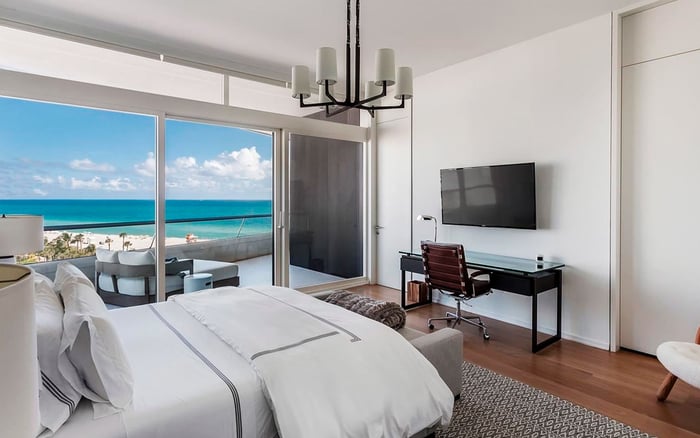
A discreet guide for Canadian snowbirds on why homestead strategy should be reviewed before committing to a South Florida luxury residence.
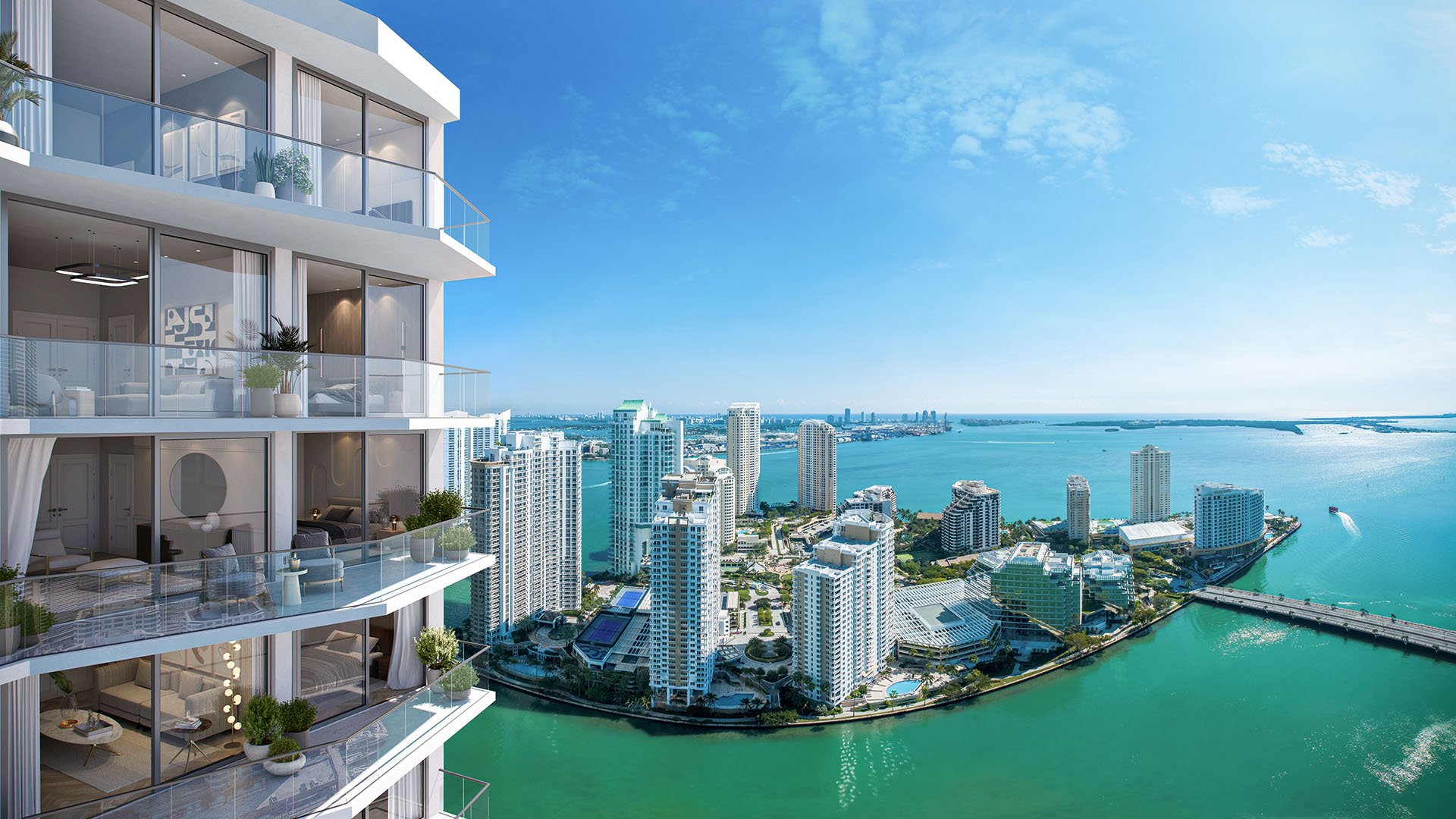
For Canadian snowbirds, South Florida often begins as a lifestyle decision: warmer winters, direct ocean air, and a familiar circuit of restaurants, clubs, marinas, wellness routines, and family visits. Yet the most consequential choice may not be the view, the floor height, or the name on the porte cochère. It may be the structure behind the purchase.
Homestead strategy should be discussed before a contract is signed because it can influence how a buyer evaluates occupancy, title, family planning, tax coordination, asset protection, and long-term intent. The point is not to treat every seasonal residence as a primary home. The point is to avoid making a high-value acquisition before the household has clarified what the property is meant to be.
A Canadian buyer considering Brickell, Miami Beach, Sunny Isles Beach, West Palm Beach, or a quieter waterfront enclave is usually balancing more than design preference. There may be Canadian ties, cross-border professional advice, family members in multiple jurisdictions, estate documents drafted elsewhere, and a seasonal rhythm that changes over time. Homestead planning does not sit apart from those considerations. It belongs at the center of the pre-signing checklist.
Luxury buyers are trained to scrutinize finishes, ceiling heights, service culture, parking, views, and privacy. They may tour a waterfront tower in the morning, review association documents in the afternoon, and negotiate deposit timing by evening. What can be missed is the legal and personal profile of the buyer.
Before signing, a Canadian snowbird should ask a simple question: what role will this property play in the household’s life? A seasonal retreat, a future full-time base, a family gathering point, an investment holding, or a residence intended to simplify a later transition are not identical objectives. Each can suggest a different discussion with legal, tax, financing, and estate advisers.
That is why homestead strategy should not be reduced to a form or a post-closing task. It is better viewed as a framework for aligning the purchase with the buyer’s stated use. A residence selected for occasional winter stays may require a different review than one selected with a future relocation in mind. A property purchased by one spouse, jointly by spouses, through an entity, or with future family transfers in mind may also require careful pre-contract advice.
The elegance of South Florida real estate can make the process feel deceptively simple. The architecture is polished, the sales galleries are serene, and the contracts are professionally managed. But a beautiful acquisition can still become complicated if the structure is an afterthought.
The first practical step is to define title intentionally. Buyers should not assume that the simplest title choice is the best choice, nor that a structure used for another asset will automatically suit a Florida residence. The right answer depends on the buyer’s personal circumstances, family profile, financing approach, estate planning documents, and intended use.
For Canadians, this conversation is especially important because life may remain anchored in two places. One spouse may spend more time in Florida than the other. Adult children may expect future access. A property may be designed for winter use today but become a more permanent address later. These are not merely lifestyle notes. They are structural inputs.
The same discipline applies when comparing product types. A buyer choosing an urban base such as St. Regis® Residences Brickell may be thinking differently than a buyer prioritizing an ocean-oriented seasonal routine at The Perigon Miami Beach. The right residence is not only the one that feels most compelling during a tour. It is the one that fits the buyer’s plan after the tour.
Second-home buyers often want flexibility. They may want to arrive for the season, host family, leave for extended periods, and keep private life uncomplicated. Yet flexibility should be designed, not assumed.
Before signing, buyers should review how the residence will be used, who will have access, whether there is any rental intent, how expenses will be handled, and whether future changes in residency are realistic. If a property is meant to evolve from a seasonal home into a more permanent base, that possibility should be discussed early. If it is strictly a private winter residence, that should also be clear.
Location can sharpen the conversation. A buyer drawn to The Ritz-Carlton Residences® Sunny Isles may be motivated by an oceanfront lifestyle and resort-caliber convenience. A buyer considering Forté on Flagler West Palm Beach may be responding to a different social geography and daily cadence. Neither choice is inherently more strategic. The strategy depends on the buyer’s profile.
The most sophisticated buyers rarely rely on one adviser for every issue. They coordinate. For a Canadian snowbird, the preferred team may include Florida counsel, Canadian tax advice, estate planning guidance, a financing professional, an insurance specialist, and a real estate adviser who understands the luxury condominium and waterfront markets.
The timing matters. Advice is most valuable before terms become fixed. Once a buyer has signed, funded deposits, selected title structure, and committed to closing mechanics, there may be fewer elegant ways to adjust the plan. Early advice can help the buyer decide what questions to ask before the emotional momentum of a desirable residence takes over.
This is not about adding friction. It is about creating calm. A well-structured purchase allows the buyer to enjoy the property without wondering whether a key planning issue was overlooked. In a market where discretion and speed often matter, preparation is a form of leverage.
Homestead strategy should be considered alongside the practical rules of the building. Condominium living is governed by documents, policies, budgets, maintenance obligations, and rules on guests, leasing, pets, renovations, deliveries, and staff access. These may not be homestead issues directly, but they affect whether the property functions as intended.
A Canadian buyer who expects extended family visits should understand guest policies. A buyer who may leave the residence vacant for part of the year should understand management, access, and maintenance procedures. A buyer considering any rental use should clarify the building’s position before relying on that possibility.
The most refined buildings often operate with a high degree of order. That order is part of the appeal. It also means the buyer should be candid about use from the beginning. A property such as Baccarat Residences Brickell may appeal to a buyer seeking a polished urban lifestyle, but the planning work still begins with the household’s own pattern of use.
South Florida offers many versions of luxury. Brickell can feel metropolitan and global. Miami Beach offers coastal identity and cultural immediacy. Sunny Isles Beach is often associated with high-rise oceanfront living. West Palm Beach offers a different tempo, with a growing luxury audience and a more northerly lifestyle circuit. Each area can work for a Canadian buyer, but each should be assessed through the same structural lens.
The question is not simply where the buyer wants to spend the winter. It is how the purchase fits with the buyer’s family, time horizon, advisory framework, and future options. Homestead strategy is one part of that broader alignment. When addressed early, it can support a more coherent acquisition. When ignored, it can leave important decisions to be sorted out after the emotional and financial commitment has already been made.
Should Canadian snowbirds discuss homestead strategy before signing a contract? Yes. The discussion is most useful before title, deposits, financing, and closing logistics are set.
Is homestead planning only relevant for full-time Florida residents? Not necessarily. Even if a buyer remains seasonal, the topic can shape questions about use, title, family planning, and future intent.
Can a condominium purchase require different planning than a single-family home? Yes. Condo documents, association rules, access policies, and rental restrictions can affect how the residence functions.
Should Canadian tax advice and Florida legal advice be coordinated? Yes. Cross-border buyers should avoid reviewing each jurisdiction in isolation.
Does the right title structure depend on family circumstances? Yes. Spouses, children, estate plans, financing, and future transfers can all influence the discussion.
Should buyers decide future use before choosing a building? They should at least define likely use. Seasonal stays, family access, and future relocation goals may point to different priorities.
Is rental intent part of the homestead conversation? It can be. Buyers should clarify building rules and adviser guidance before assuming rental flexibility.
Can the strategy change after closing? It may be possible, but pre-contract planning is usually cleaner than correcting structure later.
What should buyers bring to their advisers? They should bring intended use, family goals, ownership preferences, financing plans, and any existing estate planning documents.
What is the best first step for a Canadian snowbird? Assemble the advisory team before the preferred residence turns into a signed commitment.
When you're ready to tour or underwrite the options, connect with MILLION.
If branded residences are on your mind — as a home or as an allocation — we would be glad to share what we are seeing, privately.
Begin a quiet conversation