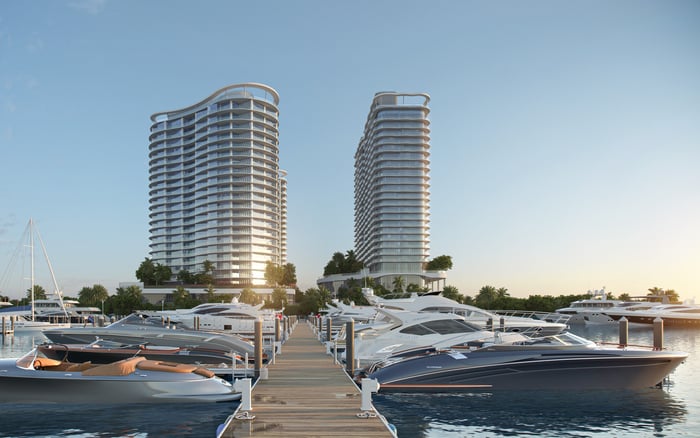
For California entrepreneurs moving capital and lifestyle time to South Florida, waterfront property requires a separate diligence track. Boat-lift rules can shape daily use, future approvals, contractor timing, insurance conversations, and resale confidence, especially when a dock or lift is central to the purchase thesis.
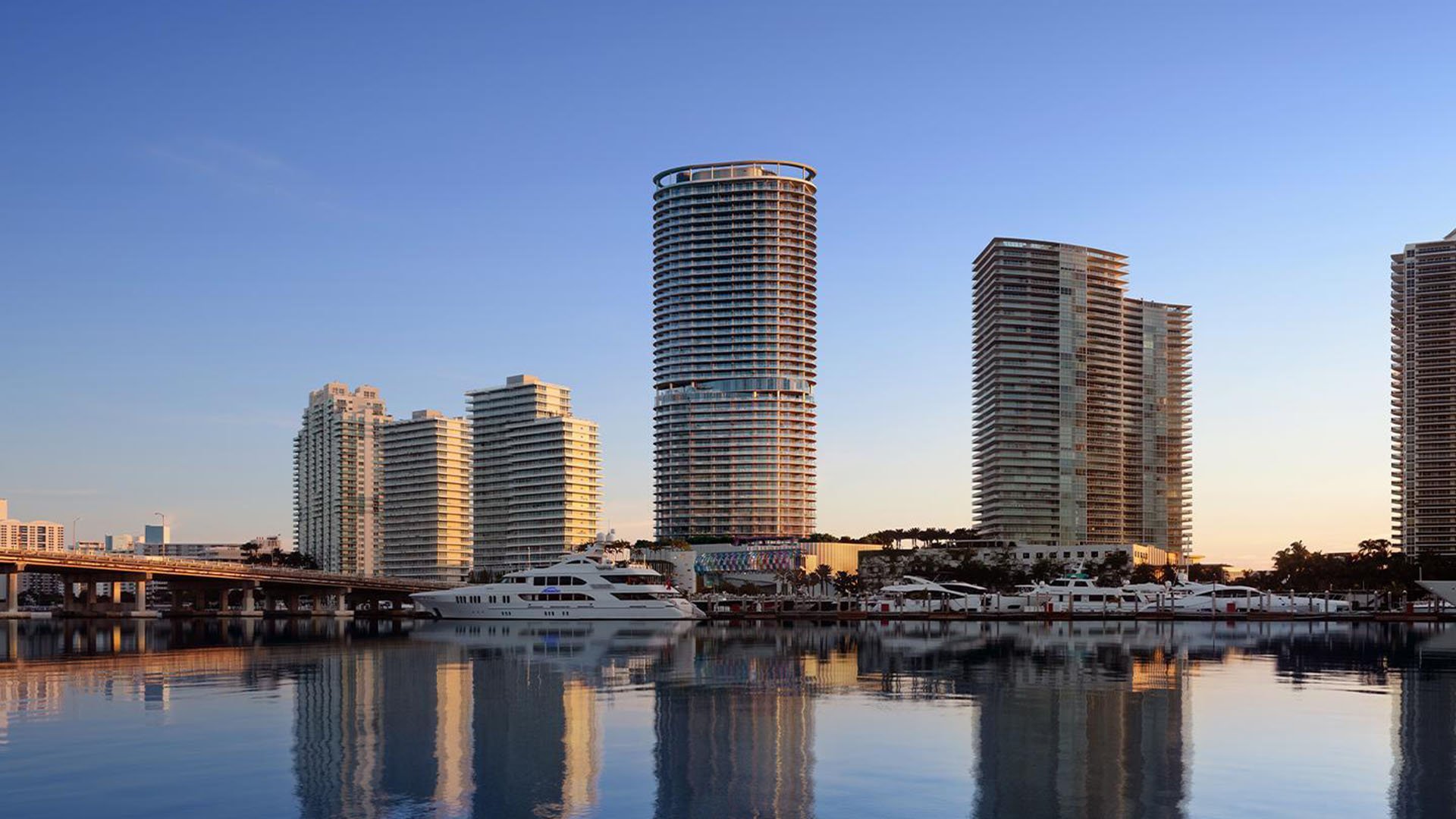
For many California entrepreneurs, the South Florida move is not simply about tax posture, climate, or a larger home office. It is about reclaiming time. A morning run along the water, a fast transfer from boardroom to boat, and a residence that makes leisure feel operationally simple can all become part of the acquisition thesis. Yet one detail can materially change how a waterfront property lives: the boat lift.
A boat lift is not just equipment. It is a use right, a permitting question, a design condition, a maintenance obligation, and sometimes a community governance issue. A home can offer spectacular water views and still require careful review before a buyer assumes that a specific boat, tender, or lift configuration will work. In the ultra-premium segment, the risk is rarely that a buyer cannot afford a solution. The risk is signing before the right questions have been asked.
California buyers benefit from slowing the process down. In Los Angeles, Newport Beach, San Francisco, or Silicon Valley enclaves, coastal property diligence often carries its own vocabulary. South Florida has a different rhythm. Canals, Intracoastal corridors, bayfront edges, ocean-adjacent marinas, and condominium associations each create their own practical framework. The most sophisticated buyers treat boat-lift diligence as part of the property file, not as an afterthought once the closing dinner is scheduled.
A residence may be waterfront in lifestyle terms, but that does not automatically mean it supports the buyer's boating expectations. The key question is not only whether the property touches water. It is whether the existing or proposed setup supports the vessel, access pattern, loading needs, and ownership structure the buyer actually intends to use.
That distinction matters across South Florida. In Miami Beach, a buyer may be focused on privacy, proximity to dining, and a glamorous approach by water. In Fort Lauderdale, the conversation often turns to canal geometry, dock functionality, and ease of movement through a city with a deep boating culture. In Boca Raton, waterfront living can feel more residential and composed, but the same core diligence applies. The words boat slip, dock, lift, seawall, and marina access should each be reviewed with legal, technical, and property-specific precision.
For condominium buyers, the analysis becomes more layered. A private residence at The Ritz-Carlton Residences® Miami Beach may appeal to a buyer seeking a refined coastal base, but the boating question should still be separated from the residential question. Ownership of the unit, access to dockage, association rules, waiting lists, transferability, vessel restrictions, and guest use are distinct considerations. The residence may be the trophy. The water access file determines how it functions.
Entrepreneurs are trained to identify hidden constraints. A boat-lift review is, in many ways, that same discipline applied to a waterfront residence. What exists today? What is permitted? What is grandfathered, if anything? What can be replaced? What requires approval? Who must approve it? How long could the process take? What happens if equipment fails after closing?
These questions should be asked before the inspection period becomes compressed. A beautiful dock photograph is not a substitute for documentation. Buyers should request available records for the existing dock and lift, review association materials where applicable, and understand whether any proposed change would require professional drawings, contractor coordination, governmental approval, or neighbor-sensitive work. The point is not to create friction. It is to confirm that the asset can support the lifestyle being purchased.
This is especially important for buyers arriving from California with a specific vessel already in mind. Beam, weight, draft, height, and access needs can affect whether an existing lift is practical. Even a smaller boat can raise questions if the lift position, channel conditions, or association rules do not align. A purchase should not depend on a casual statement that the setup can be changed later.
In Fort Lauderdale, buyers comparing residences such as Riva Residenze Fort Lauderdale and St. Regis® Residences Bahia Mar Fort Lauderdale should think beyond the romance of arriving by water. The more relevant question is how the boating component is documented, managed, assigned, and maintained. Marina proximity and waterfront identity can be compelling, but disciplined buyers still verify the rules that govern use.
South Florida's luxury condominium market offers a level of service, security, and design that many California founders find highly efficient. The trade-off is governance. Associations can create order, preserve aesthetics, and protect value, but they may also control how docks, slips, lifts, storage, fueling, guests, vendors, and repairs are handled.
A buyer should know whether a boating right is deeded, licensed, leased, assigned, or simply available under a separate arrangement. These distinctions can affect transferability at resale and the buyer's ability to rely on the amenity over time. If a residence is being marketed with boating convenience, the underlying paperwork should support the narrative.
This does not make condominium waterfront living less attractive. For many entrepreneurs, it is ideal. A well-run building can simplify life dramatically. But the review should be exacting. The buyer's counsel, marine contractor, and real estate advisor should all be aligned before the deposit becomes nonrefundable or the closing path narrows.
Bay Harbor Islands is a useful example of why nuance matters. A buyer considering Onda Bay Harbor may be drawn to a quieter waterfront setting within reach of Miami's broader social and business orbit. That lifestyle appeal should be paired with a clear understanding of what water access means in practice, and what approvals govern any future modification.
Single-family waterfront homes can offer greater autonomy, which is one reason they remain so coveted by founders, family offices, and executives. Yet ownership of the upland parcel does not automatically allow any dock or lift configuration a buyer imagines. Shoreline condition, existing structures, local rules, environmental review, navigational concerns, association overlays, and construction logistics may still matter.
The prudent approach is to treat the dock system as a separate asset within the asset. The seawall, pilings, electrical components, lift capacity, access stairs, lighting, storage, and maintenance history should be reviewed with the same seriousness given to roof, structure, windows, and mechanical systems. A clean inspection of the residence is not the same as a clean marine file.
Boca Raton buyers, for example, may compare a polished condominium lifestyle at Alina Residences Boca Raton with the privacy of a single-family canal property. Both can be compelling, but they answer different questions. One may offer simplicity and service. The other may offer more direct control. The correct choice depends on how the buyer intends to use the water.
The best time to investigate a boat lift is before the contract is signed, or at minimum during a carefully structured diligence window. Buyers should avoid relying on verbal assurances. If the lift is material to the purchase, the contract strategy should reflect that importance.
A sophisticated buyer may want review periods that allow time for document collection, marine inspection, association confirmation, and contractor feedback. If future modification is central to the plan, the buyer should understand whether that plan is merely possible in theory or reasonably supportable in practice. The difference can influence offer structure, contingencies, credits, or the decision to pursue a different property.
This is not about being difficult. It is about aligning price with certainty. In South Florida's upper tier, waterfront premiums are often tied to scarcity, privacy, orientation, and access. When boating use is part of the value proposition, the buyer should know exactly what is being acquired.
Boat-lift diligence also protects future optionality. A buyer may plan to keep a residence for a decade, but high-net-worth ownership decisions can change quickly. A company exit, family relocation, school decision, or portfolio adjustment can put the property back in play sooner than expected.
At resale, a well-documented waterfront file can become a confidence asset. Future buyers will ask many of the same questions: what exists, what is allowed, what transfers, what has been maintained, and what restrictions apply. A seller who can answer cleanly reduces friction. A seller who cannot may invite renegotiation.
For California entrepreneurs accustomed to clean data rooms, the analogy is straightforward. The residence has a data room too. The dock and lift materials belong inside it.
Should I review boat-lift rules before making an offer? Ideally, yes. If the lift or dockage is central to the purchase, early review can shape price, contingencies, and timing.
Is a waterfront view the same as usable boating access? No. A property can have a beautiful water view without supporting the vessel, lift, or access pattern a buyer wants.
Do condominium associations matter for boat lifts? Yes. Association documents may govern slip use, modifications, vendors, guests, maintenance, and transferability.
Can I assume an existing lift is fully approved? No. Buyers should request available documentation and verify the status during diligence rather than relying on assumptions.
What should California buyers ask about a specific vessel? They should review vessel weight, beam, draft, height, access needs, and whether the existing setup can support them.
Are single-family waterfront homes easier than condos? They can offer more control, but local rules, shoreline conditions, and permitting considerations may still apply.
Can boat-lift issues affect resale? Yes. Clear documentation and transferable rights can reduce uncertainty for future waterfront buyers.
Should a marine contractor be involved? Often, yes. A qualified marine professional can help evaluate condition, capacity, feasibility, and practical limitations.
Is marina access a substitute for a private lift? It depends on the buyer's lifestyle. Marina access may be convenient, but the rights, costs, and rules should be reviewed.
What is the safest mindset before signing? Treat the dock and lift as a separate asset class within the purchase, with its own documents, risks, and value.
For a discreet conversation and a curated building-by-building shortlist, connect with MILLION.
If branded residences are on your mind — as a home or as an allocation — we would be glad to share what we are seeing, privately.
Begin a quiet conversation