A discreet buyer’s guide to evaluating family-zone planning at Palazzo del Sol, from bedroom separation and terrace supervision to Fisher Island logistics, guest rules, staff access, amenity use, and multigenerational comfort.
Buying at Palazzo del Sol is not simply a decision about square footage. It is a decision about how a family will move through an ultra-luxury condominium on Fisher Island: how children will use the home, how guests will be hosted, how staff will circulate, and how daily logistics will function in a private island setting.
That is why family-zone planning belongs at the center of due diligence. A residence can be grand, elegant, and beautifully finished, yet still require careful study before it becomes the right home for a family with children, visiting relatives, live-in help, or multigenerational needs. The right questions should be asked before negotiations are complete, not after closing, when daily routines begin to reveal friction.
For MILLION Buyer's Guides readers, the key distinction is this: family planning at Palazzo del Sol Fisher Island should assess both the residence itself and the broader Fisher Island Lifestyle. The home, terrace, elevator arrival, amenities, club access, ferry movement, staff protocol, and guest policy all become part of one daily operating system.
The first family-zone question is deceptively simple: where does everyone sleep, and how much privacy does each person have? Buyers should ask how a specific unit’s bedroom layout separates adult, child, guest, and staff zones. A beautiful plan may appear expansive, but the placement of rooms matters as much as the number of rooms.
For a family with younger children, proximity to the primary suite may be preferred. For teenagers, separation may be more valuable. For live-in help, a bedroom near service circulation can support privacy for both the household and staff. For grandparents or frequent visiting relatives, secondary bedrooms should be reviewed for size, location, quiet, and convenience.
This is where a floor plan should be read like a calendar, not a brochure. Where does a child wake up before school? Where does a nanny start the morning? Where do guests return after dinner while children are asleep? Families comparing Fisher Island possibilities, including Palazzo della Luna or The Residences at Six Fisher Island, should apply the same discipline to every residence under consideration.
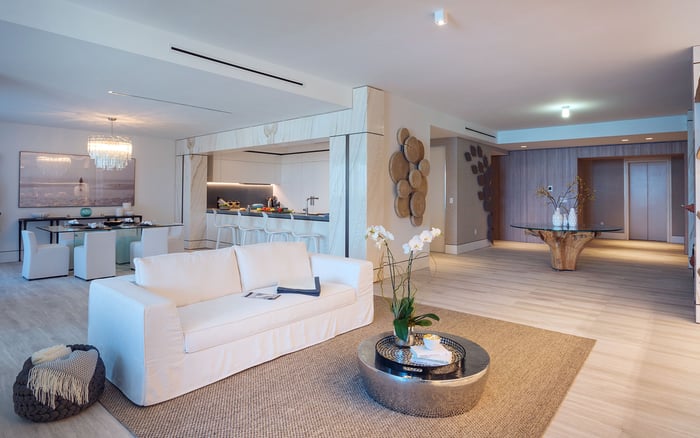
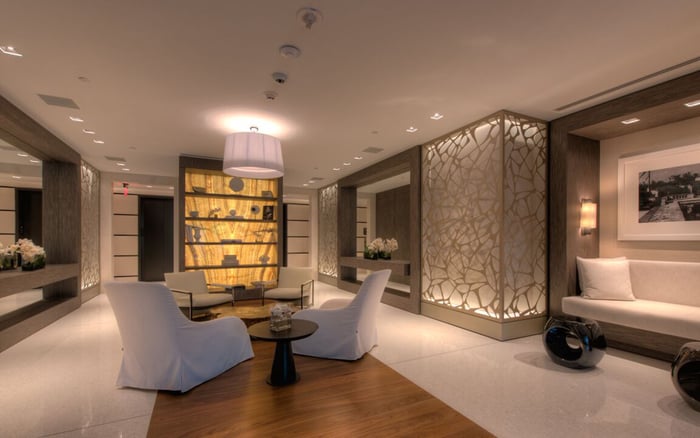
Palazzo del Sol residences offer large floorplans, terraces, high ceilings, and private elevator access. Those attributes can be powerful advantages for a family, but each should be tested against daily routine. Private elevator access, for example, may create a gracious arrival, yet buyers should still ask where children drop bags, where staff enters, where deliveries are received, and how guests are managed.
Circulation should be mapped from the front door and elevator landing to the kitchen, entertaining spaces, bedrooms, staff areas, and terrace. The goal is to understand whether a household can host elegantly while children retain privacy, whether staff can support the residence without crossing through intimate zones, and whether sleeping areas remain quiet when entertaining areas are active.
The strongest family layouts usually provide clear separation between public, private, and service functions. That does not mean the home should feel divided. It means the plan should allow multiple rhythms to coexist: a formal dinner, a child studying, a guest arriving late, a caregiver preparing breakfast, and an older relative resting.
Family needs rarely stay fixed. A nursery becomes a playroom. A playroom becomes a study. A study becomes a media room. A media room becomes a quiet work zone when children leave for college. Buyers should ask whether the unit includes a dedicated family room, media room, study, or flexible space that can evolve as children age.
The question is not only whether a room exists, but whether it is correctly placed. A family room too close to formal entertaining may become acoustically inconvenient. A study too far from children’s bedrooms may be underused. A media room without enough separation may disturb guests or older relatives. The ideal flexible space supports the household now while preserving optionality for later.
For multigenerational buyers, flexibility is especially important. Ask whether there are quiet zones, whether elevator convenience supports older relatives, whether wellness routines are practical, and whether service support can be arranged in a way that preserves dignity and independence.
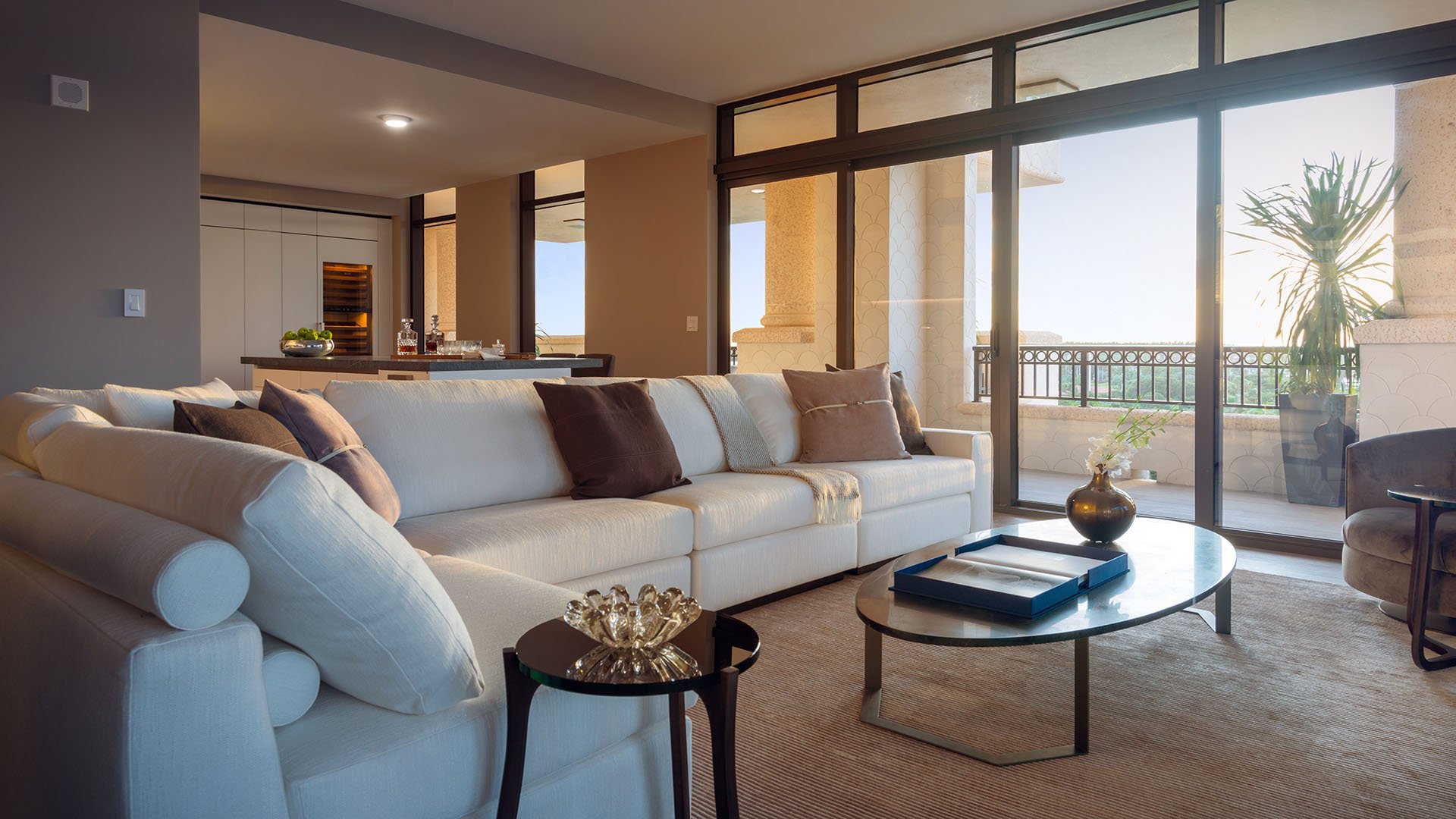
Terrace planning deserves its own conversation. A terrace may be one of the most compelling features of a Fisher Island residence, but family usability depends on supervision, furniture layout, access points, and the relationship to bedroom zones. Buyers should ask how easily adults can monitor children outdoors, where outdoor dining would sit, and whether lounge furniture interferes with safe movement.
The terrace should also be considered in relation to privacy. If it connects directly to private bedroom areas, families should think carefully about guest movement during gatherings. If it extends from major living spaces, it may become a natural setting for entertaining, but the transition back to sleeping areas must be understood.
Waterfront living often amplifies the desire for seamless indoor-outdoor life. The family question is whether that beauty works at breakfast, after school, during weekends, and when guests are present. A terrace is not only a view platform. In the best family homes, it is a managed extension of the living plan.
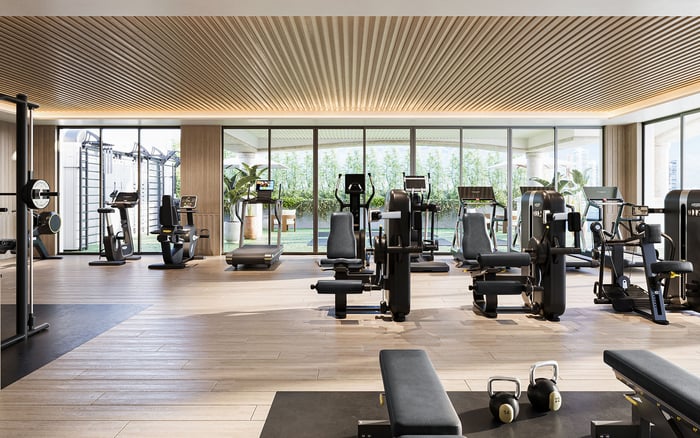
Amenities should be reviewed not only for quality, but for rules, hours, access, and age appropriateness. Buyers should ask how pools, lounges, play areas, fitness spaces, and outdoor areas operate for children. Are there rules governing children’s friends? Are certain spaces quiet by design? Are there hours that affect family use during school breaks or holiday periods?
This is also where Fisher Island context becomes essential. Buyers should ask how children can safely move between Palazzo del Sol and broader island amenities such as beach, club, tennis, marina, and recreation areas. If a family expects children to build friendships and routines on the island, ease of movement and supervision both matter.
Buyers should also clarify which amenities are available through condominium ownership and which require separate Fisher Island club membership. That distinction can affect daily expectations, guest planning, and the real cost of the Lifestyle a family imagines.
Because Fisher Island access depends on private transportation systems, logistics are part of family-zone planning. Ask how ferry movement works for school runs, doctors, tutors, extracurriculars, domestic staff, drivers, and guests. A residence may function beautifully on paper, but the household schedule has to work beyond the front door.
Families should also ask whether the building is primarily year-round, seasonal, or mixed in occupancy. That pattern can influence children’s social life, amenity energy, staff familiarity, and the feel of the building at different times of year. It may also shape expectations around playdates, visiting friends, and extended family stays.
If considering alternatives such as The Links Estates at Fisher Island, buyers should keep the same practical standard: how will the family live Monday morning, not just Saturday afternoon?
Before closing, families should request condominium rules, association policies, amenity regulations, service protocols, and family-relevant restrictions in writing. Verbal comfort is not enough for a purchase of this caliber.
Confirm policies for children’s friends, extended family, nannies, tutors, drivers, domestic staff, overnight guests, deliveries, and service access. Ask how guests are cleared, how staff movement is managed, and how amenity access applies to non-residents. The objective is not to create concern. It is to ensure that the residence can support the household with clarity, discretion, and continuity.
The finest purchase is the one where elegance and operation align. At Palazzo del Sol, family-zone planning should make the home feel effortless because the right questions were asked early.
What is the first family-zone question to ask at Palazzo del Sol? Start by asking how the specific residence separates adult, child, guest, and staff sleeping zones.
Should secondary bedrooms be evaluated differently for families? Yes. Review their size, location, privacy, and suitability for children, live-in help, relatives, or older family members.
Why does circulation matter in a large residence? Circulation determines whether entertaining, sleeping, staff service, and children’s routines can happen without conflict.
Is private elevator access automatically better for families? It can be highly convenient, but buyers should still ask how arrivals, staff access, deliveries, and guest flow are handled.
What should buyers ask about flexible rooms? Ask whether a family room, media room, study, or adaptable space can evolve as children grow and household needs change.
How should families evaluate terraces? Consider supervision, furniture layout, safety, access points, and whether terrace use affects bedroom privacy.
Which amenity questions matter most for children? Ask about child-friendly rules, hours, guest access, pool policies, lounges, outdoor areas, and any age-related limitations.
Why are Fisher Island logistics important? School runs, doctors, tutors, extracurriculars, staff, drivers, and guests may all depend on private island transportation systems.
Should buyers ask about seasonal occupancy? Yes. Year-round or seasonal patterns can affect children’s social life, amenity use, and the building’s daily energy.
What should be requested before closing? Request condominium rules, association policies, amenity regulations, service protocols, and family-relevant restrictions in writing.
When you're ready to tour or underwrite the options, connect with MILLION.
If branded residences are on your mind — as a home or as an allocation — we would be glad to share what we are seeing, privately.
Begin a quiet conversation