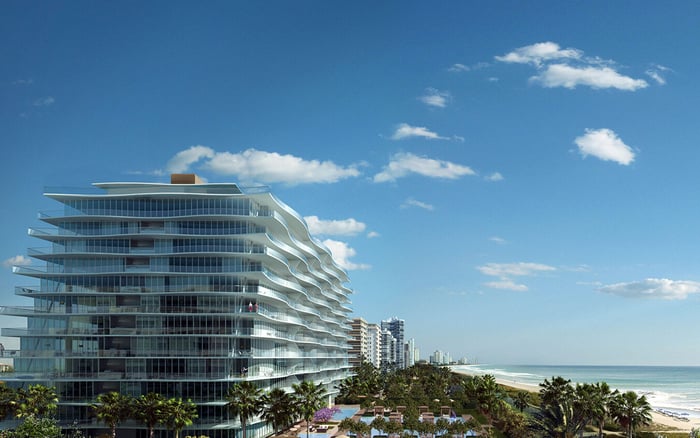
A discreet buyer’s guide to evaluating restaurant access, reservation privileges, guest policies, and lifestyle fit before purchasing luxury real estate in Bal Harbour.
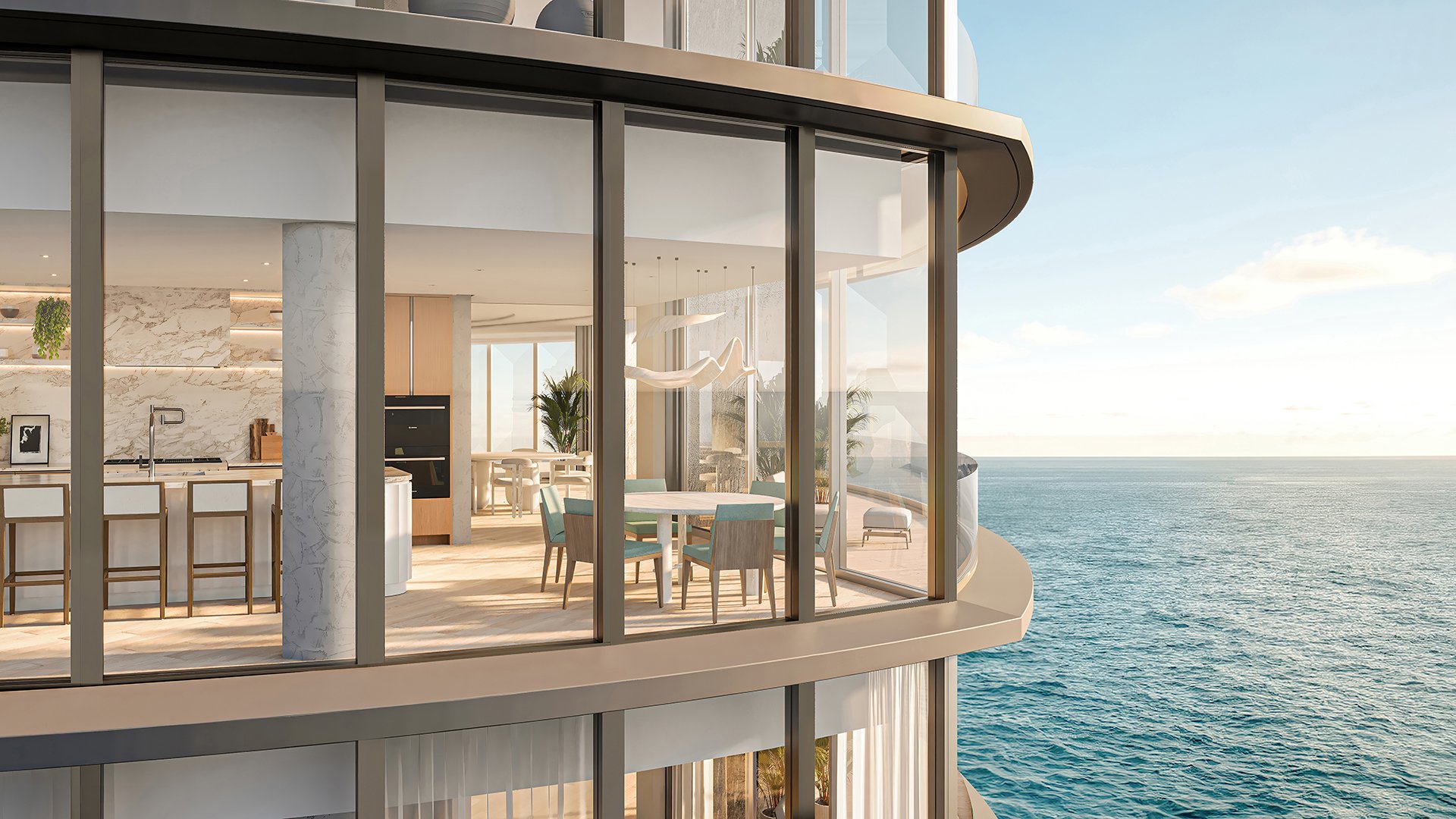
In Bal Harbour, dining is not merely a convenience. It is part of the residential atmosphere, the rhythm of hosting, and the quiet expectation that a last-minute table can feel like an extension of the home. For buyers weighing an Oceanfront residence, restaurant access for nonresidents deserves the same careful scrutiny as views, service charges, valet flow, and privacy.
The key is to define what “access” actually means. A restaurant may welcome the public, prioritize hotel guests, favor members, reserve certain hours for residents, or adjust availability during peak periods. Those distinctions can materially affect how a home lives, especially for owners who entertain family, receive seasonal guests, or divide time between South Florida and another primary residence.
This buyer’s guide is not about chasing a particular table. It is about ensuring the Lifestyle promised by a neighborhood, building, or hospitality setting aligns with how you actually live. When comparing Rivage Bal Harbour with other coastal options, the most valuable question is not simply where dinner is nearby. It is whether access is predictable, transferable, and compatible with your privacy standards.
Luxury buyers often begin with proximity: Can I walk there? Is it on the beach? Is it close enough for guests? Those questions matter, but hierarchy matters more. Ask whether the restaurant is open to the general public, limited to residents, tied to a hotel program, or influenced by private membership.
Then ask how priority is assigned. Are owners treated differently from tenants, short-term guests, family members, or visitors not accompanied by a resident? Does the concierge have a formal arrangement, or is the service informal and dependent on availability? A polished answer in a sales conversation is useful, but a buyer should seek the underlying rule, policy, or written protocol.
For a Bal Harbour purchaser, the distinction can shape daily life. A residence at Oceana Bal Harbour may be evaluated for privacy, design, and beachfront presence, but a buyer who values dining should still ask how nearby venues treat nonresident locals, visiting family, and unaccompanied guests. If the answer varies by season or event calendar, that variability belongs in the decision.
The word nonresident can mean several things. It may refer to someone who does not live in the building, someone who is not a hotel guest, someone who is not a club member, or a local owner who is not part of a particular hospitality program. Before purchase, define the term with precision.
Ask whether your adult children, houseguests, private staff, or visiting friends can book independently. If not, ask whether you must make the reservation, appear in person, or remain present during service. For owners who host frequently, a policy that sounds gracious may become restrictive if every arrangement must pass through the owner.
Also ask whether access changes when a residence is leased. Some buildings or hospitality environments may distinguish owners from tenants or guests. If you expect to use the property as a second home, accommodate family, or consider long-term leasing later, understand the transferability of dining privileges before closing.
Bal Harbour’s appeal intensifies as seasonal demand rises. That is when restaurant access becomes most revealing. Ask how far in advance residents or nonresidents may reserve, whether preferred times are held back, and whether holidays, major local events, or high-season weekends trigger special rules.
A buyer should also ask what happens when a restaurant is fully committed. Does the building concierge have a waitlist process? Are owners offered cancellation priority? Is there a dedicated contact, or is access handled through the same reservation channel as everyone else? The difference between a symbolic relationship and an operational one becomes clear on a Friday night in season.
Nearby markets matter as well. Surfside, Bay Harbor Islands, and Miami Beach can broaden the dining map without diluting the Bal Harbour lifestyle. Buyers considering The Surf Club Four Seasons Surfside or The Delmore Surfside should ask the same access questions, because the most elegant dining ecosystems often rely on carefully managed priority rather than unlimited availability.
Restaurant access is not only about getting through the door. It is about the entire arrival sequence. Ask whether nonresident diners pay different charges, whether minimums apply, whether reservations are tied to valet validation, and how guests are received when arriving without an owner.
For many luxury owners, the guest experience is the real amenity. A friend arriving from Palm Beach, a client staying in Miami Beach, or family visiting for the winter should feel expected, not negotiated. Ask how names are handled at the gate or valet, whether security needs advance notice, and whether the restaurant’s host team recognizes building-related reservations.
If a dining venue is linked to a club, hotel, or private amenity, ask whether restaurant access includes any adjacent privileges. Dining access does not always include pool, beach, lounge, spa, marina, or member areas. A precise boundary protects expectations and helps avoid awkward moments with guests.
In luxury real estate, lifestyle language can be evocative. Legal rights are narrower. If dining access is material to your purchase, ask your advisor to identify where it is described in condominium documents, club documents, hospitality agreements, ownership disclosures, house rules, or membership materials.
Look for whether privileges are mandatory or optional, whether they can be modified, whether fees can change, and whether access survives resale. Ask whether the restaurant is owned, operated, or controlled by the condominium, a hotel operator, a third-party vendor, or a separate membership entity. Control affects consistency.
This is especially important in branded or service-rich residences, where hospitality language can feel seamless. The practical question is simple: what is an owner buying, and what is merely nearby? A home beside an admired dining room may still offer no special rights to it unless the documents say so.
Bal Harbour offers a particular residential tone: polished, coastal, restrained, and deeply privacy-conscious. Yet the dining decision should be viewed across a small geographic constellation. Surfside may offer a quieter village feel, Bay Harbor Islands may appeal to buyers seeking a more residential pace, and Miami Beach may provide a broader hospitality scene.
For buyers who want Bal Harbour proximity but a different daily cadence, Bay Harbor Towers can enter the conversation as part of a wider lifestyle comparison. The question is not which address has the most famous dining room. It is which address gives you the right balance of access, discretion, walkability, service, and control.
A serious buyer should test the experience before signing. Visit at different times, ask to understand guest arrival, observe valet pressure, and consider whether the restaurant environment supports quiet family dinners, business entertaining, or seasonal hosting. Luxury is not measured by possibility. It is measured by repeatability.
Should restaurant access influence a Bal Harbour purchase? Yes, if dining, hosting, and walkable hospitality are part of your daily lifestyle or seasonal use.
What is the first question to ask about nonresident access? Ask who is allowed to reserve and whether priority differs for owners, guests, tenants, members, or the public.
Can nearby restaurant access be assumed from proximity? No. A restaurant may be close to a residence without offering special rights, priority, or guest privileges.
Should I ask about peak-season rules? Yes. High-demand periods often reveal whether access is dependable or simply subject to availability.
Do dining privileges always transfer to guests? Not always. Ask whether family, visitors, tenants, or unaccompanied guests can use the same access.
Where should dining rights be documented? Look for them in condominium documents, club materials, house rules, hospitality agreements, or ownership disclosures.
Are valet and security part of the access question? Yes. Arrival procedures can define whether the experience feels seamless, private, and appropriate for guests.
Can restaurant policies change after purchase? They may, depending on the governing documents and who controls the venue, so ask how changes are handled.
Is a private dining room the same as restaurant access? No. Private dining, resident lounges, and public restaurants may each carry different reservation and guest rules.
What is the best way to shortlist comparable options for touring? Start with location fit, delivery status, and daily lifestyle priorities, then compare stacks and elevations to validate views and privacy.
For a confidential assessment and a building-by-building shortlist, connect with MILLION.
If branded residences are on your mind — as a home or as an allocation — we would be glad to share what we are seeing, privately.
Begin a quiet conversation