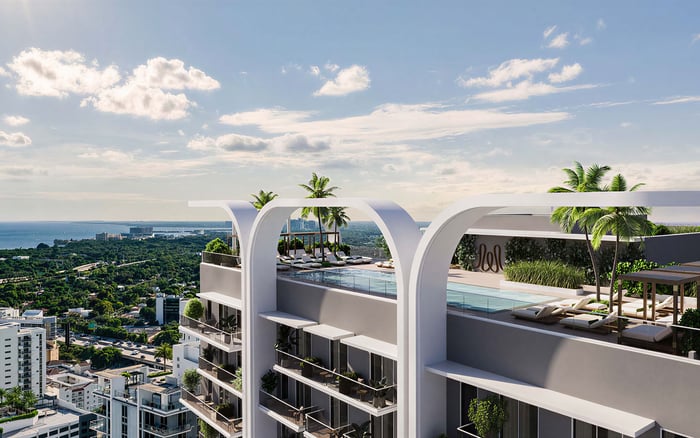
A buyer-focused guide to evaluating privacy glazing in South Florida penthouses, with emphasis on day-to-night discretion, view quality, terrace exposure, interior lighting, and long-term livability.
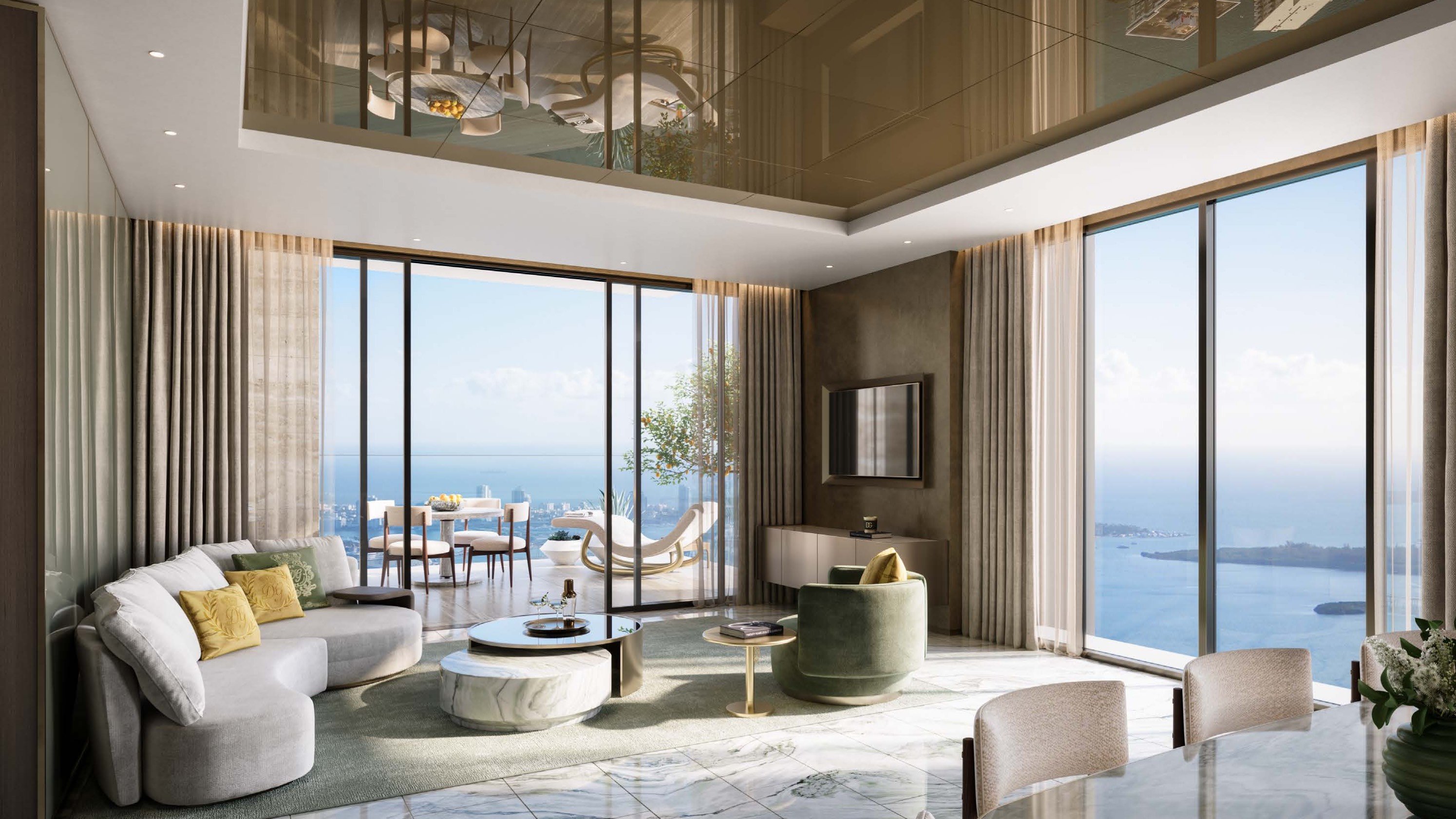
In a South Florida penthouse, privacy glazing is not a minor technical finish. It is part of the architecture of discretion. The best glass allows a residence to feel open, calm, and connected to the water or skyline while reducing the sense that life inside is on display. For a buyer, the question is not simply whether the windows are tinted. The more refined question is how the glazing performs throughout the day, from different angles, and under the lighting conditions in which the home will actually be lived.
Penthouse privacy is especially nuanced because height does not automatically create seclusion. A high floor can feel private from the street yet remain exposed to neighboring towers, rooftop amenities, sightlines from adjacent structures, or reflections after dark. In Brickell, for example, the surrounding vertical context may make side exposure as important as the primary view. In an oceanfront setting, the opposite can be true: the broadest view plane may feel private by day, while illuminated interiors become more visible at night.
A sophisticated buyer evaluates privacy glazing as a balance between concealment and experience. Too much darkness can flatten a room, weaken the sense of water, and make the interior feel sealed off. Too little control can leave bedrooms, baths, kitchens, and entertaining spaces more exposed than the plan suggests. The goal is not opacity. The goal is a composed threshold between public view and private life.
Begin with the visual quality of the glass. Stand close to the window, then step back into the room. The surface should not distort the view, muddy the color of the water, or make the sky feel artificially gray. Privacy glazing should support the interior palette, not fight it. A warm stone floor, pale millwork, bronze hardware, or a highly reflective kitchen can all change how the glass reads.
Next, evaluate reflectivity. Some glass creates a mirrored effect that is highly effective in bright daylight but can become visually assertive from outside. Other treatments are more subtle, preserving a softer architectural expression. Neither is universally better. The right choice depends on the building, the exposure, the surrounding towers, and the owner’s appetite for visual discretion.
When possible, see the glazing from both sides. Inside, the view may feel clear and serene. Outside, especially from a balcony, pool deck, neighboring amenity level, or adjacent tower, the residence may read very differently. Privacy is a relationship between viewer and viewed. It cannot be judged from the living room alone.
A penthouse can perform beautifully at noon and feel exposed after sunset. During the day, exterior brightness often helps the glass protect the interior. At night, when interior lighting is stronger than the exterior environment, privacy can change dramatically. This is where many buyers misjudge a residence.
Evaluate the home in at least three moods: full daylight, golden hour, and evening. In daylight, observe whether the glass controls glare without sacrificing the freshness of the view. At sunset, look for reflections across corners, curved glass, and large sliding panels. At night, turn on the actual lighting scenes you would use for dining, entertaining, reading, and bedroom routines.
This evening test is particularly important in a penthouse with dramatic ceiling heights or a deep terrace. Interior lighting can turn glass into a reflective plane, making the room feel larger and more theatrical, but it may also make occupants more visible from nearby buildings. The most discreet homes coordinate glazing with dimming, shade pockets, drapery, and furniture placement.
Privacy glazing should be evaluated room by room. A living room can tolerate a different degree of exposure than a primary suite. A kitchen may feel acceptable by day, then become highly visible at night because task lighting is bright and occupants stand close to the glass. A bath with a water view may need more layered privacy than a gallery corridor or formal dining area.
Furniture placement matters. A sofa set several feet back from the glass has a different privacy profile than a chaise at the window line. A bed facing a glass wall creates a very different experience than a bed tucked behind a return wall. Even art placement can influence reflection and visibility. In the most considered residences, privacy is achieved through a combination of glass, layout, lighting, shade strategy, and daily habit.
On high floors, the concern often shifts from street-level visibility to peer-level visibility. A nearby tower may align directly with a bedroom wing or breakfast area. In those moments, a buyer should stand where life happens, not only where the view photographs best.
South Florida adds its own layer of complexity. The region’s penthouse lifestyle is built around light, water, terraces, and indoor-outdoor movement. Privacy glazing must respect that lifestyle. A glass wall that feels protective but diminishes the emotional clarity of the horizon may be a poor trade for an owner who bought the residence for the view.
The most successful approach is layered. Glass may provide the first level of discretion, while shades, drapery, terrace landscaping, overhangs, and lighting design provide additional control. In a Miami Beach setting, where leisure, evening entertaining, and the ocean environment often shape the day, privacy should feel effortless rather than defensive.
A buyer should also study corner conditions. Corners are often where the architecture is most beautiful, yet they can create unexpected lines of sight. Curved glass, wraparound terraces, and floor-to-ceiling sliders may reveal more than expected from oblique angles. If a residence is meant for entertaining, evaluate how guests will move through the space and which areas remain private when the home is active.
The most useful questions are practical. What areas of the residence are visible from neighboring buildings? How does the glass perform at night? Are there integrated shade systems, and do they cover the full height and width of the openings? Are the bedrooms and baths protected by more than the glass itself? Does the terrace create a buffer, or does it become a viewing platform back into the home?
It is also wise to ask for samples, mockups, or comparable installed conditions when available. A small sample in isolation can be misleading, but it can help clarify tone, reflectivity, and compatibility with interior finishes. If the residence is complete, spend time inside rather than making a judgment during a brief showing. Privacy is experiential. It reveals itself slowly.
For a buyer, the final standard is simple: the glazing should make the penthouse feel more serene, not more managed. It should preserve the pleasure of the view while reducing the feeling of exposure. When it is right, one notices the water, the skyline, the light, and the calm. The glass itself quietly disappears.
Is privacy glazing the same as tinted glass? Not necessarily. Tint may be one component, but privacy also depends on reflectivity, lighting, viewing angle, shades, and room layout.
Can a penthouse still feel exposed on a high floor? Yes. Height can reduce some visibility, but neighboring towers and aligned view corridors can still affect privacy.
When should I inspect privacy glazing? Inspect it during daylight, sunset, and evening lighting conditions. Nighttime is often the most revealing test.
Does darker glass always mean better privacy? No. Darker glass may reduce visibility, but it can also compromise the natural quality of the view and interior atmosphere.
Should I evaluate privacy from outside the residence? Yes. Viewing the home from terraces, amenity decks, and adjacent vantage points can reveal conditions not visible from inside.
Which rooms need the most privacy attention? Primary bedrooms, baths, kitchens, and seating areas near glass typically deserve the closest review.
Do shades still matter if the glass is private? Yes. Shades and drapery provide flexible control, especially at night or during entertaining.
Can terrace design improve privacy? Yes. A terrace can create distance, screening opportunities, and softer transitions between interior life and exterior exposure.
Is privacy glazing mostly an aesthetic decision? It is both aesthetic and functional. The best result protects discretion while preserving light, view, and architectural intent.
What is the ideal outcome for a luxury buyer? The ideal outcome is a penthouse that feels open to the view and closed to unwanted observation.
For a tailored shortlist and next-step guidance, connect with MILLION.
If branded residences are on your mind — as a home or as an allocation — we would be glad to share what we are seeing, privately.
Begin a quiet conversation