A practical MILLION guide to evaluating grandparent suites through privacy, operating expense, accessibility, household flow, and lasting comfort in South Florida luxury homes.
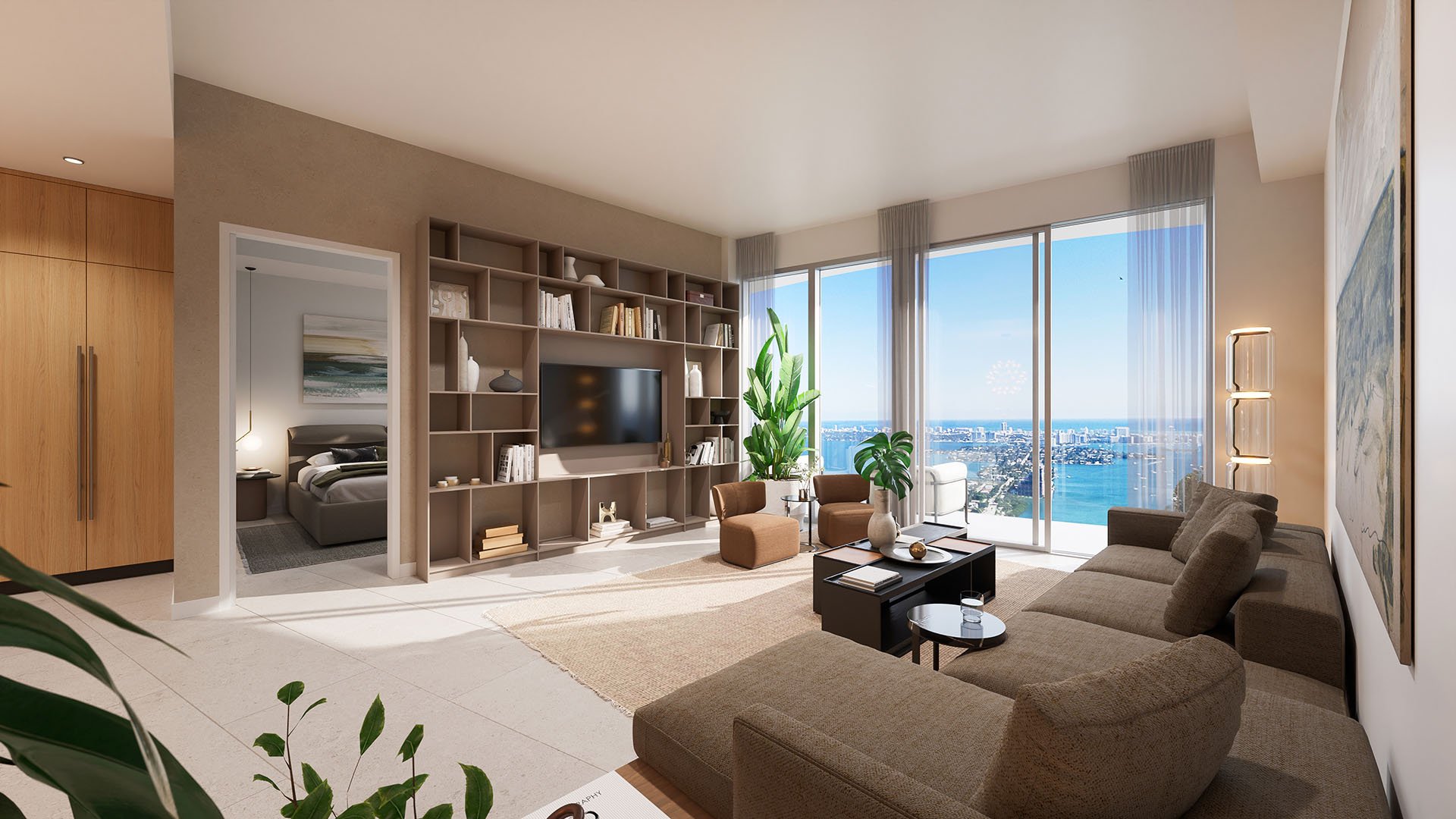
A grandparent suite is not simply an extra bedroom with a better bath. In a luxury South Florida residence, it is a private realm within a larger household, intended to preserve independence while keeping family close. The strongest examples are not defined by square footage alone. They are defined by how gracefully someone can arrive, rest, dress, receive a visitor, manage a quiet morning, and rejoin the household without feeling dependent on everyone else’s schedule.
For buyers, the evaluation should begin with a candid family brief. Is the suite intended for seasonal visits, full-time multigenerational living, a caregiver-supported arrangement, or a flexible space that may alternate between grandparents, adult children, and long-stay guests? Each answer changes the ideal plan. A suite meant for occasional visits may prioritize hotel-like polish. A suite intended for daily living needs deeper storage, easier circulation, a calmer acoustic environment, and more personal control over lighting and temperature.
The same questions apply to Miami Beach condos, Palm Beach estates, Coconut Grove compounds, Coral Gables homes, Boca Raton residences, and single-family homes across the region: does the suite feel dignified, private, and easy to live in every day?
Privacy is the first luxury. Marble, millwork, and water views lose their impact if the occupant feels exposed to household traffic or dependent on others for simple routines. Begin with the approach. A strong grandparent suite has an entry sequence that feels natural, not hidden or inconvenient. Ideally, the route from the main entrance, elevator, garage, or motor court should be direct and intuitive.
Next, study sightlines. Can someone open the suite door without looking directly into a formal entertaining area? Can family members pass through the home without seeing into the bed, bath, or dressing area? A discreet vestibule, short gallery, or angled entry can create separation without making the suite feel detached from the household.
Sound matters as much as visibility. Suites placed near media rooms, children’s play areas, service corridors, or outdoor entertaining zones deserve closer scrutiny. Listen for elevator noise, plumbing sounds, kitchen activity, and late-night household movement. In a condominium, consider proximity to elevators, refuse rooms, service doors, and neighboring terraces. In an estate, evaluate pool equipment, generator placement, garage doors, and outdoor kitchens.
Finally, consider social privacy. The suite should allow a grandparent to choose when to participate, rather than feel available at all times. A small sitting area, morning coffee station, or private terrace can make the difference between a bedroom and a livable sanctuary.
A grandparent suite can influence the long-term cost profile of a residence. The most obvious expenses include additional climate control, lighting, housekeeping, repairs, furnishings, window treatments, and bath maintenance. Less obvious costs may include upgraded access features, specialty hardware, additional security controls, enhanced Wi-Fi coverage, smart-home adjustments, and periodic refreshes as family needs evolve.
Buyers should ask how independently the suite operates. Separate climate zones may add comfort, but they also require maintenance. A kitchenette or wet bar can add convenience, but it may increase service demands. Larger baths and dressing rooms can be beautiful, yet they require more cleaning and future upkeep. Outdoor access can be invaluable, but terraces, doors, screens, railings, and shade systems all require attention in South Florida’s coastal environment.
Insurance and association rules should be reviewed carefully with the appropriate professionals, especially if the suite includes cooking facilities, a separate entrance, staff access, or a layout that could be interpreted differently over time. The goal is not to avoid complexity. The goal is to understand it before closing, so the family can enjoy the home without discovering that comfort has become an administrative burden.
Staffing should also be considered. If the household uses housekeeping, estate management, private nursing, a driver, or security personnel, the suite should support those routines discreetly. Service access, laundry flow, linen storage, and parking logistics can directly affect daily ease.
Daily comfort is rarely about one dramatic feature. It is usually the result of many quiet decisions working together. Door width, floor transitions, shower access, lighting controls, closet reach, towel placement, bed clearance, and seating height all affect how the suite feels after the first impression fades.
Natural light should be generous but controllable. Morning sun can be lovely; excessive glare or heat can make a room difficult to use. Window treatments should be easy to operate. Lighting should allow for soft evening settings, brighter task lighting, and simple nighttime navigation. If the suite requires complicated switches or app-dependent controls, it may not serve its occupant well.
The bath deserves particular attention. A beautiful bath that feels slippery, dim, or hard to navigate is not a success. Buyers should examine the shower threshold, the location of controls, vanity height, storage, ventilation, and privacy from the bedroom. Space for a bench, proper lighting at the mirror, and a logical place for robes and towels can matter more than decorative drama.
Closets and storage are equally important. A grandparent suite used for extended stays should not rely on guest-room thinking. Luggage, medications, seasonal clothing, personal documents, hobbies, and sentimental objects all need a place. Without storage, the room can quickly feel temporary, even in a very expensive home.
A grandparent suite must be private, but it should not isolate. The strongest homes create a gentle connection between the suite and the rooms where family life actually happens. Consider the path to breakfast, the family room, the garden, the pool, the elevator, and the car. If every movement requires crossing a formal room or navigating a long corridor, the suite may discourage participation.
Outdoor access is especially valuable in South Florida when it is comfortable, shaded, and secure. A terrace, garden door, or quiet seating area can support independence and routine. Still, access should be evaluated carefully. Steps, heavy doors, narrow thresholds, and exposed routes can undermine the benefit.
Also consider how the suite will age with the family. Today’s guest room may become tomorrow’s full-time residence, wellness space, caregiver zone, or retreat for another generation. Flexible infrastructure, restrained design, and quality basics usually age better than highly specialized decorative choices.
During a showing, move through the suite slowly and practically. Enter as the occupant would enter. Close the door. Sit down. Listen. Imagine the nighttime path to the bath. Picture getting dressed, receiving a family member, taking a call, storing medication, returning from dinner, and resting while the household entertains elsewhere.
Ask whether the suite supports privacy without requiring separation, care without sacrificing dignity, and comfort without excessive complication. If the answer depends on major renovation, the purchase should reflect that reality. If the answer is already evident in the plan, the suite may become one of the home’s most valuable features.
For luxury buyers, the grandparent suite is ultimately a test of empathy. It reveals whether a property is merely large, or truly considered.
What is the first thing to evaluate in a grandparent suite? Start with privacy, including entry, sound, sightlines, and the occupant’s ability to control daily interaction.
Does a grandparent suite need a separate entrance? Not always. A separate entrance can be useful, but a discreet, intuitive route through the home may be more elegant and practical.
What carrying costs should buyers expect to review? Review climate control, housekeeping, maintenance, furnishings, technology, access upgrades, and any professional guidance needed for rules or insurance.
Is a kitchenette always a good idea? It can add independence, but buyers should consider maintenance, household routines, and any review required by professionals or associations.
How important is sound control? Very important. Noise from elevators, service areas, entertainment rooms, garages, or outdoor equipment can affect daily comfort.
What makes a bath suitable for long-term use? Look for easy circulation, good lighting, practical storage, ventilation, and shower access that feels safe and simple.
Should the suite be close to the main living areas? It should be connected enough for easy participation, but private enough to allow quiet and independence.
How should buyers think about outdoor access? Outdoor access is valuable when it is shaded, secure, easy to navigate, and not dependent on stairs or heavy doors.
Can a grandparent suite add long-term flexibility? Yes. A well-planned suite can serve grandparents, adult children, caregivers, or long-stay guests as family needs change.
When should specialists be consulted? Consult qualified professionals before closing when access, renovation, association rules, insurance, or care requirements may affect use.
For a discreet conversation and a curated building-by-building shortlist, connect with MILLION.
If branded residences are on your mind — as a home or as an allocation — we would be glad to share what we are seeing, privately.
Begin a quiet conversation