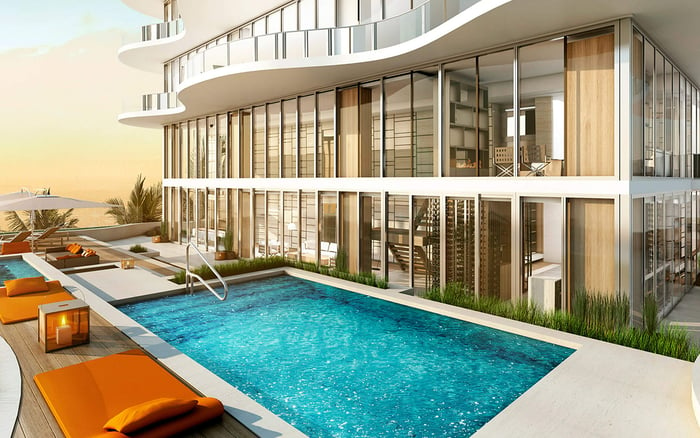
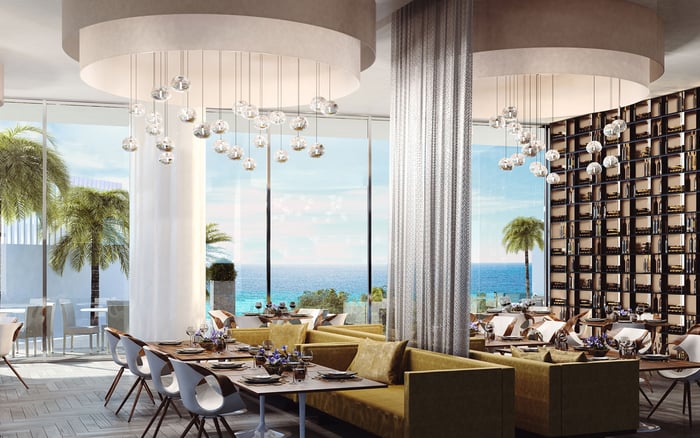
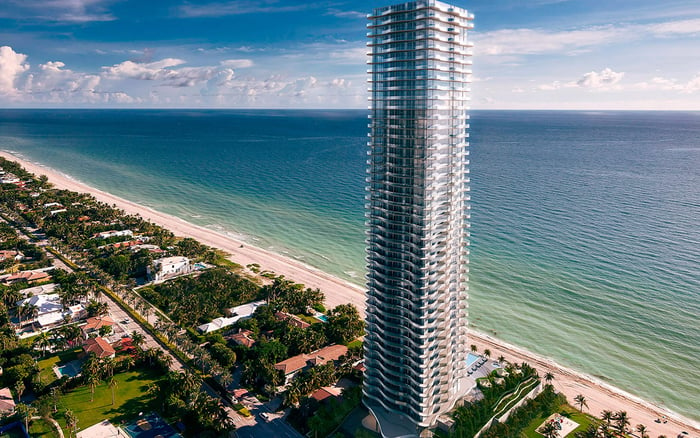
A buyer-focused guide to resident-only amenity access at Armani Casa Sunny Isles Beach, with emphasis on family use, guests, staff, privacy, and document review.
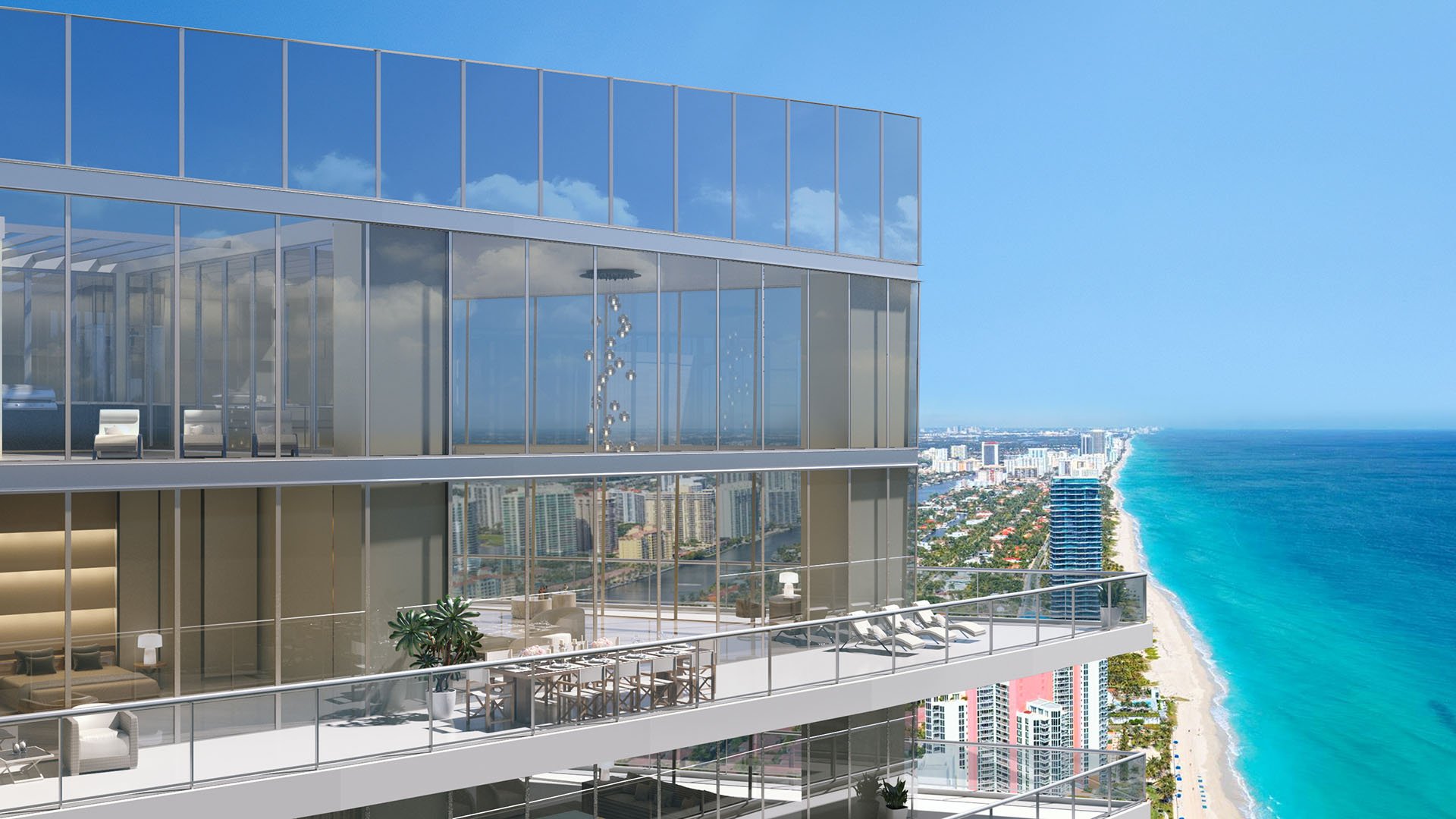
At the ultra-luxury end of Sunny Isles Beach, amenities are not incidental. They are part of the private architecture of daily life: where families exercise, host relatives, supervise children, unwind after travel, and preserve a sense of calm at home. At Armani Casa Sunny Isles Beach, the amenity program is central to the value proposition, making access rules a serious buyer consideration rather than a closing-table afterthought.
For families, the phrase “resident-only” deserves close reading. It may sound straightforward, but in practice it can involve several categories: deeded owners, permanent residents, authorized occupants, registered guests, visiting relatives, household staff, seasonal tenants, and short-term visitors. A rule that works beautifully for a couple using the residence as a private pied-à-terre may feel restrictive to a multigenerational family with grandparents visiting for the season or teenagers who expect independence.
The prudent approach is to separate the glamour of the amenities from the permissions that govern them. Spa, fitness, club-lounge, pool, children’s, and teen-oriented areas may each follow different protocols. Before a purchase or lease, buyers should request the current condominium documents, house rules, guest policy, rental policy, and amenity reservation rules, then review them with the same rigor given to floor plans, views, and monthly carrying costs.
Resident-only amenities are not designed simply to keep people out. In a branded oceanfront residence, controlled access helps preserve privacy, reduce wear and tear, and maintain a composed environment distinct from a resort or transient hotel setting. That distinction is central to the appeal of oceanfront living in Sunny Isles Beach, where owners often choose a building as much for its atmosphere as for its architecture.
The branded-residence model places a premium on discretion. A pool deck that feels residential, a club room that remains calm, or a fitness center that is not overrun at peak hours can meaningfully affect daily satisfaction. For buyers comparing the Sunny Isles Beach corridor, including design-forward neighbors such as Bentley Residences Sunny Isles, St. Regis® Residences Sunny Isles, and The Ritz-Carlton Residences® Sunny Isles, access culture can be as important as the amenity inventory itself.
This is especially true for owners who expect frequent visitors. A residence may feel effortless when the owner is in town alone, yet very different during school breaks, holidays, or extended family stays. Guest registration, security protocols, elevator access, amenity reservations, and front-desk procedures all shape how gracefully a building absorbs family life.
Parents should begin with children and teenagers. Which spaces may minors use independently? Which require adult supervision? Are there separate rules for the pool, fitness center, spa, lounge, children’s rooms, or teen-oriented spaces? These questions should be answered from current rules rather than assumptions, because age thresholds and supervision requirements can vary by building policy and may change over time.
Visiting relatives require the same attention. Grandparents, adult children, cousins, and extended family may not all fall into the same access category. A family planning seasonal visits should understand whether a long-stay relative is treated as a guest, an authorized occupant, or something else for amenity purposes. The distinction can affect check-in protocols, amenity use, and whether the resident must accompany the visitor.
Household help is another sophisticated due-diligence point. Families using nannies, private nurses, drivers, chefs, tutors, or live-in staff should ask how those individuals are classified. A nanny accompanying children to a pool or children’s space may raise a different issue from a staff member using amenities for personal enjoyment. The practical question is not only whether access exists, but whether it is permitted independently, conditionally, or only in support of the resident household.
For second-home owners, guest rules deserve particular focus. Some buyers envision a residence as a gathering place for family and close friends. Others expect to lend the home to relatives when they are away. In either case, the owner should confirm registration steps, guest identification requirements, maximum access privileges, and any reservation procedures for amenity spaces.
Rental occupancy is a separate category. Buyers should not assume that renters, seasonal occupants, or short-term guests receive the same access rights as owners or permanent residents. They also should not assume the opposite. The only reliable answer is in the governing documents, current rules, rental policy, and management guidance. For investment-minded readers of MILLION Buyer’s Guides, this point can affect both lifestyle expectations and the practical usability of a residence during periods of owner absence.
It is also worth asking how rules are enforced. A policy that looks strict on paper but is inconsistently applied can create friction among residents. A policy that is clear, respectfully administered, and uniformly communicated can support both privacy and ease. In the best buildings, access control should feel seamless rather than punitive.
A family buyer should request documents early enough to ask follow-up questions. The review should include the declaration, bylaws, rules and regulations, guest policies, rental policies, amenity reservation protocols, and any current management guidance. If the residence will be occupied by children, staff, grandparents, or seasonal guests, those use cases should be described specifically.
A useful test is to map a normal week. Can a teenager go to the fitness center alone? Can grandparents take grandchildren to the pool? Can a nanny accompany children to a play area? Can visiting relatives enter a lounge without the owner present? Can a seasonal occupant reserve an amenity? Can household staff move through common areas with credentials? These are practical questions, not signs of mistrust.
Context also matters. Sunny Isles Beach contains a highly competitive luxury-condo corridor, with established and newer towers appealing to similar owners. A buyer comparing Jade Signature Sunny Isles Beach with Armani Casa Sunny Isles Beach should compare not only design, views, and service posture, but also the day-to-day rules that preserve the building’s residential character. Branded residences can share a broad language of service and privacy while still operating under distinct condominium documents.
For families, clarity is luxury. The most successful amenity policies are not necessarily the most permissive; they are the ones that align with how owners truly live. A family with young children may value adult-supervision clarity. A household with teenagers may prioritize independent access rules. A multigenerational owner may focus on visiting relatives. A second-home buyer may care most about guest registration and seasonal occupancy.
The lifestyle promise of a luxury condominium is strongest when expectations are explicit before closing. Resident-only amenities can protect privacy, safeguard the physical environment, and help maintain a refined residential mood. But they also require buyers to ask precise questions before emotions, views, or finishes take over the decision.
For Armani Casa Sunny Isles Beach, the central lesson is simple: do not rely on assumptions about who may use what. Let the current documents, house rules, and management office define access. Then decide whether the building’s privacy culture fits the way your family, guests, and household actually live.
Are all Armani Casa Sunny Isles Beach amenities automatically available to guests? Buyers should not assume that. Guest access should be verified through current rules, registration procedures, and management guidance.
Can children use resident-only amenities without an adult? That depends on the current rules for each amenity. Families should confirm supervision requirements for pools, fitness areas, lounges, and youth spaces.
Are grandparents treated as guests or authorized occupants? The classification may depend on the documents and management procedures. Buyers expecting extended family stays should ask before closing or leasing.
Can a nanny accompany children to the pool or play areas? Families should verify whether household employees are treated as guests, staff, or authorized occupants for amenity purposes.
Do renters receive the same amenity access as owners? This should be confirmed in the rental policy and condominium rules. Access rights can differ by occupancy category.
Why do luxury buildings limit amenity access? Controlled access helps protect privacy, reduce wear, and preserve a residential atmosphere rather than a resort-style environment.
Which documents should a buyer request? Request the declaration, bylaws, rules and regulations, guest policy, rental policy, and amenity reservation procedures.
Should access rules affect a purchase decision? Yes, especially for families, second-home owners, and buyers with frequent visitors. Rules can materially shape daily convenience.
Can amenity rules change after purchase? Building rules can evolve under the condominium’s governance process. Owners should understand both current policies and amendment procedures.
How should buyers compare Armani Casa with other Sunny Isles towers? Compare the privacy culture, guest procedures, family usability, and document-level access rules, not only the amenity list.
For a confidential assessment and a building-by-building shortlist, connect with MILLION.
If branded residences are on your mind — as a home or as an allocation — we would be glad to share what we are seeing, privately.
Begin a quiet conversation