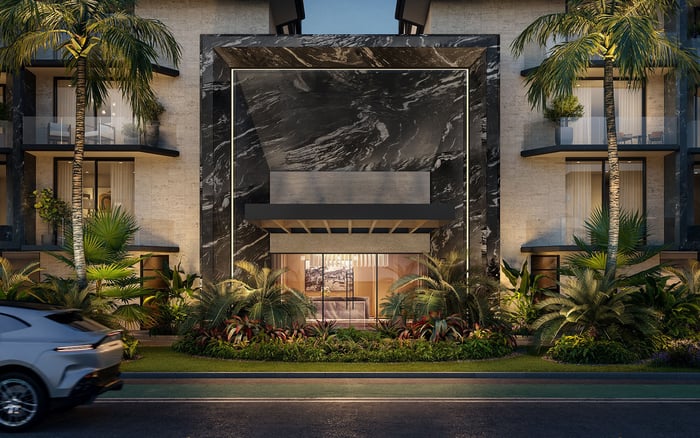
Luxury buyers in South Florida should treat sound transfer as a dedicated quality-of-life review, separate from finishes, views, inspections, and amenity conversations.
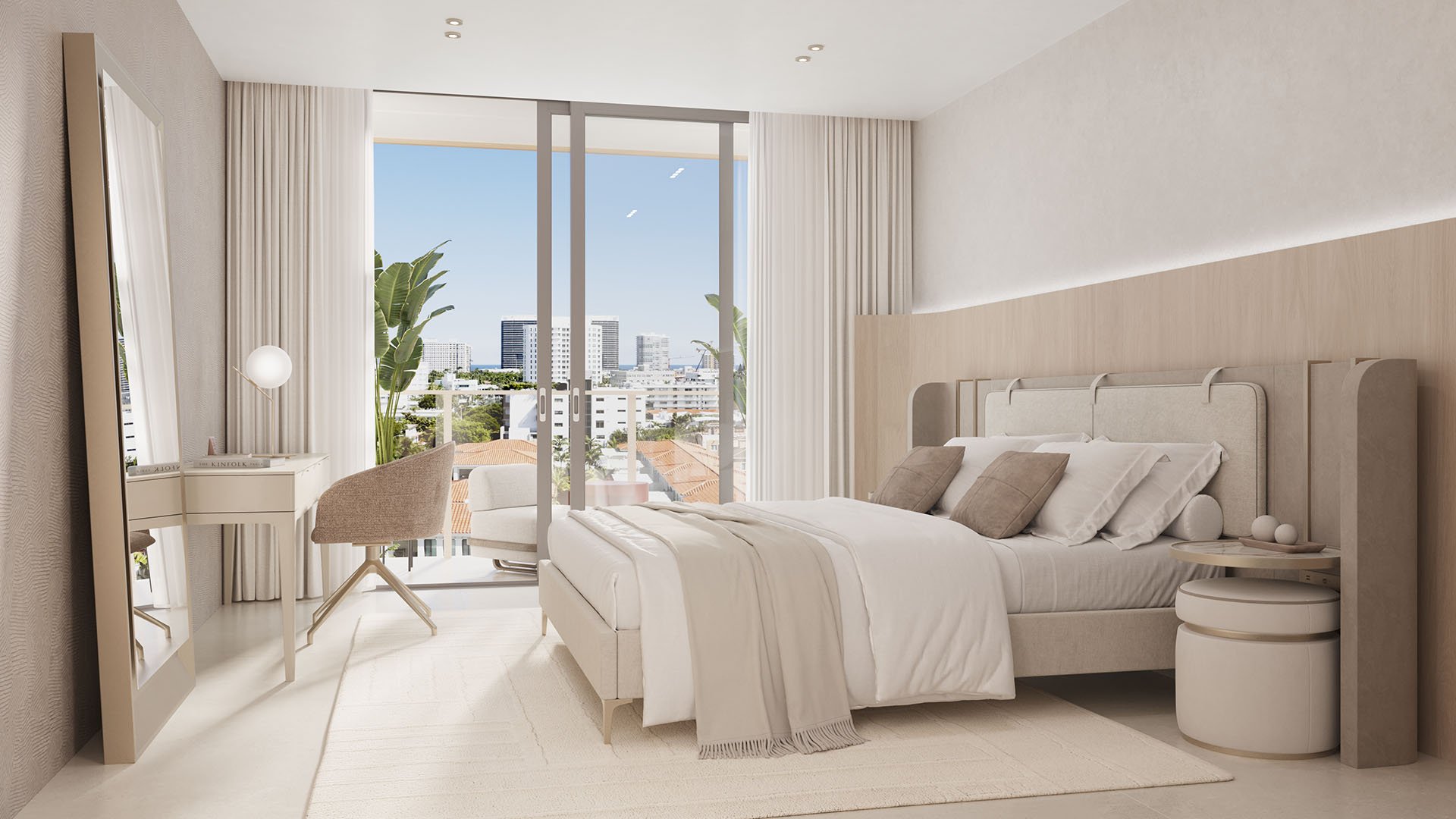
In South Florida luxury real estate, buyers are trained to study the visible language of a residence: ceiling heights, stone selection, terrace depth, sunrise exposure, elevator arrival, and the choreography of amenity spaces. Sound transfer is different. It is largely invisible during a polished showing, yet it can become one of the most personal dimensions of ownership once a home is occupied.
That is why acoustic due diligence deserves its own conversation, separate from the general inspection review. A standard walkthrough can confirm condition, finishes, and systems, but it may not capture what happens at 7 a.m. when residents above begin moving, at 10 p.m. when a restaurant terrace fills, or during a high-occupancy holiday week. The question is not whether a residence is “quiet” in the abstract. The question is where sound may originate, how it may travel, when it is most likely to appear, and what options exist if it becomes disruptive.
Acoustic comfort belongs alongside privacy, security, light, and service as a defining element of luxury living. In high-rise residences, sound can travel through floor and ceiling assemblies, shared walls, plumbing chases, elevator corridors, amenity decks, mechanical rooms, balconies, and exterior glazing. A buyer may hear nothing during a midday tour, then encounter a different acoustic profile once neighboring homes are occupied or amenity spaces are active.
This matters across the region’s most desirable settings. In Brickell, buyers considering urban towers such as 2200 Brickell may want to distinguish between city energy that feels welcome and repetitive transmission that affects rest. Along Miami Beach, a residence such as The Perigon Miami Beach calls for a different discussion, one that may include oceanfront wind, terrace use, service areas, and seasonal occupancy patterns.
A dedicated discussion gives the buyer, advisor, inspector, and, where appropriate, the building representative permission to slow down. Rather than asking a broad question such as “Is it quiet?” the buyer can review specific categories.
Start with vertical sound. Footsteps, furniture movement, dropped objects, and amplified bass can behave differently depending on floor assemblies and finish choices. Then examine lateral sound. Shared walls, media rooms, children’s rooms, primary suites, and home offices deserve particular attention because privacy expectations vary by use. Plumbing noise should also be addressed, especially around primary bathrooms, powder rooms, laundry areas, and stacked wet walls.
Mechanical sound is another category. Elevators, generators, pool equipment, ventilation systems, garage doors, and service corridors may be quiet during a showing yet active at predictable intervals. Amenity sound can be equally important. Pools, lounges, wellness decks, restaurants, dog areas, gyms, and arrival courts create patterns that may change by day, season, and ownership mix.
South Florida is not a static residential market. Many luxury buildings serve full-time owners, seasonal residents, second-home buyers, international families, and guests with varying schedules. A residence that feels serene during an off-season weekday may carry a different rhythm during school breaks, winter months, major events, or weekends.
Balcony use also matters. Outdoor living is central to the regional lifestyle, but terraces can create sound conditions that interior inspections may not reveal. Conversations, furniture movement, music, and wind exposure can alter the feel of a home without ever appearing in a condition report. Buyers in Sunny Isles considering branded or resort-style environments such as St. Regis® Residences Sunny Isles should think not only about views and services, but also about where activity concentrates and how the residence is positioned relative to it.
New construction does not eliminate the need for the conversation. It may provide modern design, fresh systems, and contemporary expectations, but buyers should still ask how residences are separated, how amenity adjacency is handled, and whether any sound mitigation choices are available before finishes are finalized.
A refined sound review should be practical, not adversarial. Buyers can ask which walls are shared, what sits above and below the residence, where mechanical rooms and service areas are located, and whether the home is near elevators, trash rooms, loading zones, garages, amenity decks, or high-use corridors.
The conversation should also include association rules. Even excellent construction cannot substitute for clear standards around flooring, renovation work, guest behavior, music, pets, and terrace use. If a sound issue arises, the buyer should understand whether the association has procedures, documentation requirements, quiet-hour rules, or enforcement mechanisms.
In boutique markets such as Bay Harbor Islands, where scale and rhythm may differ from larger urban corridors, buyers looking at residences like The Well Bay Harbor Islands may be especially focused on wellness, calm, and daily ease. That makes acoustic expectations worth stating clearly rather than assuming they are implied by the brand or price point.
The goal is not to make a buyer fearful of normal residential sound. Multi-family living always involves some shared context. The goal is to identify mismatches between expectation and environment before closing.
A buyer may request additional access at a different time of day, spend quiet time inside the residence without conversation or music, stand in bedrooms and bathrooms, listen near glazing and corridors, and observe activity around amenities. For pre-construction or early-stage purchases, the discussion may rely more heavily on plans, adjacency, specifications, sales team explanations, association documents, and finish options.
The strongest luxury advisors frame this as lifestyle calibration. A buyer who entertains frequently may accept a livelier setting near social amenities. A buyer who works from home, sleeps lightly, hosts extended family, or values retreat-like calm may prefer a different stack, exposure, floor level, or building type. Neither preference is inherently better. What matters is alignment.
In the ultra-premium segment, the most successful residences do more than impress guests. They protect the owner’s daily rhythm. Sound transfer belongs in the same conversation as view corridors, service quality, parking, privacy, and long-term building stewardship.
A separate due-diligence conversation creates clarity before emotions and deadlines compress decision-making. It allows the buyer to test assumptions, document expectations, and weigh sound as a real component of value. In a market where the visible can be spectacular, the invisible may be what makes a residence truly livable.
Why should sound transfer be discussed separately? Because it is often missed during short showings and may involve construction, occupancy, rules, and timing rather than simple physical condition.
Is sound transfer only a concern in older buildings? No. Building age can matter, but layout, assemblies, neighbors, amenities, and mechanical systems can affect residences of many vintages.
Can a general inspection identify all sound issues? Not always. Intermittent sounds such as footsteps, plumbing, elevators, traffic, and amenity activity may not occur during the inspection window.
What should buyers listen for during a showing? Buyers should pause in bedrooms, bathrooms, living areas, terraces, and corridors to notice footsteps, voices, plumbing, mechanical hum, and exterior activity.
Should buyers visit at more than one time of day? When possible, yes. Morning, evening, weekend, and seasonal conditions can feel different in South Florida luxury buildings.
Do association rules matter for sound? Yes. Flooring standards, quiet hours, renovation rules, terrace policies, and complaint procedures can influence how issues are prevented or addressed.
Is amenity proximity always negative? No. Some buyers value immediate access, while others may prefer more separation from pools, lounges, gyms, restaurants, and arrival areas.
Can sound be mitigated after purchase? Sometimes. Treatments may help certain conditions, but buyers should understand limits, permissions, cost, and whether the issue is structural or behavioral.
What matters most for pre-construction buyers? They should review plans, adjacencies, specifications, finish options, and association documents before assuming the completed residence will meet their expectations.
Is complete silence a realistic goal? Usually not in multi-family living. The better goal is an acoustic profile that matches the buyer’s lifestyle, sensitivity, and expectations.
For a tailored shortlist and next-step guidance, connect with MILLION.
If branded residences are on your mind — as a home or as an allocation — we would be glad to share what we are seeing, privately.
Begin a quiet conversation