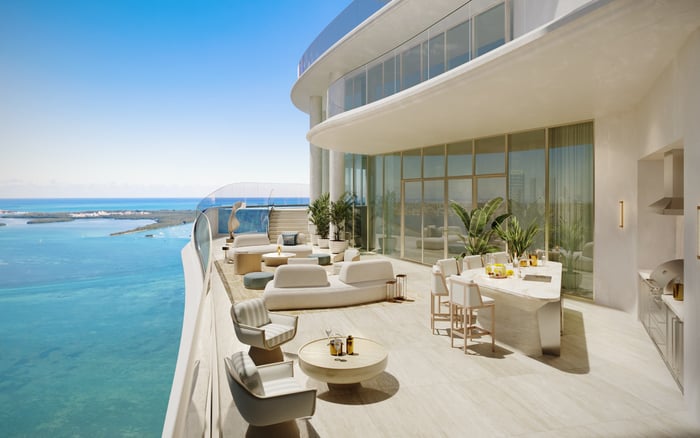
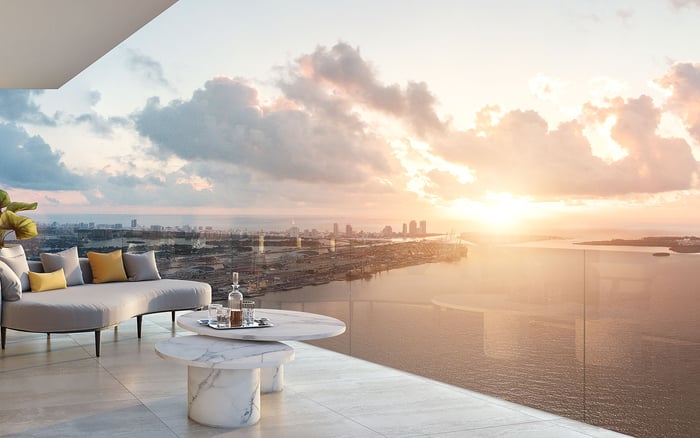
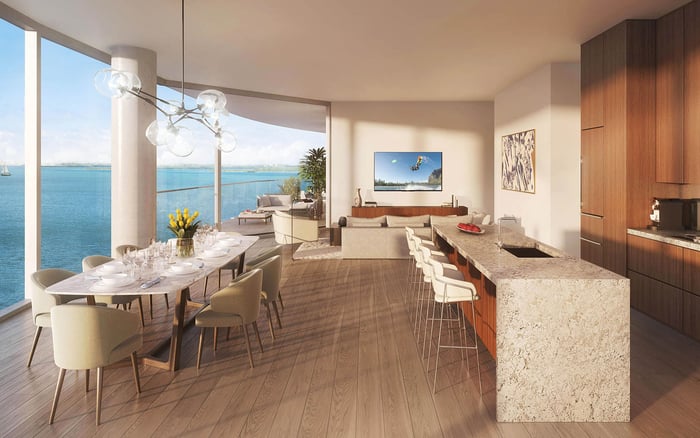
Restaurant exhaust is becoming a discreet but decisive due diligence filter for South Florida luxury buyers, especially near mixed-use corridors, waterfront dining, and amenity-rich urban neighborhoods.
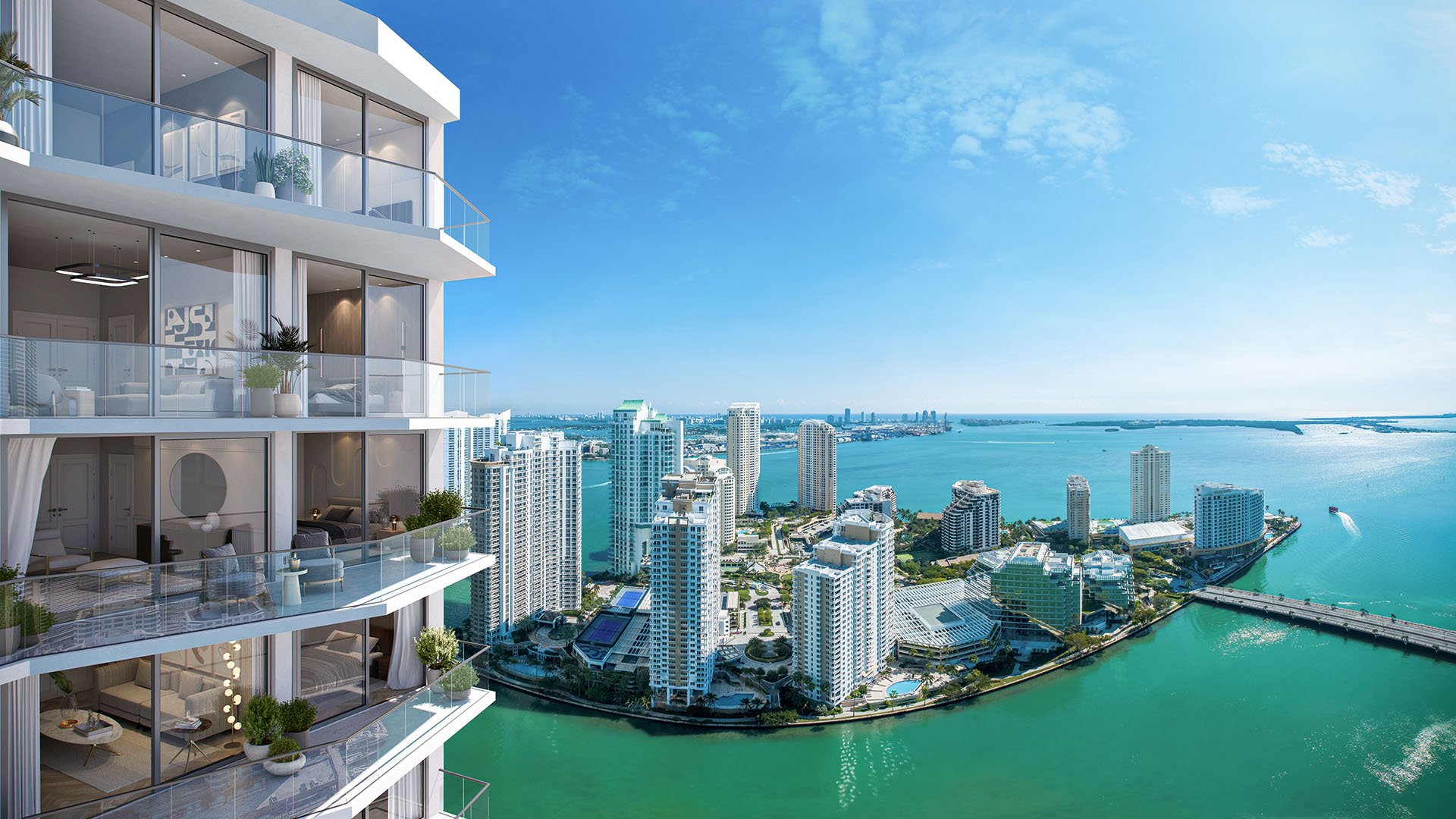
For years, South Florida buyers treated restaurant proximity as an amenity: a table downstairs, a waterfront dinner within walking distance, a private elevator ride home after a late reservation. These were lifestyle advantages. In 2026 conversations, however, sophisticated buyers are adding a quieter question to the checklist: Where does the restaurant exhaust go?
The issue is not anti-restaurant. Many of the most desirable addresses in Brickell, Miami Beach, Coconut Grove, Fort Lauderdale, Palm Beach, Boca Raton, and Sunny Isles are desirable precisely because they sit near dining, hotels, lounges, beach clubs, and activated promenades. What has changed is the distinction buyers now make between culinary convenience and mechanical exposure. They want the restaurant. They do not want the scent of it in the primary suite, on the terrace, or in the elevator vestibule.
For a luxury residence, restaurant exhaust is not merely a nuisance. It touches privacy, perceived air quality, balcony usability, resale confidence, and the sense of serenity that defines an ultra-premium home. A residence can have fine stone, a dramatic lobby, and a remarkable view, yet still feel compromised if cooking odor or equipment noise becomes part of daily life.
South Florida luxury buyers are more exacting than ever because the best homes are being evaluated as complete sensory environments. Light, sound, air movement, scent, and arrival sequence all matter. Restaurant exhaust sits at the intersection of those elements. It is invisible on a listing page, often absent from glossy renderings, and rarely obvious during a brief daytime showing.
The concern is especially relevant in mixed-use settings, hotel-branded environments, waterfront dining corridors, and buildings with active ground-floor hospitality. Buyers are asking whether kitchens vent vertically or horizontally, where exhaust outlets terminate, how close those outlets sit to residential balconies, and whether prevailing breezes could carry odor toward certain stacks. They are also considering grease management, fan vibration, service alley placement, delivery traffic, and late-night operating patterns.
This is why the topic has become a 2026 filter rather than a footnote. A buyer may still love a home near restaurants, but the home must pass a more disciplined livability test. The question is no longer simply, “Is there dining nearby?” It is, “Can I enjoy dining nearby without living inside the back-of-house experience?”
The balcony has become the most revealing place to evaluate potential exhaust exposure. A private terrace may be marketed as an outdoor living room, but its value depends on how often it feels usable. If odor drifts across the railing during dinner hours, if a fan hum becomes noticeable at night, or if warm discharge air moves across a seating area, the terrace can feel less private and less luxurious.
Buyers should visit at different times of day, particularly during restaurant service periods. A pristine morning showing may not reveal the same conditions as an evening appointment. It is also useful to stand quietly outside for several minutes rather than relying on a quick visual impression. Luxury real estate is often decided in details that appear only when the pace slows.
High floors can help, but they are not an automatic solution. Low floors may be closer to podiums, rooftops, service areas, and exhaust paths, while high floors can still be affected depending on vent height, air movement, and building geometry. The best approach is not to assume. It is to observe, ask, and verify.
In Brickell, the conversation is tied to density, hospitality, and vertical living. Many buyers want proximity to restaurants, offices, bars, wellness clubs, and the bayfront rhythm of the city. That convenience is part of the appeal. Yet the most careful buyers are evaluating whether a residence is above, beside, or downwind from food and beverage operations.
In Miami Beach and South of Fifth, the issue becomes more atmospheric. Outdoor dining, hotels, beach clubs, and walkable streets create an appealing social fabric, but they also make buyers more aware of scent, sound, and service circulation. A refined home near the water should feel composed even when the neighborhood is active.
In Sunny Isles, Bal Harbour, Surfside, and other oceanfront markets, buyers often focus first on view planes, beach access, and privacy. Restaurant exhaust can still matter, especially where hotel, club, or amenity programming is integrated into the building or nearby environment. For some purchasers, the ideal is curated dining close at hand, while the residence itself remains insulated from operational spillover.
A discreet buyer does not need to make restaurant exhaust a dramatic issue. It can be handled as part of normal due diligence. The first question is where active commercial kitchens are located in relation to the unit. The second is how exhaust is routed. The third is whether any equipment sits near residential outdoor spaces, amenity decks, mechanical levels, or neighboring roofs.
Buyers should also ask about hours of operation, future commercial spaces, and whether unleased retail could later become a restaurant. In new construction, this is especially important because the finished experience may not be fully testable at contract signing. A quiet retail bay during a sales tour can become an active kitchen later, changing how a particular line or terrace feels.
For resale property, lived experience matters. Walk the perimeter. Visit at lunch and dinner. Stand in the lobby approach, garage entry, pool deck, and terrace. Notice whether scent appears in corridors or amenity areas. The objective is not to eliminate every urban signal, but to understand whether the home still performs at the level its price implies.
Restaurant exhaust can influence resale in subtle ways. Buyers may not name it at the start of a search, but they recognize it quickly when touring. A home that smells neutral, sounds calm, and allows the terrace to be used comfortably has a broader audience. A home that requires explanation may face a narrower one.
This does not mean residences near restaurants are less desirable. Often, they are among the most compelling because they offer a complete lifestyle. The distinction is execution. Well-planned separation between residential life and commercial operations can preserve the pleasure of proximity. Poor separation can make convenience feel intrusive.
For sellers, the lesson is preparation. If the home has no noticeable exhaust exposure, show it during active neighborhood hours and let the calm speak for itself. If there is a minor condition, address what can be addressed before launch. Fresh filters, clean outdoor furnishings, and a well-timed showing cannot solve a mechanical problem, but they can help present the home honestly and elegantly.
The next phase of South Florida luxury is less about spectacle and more about control. Buyers still want views, architecture, service, wellness, security, and access. They also want the absence of irritants. They want to open a terrace door without hesitation. They want a primary bedroom that feels quiet after dinner service begins. They want a home that does not ask them to compromise between social energy and private calm.
That is why restaurant exhaust has become a filter. It is a proxy for design discipline. It reveals how carefully a building separates public pleasure from private retreat. It also shows whether a buyer, advisor, and inspection team are looking beyond finishes into the lived experience of ownership.
In the strongest South Florida residences, the city remains close, but not imposed. The restaurant is there when desired. The home remains serene when the door closes. For 2026 buyers, that distinction is becoming one of the most valuable luxuries of all.
Why are buyers asking about restaurant exhaust now? Buyers are paying closer attention to sensory comfort, including odor, sound, airflow, and terrace usability.
Does restaurant proximity always reduce luxury appeal? No. Dining nearby can be a major advantage when the residence is properly separated from kitchen operations.
What is the first thing to check? Identify where commercial kitchens are located and how their exhaust is routed relative to the residence.
Can a high floor still be affected? Yes. Exposure depends on vent placement, building shape, wind patterns, and nearby mechanical equipment.
Are low floors more vulnerable? Low floors can be closer to podiums, service areas, and rooftop equipment, so they deserve careful review.
Should buyers visit at night? Yes. Dinner service can reveal odor, noise, and traffic patterns that are not apparent during daytime tours.
Is this more important in new construction? It can be, because future retail or restaurant tenants may not be operating when buyers sign contracts.
Can restaurant exhaust affect a balcony? Yes. A balcony may feel less usable if odor, heat, or equipment noise reaches the outdoor living area.
What should sellers do before listing? Sellers should understand the issue, present the home during realistic hours, and correct any manageable conditions.
Is this a deal breaker? Not always. It becomes serious when it changes how comfortably the home lives day after day.
If you'd like a private walkthrough and a curated shortlist, connect with MILLION.
If branded residences are on your mind — as a home or as an allocation — we would be glad to share what we are seeing, privately.
Begin a quiet conversation