A refined second-home plan in South Florida increasingly depends on resilience: building quality, insurance awareness, operating discipline, and location intelligence.
For the ultra-premium buyer, the South Florida second home is no longer simply a seasonal address. It is a private base, a family asset, a lifestyle platform, and, increasingly, an investment that deserves the same discipline as any long-duration holding. In 2026, resilience is becoming one of the essential filters in that decision.
Resilience does not mean buying defensively. It means buying intelligently. It asks whether a residence can remain comfortable, functional, insurable, maintainable, and desirable through changing conditions. For a second-home owner who may be away for extended periods, that question carries particular weight. The property must perform even when the owner is not there to supervise it.
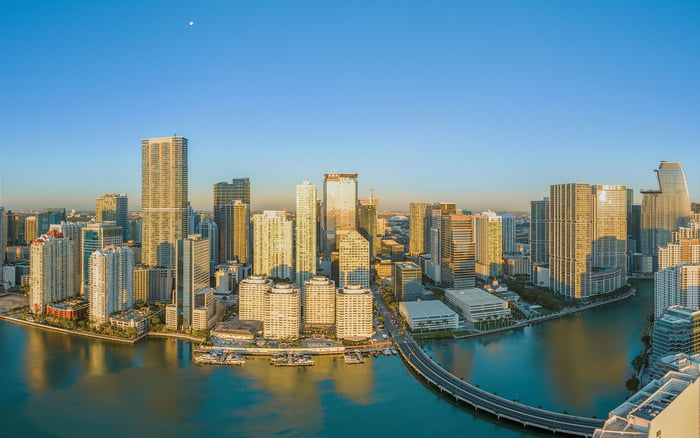
South Florida rewards buyers who understand nuance. A tower residence in Brickell, a waterfront home near Aventura, and a pied-a-terre in Downtown can each be compelling, but each carries a different ownership profile. The best strategy is not to avoid complexity. It is to price it, plan for it, and select assets whose physical and operational qualities support the life the buyer intends to live.
For years, luxury buyers focused on view, design pedigree, amenity depth, and access. Those elements remain essential. The next layer is more practical: building systems, water management, backup capacity, maintenance culture, association governance, and the quality of ongoing operations.
A resilient property can reduce friction. It may be easier to leave for a month, easier to return to after a storm season, easier to insure, and easier to lend against. It may also be easier to sell because future buyers are likely to ask sharper questions. In that sense, resilience is not separate from luxury. It is part of luxury’s modern definition.
This is especially true for owners who divide time among multiple residences. The second home must not become a second job. A beautifully finished property with fragile operations can lose its appeal quickly. Conversely, a residence with strong systems, clear management, and disciplined upkeep can feel effortless.
The first step is to separate emotion from exposure. A view can justify a premium, but it should not distract from the physical realities of ownership. Buyers should understand how the building is maintained, how access is managed, how mechanical systems are protected, and how quickly service can be restored after disruption.
For condominiums, association health matters. Reserves, capital planning, service contracts, staffing, and maintenance priorities all shape the ownership experience. For single-family residences, the focus shifts to elevation, drainage, roof condition, window systems, landscape management, and vendor reliability.
New-construction does not automatically mean better, and resale does not automatically mean weaker. New-construction can offer contemporary systems and design efficiencies, while a well-maintained resale property may have a proven operating history. The sophisticated buyer looks beyond labels and asks how the property actually performs.
Resilience is also about how a property fits into daily life. A second home should be easy to reach, easy to manage, and easy to enjoy without constant logistics. Proximity to dining, private aviation corridors, marinas, wellness amenities, schools, medical care, cultural life, and trusted service providers can all influence the ownership experience.
Brickell appeals to buyers who want urban energy, financial district proximity, and vertical living with service. Its resilience question is often about building operations, parking access, service continuity, and the ability to remain comfortable in a dense urban setting.
Aventura can appeal to buyers who value connectivity between Miami and Broward, with an emphasis on shopping, boating, family convenience, and access to nearby coastal enclaves. Here, the buyer may focus more on traffic patterns, property management, water orientation, and how the home functions during peak seasonal periods.
Downtown presents another equation, with cultural access, skyline living, and a more metropolitan rhythm. The best opportunities are those where the building’s operational sophistication matches the intensity of the location. In every case, the objective is the same: own where lifestyle and resilience reinforce each other.
The purchase price is only the opening line. A refined 2026 strategy should examine recurring costs with care. Insurance, association dues, assessments, maintenance, management, utilities, security, repairs, and vendor coordination all affect the true cost of ownership.
For the second-home buyer, downtime has a cost as well. If a residence cannot be used when family or guests arrive, the loss is not only financial. It is experiential. That is why buyers should evaluate not just what a property costs to own, but how reliably it can deliver the experience it promises.
A disciplined buyer may also consider the future buyer. Will the next owner view the property as well cared for, well positioned, and operationally sound? Will the building or neighborhood continue to feel current? Will the home’s systems and layout age gracefully? These questions can influence long-term liquidity.
The strongest strategy begins with purpose. Some buyers want a winter retreat. Others want a family gathering place, a work-from-anywhere residence, a boating base, or a future primary home. Each use case changes the resilience checklist.
A buyer who plans frequent short visits may prioritize lock-and-leave service, valet efficiency, security, and building staff. A buyer hosting extended family may value storage, flexible sleeping spaces, durable materials, and private outdoor areas. A buyer thinking about eventual full-time use may place greater weight on neighborhood depth, healthcare access, schools, and year-round comfort.
The best advisors will not simply ask what you want to buy. They will ask how you intend to live. From there, resilience becomes a tailored standard rather than a generic buzzword.
Preparedness is rarely glamorous, but in South Florida it can be deeply luxurious. It is the confidence of arriving to a residence that is ready. It is knowing the building has a culture of maintenance. It is having trusted management in place. It is the comfort of owning something beautiful that has also been chosen with discipline.
In 2026, the most compelling second homes will be those that pair emotion with rigor. The water view still matters. The architecture still matters. The feeling when the elevator opens still matters. But the hidden systems, governance, and operational details will increasingly separate truly desirable properties from merely photogenic ones.
For buyers at the top of the market, resilience is not a compromise. It is a more intelligent expression of taste.
Why does resilience matter for a South Florida second home? It helps determine whether the property can remain comfortable, usable, and manageable through changing conditions and seasonal ownership patterns.
Is resilience only about storms? No. It also includes building systems, maintenance culture, insurance planning, access, staffing, vendor reliability, and long-term ownership costs.
Should buyers favor new-construction over resale? Not automatically. New-construction may offer modern systems, while a strong resale property may have a valuable operating history and established management.
How should an investment buyer think about location? Location should be judged by lifestyle fit, access, liquidity, property management quality, and the practical demands of owning when not in residence.
What makes a second home easier to own remotely? Strong building staff, clear maintenance protocols, reliable vendors, security, storage, and simple arrival and departure routines all help.
Is Brickell a resilient second-home choice? It can be for buyers who value service, urban convenience, and vertical living, provided the building’s operations and access meet the owner’s needs.
What should buyers consider in Aventura? Buyers often focus on connectivity, family convenience, water orientation, management quality, and how the property functions during peak season.
How does Downtown fit into a resilience strategy? Downtown can suit buyers seeking culture and skyline living, especially when the building offers strong operations and dependable daily convenience.
What costs are most often underestimated? Insurance, association dues, assessments, maintenance, management, repairs, utilities, and the cost of downtime can all affect ownership quality.
What is the best first step for 2026 buyers? Define how the residence will be used, then evaluate properties through lifestyle, operational, financial, and resilience criteria.
To compare the best-fit options with clarity, connect with MILLION.
If branded residences are on your mind — as a home or as an allocation — we would be glad to share what we are seeing, privately.
Begin a quiet conversation