A buyer-focused guide to evaluating circadian lighting in luxury South Florida residences, with attention to privacy, operating costs, comfort, control quality, and resale relevance.
Circadian lighting has moved beyond a wellness buzzword into a serious residential specification, particularly in South Florida homes where glass, views, glare, and outdoor living shape the daily rhythm of a property. For a luxury buyer, the question is not simply whether a residence has tunable lights. The more useful question is whether the system improves privacy, moderates carrying costs, and makes the home easier to inhabit from morning coffee through late dinner.
In a high-floor condominium, waterfront estate, or newly delivered penthouse, light is architectural. It affects how art reads, how marble reflects, how bedrooms feel at night, and how visible the home becomes after sunset. A sophisticated circadian package should create a gentle progression from brighter, cooler daytime scenes to warmer, quieter evening scenes. It should also do so without constant manual adjustment.
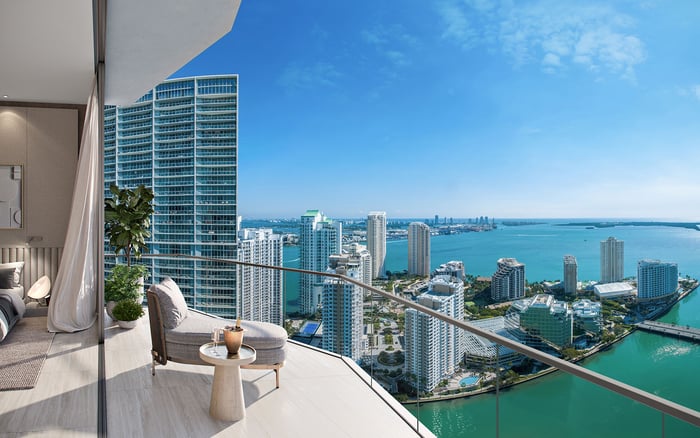
For portfolio notes, buyers may label priorities by South Florida submarket and property type, including Brickell, Miami Beach, Sunny Isles, Coconut Grove, balcony residences, and new-construction homes. The same lighting standard will not feel identical in each setting. A glassy urban tower, a shaded tropical villa, and an oceanfront residence all demand different scrutiny.
Many buyers first ask about fixtures, color temperature, and app controls. A more refined starting point is privacy. In South Florida, expansive glazing is a luxury, but it can also turn the residence into a lantern at night when lighting and shading are poorly coordinated.
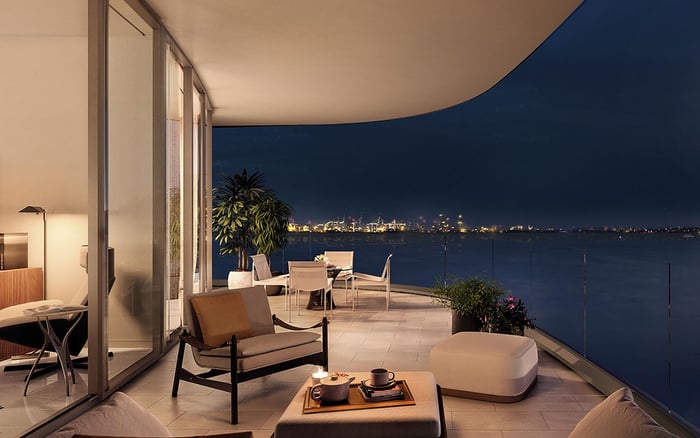
Walk the property at dusk if possible. Observe whether interior lighting creates silhouettes from neighboring buildings, passing boats, adjacent terraces, or the street. The most comfortable residences rely on layered light rather than a single bright ceiling plane. Cove lighting, lamps, concealed linear lighting, and dimmed architectural fixtures can preserve atmosphere while reducing exposure.
Pay close attention to bathrooms, primary suites, dressing areas, and rooms facing other towers. Circadian lighting should not become so bright in the evening that privacy depends entirely on blackout shades. The best systems work with solar shades, drapery, glass treatments, and room orientation. If the residence has terraces or outdoor rooms, test whether interior evening scenes remain discreet when viewed from the balcony or pool area.
A circadian system should feel natural, not theatrical. During the day, it may support alertness in kitchens, offices, gyms, and service areas. In the evening, it should soften the home without making it feel dim, yellow, or impractical. The goal is not to simulate a laboratory schedule. The goal is to make each room feel appropriate to the hour.
Ask to see preset scenes for morning, midday, sunset, dining, entertaining, movie viewing, and nighttime circulation. A serious system will have scenes that are intuitive and named in plain language. If every adjustment requires a technician, the system may become a nuisance rather than an amenity.
In South Florida, daylight is abundant, but interiors vary dramatically. Deep floor plates, tinted glass, overhangs, and neighboring structures can all change the experience. A corner living room may need very little daytime assistance, while an interior corridor or home office may benefit from careful tuning. The most successful homes do not apply one universal setting everywhere.
Buyers often think of lighting costs only in terms of electricity. That view is incomplete. The larger issue is operational complexity. A property with dozens of scenes, motorized shades, specialty drivers, processors, keypads, and integrated controls can be elegant, but it must also be maintainable.
During review, ask what equipment is proprietary, what components are readily serviceable, and whether the system has been commissioned after installation. Poor commissioning can lead to flicker, uneven dimming, confusing interfaces, and scenes that no one uses. In a luxury residence, the ongoing expense may include programming updates, replacement drivers, keypad changes, shade calibration, and coordination with an estate manager or building engineer.
A simpler system that works beautifully may be preferable to an elaborate one that requires frequent intervention. This is especially true for second-home owners, seasonal residents, and households with staff turnover. Daily comfort depends on reliability. Carrying costs depend on whether the lighting can be maintained without disrupting the household.
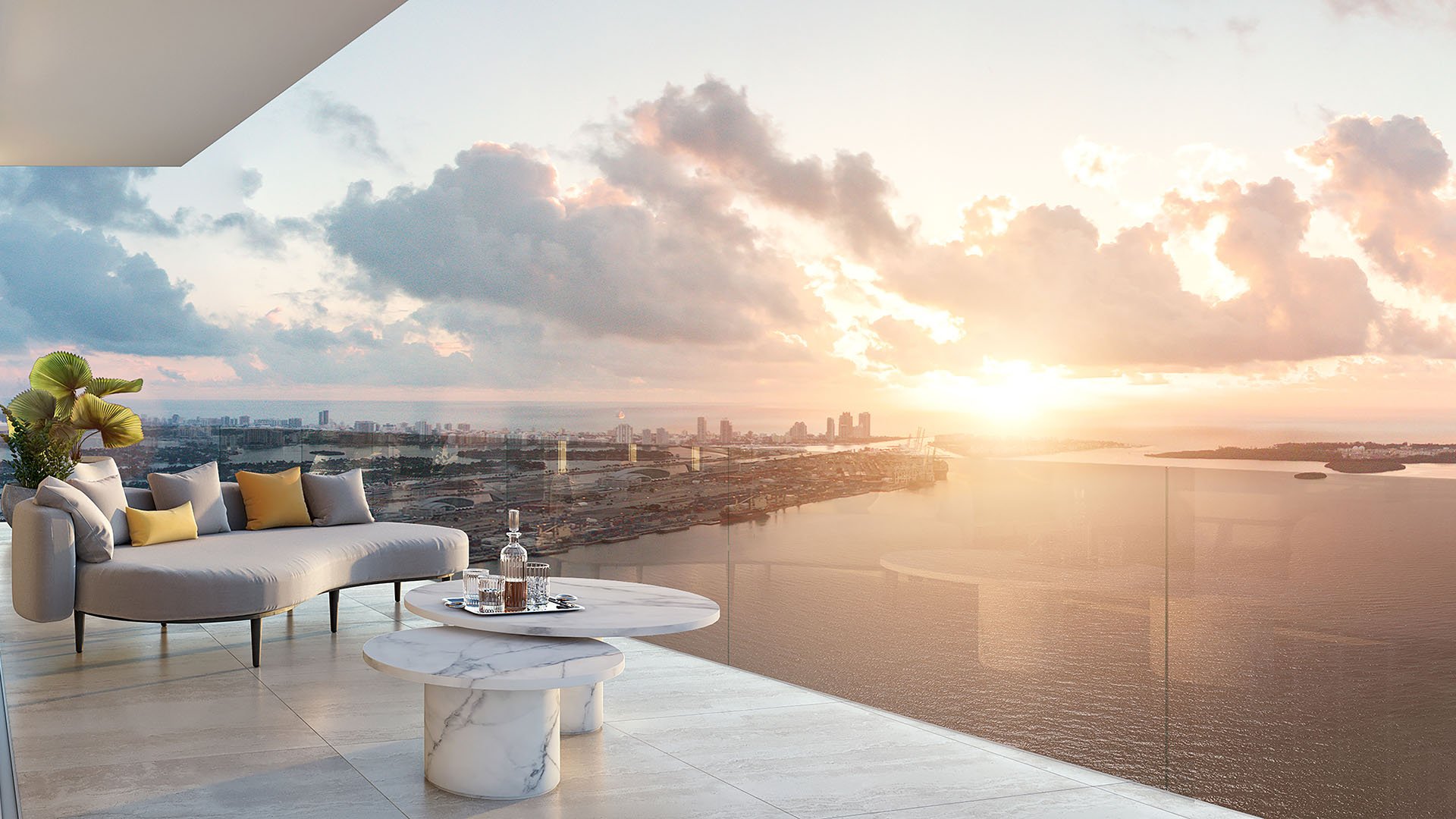
Circadian lighting cannot be evaluated separately from natural light control. South Florida residences often require solar management long before sunset. Morning glare, western exposure, and reflective water views can make a room uncomfortable even when the artificial lighting is excellent.
Review shade zones carefully. Are they grouped logically by exposure and room use, or do they move in ways that frustrate daily life? Can the kitchen remain bright while the media area is shaded? Can the bedroom transition from morning privacy to evening softness without multiple manual steps? A strong design allows the owner to live intuitively.
For waterfront and urban residences, shade fabric matters as well. A sheer shade may preserve views while reducing glare, while blackout treatment may be essential in bedrooms. Circadian lighting adds value when it complements these layers. If lighting and shades fight each other, the home feels overdesigned.
In the primary bedroom, look for warm evening scenes, low-level pathway lighting, and controls reachable from the bed. A bright keypad glow or harsh bathroom transition can undo the purpose of a circadian strategy.
In the kitchen, confirm that task lighting remains accurate for cooking and presentation. Warm evening tones should not make food preparation difficult. In dressing rooms, color rendering is critical. Clothes, jewelry, and skin tones should appear flattering but honest.
In home offices, the system should support focus without glare on screens. In wellness rooms, gyms, and spa areas, scenes should change with use rather than follow a rigid clock. In art corridors and along gallery walls, confirm that dimming does not distort the intended effect.
For entertaining spaces, ask whether scenes can move from cocktail hour to dinner to late-night conversation without staff improvising at the wall controls. Luxury is often measured by how little the owner has to think about the infrastructure.
Do not evaluate circadian lighting only from a brochure or specification sheet. Stand in the rooms. Lower the shades. Activate scenes. Look at faces, artwork, floors, mirrors, and windows. Check whether the system feels silent, smooth, and immediate.
Test transitions at different times of day when possible. A residence that feels serene at noon may feel exposed at 8 p.m. A dramatic evening scene may be too dim for reading. Ask whether scenes can be personalized without rebuilding the system. Also confirm whether manual controls are clear enough for guests, family, and household staff.
If the property is furnished, be careful not to confuse styling with performance. Lamps, reflective finishes, and staging can flatter a room temporarily. Permanent architectural lighting must still carry the home when furniture changes.
Circadian lighting is most compelling when it is integrated, discreet, and easy to maintain. It adds value when it improves the lived experience of the residence, supports privacy after dark, and reduces friction between daylight, shade, and activity.
It is less persuasive when it appears as a checklist feature with little connection to the architecture. A buyer should be cautious if the system is difficult to demonstrate, if scenes feel extreme, or if no one can explain how maintenance works. In new-construction residences, the ideal time to refine lighting is before final delivery or early in ownership, when programming and shade logic can still be tailored to the household.
For discerning buyers, circadian lighting is not about novelty. It is about whether the home feels composed at every hour.
What is circadian lighting in a luxury residence? It is a lighting approach that adjusts brightness and tone through the day to support comfort, atmosphere, and routine.
Should I prioritize circadian lighting over views? No. Treat it as a support system that should enhance the view experience without creating glare or nighttime exposure.
How does lighting affect privacy? Bright interior light against dark glass can reveal silhouettes and room activity, especially in dense waterfront or tower settings.
Are automated shades necessary? They are not always necessary, but they often make circadian lighting more effective by controlling glare, heat, and visibility.
Can circadian lighting increase carrying costs? It can if the system is complex, poorly commissioned, or dependent on specialty service for routine changes.
What should I test during a private showing? Test morning, evening, entertaining, bedroom, and nighttime scenes, then observe privacy from windows and terraces.
Is warmer evening light always better? Usually it is more comfortable, but it still needs enough clarity for dining, reading, dressing, and safe circulation.
Does every room need circadian programming? No. Bedrooms, kitchens, offices, baths, and main living areas usually deserve the most careful attention.
Can an existing residence be upgraded? Often yes, but feasibility depends on wiring, controls, ceiling conditions, fixture types, and shade integration.
What is the best sign of a well-designed system? It feels effortless, with scenes that are intuitive, flattering, private, and reliable throughout the day.
For a confidential assessment and a building-by-building shortlist, connect with MILLION.
If branded residences are on your mind — as a home or as an allocation — we would be glad to share what we are seeing, privately.
Begin a quiet conversation