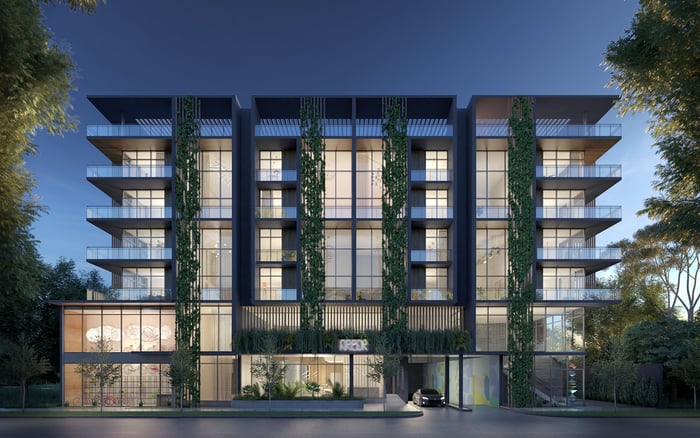
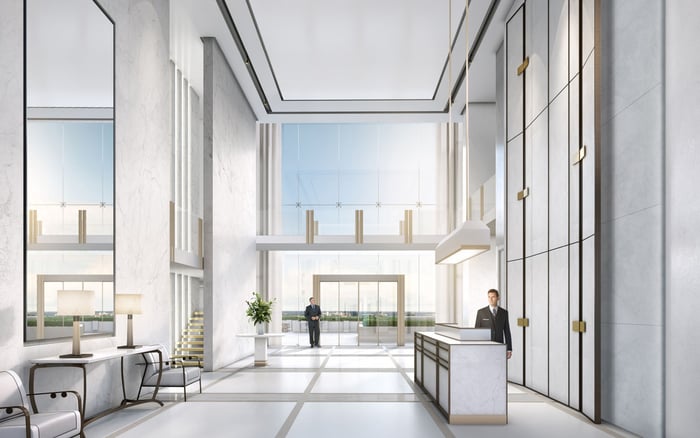
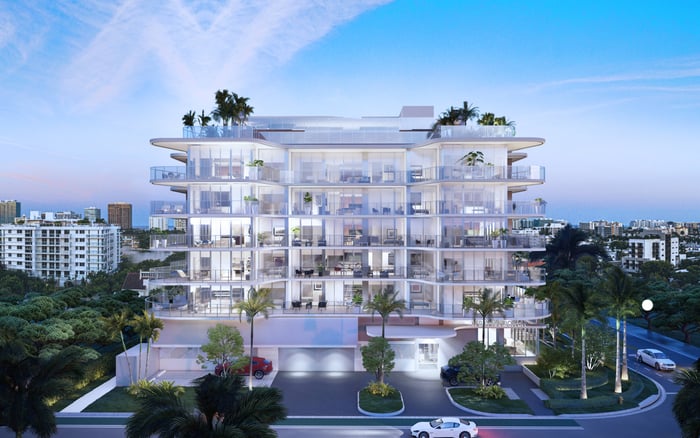
A family-focused due-diligence guide for comparing Alana Bay Harbor Islands and The Cove Residences Edgewater through amenities, teen use, guest access, and daily livability.
For a family considering Alana Bay Harbor Islands and The Cove Residences Edgewater, the most important questions are not always the most glamorous. A pool may photograph beautifully, a children’s room may read well in a brochure, and a lounge may imply effortless entertaining. Yet family life tests a building in less theatrical ways: after-school transitions, weekend guests, teen independence, stroller circulation, elevator timing, and the quiet choreography of relatives arriving from out of town.
That is why due diligence should move from amenity presence to amenity performance. The question is not simply whether a building includes family-oriented spaces. It is whether those spaces support the specific household that will use them. A young family with grandparents visiting twice a year has different needs than a blended family with teenagers, tutors, drivers, and regular overnight guests. Boutique scale can feel intimate and private, but it also places greater weight on rules, reservations, and shared-space etiquette.
Alana Bay Harbor Islands and The Cove Residences Edgewater invite different lifestyle considerations because their settings suggest different daily rhythms. Bay Harbor Islands is often evaluated by families for its quieter residential cadence, village-like feel, and proximity to established coastal routines. Edgewater, by contrast, is typically considered through an urban waterfront lens, with access to a more vertical, city-adjacent lifestyle.
Neither framework is inherently better. The right choice depends on how a household actually moves. Buyers should map school runs, children’s activities, evening dining, weekend boating plans, grandparents’ visits, and airport access before becoming anchored to finishes alone. If the household depends on predictable morning departures, lobby flow and parking procedures may matter as much as views. If older children want controlled independence, the surrounding neighborhood experience becomes part of the amenity package.
This is where second-home buyers should be especially disciplined. A residence that feels effortless for a long weekend may reveal different priorities during a two-week holiday stay with children, friends, luggage, groceries, and visiting relatives. The best family condominium is the one that absorbs complexity without announcing it.
Teen spaces are among the most misunderstood family amenities in luxury buildings. A room labeled for teens can succeed or fail depending on scale, acoustics, supervision, programming flexibility, and proximity to other amenities. Parents should ask how a teen-oriented room is intended to function on a weekday afternoon versus a holiday evening. Is it a quiet place for homework, a social lounge, a gaming room, or a spillover area when friends visit?
The most useful teen spaces balance visibility with autonomy. Too exposed, and teenagers will not use them. Too hidden, and parents may feel the space requires more oversight than it provides. Buyers should study sightlines from nearby common areas, the location relative to elevators, and whether access is managed by age, reservation, or household permissions.
Acoustics deserve particular attention. A teen room next to a serene lounge, wellness area, or residential corridor can create friction if use is not carefully planned. Similarly, a flexible lounge that serves all ages may be elegant but less effective for families if children and adults are competing for the same space at the same hours. The goal is not maximum square footage. The goal is well-defined use.
For many luxury buyers, guest-suite access is not a decorative amenity. It is an operational question. Grandparents, adult children, nannies, friends, and holiday visitors can all change how a residence functions. If a building offers guest accommodations or has any guest-related policy, families should request written details before assuming availability.
The questions are practical. How far in advance can a guest suite be reserved? Are there blackout periods? Are fees fixed or variable? How many nights are permitted? Can the same household reserve multiple stays in a season? What are the check-in procedures, parking rules, elevator permissions, and guest registration requirements? For international families or households with frequent visitors, these answers can affect both privacy and comfort.
Security should also be reviewed through a family lens. A gracious guest experience is valuable, but so is control. Parents may want clear protocols for teenage guests, caregivers, tutors, and extended family members. Pets can also alter the analysis if visiting relatives travel with animals or if the building has detailed pet policies. The most refined buildings are not the ones with the fewest rules. They are the ones whose rules are clear, consistently applied, and aligned with the lifestyle the buyer expects.
Sales materials can introduce a project, but family due diligence should be tactile. Walk the likely path from parking to residence with a stroller, sports bag, or luggage in mind. Stand near the elevators at a peak time if possible. Observe whether amenity spaces feel intuitive or performative. Ask how birthday gatherings, tutoring sessions, playdates, and visiting relatives are handled.
For pool areas, families should understand hours, supervision expectations, towel service, food rules, guest limits, and whether children’s use changes during holidays or high-occupancy periods. For lounges, ask whether children can use the space unaccompanied and whether private events can displace everyday residents. For fitness and wellness areas, confirm age restrictions rather than relying on assumptions.
In a boutique environment, personal familiarity can be a strength. Staff may come to know residents and routines. At the same time, smaller communities can feel more sensitive to noise, guests, and amenity conflicts. Larger urban buildings may offer more separation of uses, but they can also introduce more movement, more visitors, and more complex elevator patterns. The best answer is highly household-specific.
Family functionality can influence long-term desirability. A residence that supports multiple life stages often has a broader audience when it returns to market. Buyers should consider whether the floor plan, building rules, and amenity structure can adapt as children grow from toddlers to teenagers, or as a primary residence becomes a seasonal base.
A family with small children may prioritize play areas, storage, and safe transitions. A family with older children may care more about teen autonomy, transportation, and guest flexibility. Empty nesters may value the same guest-suite policies for adult children and grandchildren. In this sense, family amenities are not merely conveniences. They can be part of the asset’s future usability.
For Alana Bay Harbor Islands and The Cove Residences Edgewater, the strongest due diligence will be personal, written, and scenario-based. The buyer should not ask, “Is this family friendly?” The better question is, “How will this building handle our actual calendar, our guests, our children, and our privacy?”
What should families verify first when comparing these residences? Start with daily movement: parking, elevators, school routines, guest arrivals, and how children access shared spaces.
Are teen spaces always valuable in a luxury condominium? They are valuable when they are well located, age-appropriate, acoustically considered, and supported by clear use rules.
Should buyers assume guest suites are always available? No. Availability, fees, booking windows, and blackout periods should be confirmed in writing before purchase.
Why does boutique scale matter for families? Boutique scale can feel private and personal, but amenity scheduling and guest policies may carry greater importance.
How should families evaluate pool areas? Review hours, guest limits, food policies, child supervision expectations, and seasonal crowding patterns.
Is Edgewater better for families than Bay Harbor Islands? Not universally. Edgewater may suit urban routines, while Bay Harbor Islands may appeal to buyers seeking a quieter cadence.
Can pets affect family due diligence? Yes. Pet policies can influence guest visits, elevator use, outdoor routines, and comfort for children or relatives.
What should second-home buyers be careful about? They should test how the building works during longer stays, when guests, luggage, groceries, and children all arrive together.
Do family amenities affect resale potential? They can, especially when spaces and policies support multiple household stages and a broad buyer audience.
What is the best way to shortlist comparable options for touring? Start with location fit, delivery status, and daily lifestyle priorities, then compare stacks and elevations to validate views and privacy.
For a confidential assessment and a building-by-building shortlist, connect with MILLION.
If branded residences are on your mind — as a home or as an allocation — we would be glad to share what we are seeing, privately.
Begin a quiet conversation