A discreet buyer’s guide to choosing a South Florida home near the social, wellness, golf, marina, and dining ecosystems of private clubs without making membership the center of daily life.
For a founder, investor, or executive relocating from Silicon Valley, the South Florida home search often starts with a familiar question: where will the best conversations happen? In Miami, Palm Beach, Boca Raton, Fort Lauderdale, and the Grove, those conversations may unfold on a court, in a private dining room, beside a marina, after a school event, or during an early waterfront walk. The mistake is assuming the private club itself must become the organizing principle of the purchase.
A stronger brief is club-adjacent, not club-dependent. It seeks the gravitational pull of a club ecosystem while preserving independence: a home that feels complete on a quiet Tuesday, elegant for guests on Friday, and convenient when a last-minute invitation appears. In a buyer’s internal map, labels such as Coconut Grove, Brickell, Coral Gables, Golf, Marina, and New Construction become less about categories than filters for how life will actually unfold.
Club-adjacent living is about proximity to rhythm, not ownership of a calendar. Before comparing finishes or views, map the weekly orbit. Where will you exercise before calls? Where can a spouse host lunch without turning it into a production? Which school runs, airport routes, dining rooms, and waterfront rituals remain realistic when the season is busy?
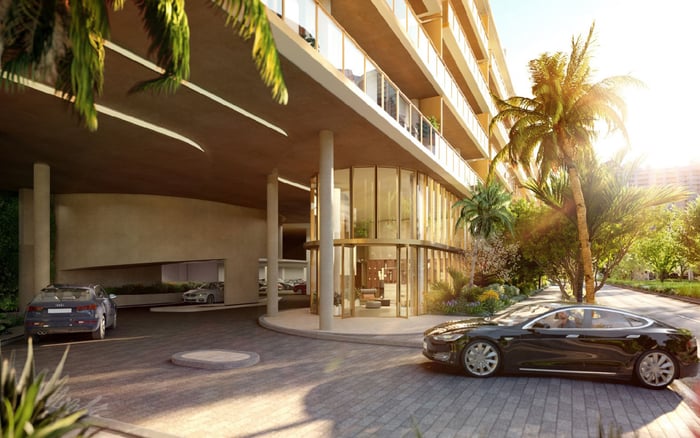
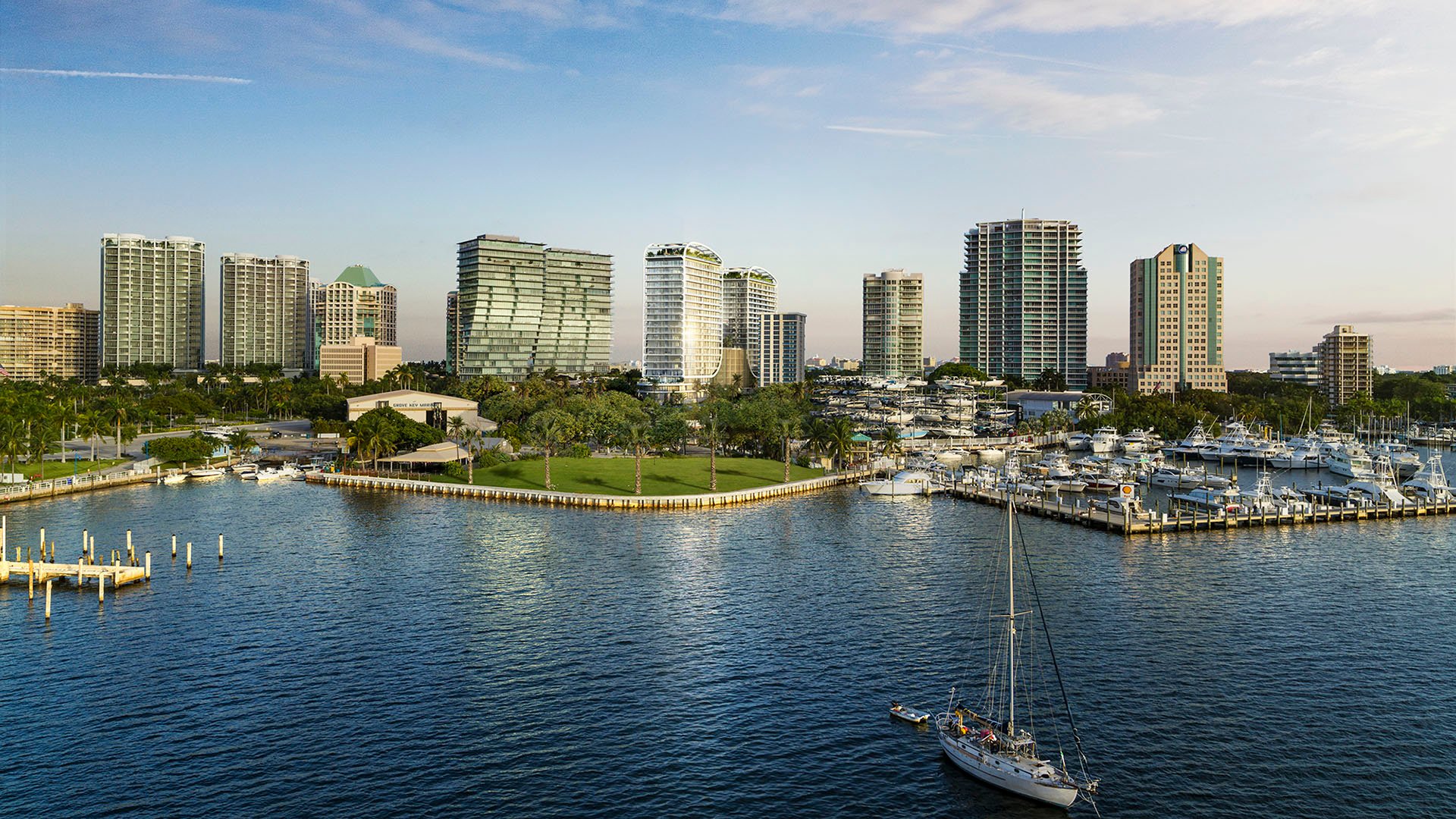
Coconut Grove remains a natural starting point because it offers privacy, canopy, dining, bay proximity, and a village scale that can feel intuitive to buyers leaving more car-bound tech corridors. Residences such as Four Seasons Residences Coconut Grove speak to buyers who want a refined residential base near the Grove’s social fabric without making any single membership the center of identity.
For a more wellness-forward interpretation of the same idea, The Well Coconut Grove fits the buyer who wants recovery, routine, and design integrated into daily life rather than outsourced entirely to a club setting.
The most revealing test is simple: would you still want to live there if you skipped the club for two weeks? A credible South Florida residence should answer yes. The terrace should work for coffee and calls. The kitchen should support informal dinners. The building or property should offer enough wellness, privacy, parking logic, guest flow, and service capacity to function independently.
This is especially important for buyers accustomed to the Bay Area’s campus logic, where work, exercise, food, and social contact can be bundled. In South Florida, the stronger luxury addresses create a looser network. A home may sit near a marina, close to a golf corridor, and minutes from private dining while still feeling fully self-sufficient. That flexibility protects lifestyle value when travel, family, health, or membership availability shifts.
Do not overpay for symbolic adjacency if the day-to-day experience is compromised. A prestigious orbit cannot correct a poor floor plan, weak light, limited storage, difficult access, or a building culture that does not match your pace.
Not every buyer wants the same level of visibility. Coconut Grove can feel intimate and residential. Brickell is more vertical, financial, and international. Coral Gables offers composed civic elegance with a slower social tempo. Miami Beach and Surfside may suit buyers who want more ocean presence and a more visible hospitality layer.
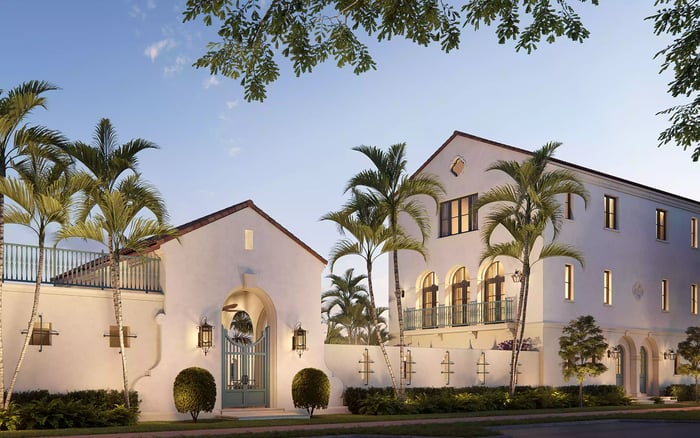
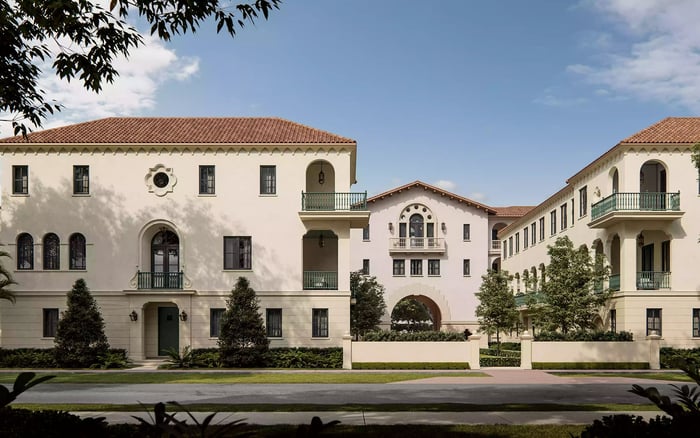
For buyers drawn to Coral Gables but wary of overprogramming their lives, Ponce Park Coral Gables is the kind of project that can be considered within a broader discussion of walkable dining, neighborhood formality, and access to established social circuits. The point is not that one address replaces a club. It is that the right address reduces the burden on a club to provide every form of belonging.
Brickell, by contrast, may suit the buyer who wants business proximity, restaurants, water views, and fast access to the city’s financial center. The Residences at 1428 Brickell belongs in that conversation for buyers who prefer a polished urban base and plan to use clubs, marinas, and weekend destinations as satellites rather than anchors.
The most resilient club-adjacent purchase has multiple lifestyle exit ramps. If the golf routine fades, the home still works. If boating becomes central, the drive to the water still makes sense. If children’s schedules dominate, school and neighborhood logistics do not become punishing. If remote work intensifies, the residence supports focus and privacy.
This is where New Construction can be compelling, provided the buyer evaluates more than renderings. Look at elevator experience, arrival sequence, acoustic separation, outdoor depth, staff circulation, storage, and guest privacy. The best homes are not merely near desirable places. They absorb the friction of a high-performance life.
In the end, the smartest South Florida purchase is not the address that proves access. It is the one that makes access feel effortless while preserving the freedom not to use it.
What does club-adjacent mean in South Florida real estate? It means living near private club, dining, golf, marina, wellness, and social ecosystems without depending on one membership for daily lifestyle value.
Is Coconut Grove a strong fit for former Silicon Valley buyers? Yes, for buyers who want privacy, greenery, waterfront proximity, and a more village-like rhythm within Miami.
Should I buy before securing a club membership? Only if the home works independently, since membership timing, preferences, and family routines can change.
What is the biggest mistake in a club-adjacent search? Paying for proximity while accepting a home that lacks privacy, usable outdoor space, storage, or easy daily logistics.
Does Brickell work for a club-adjacent lifestyle? It can, especially for buyers who want an urban base with restaurants, business access, and clubs used selectively.
How important is water access? It depends on the buyer, but bay, ocean, or marina proximity often adds flexibility to a South Florida lifestyle plan.
Is golf access essential? No. Golf access is valuable for some buyers, but it should not outweigh the quality and independence of the residence.
What should remote-work buyers prioritize? They should prioritize light, quiet, service reliability, acoustic separation, outdoor space, and a commute pattern that remains civilized.
Can a condo replace a single-family home for this lifestyle? Yes, if the building offers privacy, strong arrival, thoughtful amenities, and enough space for guests and daily routine.
How should I compare Coconut Grove, Coral Gables, and Brickell? Compare social visibility, commute patterns, school needs, dining habits, water access, and how often you want to rely on a club.
When you're ready to tour or underwrite the options, connect with MILLION.
If branded residences are on your mind — as a home or as an allocation — we would be glad to share what we are seeing, privately.
Begin a quiet conversation