A refined buyer’s guide to evaluating resident culture, service rhythm, privacy expectations, and daily fit alongside amenities in South Florida luxury buildings.
In Palm Beach and Miami, luxury buyers are fluent in the language of amenities. They know how to compare a pool, wellness suite, private dining room, screening lounge, concierge desk, fitness studio, terrace, arrival court, marina access, and beach service. Those features still matter. They shape convenience, comfort, and resale appeal. Yet at the top of the market, the more revealing question is not simply what a building offers. It is how the building lives.
Building culture is the atmosphere created by residents, staff, design, policies, programming, and daily habits. It is the difference between a glamorous address that feels impersonal and a quieter property that feels effortlessly composed. It is also one of the least obvious factors to evaluate from a brochure, a model residence, or a single showing.
For a buyer weighing Palm Beach restraint against Miami energy, culture can determine whether an address becomes a sanctuary, a social stage, a family base, or a second-home retreat that remains easy to inhabit. Amenities open the door. Culture decides whether owners stay.
Building culture is not a marketing slogan. It is the lived etiquette of a property. Do residents greet one another or move privately through the lobby? Is the pool deck serene or social? Does the staff know owners by name, or does the experience feel more like a hotel? Are gatherings frequent, selective, family-oriented, wellness-driven, or nearly invisible?
In a boutique building, culture may be shaped by fewer households, quieter common areas, and a stronger sense of recognition. In a larger tower, culture may depend more heavily on management, rules, and how amenities are scheduled or maintained. Neither model is inherently better. The right answer depends on how a buyer expects to use the home.
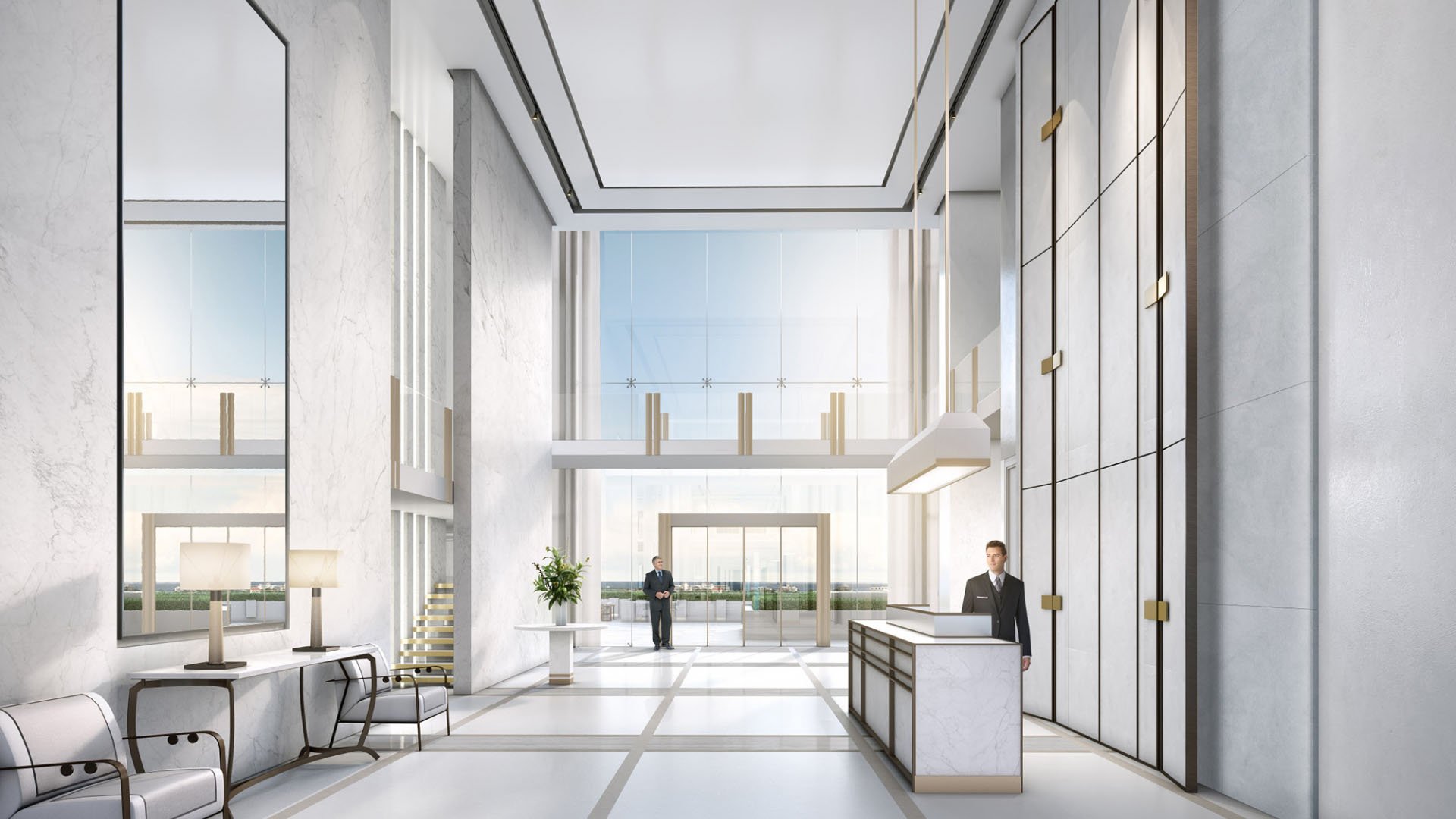
This is why a polished amenity checklist can be incomplete. A spa may be beautiful but seldom used. A club room may photograph well yet feel awkward if the resident base does not share a similar rhythm. A lobby can be architecturally impressive and still feel cold. Conversely, a building with fewer headline amenities can feel deeply luxurious when residents share expectations around privacy, service, and calm.
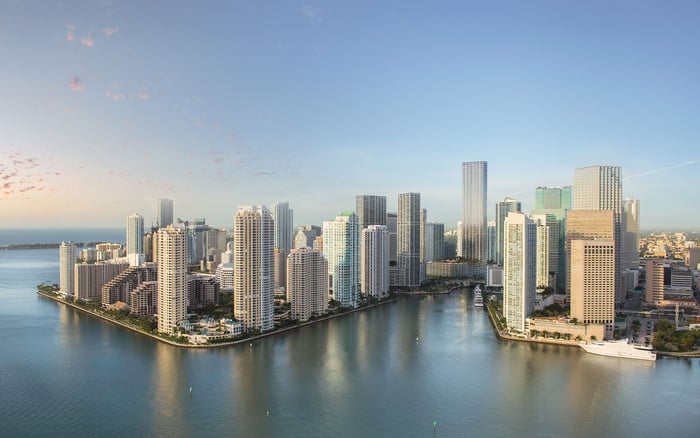
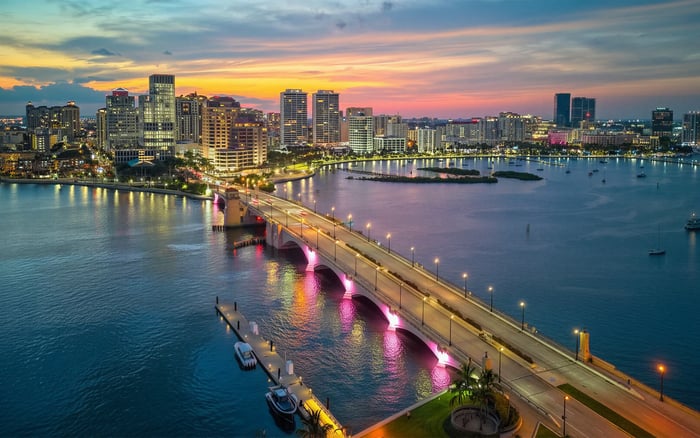
Palm Beach often attracts buyers who value composure, privacy, and a sense of established ritual. Miami, by contrast, offers multiple personalities: waterfront calm, urban intensity, Brickell verticality, Miami Beach resort energy, and Coconut Grove understatement. These are broad lifestyle distinctions, not rigid rules, but they help frame the culture conversation.
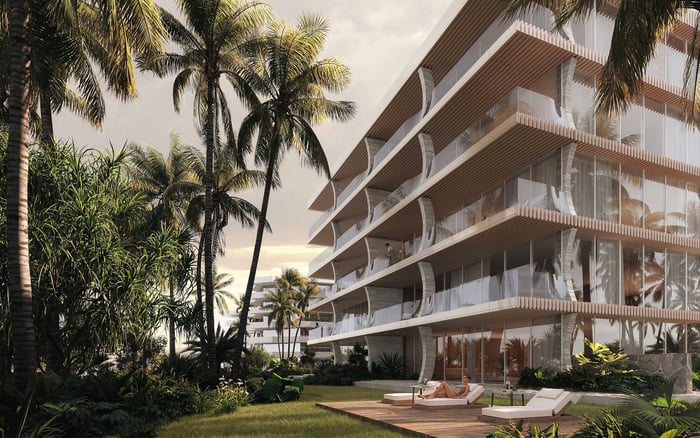
A buyer considering Alba West Palm Beach may be asking different cultural questions than a buyer studying Baccarat Residences Brickell. The first might focus on softness, ease, and proximity to a more composed daily pattern. The second may be evaluating how a branded residential environment handles arrival, service, entertaining, and the tempo of city life.
On Miami Beach, the equation shifts again. At The Perigon Miami Beach, a buyer may think less about simple access to coastal amenities and more about the social tone of those spaces. Does the building feel resort-like, residential, private, or ceremonial? That answer will influence how naturally an owner uses the property.
A luxury building’s amenities are its hardware. They are visible, measurable, and easy to display. Culture is the operating system that determines how those assets function.
Consider a private dining room. In one building, it becomes a true extension of the residence, used for family dinners, visiting guests, and discreet celebrations. In another, it sits largely unused because reservations feel cumbersome or residents prefer to entertain elsewhere. The same holds for wellness spaces, lounges, children’s rooms, wine rooms, and waterfront decks.
Service is central to this operating system. The best service cultures are neither theatrical nor indifferent. They are anticipatory, discreet, and consistent. Owners feel known without feeling watched. Guests feel welcomed without the property becoming porous. Rules are enforced without friction. This invisible choreography is often what separates a merely expensive address from a genuinely elevated one.
For buyers, the key is to observe not only what a building promises, but how it behaves at different hours. Morning arrivals, weekend pool use, valet flow, elevator etiquette, package handling, and guest access can reveal more than a staged presentation.
Before buying, sophisticated clients should ask a simple question: would I want to live among this building’s habits?
That question applies to full-time residents, seasonal owners, families, frequent travelers, and investors who care about long-term desirability. A building may be architecturally striking, but if its policies, noise patterns, pet culture, guest rhythm, or social expectations do not align with an owner’s life, the mismatch becomes apparent quickly.
For some buyers, the ideal culture is quiet and almost invisible. They want secure access, refined service, and common areas that rarely feel crowded. For others, the ideal building has energy: residents who gather, staff who can coordinate experiences, and amenity spaces that support a more connected lifestyle. A third group wants both, seeking the option to engage without obligation.
In Coconut Grove, for example, a buyer looking at The Well Coconut Grove may be drawn to a lifestyle vocabulary that feels more grounded and wellness-oriented than overtly formal. The cultural question is whether that sensibility fits the buyer’s daily rhythm, not whether it sounds impressive on paper.
In ultra-prime real estate, desirability is not sustained by finishes alone. Finishes age. Amenity trends evolve. What tends to endure is a building’s reputation for being well-run, well-inhabited, and emotionally easy to own.
A strong culture can make residents more invested in the property. It can support better stewardship of common areas, more respectful amenity use, and a smoother relationship between owners and management. It can also make the building easier to recommend, because the experience feels coherent rather than fragmented.
This does not mean every buyer should seek the same culture. Palm Beach and Miami reward nuance. A private collector, a young family, a global executive, and a seasonal couple may all define luxury differently. The best building is the one where those expectations meet the property’s actual daily life.
That is why the most refined buyers increasingly evaluate culture with the same seriousness they bring to views, floor plans, and materials. They know a residence is not only a private interior. It is part of a shared environment, and that environment has a personality.
Tour more than once if possible, and vary the timing. A weekday morning, late afternoon, and weekend visit may each reveal a different layer of the building. Listen to the lobby. Watch how staff interact with owners. Notice whether common areas feel cared for, overused, underused, or naturally integrated into daily life.
Ask practical questions. How are guest arrivals handled? How are amenity reservations managed? What is the building’s approach to private events? Are policies clear? Do residents tend to be full-time, seasonal, or mixed? How does the property balance privacy and hospitality?
Most of all, pay attention to instinct. Luxury buyers are often trained to analyze specifications, but the body reads atmosphere quickly. If a building feels effortless, composed, and aligned with your life, that is not incidental. It may be the most valuable amenity of all.
Why does building culture matter in luxury real estate? It shapes daily comfort, privacy, service expectations, and the way amenities are actually used.
Is building culture more important than amenities? It is not a substitute for amenities, but it can determine whether those amenities feel valuable over time.
How can buyers sense a building’s culture during a tour? Observe staff interactions, resident behavior, common-area energy, and how smoothly arrivals are handled.
Does Palm Beach have a different residential culture than Miami? Palm Beach is often associated with discretion, while Miami offers a wider range of urban, waterfront, and resort-like rhythms.
Can a branded residence have a strong building culture? Yes, when service standards, resident expectations, and shared spaces support a coherent daily experience.
Should seasonal owners care about building culture? Yes, because ease of arrival, staff familiarity, and social tone can define every return visit.
What role does management play in culture? Management translates rules, service, maintenance, and hospitality into the building’s everyday atmosphere.
Can a quieter building still feel luxurious? Absolutely. For many buyers, calm, privacy, and consistency are the clearest expressions of luxury.
Do larger towers struggle with culture? Not necessarily. Larger buildings can feel refined when operations, access, and amenity use are well managed.
What is the best way to shortlist comparable options for touring? Start with location fit, delivery status, and daily lifestyle priorities, then compare stacks and elevations to validate views and privacy.
When you're ready to tour or underwrite the options, connect with MILLION.
If branded residences are on your mind — as a home or as an allocation — we would be glad to share what we are seeing, privately.
Begin a quiet conversation