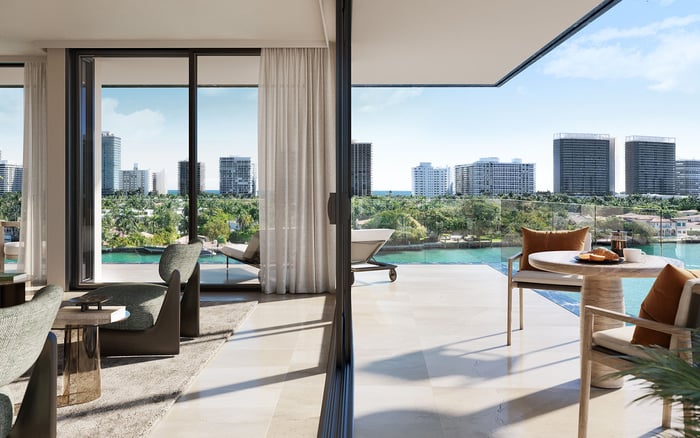
A buyer-focused look at why Alana Bay Harbor Islands may appeal to luxury condo purchasers who value boutique scale, contemporary positioning, and a simpler ownership rhythm.
For a certain South Florida buyer, the definition of luxury has become more disciplined. It is no longer only about the most dramatic lobby, the longest amenity menu, or the highest-profile address. Increasingly, the sharper question is practical: how easy will this residence be to own, use, maintain, and enjoy over time?
That is where Alana Bay Harbor Islands earns attention. The condominium is positioned as a luxury residential option in Bay Harbor Islands, but its more compelling appeal is not purely aesthetic. It belongs to the category of homes sophisticated buyers may evaluate through an operational lens: location, scale, amenity mix, and the expected day-to-day ownership model.
In a market full of large resort-style towers, that distinction matters. Lower operational friction does not mean fewer comforts. It means a residence that may feel easier to navigate, less complicated to manage, and better aligned with buyers who want elegance without unnecessary moving parts.
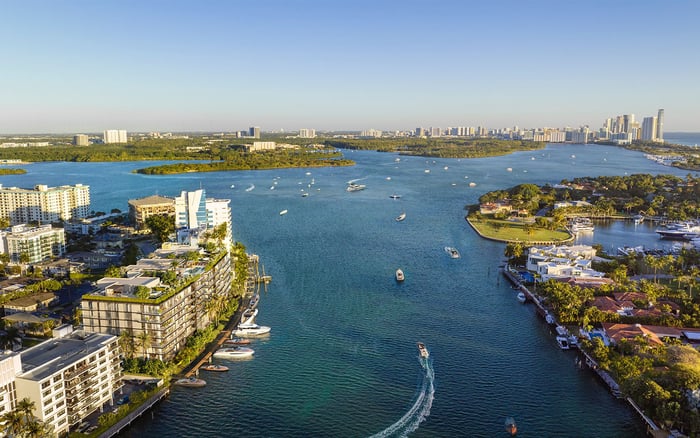
Alana’s location is central to its lower-friction thesis. Bay Harbor Islands has a residential character that can appeal to buyers who want access to South Florida luxury without choosing the most intense urban or beachfront setting. The appeal is not about stepping away from the market, but about choosing a more measured ownership rhythm.
For a Bay Harbor buyer, neighborhood context can shape how a condominium lives. A residence may feel easier to use when the surrounding environment supports routine, privacy, and predictability. That can matter for owners who split time between homes, as well as for primary residents who want comfort without the daily choreography of a larger destination property.
The immediate comparison set also clarifies Alana’s positioning. Buyers looking in the area may naturally examine nearby options such as Bay Harbor Towers, La Baia North Bay Harbor Islands, and Onda Bay Harbor. Within that context, Alana’s value proposition is less about overwhelming the buyer and more about presenting a contemporary, boutique-scale condominium for those who prize ease.
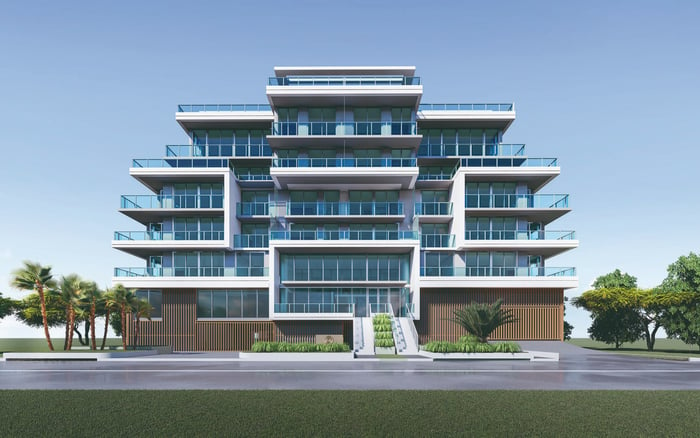
Boutique scale is often discussed as a design preference, but it is also an operational attribute. Smaller-scale buildings can appeal to owners who prefer a more legible residential environment, where the property does not function like a sprawling private resort. That does not automatically make ownership simple, but it can reduce the sense of complexity some buyers associate with larger towers.
At Alana, the boutique profile is central to the ownership argument. A smaller-scale condominium can feel more personal, more residential, and potentially easier to understand as an owner. For buyers who have already lived in amenity-heavy towers, that can be a meaningful shift. The question becomes not how much a building can offer in theory, but how gracefully it supports daily life in practice.
This is especially relevant for second-home purchasers. A second residence should not feel like a second operating company. Owners who arrive for long weekends, seasonal stays, or flexible periods of use often want a building that is intuitive. They may care less about maximal programming and more about whether the property feels ready, calm, and manageable when they arrive.
Alana is characterized as a contemporary condominium rather than a legacy building, and that distinction is important for buyers focused on friction. Legacy properties can have their own charm, locations, and established communities, but many buyers are increasingly attentive to the hidden complexities of older condominium ownership.
A contemporary condominium can be attractive because it begins from a more current residential premise. While buyers should always review association documents, maintenance expectations, reserves, rules, and operating budgets, a newer ownership context may feel more aligned with modern expectations for comfort and predictability.
For new-construction shoppers, this is not simply a preference for new finishes. It is a preference for a more current platform of ownership. The real test is whether the building’s design, amenity program, and operating model work together in a way that supports an easier life. Alana’s positioning speaks directly to that buyer.
Amenities are one of the most misunderstood parts of the luxury condo decision. A long amenity list may look impressive in marketing, but every programmed space carries operational implications. Staffing, maintenance, scheduling, rules, and long-term upkeep all become part of the owner experience.
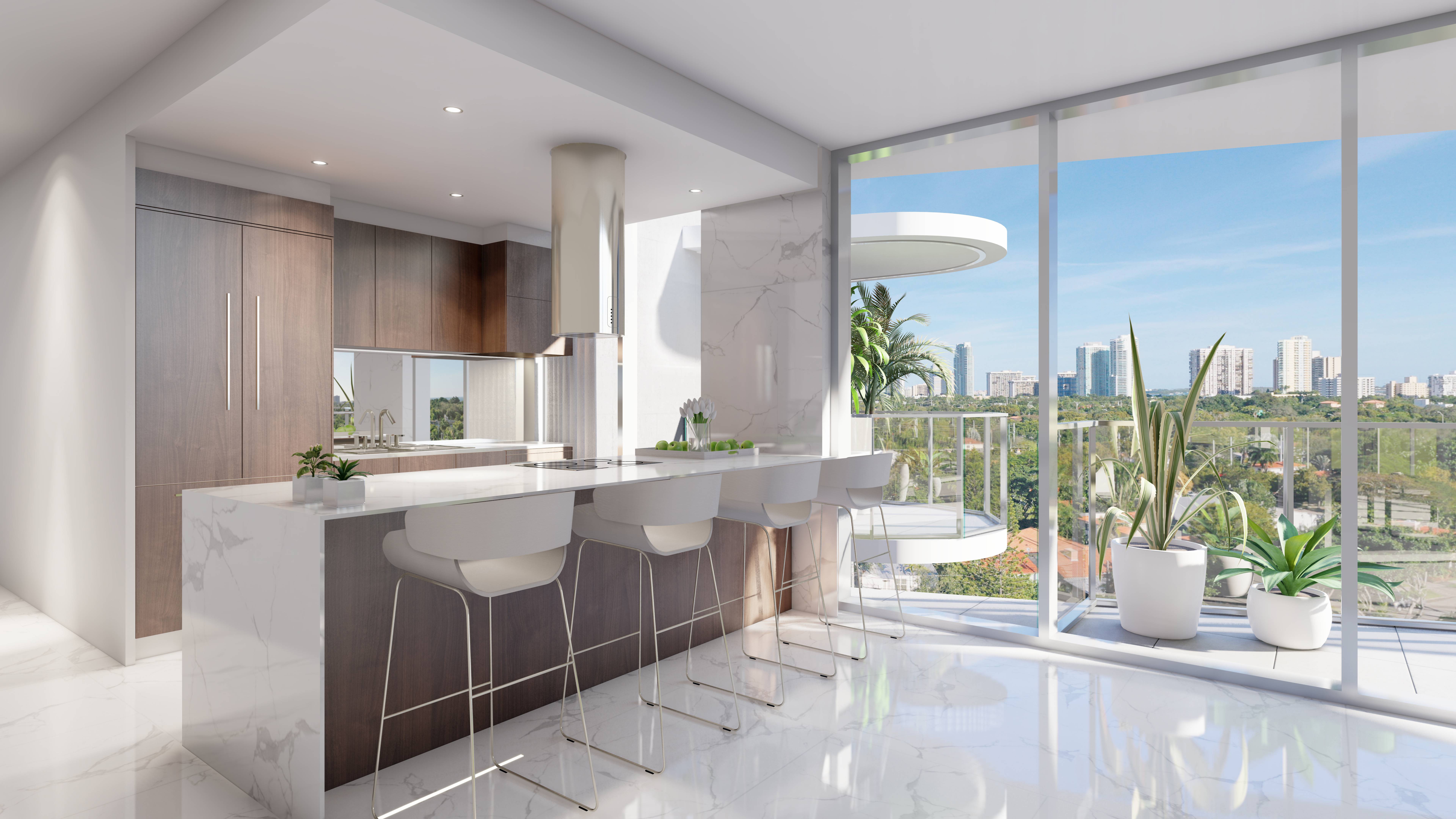
Alana’s amenity mix is relevant because it should be evaluated not only for lifestyle appeal, but also for operating simplicity. The right question is not whether a building has the most features in its class. The better question is whether its amenities match how owners will actually live.
That approach aligns with a broader lifestyle shift among high-end buyers. Many want comfort, privacy, and polished common spaces, but not always the layered complexity of a full resort environment. In Bay Harbor Islands, where several luxury projects compete for discerning attention, a balanced amenity profile can be a strength rather than a compromise.
Buyers who are also considering wellness-oriented or highly programmed residences, including The Well Bay Harbor Islands, may find it useful to compare not just amenities, but the operational feel behind them. The right building is the one whose services and shared spaces support the owner’s actual pattern of use.
Alana belongs on the shortlist for buyers who define luxury as a combination of comfort and control. That includes second-home users who want low-drama ownership, as well as primary residents who prefer a refined residential setting over maximal resort-style complexity.
It may also appeal to buyers who are highly experienced with condominium living. These purchasers often know that the ownership experience is shaped by details beyond the residence itself. The number of people moving through a building, the character of the amenities, the ease of arrivals and departures, and the overall residential temperament can all affect satisfaction.
Alana’s lower-friction case rests on the convergence of four elements: Bay Harbor Islands location, boutique scale, contemporary condominium positioning, and an amenity approach that can be evaluated through simplicity rather than spectacle. That is a nuanced proposition, but it is also a timely one.
The strongest argument for Alana is not that every buyer wants a quieter, simpler condominium. Many buyers genuinely prefer the energy and infrastructure of a large resort-style tower. But for those who have become more selective, Alana offers a different luxury premise: high comfort, lower friction, and a residential experience that may be easier to live with over time.
That makes it a serious candidate for buyers who want South Florida luxury without unnecessary operational weight. In a market where attention often goes to the loudest amenity story, Alana’s more measured positioning may be exactly why it deserves a closer look.
What is Alana Bay Harbor Islands? Alana Bay Harbor Islands is a luxury condominium project in Bay Harbor Islands, Florida.
Why is Alana associated with lower operational friction? Its appeal rests on a combination of location, boutique scale, amenity programming, and expected ownership model.
Is Alana better suited to second-home buyers or primary residents? It may suit both, especially buyers who value comfort, predictability, and a lower-drama ownership experience.
Does boutique scale matter in a luxury condominium? Yes. Boutique scale can appeal to owners who prefer a less complex residential environment than a large resort-style tower.
Does lower friction mean fewer amenities? Not necessarily. It means amenities should be judged by usefulness, operating simplicity, and fit with daily life.
Is Alana considered a contemporary condominium? Yes. It is characterized as a contemporary condominium rather than a legacy building.
Why does Bay Harbor Islands matter to the ownership thesis? The location supports a more residential rhythm, which can contribute to a calmer and more predictable ownership experience.
Should buyers compare Alana with other Bay Harbor Islands projects? Yes. Comparing nearby options can help clarify which building best matches a buyer’s desired lifestyle and operating profile.
Are pricing, fees, or unit counts discussed here? No. Buyers should review current availability, association materials, and project details before making decisions.
What type of buyer should shortlist Alana? A buyer seeking high comfort, boutique scale, and reduced day-to-day complexity should give Alana serious consideration.
If you'd like a private walkthrough and a curated shortlist, connect with MILLION.
If branded residences are on your mind — as a home or as an allocation — we would be glad to share what we are seeing, privately.
Begin a quiet conversation