A buyer-focused look at Alana Bay Harbor Islands through the lens of building culture, daily livability, and long-duration ownership in a quieter Miami-area setting.
For buyers seeking a South Florida residence rather than a display address, the most consequential question is often not the first one asked. Square footage, finish packages, and views matter, but the deeper test is how a building will feel on an ordinary Tuesday in August, during a busy school week, or after the seasonal calendar goes quiet.
That is where Alana Bay Harbor Islands deserves a serious place on the shortlist. Its appeal is best understood through building culture: the combined effect of scale, resident expectations, operating style, rules, circulation, neighborhood context, and the everyday rhythm of ownership.
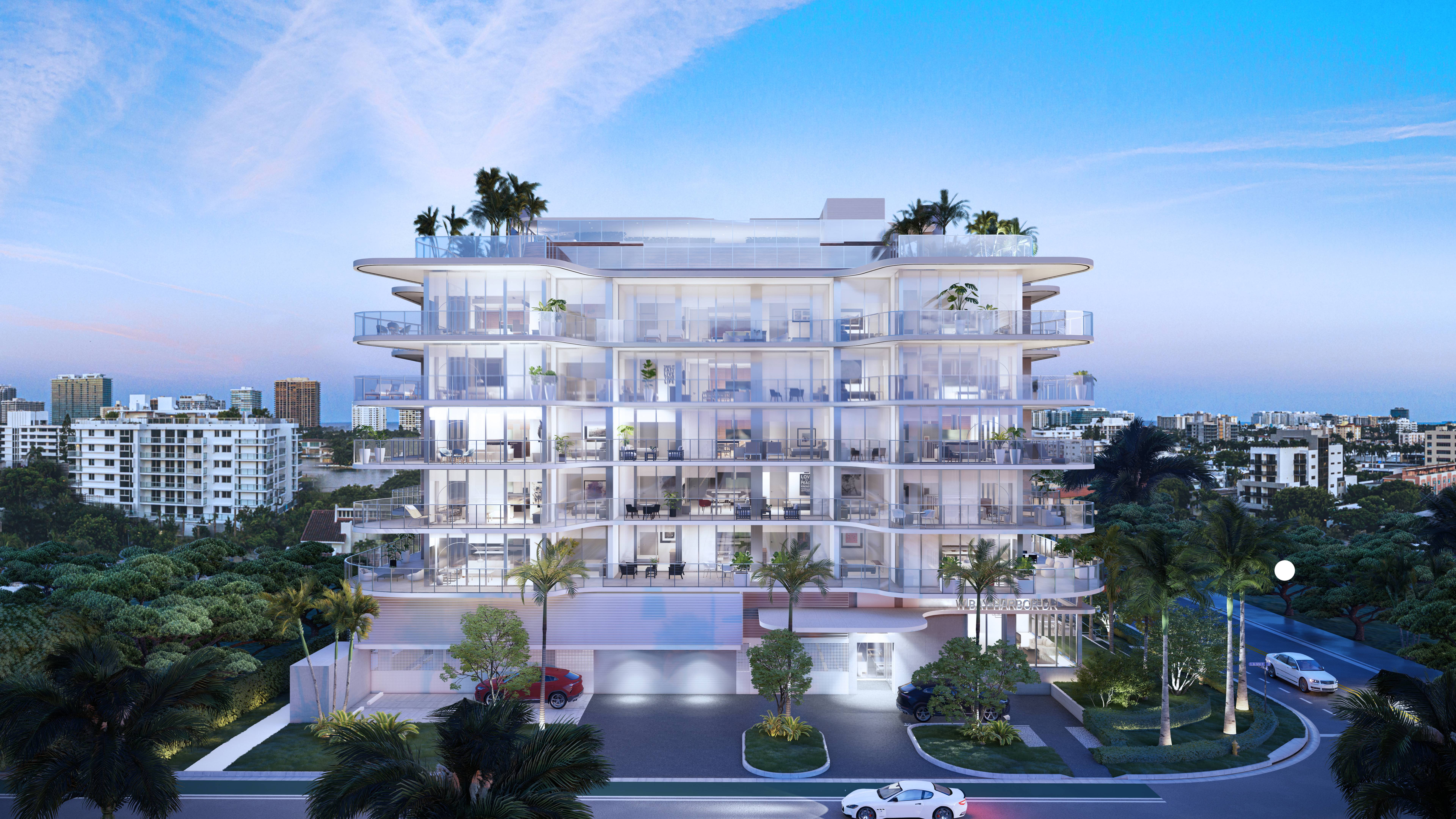
Alana is positioned as a boutique condominium option in Bay Harbor Islands, with a thesis that favors end users and long-duration residents. That does not mean every owner will live there full time, nor should any buyer assume a guaranteed resident mix before reviewing documents and association realities. It does mean the project’s strongest argument is daily livability, not spectacle alone.
Bay Harbor Islands gives Alana a context that is materially different from denser Miami submarkets. Buyers comparing Brickell, Edgewater, Miami Beach, Sunny Isles, Surfside, and Bal Harbour often find that the decision is not simply about price or view corridor. It is about pace.
The neighborhood supports a lower-scale, more village-like residential feel. That matters for people who want Miami access without living inside a constantly activated vertical resort. In this setting, the building does not need to compete for attention through maximal volume. It can instead support a quieter, more repeatable way of living.
This is why Bay Harbor Islands has become a natural comparison set for buyers evaluating projects such as Origin Bay Harbor Islands, Onda Bay Harbor, and Alana. Each buyer will weigh architecture, floor plan, timing, and personal taste differently, but the broader neighborhood appeal is consistent: residential scale, coastal proximity, and a calmer ownership setting than many high-density corridors.
Boutique should not be treated as a synonym for small. In the luxury condominium context, it can signal a different relationship between residents and the building itself. A more intimate mid-rise format may mean fewer layers between lobby, home, amenity, and neighborhood. It can also create a different social texture, where the building feels less like a transient destination and more like an address people come to understand over time.
Alana’s mid-rise scale is central to its full-time-living appeal. The point is not that large towers cannot serve full-time residents. Many do. The distinction is that Alana’s positioning leans toward a more residential ownership experience, with culture shaped by daily routines rather than hotel-style intensity.
For a buyer planning to live in South Florida for meaningful stretches, this distinction matters. A building that feels thrilling for a week can feel exhausting over a year. Conversely, a building that supports privacy, predictable operations, and an easy relationship with the surrounding neighborhood can become more valuable to its owner with each season.
The strongest comparison is not a ranking of neighborhoods. Brickell offers urban energy. Edgewater offers skyline proximity and bayfront orientation. Miami Beach and Sunny Isles offer their own versions of resort-driven luxury. Those environments may be exactly right for buyers who want scale, visibility, and constant movement.
Alana speaks to a different profile: someone who wants a Miami-area home base with a calmer daily register. The buyer may still dine in Miami Beach, attend meetings in Brickell, visit Edgewater, or compare waterfront options across Surfside and Bal Harbour. But at day’s end, the preference is for a quieter return.
That is also why buyers considering Bay Harbor Towers or The Well Bay Harbor Islands should think beyond feature checklists. In a neighborhood like Bay Harbor Islands, the decisive question is often whether the building’s culture aligns with how the owner actually intends to live.
In full-time living, operations are not background details. They are the daily expression of luxury. The atmosphere of the lobby, the consistency of staff protocols, the way amenities are scheduled and maintained, and the enforcement of rules all influence how a residence feels.
For Alana, the buyer’s evaluation should connect physical design with future operations. A residentially focused building is not created by architecture alone. It is created by policies, ownership behavior, rental rules, maintenance standards, and the clarity of expectations among residents.
This is especially important for buyers who are not simply acquiring a second home or making an investment. If the goal is a primary or long-duration base, the owner should ask how the building will function during peak season, off season, weekends, holidays, and ordinary weekdays. Culture is most visible when there is no event, no launch, and no sales presentation, only residents using the building as part of real life.
Due diligence should be unusually practical. Review condominium rules with attention to rental policies, guest protocols, pet rules if relevant, amenity hours, reservation systems, move-in procedures, and any restrictions that could affect day-to-day use. Ask how management expects to operate shared spaces and how the building will balance privacy with service.
Buyers should also study the likely resident mix without assuming certainty. A project may be positioned for end users and long-duration residents, but the final culture depends on ownership patterns over time. The best question is not simply whether rentals are allowed. It is whether the rental framework, operating model, and ownership expectations support the atmosphere the buyer wants.
For new-construction buyers, this means looking past renderings. The most important luxury may be the absence of friction: easy arrivals, sensible circulation, reliable building management, and neighbors whose use patterns fit the same residential rhythm.
Alana Bay Harbor Islands belongs on the shortlist because it invites a more mature buying conversation. It is not only about acquiring a beautiful condominium in a desirable coastal enclave. It is about selecting a building whose culture may suit the way a buyer wants to live year round.
For the right buyer, the value proposition is subtle but powerful: boutique scale, a Bay Harbor Islands setting, a residential orientation, and a quieter alternative to larger, more transient-leaning luxury environments. The project’s appeal is strongest for those who want a Miami-area home, not merely a seasonal pied-à-terre.
That does not make Alana universally superior. It makes it specific. And in the ultra-premium market, specificity is often the true luxury. The best residence is not the one that impresses the widest audience. It is the one that understands the owner’s private routine.
Is Alana Bay Harbor Islands positioned for full-time living? Yes. Its strongest positioning centers on daily livability, boutique scale, and a more residential ownership experience.
Does that mean Alana is only for primary residents? No. Buyers should not assume a guaranteed resident mix, but the project’s thesis may appeal to end users and long-duration owners.
Why does building culture matter so much? Building culture affects noise, privacy, service expectations, amenity use, rental behavior, and the general feeling of everyday life.
How is Bay Harbor Islands different from Brickell or Edgewater? Bay Harbor Islands offers a lower-scale, more village-like feel, while Brickell and Edgewater are generally denser urban environments.
Is Alana a resort-style condominium? Its positioning is more residential than resort- or hotel-style, with emphasis on routine, privacy, and year-round use.
What should buyers review before committing? Review condominium rules, rental policies, amenity operations, guest protocols, management practices, and expected resident use patterns.
Is boutique scale always better? Not always. Boutique scale is best for buyers who value intimacy, predictability, and a quieter residential environment.
Can Alana work as a second home? It may, but buyers should decide whether the building culture fits their intended rhythm of use and time in South Florida.
Should investors evaluate Alana differently? Yes. Investment buyers should focus carefully on rental rules, long-term demand, operating costs, and how ownership patterns may shape culture.
What is the main reason to shortlist Alana? Alana belongs on the shortlist if the buyer values a calm Bay Harbor Islands setting and a building culture suited to real daily life.
For a tailored shortlist and next-step guidance, connect with MILLION.
If branded residences are on your mind — as a home or as an allocation — we would be glad to share what we are seeing, privately.
Begin a quiet conversation